

Have you ever wondered if brake cleaner can remove paint? Whether you’re dealing with stubborn spray paint on metal wheels or trying to clean up touch-up paint mistakes, brake cleaner might seem like a quick fix.
But before you reach for that can, it’s important to understand exactly what brake cleaner does to different surfaces—especially your car’s paint. Using it without caution could lead to unexpected damage, from stripping clear coats to harming plastics and rubber parts.
You’ll discover how brake cleaner interacts with paint, when it’s safe to use, and the key precautions to protect your vehicle while getting the job done right. Keep reading to avoid costly mistakes and make sure your car stays looking its best.
Brake Cleaner And Paint Interaction
Brake cleaner interacts with paint in ways that vary by its chemical makeup. It can remove paint, but it may also harm the surface underneath. Understanding this interaction helps avoid damage during cleaning or repair tasks.
How Brake Cleaner Affects Paint
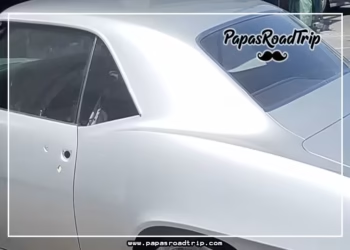
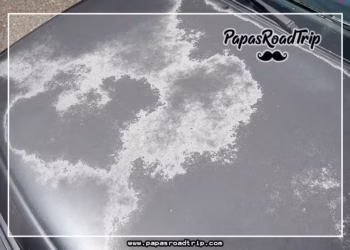
Brake cleaner can dissolve paint, especially fresh or thin layers. It works well on metal parts where paint is unwanted. On car surfaces, it can strip the clear coat, making the paint dull or uneven. Plastic and rubber parts can crack or fade if exposed. The strength of the cleaner and exposure time affect the damage level.
Differences Between Chlorinated And Non-chlorinated Types
Chlorinated brake cleaners contain chemicals that are more aggressive. They remove paint faster but increase the risk of surface damage. Non-chlorinated types are milder but still can harm paint and plastics. Both types evaporate quickly, leaving no residue but can cause long-term harm. Choosing the right type depends on the material and task.

Credit: www.sanvochemicals.com
Materials Impacted By Brake Cleaner
Brake cleaner interacts differently with various materials. Its strong solvents can strip paint and coatings quickly. Knowing what materials it affects helps avoid damage. This section explains brake cleaner’s impact on metal, plastic, rubber, and clear coat finishes.
Effect On Metal Surfaces
Brake cleaner works well on metal surfaces. It removes paint, grease, and grime effectively. Spray-painted metal parts lose their paint easily. Metal wheels and engine components respond to brake cleaner quickly. Use caution to avoid removing desired coatings.
Risks To Plastic Components
Plastic parts react poorly to brake cleaner. Some plastics soften, crack, or discolor after contact. Exposure time plays a role in damage severity. Certain plastics are more vulnerable than others. Avoid spraying brake cleaner directly on plastic parts.
Damage To Rubber Parts
Rubber components suffer from brake cleaner exposure. The solvent breaks down rubber, causing swelling or brittleness. Brake lines, seals, and gaskets can weaken or fail. Keep brake cleaner away from all rubber parts to prevent damage.
Impact On Clear Coat Finishes
Clear coat finishes are sensitive to brake cleaner. Both chlorinated and non-chlorinated types can dull or strip the clear coat. Prolonged contact leads to permanent damage on vehicle paint. Avoid using brake cleaner on painted surfaces with clear coats.
Safety Measures When Using Brake Cleaner
Using brake cleaner to remove paint requires careful handling. This chemical is strong and can pose risks if not used properly. Following safety measures protects your health and prevents damage to surfaces. Understanding how to use brake cleaner safely is essential for every DIYer and professional alike.
Ventilation And Fume Hazards
Always work in a well-ventilated area. Brake cleaner emits strong fumes that can irritate eyes and lungs. Avoid breathing vapors directly. Open windows or use fans to increase airflow. This reduces the risk of dizziness or headaches.
Protective Gear Recommendations
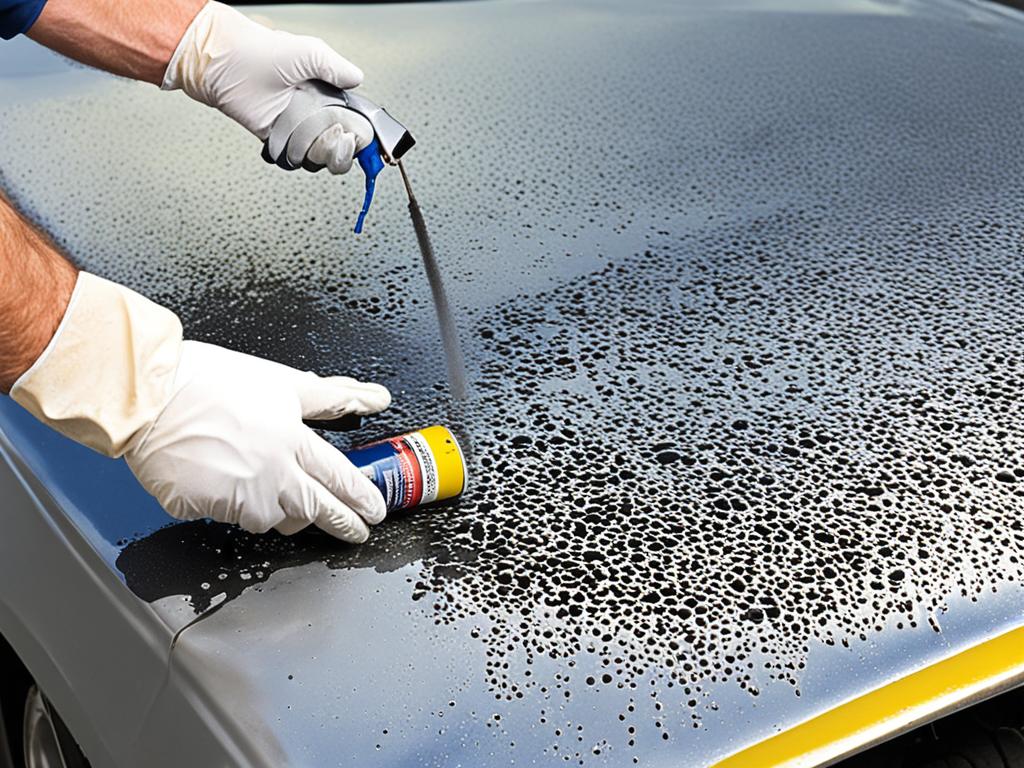
Wear gloves to protect your skin from harsh chemicals. Safety goggles shield your eyes from splashes. Use a mask designed to filter chemical fumes. Long sleeves and pants add an extra layer of protection. Never skip protective gear when handling brake cleaner.
Avoiding Heat And Fire Risks
Brake cleaner is highly flammable. Keep it away from open flames and hot surfaces. Do not smoke while using brake cleaner. Store the product in a cool, dry place. Proper storage prevents accidental fires and explosions.
Testing On Small Areas First
Test brake cleaner on a small, hidden spot before full use. This helps check for damage or discoloration. Some surfaces may react badly to the cleaner. Small tests reduce the chance of ruining paint or materials. Proceed only if the test area shows no harm.
Credit: www.squeakycleaner.homes
Practical Uses Of Brake Cleaner
Brake cleaner is a powerful solvent that removes grease, oil, and paint residues. It works well on many surfaces but can harm others. Knowing when to avoid brake cleaner helps protect your items from damage. Use caution with delicate materials and certain finishes. Understanding these limits keeps your surfaces safe.
Surfaces Not Suitable For Brake Cleaner
Brake cleaner is not safe for all surfaces. Avoid using it on plastic parts. It can cause cracking or warping. Rubber components also react badly and may degrade quickly. Painted surfaces with clear coats can dull or peel. Wood and fabric are poor choices too. These materials absorb the cleaner and get damaged.
Potential Long-term Damage
Repeated use of brake cleaner can cause lasting harm. Paint may fade or peel after exposure. Clear coats lose their shine and protection. Plastics become brittle and break over time. Rubber seals and hoses may dry out and crack. Such damage reduces the life of parts and looks bad. Avoid frequent brake cleaner use on sensitive surfaces.
Alternatives For Sensitive Materials
Use milder cleaners on plastics, rubber, and painted surfaces. Soap and water remove dirt without harm. Specialized plastic cleaners protect and clean effectively. For paint removal, try rubbing alcohol or acetone in small amounts. Always test a small spot first. Choose products labeled safe for your material. This keeps your items clean and intact.
Frequently Asked Questions
Can You Use Brake Cleaner To Remove Paint?
Yes, brake cleaner can remove paint, especially spray or touch-up paint on metal surfaces. Use caution—it may damage clear coats, plastics, and rubber. Always test a small area first and wear protective gear in a well-ventilated space to avoid health risks.
What Should You Not Use Brake Cleaner On?
Do not use brake cleaner on painted surfaces, clear coats, plastics, or rubber parts. It damages and degrades these materials.
How Fast Will Brake Fluid Remove Paint?
Brake fluid can remove paint within minutes, especially on clear coats and spray paint. It acts quickly but may cause lasting damage. Use with caution and test on a small area first to avoid harming plastics or rubber components.
Does Brake Cleaner Take Clear Coat Off?
Brake cleaner can damage and remove clear coat over time. Both chlorinated and non-chlorinated types may strip it. Use caution and test first.
Can Brake Cleaner Remove Car Paint Completely?
Brake cleaner can remove car paint, especially touch-up or spray paint, but may damage clear coats.
Conclusion
Brake cleaner can remove paint, especially on metal surfaces. It works well on spray and touch-up paint but can harm clear coats, plastics, and rubber. Always test on a small area first to avoid damage. Use brake cleaner carefully and wear protective gear.
Good ventilation is important to stay safe. Avoid heating brake cleaner to prevent toxic fumes. Knowing these facts helps protect your vehicle’s finish. Use brake cleaner wisely to get the best results without causing harm.