Buying a used Jeep Wrangler is a dream for many adventure seekers and off-road fans. The Wrangler is famous for its rugged capability, unique style, and strong community. But not all Wrangler years offer the same experience. Some models are known for reliability, while others have troublesome issues that can lead to big repair bills and frustration.
If you are thinking about getting a used Jeep Wrangler, it is important to know which years to avoid. Choosing the wrong year could mean frequent visits to the mechanic, safety risks, and a less enjoyable drive. This article will guide you through the most problematic Jeep Wrangler model years, explain why they are best avoided, and offer tips on how to find a Wrangler you can trust.
Why Some Jeep Wrangler Years Are Best Avoided
Not every Wrangler is created equal. Some model years have major problems that can affect your safety, cost, and peace of mind. These issues often include:
- Engine and transmission problems
- Rust and frame weaknesses
- Electrical and sensor faults
- Safety recalls
- Poor build quality
Some of these issues are so serious that even experienced mechanics recommend avoiding certain years completely. Most of the time, these problems come from design flaws, poor parts, or rushed manufacturing. Jeep often improves in later models, but buyers of affected years are left with the problems.
Key Factors That Make Certain Years Risky
Before looking at the worst Jeep Wrangler years, it’s important to understand what makes a model year “bad.” Here are the main factors:
1. High Number Of Recalls
Years with many recalls usually have design or manufacturing flaws.
2. Common Major Mechanical Failures
Chronic engine, transmission, or axle problems are costly and reduce reliability.
3. Serious Safety Issues
Problems with airbags, brakes, or frame can put drivers at risk.
4. Widespread Owner Complaints
If a year has thousands of owner complaints, it’s a red flag.
5. Costly Repairs
Some problems are so expensive to fix that they outweigh the price savings of buying used.
It’s important to research not just “bad years” but also what specific problems affect each year. Not all used Wranglers are risky, but some years have a much higher chance of trouble.
Jeep Wrangler Generations Overview
To help you understand the “years to avoid,” here’s a quick look at the main Wrangler generations:
| Generation | Years | Main Features |
|---|---|---|
| YJ | 1987–1995 | Square headlights, leaf springs |
| TJ | 1997–2006 | Round headlights, coil springs |
| JK | 2007–2018 | Four-door option, modern features |
| JL | 2018–present | Latest tech, improved comfort |
Most “years to avoid” are found in the JK and early JL generations. These models have the highest number of widespread issues.
Jeep Wrangler Years To Avoid: The Most Problematic Models
Let’s look at the years you should avoid, what makes them risky, and real examples of their main problems.
1. 2007 Jeep Wrangler (jk)
The 2007 model was the first year of the JK generation, a major redesign for the Wrangler. Unfortunately, being first isn’t always best.
Common issues:
- TIPM failure (Totally Integrated Power Module): Causes electronic problems like stalling, lights flickering, and non-starting.
- Leaking roofs and water damage: Poor seals on doors and roofs lead to electrical shorts and mold.
- Transmission problems: Many reports of rough shifting and total failure.
What makes it risky:
2007 Wranglers have more electrical complaints than almost any other year. Some problems are so severe that the vehicle can stop running on the highway.
2. 2008 Jeep Wrangler (jk)
The 2008 model continued the problems from 2007 with few improvements.
Key problems:
- Death wobble: Steering shakes violently at highway speed, caused by suspension flaws.
- Engine stalling: Sudden loss of power while driving.
- Faulty airbags: Airbags may not deploy in a crash.
Why to avoid:
This year has high numbers of complaints and recalls, especially for safety. The death wobble is scary and expensive to fix, often requiring new parts and professional alignment.
3. 2012 Jeep Wrangler (jk)
At first, 2012 seemed like an improvement, with a new engine (the 3. 6L Pentastar V6). However, this engine had its own problems.
Major issues:
- Cylinder head failure: The left cylinder head can crack, causing misfires and engine failure.
- Oil leaks: Many reports of oil leaking from the oil cooler and filter housing.
- Heater core clogs: Cooling system debris blocks heat in winter.
Not obvious for beginners:
The cylinder head flaw is often not visible during a test drive. It can fail suddenly, and the repair is expensive. Some owners needed new engines before 100,000 miles.
4. 2013 Jeep Wrangler (jk)
The 2013 model kept the updated engine but did not fix its major flaws.
Problems:
- Cylinder head and oil leaks (as in 2012)
- Electrical system issues: TIPM failures, faulty sensors, and battery drain.
- Interior leaks: Water entering through doors and roof seams.
What stands out:
This year also had a high number of recalls, especially for airbag problems and electrical failures.
5. 2014 Jeep Wrangler (jk)
The 2014 Wrangler continued the same engine and most of the previous issues.
Main concerns:
- Transmission shifting problems
- Heater core blockages
- Airbag and electrical recalls
Why avoid:
Although some fixes were made, too many 2014 Wranglers still show expensive and hard-to-find problems. Many buyers report repeated trips to the dealer without a full solution.
6. 2018 Jeep Wrangler (jl – First Year)
The 2018 Wrangler marked the start of the JL generation, with new technology and design. But, as with many first-year models, problems were common.
Key faults:
- Steering looseness: Feels unsafe at highway speeds.
- Electrical glitches: Touchscreen, backup camera, and sensors fail.
- Transmission recall: Many units needed repairs for shifting and fluid leaks.
Non-obvious insight:
Some 2018 Wranglers have steering boxes that cannot be fixed by simple alignment. These need full replacement, which is costly.
7. 2019 Jeep Wrangler (jl)
The 2019 model improved over 2018, but issues remained.
Problems:
- Steering problems: “Loose” or “wandering” feeling on the highway.
- Electrical issues: Malfunctioning safety features and infotainment.
- Coolant leaks: Especially in turbo engines.
Why be careful:
Buyers report that some problems were not fixed under warranty, and parts can be hard to find. Also, safety recalls for steering and electrical systems were frequent.
—
Quick Reference: Jeep Wrangler Years To Avoid
Here’s a summary of the worst years and what to watch out for:
| Model Year | Main Issues | Repair Costs (avg.) |
|---|---|---|
| 2007 | Electrical, leaks, transmission | $900–$2,700 |
| 2008 | Death wobble, stalling, airbags | $700–$2,500 |
| 2012 | Cylinder head, oil leaks, heater core | $1,200–$4,500 |
| 2013 | Engine, electrical, leaks | $1,000–$4,200 |
| 2014 | Transmission, heater, airbags | $950–$3,800 |
| 2018 | Steering, electronics, transmission | $1,100–$3,000 |
| 2019 | Steering, electrical, coolant | $850–$2,800 |
Other Years With Notable Problems
While the years above are the worst, there are a few other model years with frequent but less serious complaints:
- 1997–1999: Rust issues and frame rot in salty climates.
- 2005–2006: Some engine and transmission recalls.
- 2010–2011: Airbag and fuel system problems.
If you find a Wrangler from these years, it’s important to check if the main problems have been fixed or if the vehicle was well maintained.
What Makes These Problems Expensive Or Dangerous?
Some Jeep Wrangler issues are not just annoying—they can be dangerous or cost thousands to fix.
The “death Wobble”
This is one of the most feared Wrangler issues. When driving at highway speeds, the steering wheel and front wheels start to shake violently. It feels like the Jeep will lose control. The cause is usually a mix of worn suspension parts, bad track bar bushings, and poor alignment. Fixing it often needs multiple new parts and skilled labor.
Tipm Failure
The Totally Integrated Power Module (TIPM) controls many of the Wrangler’s electrical systems. When it fails, you can have random electrical problems—windows stop working, engine stalls, or lights flicker. TIPMs are expensive to replace, and sometimes new ones have the same issues.
Engine And Transmission Failures
The 3.6L Pentastar V6 in 2012–2014 models is known for cylinder head failure. This can lead to misfires, engine knocking, and full engine replacement. Transmission issues in early JK and JL models often lead to rough shifting or total failure, which can cost thousands to repair.
How To Identify A Problematic Wrangler Before You Buy
Avoiding a bad year is only part of buying smart. It’s also important to spot warning signs in any used Wrangler.
1. Review The Vehicle History Report
Ask for a Carfax or AutoCheck report before buying. Look for:
- Multiple owners in a short time
- Accident history
- Frequent repairs
- Lemon history (buybacks due to defects)
2. Check For Recalls And Service Bulletins
Visit the NHTSA website and enter the VIN to see if all recalls have been fixed. Some Wranglers have open recalls that the seller may not know about.
3. Inspect For Rust And Frame Damage
Look underneath the Jeep for rust on the frame, suspension, and body mounts. Significant rust can make the vehicle unsafe and hard to repair.
4. Test The Electrical Systems
Check that all windows, locks, lights, and dashboard features work. Electrical glitches are common in problematic years.
5. Listen For Strange Noises
On a test drive, listen for clunks, rattles, or grinding. Pay attention to how the transmission shifts and how the steering feels at different speeds.
Non-obvious insight:
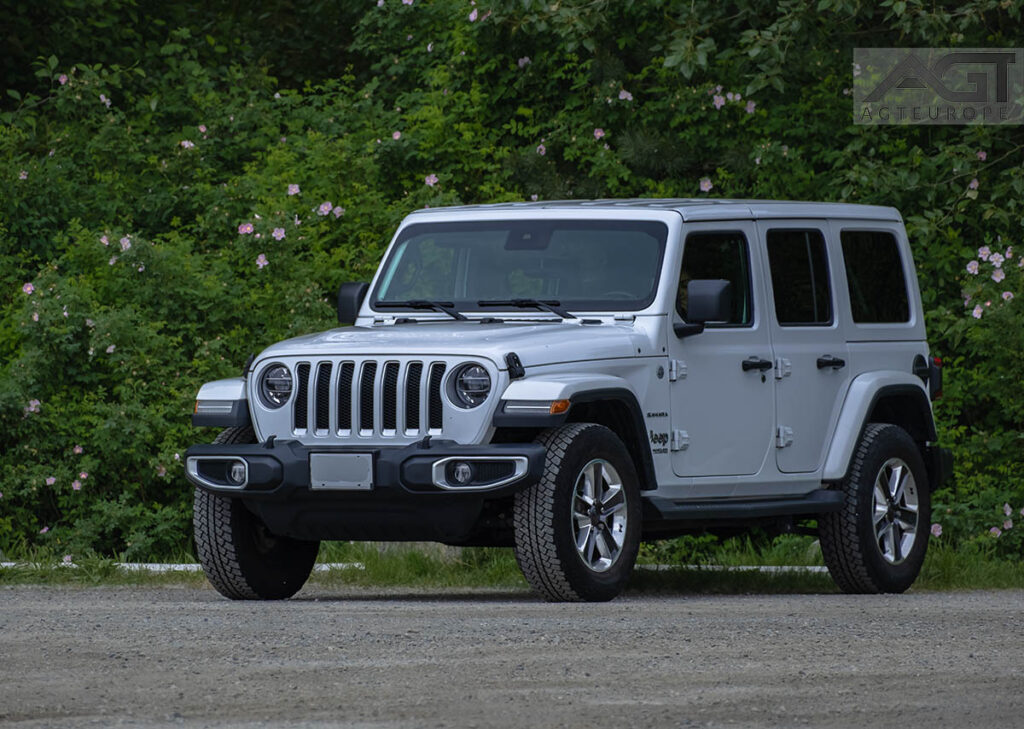
Many Jeep Wranglers have been modified for off-roading. While this can be fun, poor-quality modifications often cause more problems than they solve. Ask for records of any lift kits, bigger tires, or custom electrical work.
Credit: agtauto.com
Safer Jeep Wrangler Years: What To Look For
Not every used Wrangler is a risk. Some years are known for solid reliability and fewer complaints.
Best Wrangler Years For Reliability
Many Jeep fans and experts suggest these years for better reliability:
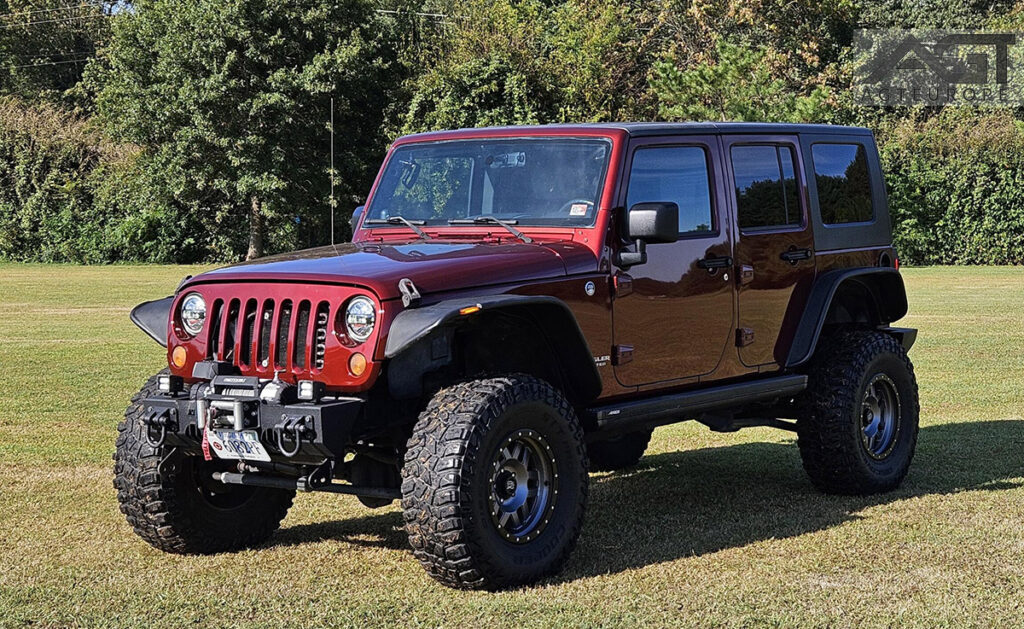
- 2001–2006 (TJ): Simple, durable, and easy to repair.
- 2015–2017 (JK): Most engine and electrical problems fixed.
- 2020–present (JL): Continued improvements in safety and tech.
Why they’re safer:
These years have fewer major recalls, lower repair costs, and better owner reviews. The 2001–2006 models, for example, use the classic 4.0L straight-six engine, known for lasting over 200,000 miles with basic care.
Comparing Problem Years With Reliable Years
Here’s a quick comparison of the most problematic and reliable Wrangler years:
| Year | Typical Mileage at Failure | Main Issues (Problem Years) | Main Strengths (Reliable Years) |
|---|---|---|---|
| 2012 | 45,000–75,000 | Cylinder head, oil leaks | N/A |
| 2018 | 20,000–60,000 | Steering, transmission | N/A |
| 2004 | 100,000+ | N/A | Durable engine, simple electronics |
| 2016 | 80,000+ | N/A | Improved engine, fewer recalls |
Tip:
A reliable Wrangler is not just about the year, but also how well it has been maintained. Service records are worth their weight in gold.
Credit: agtauto.com
Common Mistakes When Buying A Used Jeep Wrangler
Even smart buyers sometimes make mistakes. Here are errors to avoid:
1. Ignoring Recalls:
Some sellers don’t fix open recalls. Always check and ask for proof.
2. Not Checking For Modifications:
Lift kits, big tires, and engine tunes can cause extra wear if not done right.
3. Skipping A Professional Inspection:
A good mechanic can spot hidden frame, engine, or transmission problems.
4. Assuming All Wranglers Are The Same:
Each generation and year has unique strengths and flaws. Research the exact model you’re buying.
5. Overlooking Rust:
Especially in older Wranglers, frame and body rust can make the Jeep unsafe and lower its value.
Tips For Finding A Good Used Wrangler
If you’re shopping for a used Wrangler, here’s how to boost your chances of getting a good one:
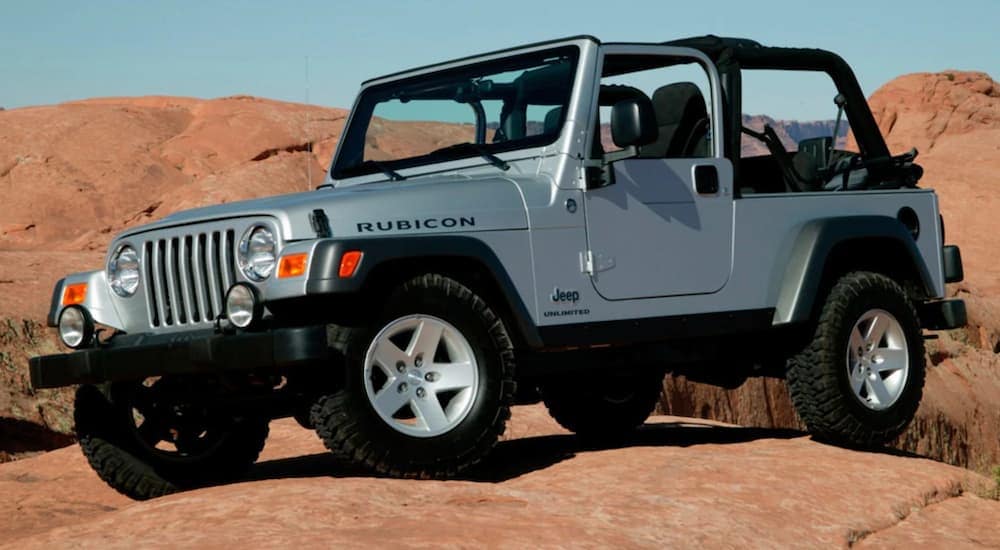
- Focus on late TJ or late JK models for the best mix of reliability and features.
- Avoid first-year models after major redesigns. Jeep often works out problems in later years.
- Look for one-owner, low-mileage examples with full service history.
- Ask about recalls and repairs—well-kept records show a careful owner.
- Bring a trusted mechanic to check for hidden issues.
Credit: suparee.com
The Cost Of Ownership: Problem Years Vs Reliable Years
Beyond buying price, think about long-term costs. Problem years can cost thousands in repairs, while reliable years save you money and hassle.
Average Maintenance Costs
- Problem years (2012, 2018, etc. ):
$1,200–$3,500 Per Year For Unexpected Repairs
- Reliable years (2004, 2016, etc. ):
$500–$1,200 Per Year For Routine Maintenance
Insurance and fuel:
Older Wranglers (TJ) are cheaper to insure but use more gas. Newer JL models have better fuel economy but higher insurance due to tech features.
Non-obvious insight:
Some extended warranties do not cover common Wrangler problems like the “death wobble” or frame rust. Always read the fine print.
Is It Ever Worth Buying A Jeep Wrangler From A Problem Year?
Some buyers get a good deal on a “bad year” Wrangler. Is it ever a smart move?
- Yes, if:
The Jeep has full service records, all major repairs and recalls are done, and the price is much lower than reliable years.
- No, if:
The Jeep shows signs of major problems, has high mileage, or the seller cannot prove repairs were made.
Remember, even a well-repaired Wrangler from a problem year may have future issues. Only choose this route if you are ready for extra maintenance.
Real-world Examples: Wrangler Owners’ Experiences
Many owners share their stories on forums and review sites.
- A 2012 Wrangler owner reported needing a new engine at 60,000 miles due to cylinder head failure, costing over $4,000.
- A 2018 JL owner described repeated visits to the dealer for steering issues, with no final fix.
- A 2004 TJ owner praised the simple engine, with over 180,000 miles and few repairs.
These real stories show the difference between picking a reliable year and risking a problematic one.
If you want to read more stories and technical data, visit the official NHTSA Wrangler recall database.
Frequently Asked Questions
What Is The Jeep Wrangler “death Wobble”?
The death wobble is a violent shaking of the steering wheel and front wheels at highway speeds. It often happens after hitting a bump. The cause is usually worn suspension parts, alignment issues, or steering components. It can be fixed, but sometimes needs several new parts and professional help.
Are Older Jeep Wranglers More Reliable?
Many older Wranglers, especially the TJ generation (1997–2006), are known for reliability. The simple design and strong engines make them easier and cheaper to repair. However, rust and age-related wear can be problems, so always inspect carefully.
Which Jeep Wrangler Year Is The Most Reliable?
Most experts and owners agree that 2004, 2005, 2016, and 2017 Wranglers are among the most reliable. These years have fewer serious complaints, better engines, and improved safety.
Can I Buy A Jeep Wrangler From A “bad Year” If It’s Cheap?
It’s possible, but risky. If all known problems are fixed and the price is right, you might get a good deal. But be ready for higher repair costs and the chance of new issues appearing.
How Can I Check If A Used Wrangler Has Open Recalls?
Go to the NHTSA website and enter the Jeep’s VIN. This will show all recalls and whether they have been fixed. Always check before buying.
Final Thoughts
Buying a used Jeep Wrangler can be a smart move—if you pick the right year. Avoiding the 2007, 2008, 2012, 2013, 2014, 2018, and 2019 models will reduce your chances of expensive repairs and safety risks. Focus on later TJ or late JK models for the best reliability.
Always check service history, inspect carefully, and have a trusted mechanic help before you buy. That way, you can enjoy the freedom and adventure of Jeep ownership, without the stress of constant problems.