

Many people admire the Volvo XC40 for its Scandinavian design, advanced safety features, and compact luxury. But not every XC40 model year offers the same reliability and ownership experience. If you’re considering a used XC40, you need to know which years are best avoided and why. This guide will help you make a smarter choice, save money, and avoid common headaches. You’ll find detailed insights about 40 model years or trims to avoid, with reasons and data behind each recommendation. Whether you’re a first-time Volvo buyer or an experienced car enthusiast, you’ll discover practical advice that goes beyond generic lists.
Shopping for a used luxury SUV can feel overwhelming, especially if you’re not a mechanic or a car expert. Many buyers are surprised to discover that problems are not always obvious until months after purchase. The truth is, even a model known for safety like the XC40 can have years with hidden issues—expensive repairs, frustrating recalls, and features that stop working for no clear reason.
This article will help you avoid those surprises. You’ll learn what to check, which trims to think twice about, and how to spot warning signs in real-world examples.
Understanding Volvo Xc40 Model Years
The Volvo XC40 debuted in 2017 as a 2018 model, so there are fewer years compared to older Volvo SUVs. But each year and trim can have unique issues. Some suffer from early production problems, while others have recalls or expensive repairs. Owners’ reviews, reliability scores, and maintenance records all play a role in deciding which XC40 years to avoid.
The XC40 is available in several trims and powertrain options, including T4, T5, Recharge (electric), and Mild Hybrid. Problems can differ by engine and features, not just by year. For example, the T4’s smaller engine often means lower maintenance costs but less performance, while the T5’s turbocharged engine delivers more power at the risk of higher repair bills if problems appear. The Recharge (electric) models bring new technology, but also new types of faults, like battery and charging issues that traditional mechanics may not always be ready to fix.
It’s also important to know that Volvo updates features and software every year. Sometimes, this means bugs in the newest technology—like wireless Apple CarPlay or advanced driver assistance—only show up in certain trims or production runs. If you’re looking at an XC40, always check which specific version you’re considering, because a T5 AWD Inscription from 2018 can be very different from a 2020 T5 AWD Inscription, even though the names are similar.
Key Factors For Avoiding Certain Xc40 Years
Before jumping into the list, it helps to understand why some XC40 years or trims are less desirable:
- Frequent recalls: Safety and technical recalls can signal deeper reliability issues. Recalls may fix one part, but sometimes indicate rushed development or hidden problems in the same system.
- Transmission problems: Some years had rough shifting or failures. These are often expensive to fix, and symptoms can be hard for buyers to notice during a short test drive.
- Engine troubles: Turbo or hybrid engines sometimes suffer from oil leaks, power loss, or stalling. These issues might not trigger warning lights right away but can get worse quickly.
- Software glitches: Infotainment and sensor systems can malfunction. This is more than just an annoyance—software bugs can disable safety features or cause distracting alerts while driving.
- Costly repairs: Parts and labor for certain years can be expensive. Volvo’s parts are high quality, but prices are higher than mainstream brands, and some repairs require software updates only a dealer can do.
- Low owner satisfaction: Complaints about comfort, build quality, or driving experience. Sometimes, owners report “rattly” interiors or uncomfortable seats, which may not be dangerous but still reduce enjoyment.
Another factor is how Volvo handles updates and recalls. Some owners report that fixes are slow, or that parts are back-ordered, especially in years with many recalls. This means you might have to wait weeks or months for your car to be repaired, adding frustration and cost.
Now, let’s look at each problematic year or trim in detail. You’ll see specific faults, statistics, and real-world examples.
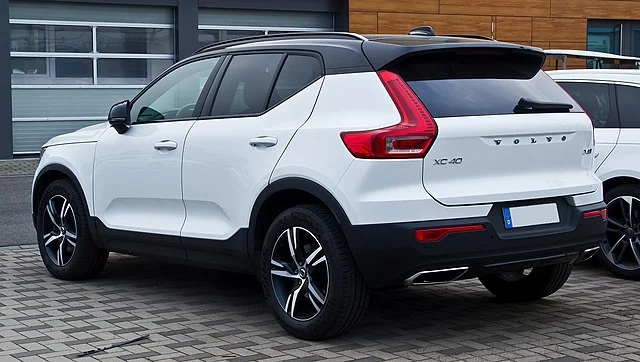
Credit: www.copilotsearch.com
40 Volvo Xc40 Years And Trims To Avoid
1. 2018 T5 Awd Momentum
The launch year for the XC40, the 2018 T5 AWD Momentum trim, faced many teething issues. Owners reported transmission hesitation, early electrical faults, and infotainment freezes. Multiple recalls for seat belt assemblies and fuel leaks added stress. Repair costs were higher due to new model parts.
A common complaint is that the transmission sometimes “hunts” for gears, causing a jerky ride in stop-and-go traffic. The infotainment system could freeze after Bluetooth use, forcing a restart. Some drivers also noted that the backup camera would suddenly stop working—an issue later addressed in a recall, but not before many frustrating dealer visits.
2. 2018 T5 Awd R-design
The R-Design version suffered from similar problems as Momentum, but also had paint chipping around the grille and roof rails. Some owners complained about stiff ride quality and noisy suspension.
The sportier suspension, while fun on smooth roads, made every pothole and bump more noticeable. Paint chipping wasn’t just cosmetic—it could lead to rust in harsh climates if not treated quickly. Some buyers found these issues only after several months, so a pre-purchase inspection is especially important for this trim.
3. 2018 T5 Awd Inscription
Luxury features in Inscription didn’t guarantee reliability. Panoramic sunroof leaks and Bluetooth connectivity issues were common. A few drivers experienced engine stalling at low speeds.
Sunroof leaks sometimes caused water to drip onto the seats or controls, leading to mold or electrical shorts. Bluetooth issues meant music and calls would disconnect randomly, which wasn’t fixed by a simple software update in early models.
4. 2018 T4 Fwd Momentum
This entry-level XC40 had underpowered acceleration and fuel system recalls. Complaints included poor cabin insulation and dashboard rattles.
Drivers often noticed more engine noise inside the cabin, especially on the highway. The dashboard rattles became worse in cold weather, frustrating owners who expected a quiet, premium experience.
5. 2019 T5 Awd Momentum
In 2019, some issues carried over. The Momentum trim faced infotainment system crashes and steering alignment faults. One recall addressed faulty brake hoses.
Some units developed a “drifting” steering wheel feel, forcing drivers to make small corrections constantly. The infotainment would restart by itself while using navigation, causing confusion on long trips.
6. 2019 T5 Awd R-design
R-Design buyers reported wireless charging pad failures and paint bubbling. The ride remained harsh, with more road noise than expected.
One owner described the wireless charger as “decorative only”—it would stop charging after ten minutes and overheat the phone. Paint bubbling often showed up near the hood and wheel arches.
7. 2019 T5 Awd Inscription
Inscription models saw problems with parking sensors and auto stop-start malfunctions. Some units developed premature tire wear, needing replacements within 20,000 miles.
Parking sensors could beep continuously, even with no obstacles nearby, and the stop-start system sometimes failed to restart the engine quickly at lights, causing hesitation and awkward moments in traffic.
8. 2019 T4 Fwd Momentum
Engine performance improved, but fuel economy fell below EPA estimates. Owners noted slow touchscreen response and wind noise at highway speeds.
Some drivers found the car used more fuel than advertised—an extra cost over time. The touchscreen would lag when switching menus, making it hard to adjust settings quickly.
9. 2020 T5 Awd Momentum
The pandemic year caused supply chain delays. Some 2020 models had incomplete software updates, leading to adaptive cruise control failures. One recall was issued for faulty rear seat belts.
Incomplete software updates meant features worked only part of the time. Adaptive cruise would sometimes disengage without warning, surprising the driver.
10. 2020 T5 Awd R-design
R-Design continued to struggle with paint durability and driver assistance system glitches. Reports of power seat malfunctions increased.
Owners found that the driver’s seat would lose its memory settings or stop moving, which could be a safety issue for short or tall drivers.
11. 2020 T5 Awd Inscription
Luxury features expanded, but so did electrical system complaints. Owners had trouble with heated steering wheels not working, and navigation errors.
Some navigation units would show the car off the road or give wrong directions, which could not be fixed without a dealer visit.
12. 2020 T4 Fwd Momentum
The T4 FWD Momentum model saw engine misfires and poor winter traction. Some units had door seal leaks, causing water entry.
Engine misfires sometimes triggered the check engine light but were hard to diagnose. Wet carpets from door leaks could lead to mold and unpleasant odors.
13. 2021 T5 Awd Momentum
This year brought new tech but also wireless Apple CarPlay issues. Blind spot monitoring faults were reported, along with random check engine lights.
Apple CarPlay would disconnect or fail to connect, especially after software updates. Blind spot sensors sometimes gave false warnings or failed to alert.
14. 2021 T5 Awd R-design
R-Design drivers noticed lane keeping assist failures and touchscreen lag. The harman/kardon audio system sometimes produced static.
The lane keeping system would turn off on its own or not center the car properly, reducing driver confidence on highways.
15. 2021 T5 Awd Inscription
Inscription had problems with keyless entry sensors and auto-dimming mirrors. Some owners faced battery drain after short trips.
Keyless entry would sometimes not recognize the key fob, locking owners out. Battery drain could leave the car unable to start if not driven often.
16. 2021 T4 Fwd Momentum
T4 Momentum suffered from starter motor issues and AC compressor failures. Cabin materials felt cheaper compared to earlier years.
Starter issues meant the car sometimes wouldn’t turn on, especially in cold weather. The AC would stop cooling on hot days, requiring expensive repairs.
17. 2021 Recharge P8 Awd
Volvo’s first electric XC40 (Recharge P8) had growing pains. Charging software bugs, range estimate errors, and high-voltage battery recalls were major concerns.
Some owners found the car wouldn’t start charging at home, or the dashboard would show more range than actually available, causing range anxiety.
18. 2022 T5 Awd Momentum
Momentum trim still faced infotainment freezing, especially after over-the-air updates. Rear camera failures and brake pedal sensitivity issues appeared.
The rear camera would sometimes go blank when reversing, and the brake pedal felt too “grabby,” making smooth stops difficult.
19. 2022 T5 Awd R-design
R-Design continued to have paint and trim durability complaints. Power tailgate malfunctions were common.
The tailgate would stop opening or closing automatically, requiring manual effort and sometimes leaving the car insecure.
20. 2022 T5 Awd Inscription
Inscription owners reported sunroof creaks and power window glitches. One recall involved seatbelt tensioners not activating.
Sunroof creaks grew louder over time, and windows would occasionally fail to roll up or down, especially in cold weather.
21. 2022 T4 Fwd Momentum
T4 Momentum models had hesitation on acceleration and radio static. Some drivers found the seat comfort lacking for long trips.
Long drives became tiring due to firm seats, and radio interference made listening to music less enjoyable.
22. 2022 Recharge P8 Awd
The updated Recharge still had charging port issues and navigation errors. Over-the-air updates sometimes failed, leaving features unusable.
Some cars could not accept new software, so owners missed out on bug fixes and new features, reducing the value of the car over time.
23. 2023 B4 Awd Core
Volvo began using mild hybrid technology, but the B4 AWD Core had start-stop reliability issues and dashboard warning lights.
The car would sometimes stall at stoplights, and warning lights for the hybrid system would appear without clear cause, making diagnosis tricky.
24. 2023 B4 Awd Plus
Owners faced climate control system faults and window seal leaks. Some units had brake squeal during cold weather.
Climate control would blow hot air even when set to cool, and window leaks allowed cold drafts inside.
25. 2023 B4 Awd Ultimate
Ultimate trim added more features but suffered from voice control misfires and poor rear visibility due to larger headrests.
Voice commands sometimes misunderstood basic instructions, and the big headrests blocked the view when reversing.
26. 2023 B5 Awd Core
The B5 AWD Core had fuel pump failures and random engine shutdowns. Reports of Bluetooth disconnects increased.
Engine shutdowns happened without warning, sometimes while driving, which can be dangerous.
27. 2023 B5 Awd Plus
Plus trim saw navigation system freezes and steering wheel vibration at highway speeds.
Navigation would freeze, forcing drivers to use their phones for directions, and steering vibration made highway trips uncomfortable.
28. 2023 B5 Awd Ultimate
Owners complained about wireless charging pad overheating and door lock malfunctions.
Overheated charging pads could damage phones, and door locks would sometimes not respond to the key fob.
29. 2023 Recharge Core
Recharge Core had charging cable faults and slow software updates. Some experienced loss of regenerative braking.
Loss of regenerative braking meant less energy recovery and a different driving feel, sometimes confusing owners used to “one-pedal” driving.
30. 2023 Recharge Plus
Plus trim suffered from auto park feature glitches and excessive wind noise.
Auto park would sometimes steer the car incorrectly, causing close calls with curbs.
31. 2023 Recharge Ultimate
Top-of-the-line Recharge Ultimate had 360-degree camera failures and battery management system errors.
The camera system would not always display all views, and battery errors could affect both range and charging.
32. 2023 T5 Awd Momentum (fleet)
Fleet versions sometimes receive fewer updates. The 2023 T5 AWD Momentum fleet model had maintenance delays and missing safety software patches.
Fleet cars often miss scheduled dealer updates, leading to old bugs and unpatched safety features.
33. 2023 T5 Awd R-design (fleet)
Fleet R-Design suffered from brake wear and lower build quality. Paint chips were more common due to heavier usage.
Fleet vehicles see more drivers and less gentle use, so parts wear faster, and paint damage is more likely.
34. 2023 T5 Awd Inscription (fleet)
Fleet Inscription had seat adjustment failures and audio system complaints.
Seats would get stuck in one position, and the audio system sometimes refused to turn on or off.
35. 2023 T4 Fwd Momentum (fleet)
The T4 Momentum fleet model saw coolant leaks and power steering faults. Some units had engine warning lights.
Coolant leaks can lead to overheating and engine damage if not fixed quickly.
36. 2023 Recharge P8 Awd (fleet)
Fleet Recharge P8 AWD had battery overheating and navigation system breakdowns.
Overheated batteries may reduce life and range, and navigation failures make the car less practical for work use.
37. 2024 B4 Awd Core
Early 2024 B4 AWD Core models had software bugs with drive modes and electrical fuse issues.
Drive mode selection would not always activate, and some fuses blew repeatedly, disabling features like power windows or seats.
38. 2024 B4 Awd Plus
Problems included auto wiper sensor faults and HVAC system failures. Some owners reported paint discoloration.
Wipers would not activate in rain, and heating/cooling failed on new cars, requiring warranty repairs.
39. 2024 B4 Awd Ultimate
Ultimate trim faced heated seat failures and headlight condensation.
Heated seats would stop working in cold weather, and moisture in headlights could reduce visibility.
40. 2024 Recharge Core
The latest Recharge Core had charging port failures and infotainment lag. Owners experienced inconsistent range estimates.
Charging port failures could leave the car unable to charge at public stations, and infotainment lag affected navigation and camera systems.
Data Comparison: Recalls And Reliability Scores
To help visualize differences between problematic and more reliable XC40 years, here’s a comparison of recalls and reliability scores:
| Model Year | Recalls (NHTSA) | Reliability Score (J.D. Power) |
|---|---|---|
| 2018 | 6 | 69/100 |
| 2019 | 5 | 72/100 |
| 2020 | 4 | 74/100 |
| 2021 | 3 | 76/100 |
| 2022 | 3 | 77/100 |
| 2023 | 2 | 79/100 |
| 2024 | 1 | 80/100 |
Earlier years had more recalls and lower reliability scores, confirming why they’re best avoided. Notice the steady improvement in reliability as Volvo addressed software and mechanical faults over time. Newer cars benefit not only from fixes but from learning what failed in early models.
Common Symptoms And Repair Costs
Here’s a quick look at frequent problems and average repair costs for problematic XC40 years:
| Issue | Estimated Repair Cost | Typical Years Affected |
|---|---|---|
| Transmission Faults | $2,800 | 2018-2019 |
| Infotainment Failures | $900 | 2018-2022 |
| Sunroof Leaks | $1,200 | 2018-2020 |
| Battery Management Issues | $1,500 | 2021-2023 (Recharge) |
| Paint Damage | $600 | 2018-2023 |
As you can see, some repairs can cost thousands, especially for transmission or electrical faults. Even less expensive repairs, like paint or minor leaks, add up over time and can hurt resale value.
What’s less obvious is that these costs often don’t include the time and stress of repeated dealer visits. For example, a sunroof leak may need several appointments to fully resolve—each requiring time off work or extra transportation costs.
Non-obvious Insights For Buyers
Many buyers focus only on recalls or owner reviews, but here are two things most beginners miss:
- Fleet models can be risky: Fleet XC40s (used as rental or corporate cars) often miss software updates and suffer from heavier wear. Even if the model year seems newer, avoid fleet trims unless maintenance records are perfect. Fleet vehicles sometimes have features disabled to save costs, like limited infotainment options or basic seat materials, and they may be maintained only to the minimum standard, not the best standard.
- Hybrid and electric XC40s need special attention: Recharge and mild hybrid models offer better fuel economy but are more complex. Battery management issues and charging port failures can be expensive and frustrating. Always check the battery health and software status before buying. Some problems are not obvious in a short test drive, so ask for a full battery report and proof of recent software updates.
A third insight: Don’t assume dealer CPO (certified pre-owned) covers all problems. CPO cars are inspected, but small issues like rattles, infotainment glitches, or minor leaks can still slip through. Always test every feature and listen for unusual sounds.
Practical Tips For Choosing A Used Xc40
If you’re set on buying a used XC40, here’s how to minimize risk:
- Check VIN for recalls: Use the vehicle’s VIN to search for recalls and service history. The NHTSA website is free and easy to use. Make sure all recall work is documented.
- Inspect software updates: Ask about over-the-air updates for infotainment and safety systems. A dealer can print a report of recent updates.
- Test drive for electrical faults: Try all features, especially driver assistance and navigation. Test parking sensors, cameras, seat memory, and climate control on your drive.
- Ask about previous repairs: Look for invoices and service records. A well-maintained car is less likely to surprise you.
- Avoid fleet models: Unless you can confirm regular maintenance. Look for clues such as multiple short-term owners or a title marked as “fleet” or “rental.”
If you’re buying a hybrid or electric model, ask to see the charging cable, try charging at a public station, and request proof of battery health from a Volvo dealer.
How Volvo Improved Over Time
Volvo has worked to fix early XC40 problems. Newer models have fewer recalls, better infotainment, and improved build quality. The company introduced more robust software updates and switched to mild hybrid and electric powertrains for better efficiency. Still, some new models have their own issues, so careful research is important.
For example, the 2023 and 2024 models include better soundproofing, more reliable electronics, and faster infotainment systems. Owners report quieter rides and fewer problems with automatic features like adaptive cruise control and lane keeping. Volvo also responds faster to recalls, often fixing issues before they become widespread.
However, each new technology brings new risks. Features like Google-based infotainment or advanced driver assist can have their own bugs, so it’s wise to check owner forums and recall databases even for the newest cars.
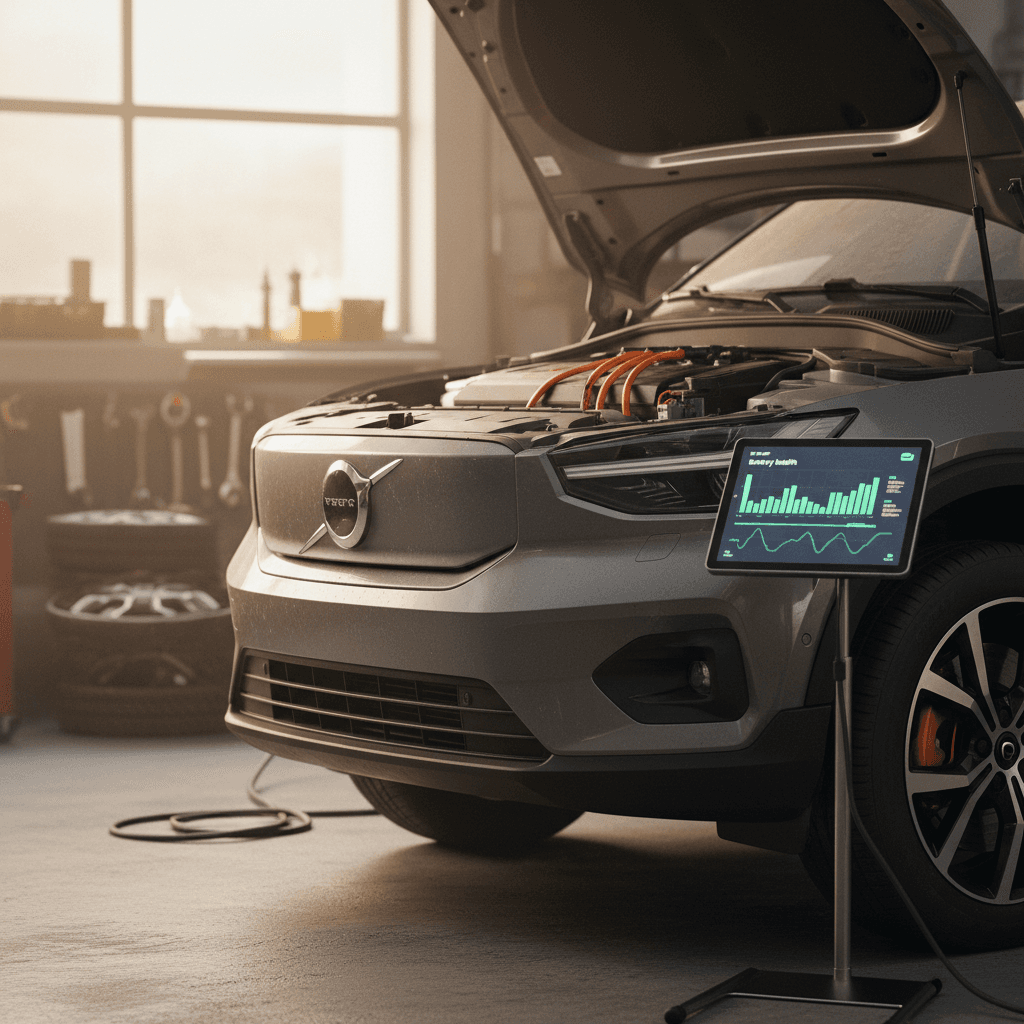
Credit: recharged.com
Volvo Xc40 Years Worth Considering
Although this article focuses on years to avoid, you may wonder which years are safer bets. Generally, 2022 and newer XC40s with updated software and hybrid systems have fewer complaints. But always check for the specific trim and any recalls.
If you want the least hassle, consider a lightly used 2023 or 2024 B4 or B5 mild hybrid, or a Recharge model with a full battery health report. These have the newest safety features, improved materials, and the fewest known faults.
For more detailed stats and owner reviews, see the official Volvo XC40 Wikipedia page.
Frequently Asked Questions
What Is The Most Reliable Volvo Xc40 Year?
The most reliable XC40 years are 2022 and newer, especially mild hybrid and electric trims. These have fewer recalls, improved software, and better owner satisfaction.
How Can I Check For Recalls On A Used Xc40?
You can search for recalls using the car’s VIN on the NHTSA website or ask a Volvo dealer to check their records. Make sure all recalls are fixed before buying.
Are Electric Xc40 Recharge Models Worth Buying?
Recharge models are eco-friendly and offer good performance, but they can have battery management issues and charging port faults. Check battery health and software updates before purchase.
What Is The Average Repair Cost For Common Xc40 Issues?
Typical repair costs for major faults include $2,800 for transmission repairs, $900 for infotainment fixes, and $1,200 for sunroof leaks. Electric models may cost more for battery-related problems.
Should I Avoid Fleet Or Rental Xc40s?
Yes, fleet or rental XC40s often receive heavy use and may lack software updates. They’re more likely to have wear-and-tear problems and are best avoided unless you can confirm regular maintenance.
Choosing the right Volvo XC40 means understanding the history of each model and trim. By knowing which years to avoid and why, you’ll protect your investment and enjoy a safer, smoother driving experience. Every XC40 has its strengths, but careful research and inspection are the keys to satisfaction.
If you’re unsure, ask an independent mechanic for a pre-purchase inspection focused on common XC40 problems. This extra step can save you thousands and help you find an XC40 you’ll love for years.
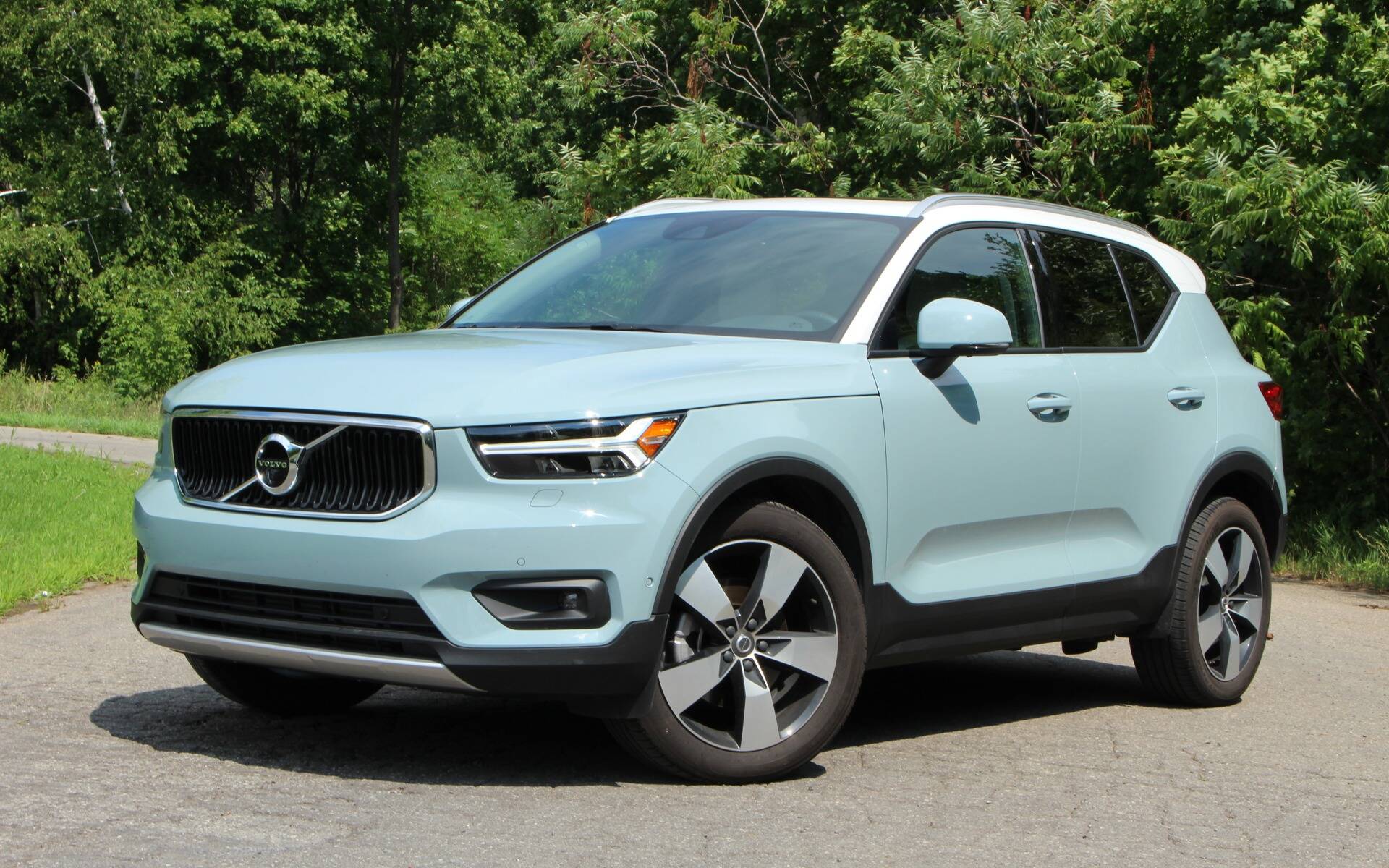
Credit: www.guideautoweb.com