

If you own a General Motors (GM) vehicle or are thinking of buying one, you might come across the term 4L60E transmission. This automatic transmission, used widely in Chevy, GMC, Cadillac, and other GM vehicles from the 1990s through the 2000s, has a reputation that’s a mix of reliability and trouble. But here’s something many people miss: not all 4L60E transmissions are created equal, and choosing the wrong “interchange year” can lead to expensive headaches. If you’re planning a swap or need a replacement, knowing which 4L60E interchange years to avoid is crucial. In this guide, you’ll discover how to spot the problem years, why certain models don’t mix, and how to make a confident, cost-effective choice for your GM vehicle.
What Is The 4l60e Transmission?
The 4L60E is a four-speed automatic transmission with electronic controls, introduced by GM in 1993. It replaced the older 700R4 (which was mechanically controlled) and became the go-to transmission for rear-wheel-drive cars, trucks, and SUVs. “4L60E” stands for:
- 4 = Four forward gears
- L = Longitudinal (for rear-wheel drive)
- 60 = Strength rating (6000 lbs gross vehicle weight)
- E = Electronically controlled
GM used the 4L60E in many vehicles, including Chevrolet Silverado, Tahoe, Blazer, S-10, GMC Sierra, Suburban, Envoy, and even the Pontiac Firebird and Camaro.
Why Interchange Years Matter
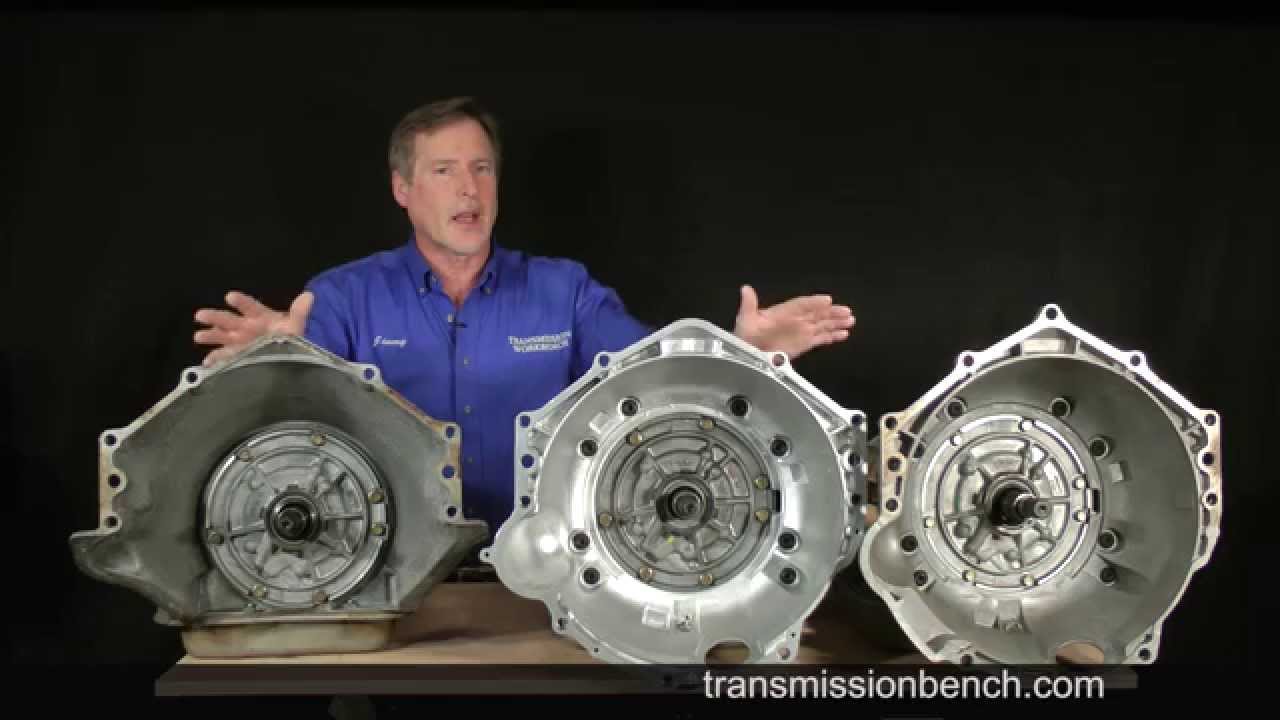
Swapping a 4L60E isn’t as simple as matching the model name and year. GM made several changes to the transmission over its life, including:
- Electronics: Different sensors and wiring harnesses
- Case size and bolt patterns
- Input/output shaft differences
- Valve body changes
A mismatch can lead to no shifting, transmission slipping, or even complete failure. Using the wrong year can also trigger “check engine” lights and diagnostic trouble codes.
Credit: www.youtube.com
Key 4l60e Changes By Year
To make a smart swap, you need to understand the changes GM made to the 4L60E. These changes affect interchangeability.
Major Evolution Points
- 1993: First year of 4L60E, replacing the 700R4.
- 1995: Full OBD I to OBD II electronics change.
- 1996: Full OBD II (On-Board Diagnostics II) implementation.
- 1998: Major internal and external changes.
- 1999: New style for LS-based engines.
- 2001: Further updates for newer vehicles.
Let’s look at how these changes affect swaps:
| Year Range | Main Differences | Swap Compatibility |
|---|---|---|
| 1993-1994 | Early electronics, unique wiring | Only swap with same years |
| 1995 | First “one-year-only” case and plug | Best with 1995 only |
| 1996-1997 | OBD II, updated sensors | Interchange within these years |
| 1998-2000 | New case, internal changes | Interchange within these years |
| 2001-2006 | LS engine compatibility, input shaft change | Interchange within these years |
4l60e Years To Avoid For Swaps
Several years of the 4L60E are notorious “problem years” or are so unique that it’s almost impossible to use them in a swap without major modifications. Here are the most important years to avoid when considering a 4L60E swap:
1. 1995: The “oddball” Year
The 1995 4L60E is famous in the auto world for being a “one-year-only” design. It has a unique case, wiring, and valve body. Many mechanics call it the “orphan year” because it’s not compatible with earlier (1993-94) or later (1996+) models without custom adapters or rewiring.
Why avoid 1995 for swaps?
- The main wiring harness is unique.
- The neutral safety switch is different.
- The valve body and solenoids are not the same as other years.
- Most aftermarket parts and shift kits don’t fit this year.
If you try to swap a 1995 unit into a different year, you may face no-start issues, gear selection problems, and even complete transmission failure.
2. Early 1993–1994: Not Swap-friendly
The first two years of 4L60E (1993 and 1994) were transition years from the mechanical 700R4. Their electronics and case design are different from later models.
Why are 1993–1994 tricky?
- No OBD II support (hard to diagnose).
- Unique wiring and computer controls.
- Limited parts interchangeability.
- Hard to find replacement or upgrade parts.
If your vehicle is not a 1993 or 1994 model, avoid these transmissions.
3. 1998: The Hidden Breakpoint
1998 4L60Es look similar to 1996–97, but GM made several changes inside the transmission case, including updates to the bellhousing, torque converter, and output shaft. These changes make 1998 a “break point. ”
Why is 1998 risky for swaps?
- Some parts interchange with 1996–97, some with 1999+.
- The bellhousing and sensors may not match other years.
- Swapping a 1998 into another year can cause shifting problems.
If you don’t have a 1998 donor and recipient, avoid this year.
4. 1999–2000: The Ls Engine Years
GM introduced a new style of 4L60E for the LS-series V8 engines. These transmissions have a different input shaft, torque converter, and bellhousing bolt pattern. Trying to swap these into a non-LS vehicle, or vice versa, usually fails.
What’s the issue with 1999–2000?
- LS engines use a unique transmission pattern.
- The input shaft and torque converter don’t match older engines.
- Electronics are not cross-compatible.
Unless your vehicle has an LS engine, avoid swapping in a 1999–2000 4L60E.
5. 2001–2006: Late Model Differences
The 2001–2006 4L60E units have the most advanced electronics and are built for the newest GM vehicles. They use different sensors, internal wiring, and in some cases, a different output shaft.
Why are 2001–2006 hard to swap?
- Advanced computer controls require matching computers.
- Output shaft length varies by vehicle type.
- Incorrect swaps can cause “limp mode” and shifting errors.
If your vehicle is older than 2001, don’t use these newer 4L60Es.
Common Problems With “bad” 4l60e Years
Some 4L60E years are not just hard to swap—they’re unreliable. Even if you find a “compatible” model, some years are known for early failures and costly repairs. Here’s what to watch for:
- Sun shell failures (especially 1995–2000)
- Weak 3-4 clutch packs
- Valve body cracking
- Electronic failures and solenoid problems
- Poor cooling and overheating
If you’re buying a used 4L60E, always check the service history. Rebuilt transmissions can fix many of these problems, but original units from “bad” years are risky.
| Problem Year(s) | Common Issues | Repair Cost Estimate |
|---|---|---|
| 1995-1997 | Sun shell failure, valve body issues | $1,000–$2,200 |
| 1998–2000 | 3-4 clutch wear, solenoid failure | $1,200–$2,500 |
| 2001–2003 | Overheating, electronics failure | $1,300–$2,700 |
How To Identify Your 4l60e Transmission Year
Before you swap or buy a 4L60E, you must find out exactly which year you have. Here’s how:
- Check the Vehicle Identification Number (VIN): The 8th digit can help confirm the engine (which matches the transmission).
- Look for the Transmission Tag: This metal tag (on the passenger side) shows a code with the year.
- Read the Case Casting Numbers: These are stamped into the case and tell you the manufacturing date.
- Compare Electrical Connectors: Older models use fewer pins; newer ones have more (especially after 1996).
- Check the Bellhousing Bolt Pattern: LS engines have a unique pattern.
If you’re unsure, ask a trusted transmission shop or use an online decoder.
Swapping Tips: What Actually Works
If you want a smooth swap, follow these real-world tips:
- Match the year range exactly. For example, a 1996 transmission works best with 1996–1997 vehicles.
- Check engine compatibility. LS engines need LS-style 4L60Es.
- Bring over wiring harnesses and computers if possible.
- Avoid “one-off” years like 1995 and 1998.
- Upgrade old units with new “hardened” parts if rebuilding.
Pro tip: Some shops can “hybridize” units (mixing cases and internals), but this is for advanced builders only.
What Years Are Safe To Swap?
If you want to avoid trouble, here are the main “safe” 4L60E interchange groups:
| Year Range | Best Vehicles | Notes |
|---|---|---|
| 1996–1997 | Silverado, Tahoe, Blazer, S-10, others | OBD II; match wiring |
| 1998–2000 | Full-size trucks, SUVs | Internal updates; match only within group |
| 2001–2006 | LS engine trucks/SUVs | Match engine and electronics exactly |
Always double-check the bellhousing, wiring, and sensors before swapping.

Credit: www.ebay.com
Non-obvious Insights Most Beginners Miss
- Not all 4L60Es are “plug and play.” Even within the same year group, small differences (like sensor connectors or tail shaft length) can make a swap fail. Always compare the unit side-by-side before installing.
- “Rebuilt” does not mean upgraded. Many rebuilt transmissions still use weak original parts. If you’re buying a rebuilt or used unit, ask for proof of upgrades like a new sun shell, “beast” shell, or improved clutch packs. These upgrades can double the lifespan of your transmission.
- LS compatibility is critical. Many people try to use a 4L60E from a non-LS engine in an LS vehicle (or vice versa). This almost never works without an expensive adapter or modification. Always match the engine family.
- Transmission computers matter as much as hardware. If you change the transmission, you may also need to reprogram or swap the transmission control module (TCM) or engine control module (ECM) for the new unit to work correctly.
- Don’t trust junkyard “compatibility” charts. Many salvage yards use broad compatibility ranges that ignore critical details like wiring or electronics. Always verify with a transmission specialist.
Signs Of A Failing 4l60e Transmission
If you’re driving a GM vehicle with a 4L60E and suspect trouble, watch for these warning signs:
- Hard or delayed shifting
- Slipping between gears
- No reverse or only 2nd gear
- Transmission fluid leaks (red fluid under car)
- Check engine light with transmission codes (P0700, P0753, etc.)
- Burning smell from transmission area
If you notice these problems, get the transmission checked before swapping or buying another unit.
Real-world Examples: Costly 4l60e Mistakes
Example 1: The 1995 Switcheroo
A Chevy Silverado owner tried to swap a 1995 4L60E into a 1997 truck. After installation, the truck wouldn’t shift properly and sometimes wouldn’t start. The mechanic discovered the wiring harness and computer didn’t match, and the valve body was different.
The owner ended up buying the correct year transmission and paying double for labor.
Example 2: Ls Engine Mix-up
A customer with a 2002 Silverado (LS engine) bought a used 4L60E from a 1997 Suburban. The bolt pattern didn’t fit, and even with an adapter, the transmission wouldn’t shift because the electronics were incompatible. The repair shop had to source the correct LS-style transmission, costing the customer extra time and money.
Example 3: Junkyard Compatibility Disaster
A DIYer trusted a salvage yard’s chart and bought a 2000 4L60E for his 1996 Blazer. The transmission bolted up, but after a few days, the “check engine” light appeared, and the truck went into “limp mode. ” Diagnostics showed mismatched solenoids and sensors.
In the end, the “bargain” transmission cost more than a rebuilt unit.
Best Practices For Buying A Used Or Rebuilt 4l60e
- Always verify the year and compatibility. Ask for the transmission tag, VIN, or casting number.
- Request rebuild documentation. Good rebuilds include upgraded sun shell, improved clutch packs, and new solenoids.
- Check for warranty. Reputable sellers offer at least 12 months on rebuilt transmissions.
- Inspect fluid condition. Clean, red fluid means a healthier transmission; dark or burnt fluid is a red flag.
- Test before buying if possible. Many shops will “bench test” a used unit.
- Avoid “mystery” transmissions with missing tags or unclear history.
Upgrading Instead Of Swapping: Is It Worth It?
Instead of swapping in another used 4L60E, many owners choose to rebuild and upgrade their existing unit. Popular upgrades include:
- Beast sun shell: Stronger, less likely to fail
- Heavy-duty 3-4 clutch pack: Better for towing and performance
- Improved valve body: Smoother, faster shifts
- High-flow transmission cooler: Prevents overheating
While these upgrades cost more upfront, they can save money long-term, especially if you plan to keep your vehicle.
When To Consider A 4l65e Or 4l70e
GM released 4L65E and 4L70E as stronger versions of the 4L60E for high-performance and heavy-duty vehicles. They have stronger internals and are less prone to common failures. However, they also require matching electronics and sometimes driveshaft modifications. If you need more strength (for towing or racing), these can be good options—but only if you’re ready to do a full compatibility check.

Credit: www.youtube.com
Why So Many Myths About 4l60e Swaps?
The internet is full of conflicting advice about 4L60E swaps. Some say “all 4L60Es are the same,” while others insist every year is unique. The truth is in the middle: there are safe groups for interchanging, but small year-to-year changes can ruin a swap if you’re not careful.
The main reasons for confusion:
- GM’s frequent updates
- Limited aftermarket support for oddball years
- Inaccurate online compatibility lists
Always do your own research and consult a transmission specialist before buying.
Resources For 4l60e Information
To get the most accurate and up-to-date data, consider checking the official GM Parts Catalog, reputable transmission forums, or sites like Summit Racing for parts and fitment details.
Final Thoughts
Choosing the right 4L60E transmission can save you thousands of dollars and prevent months of frustration. The key is to avoid 1995, 1993–1994, 1998, and LS/non-LS mismatches. Always match the transmission to your vehicle’s year, engine, and electronics. When in doubt, ask an expert or buy from a reputable source that guarantees compatibility. If you want the best long-term reliability, consider upgrading weak points during a rebuild instead of swapping in a used unit. With the right approach, your GM truck or SUV can keep running strong for years to come.
Frequently Asked Questions
What Happens If I Use The Wrong 4l60e Year In My Vehicle?
Using the wrong year can cause shifting problems, “check engine” lights, or complete transmission failure. Electronics, wiring, and internal parts must match your vehicle’s year and engine.
Can I Use A 4l60e From A V6 In A V8 Vehicle?
Usually not. V6 and V8 models often have different torque converters, input shafts, and sometimes different gear ratios. Always match the transmission to your engine type for best results.
How Can I Tell If My 4l60e Is An Ls Or Non-ls Version?
Check the bellhousing bolt pattern: LS versions have a unique pattern. Also, look for the transmission tag or ask a transmission expert to verify.
Are Rebuilt 4l60e Transmissions More Reliable Than Used Ones?
Yes, especially if upgraded with better internals. But not all rebuilds are equal—look for units with upgraded sun shells, clutch packs, and a warranty.
Can A 4l65e Or 4l70e Swap Directly For A 4l60e?
Not always. While they are similar, 4L65E and 4L70E have internal differences and may require changes to wiring, computers, or driveshafts. Always check compatibility before swapping.
By following this guide and staying alert to the details, you can avoid the costly mistakes many GM owners make with their 4L60E transmission swaps.