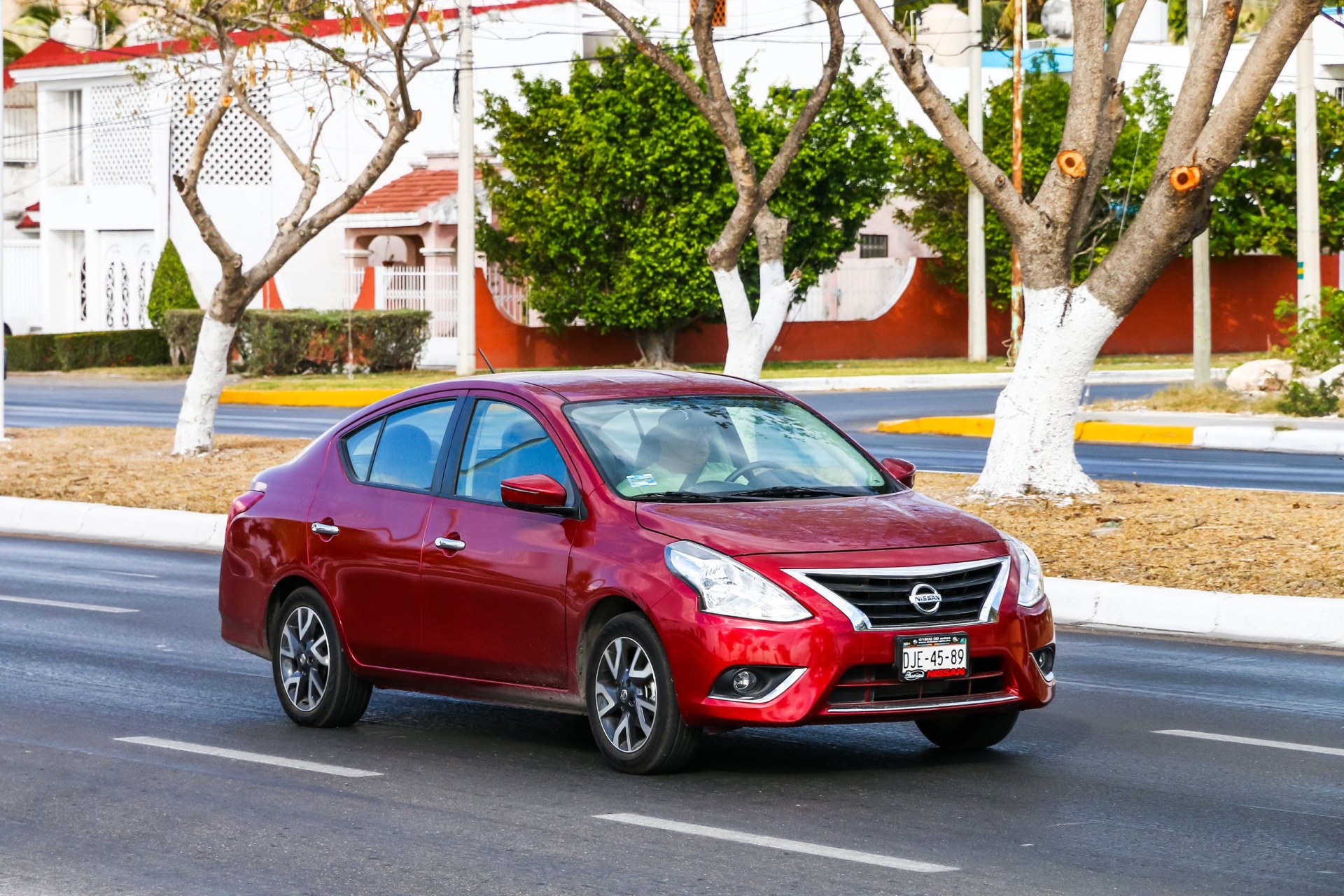
The Nissan Versa is a popular compact car, known for its affordable price, simple design, and fuel efficiency. Many drivers choose the Versa for its low cost of ownership and practical features. However, not every Versa model year is equally reliable.
Some years have been plagued with mechanical problems, transmission failures, or frustrating issues that make them more trouble than they’re worth. If you’re thinking about buying a used Nissan Versa, it’s important to know which model years you should avoid—and why.
Understanding the Versa’s history and the specific years with the most complaints can help you make a smarter choice. This guide breaks down the Nissan Versa years to avoid, explains common problems, and offers tips for picking a better model. You’ll also find real data, owner experiences, and expert insights to help you feel confident about your next car.
How The Nissan Versa Has Changed Over The Years
The Nissan Versa entered the US market in 2007, quickly gaining attention for its low price and roomy interior. The first generation (2007–2011) established the Versa as a reliable budget option. The second generation (2012–2019) continued the formula, but some years experienced notable quality issues, especially with the introduction of new transmissions and cost-cutting measures.
The third generation (2020–present) brought a new design and more tech features, aiming to fix past mistakes.
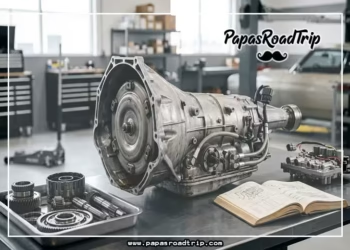
As Nissan updated the Versa, they sometimes introduced new technology or changed suppliers. While these changes were supposed to improve the car, they sometimes created unexpected problems. For example, the continuously variable transmission (CVT), added in many recent models, became a major source of complaints.
Nissan Versa Years To Avoid: The Main Offenders
Not every Nissan Versa is a bad purchase, but certain years have earned a reputation for being unreliable. Based on owner reports, recalls, and expert reviews, the following years stand out as ones you should consider avoiding:
- 2007 Nissan Versa
- 2009 Nissan Versa
- 2012 Nissan Versa
- 2014 Nissan Versa
- 2015 Nissan Versa
- 2017 Nissan Versa
Let’s look at each year and see why they’re problematic.
2007 Nissan Versa
The first year for any new model often comes with teething problems, and the 2007 Versa is no exception. Owners commonly report:
- Transmission issues, especially with early CVTs
- Airbag sensor failures
- Suspension and steering problems
- Premature rust, especially in cold or wet climates
While some problems were fixed under warranty, others required expensive repairs. The 2007 Versa was also subject to several recalls, including one for front coil spring corrosion that could cause the spring to break and puncture a tire.
2009 Nissan Versa
2009 seemed like a safe year, but many owners faced steering system failures and airbag wiring problems. These issues could lead to warning lights staying on, or worse, airbags not deploying in a crash.
Other common problems include:
- Faulty fuel pumps causing stalling
- Transmission slips and jerks
- Water leaks into the cabin
Some of these issues were widespread, leading to class action lawsuits and a high number of National Highway Traffic Safety Administration (NHTSA) complaints.
2012 Nissan Versa
The 2012 model year is one of the worst offenders. This was the first year of the second generation, and Nissan made many changes—including a new CVT.
Key problems:
- CVT transmission failures often before 60,000 miles
- Hesitation or jerking during acceleration
- Airbag warning lights and sensor failures
- Faulty suspension components
Repairing or replacing the CVT can cost between $3,500 and $4,500, which is often more than the car is worth. Many owners report the car became unreliable after just a few years.
2014 Nissan Versa
Nissan tried to fix earlier problems, but 2014 models still suffered from:
- CVT failures, sometimes at very low mileage
- Poor build quality, with rattles and loose interior trim
- Electrical issues (power windows and locks stop working)
- Engine stalling
The 2014 Versa was also criticized for weak crash test ratings, making it a less safe choice for families.
2015 Nissan Versa
The 2015 Versa continued to have transmission problems, though some improvements were made. Owners frequently mention:
- Delayed acceleration or total loss of power
- Transmission shudder or vibration
- Poor fuel economy compared to earlier years
- Air conditioning system failures
While not the worst year, the risk of expensive repairs is still high.
2017 Nissan Versa
By 2017, Nissan had made some refinements, but CVT issues remained. This year also saw:
- Premature brake wear
- Steering system noise and occasional loss of power assist
- Faulty sensors for tire pressure and airbags
- Paint quality issues (clear coat peeling)
It’s important to note that not every 2017 Versa will have problems, but the repair costs for these issues can quickly add up.
Credit: www.fixdapp.com
Why These Years Are Problematic
There are several reasons why these specific Nissan Versa years have more complaints:
- First-year redesigns often come with more bugs (2012, 2007)
- Cost-cutting measures sometimes lead to cheaper, less reliable parts
- The CVT transmission, while fuel-efficient, is prone to early failure
- Electronics and safety features were sometimes poorly integrated
A common insight most buyers miss: Even if a car has few complaints in the first year or two, some problems only become obvious after 60,000–80,000 miles. For the Versa, many transmission and electrical issues appear after the warranty expires, leaving owners with expensive repairs.
What Makes The Cvt Transmission A Weak Point?
The continuously variable transmission (CVT) is designed to improve fuel economy and provide smooth acceleration. However, Nissan’s early CVTs, especially in the Versa, have been a frequent source of trouble.
Common Cvt Problems In The Versa
- Slipping or delayed engagement when shifting from park to drive
- Jerky or rough acceleration
- Loud whining noise at higher speeds
- Transmission overheating, causing the car to enter “limp mode”
- Complete failure, requiring a full replacement
CVTs are more complex than traditional automatic transmissions. Regular maintenance is crucial, but even with good care, these units often fail earlier than expected.
Cost To Repair Or Replace A Cvt
Replacing a failed CVT can cost between $3,500 and $4,500 at a dealership. Used transmissions are cheaper, but come with no guarantee. Some mechanics refuse to rebuild Nissan CVTs due to the high risk of future failure.
Real-world Example
A 2012 Versa owner reported the CVT failed at 72,000 miles, just after the warranty ended. The repair cost was more than the resale value of the car, forcing the owner to sell it for parts.
Comparing Problem Years Vs. More Reliable Years
To help you see the difference, here’s a comparison of key complaints and average repair costs for some Versa years:
| Year | Main Complaints | Avg. Repair Cost | Owner Satisfaction |
|---|---|---|---|
| 2012 | CVT failure, airbag lights, suspension | $2,800 | 2/5 |
| 2014 | CVT issues, electrical faults | $2,500 | 2.5/5 |
| 2017 | Brakes, steering, sensors | $1,500 | 3/5 |
| 2019 | Minor recalls, paint quality | $600 | 4/5 |
Notice how later years show fewer severe problems and lower costs.
Signs A Nissan Versa Has Transmission Problems
If you’re looking at a used Versa, it’s smart to check for warning signs before buying. Here’s what to watch for:
- Delayed acceleration or hesitation when starting from a stop
- Unusual noises (whining, grinding, or clunking) during driving
- Shuddering or shaking as you accelerate
- The check engine light or transmission warning light is on
- Burning smell (indicates overheating or slipping transmission)
Always test drive the car and pay attention to how it shifts. If the owner says, “That’s normal for a CVT,” be cautious—it’s often a sign of a problem.
Recalls And Safety Issues: What You Need To Know
The Nissan Versa has been recalled for several safety-related issues over the years. Some of the most serious include:
- Airbag inflator recalls (risk of airbags not deploying or deploying with too much force)
- Front coil spring corrosion (can break and damage tires)
- Fuel pump failures (can cause stalling)
You can check if a specific Versa is under recall by using the NHTSA VIN lookup tool.
Major Versa Recalls By Year
| Year | Major Recalls | Safety Risk | Affected Units |
|---|---|---|---|
| 2007 | Coil spring, airbags | Tire puncture, airbag failure | ~100,000 |
| 2009 | Airbag wiring, fuel pump | Stalling, airbag non-deploy | ~80,000 |
| 2012 | CVT, airbags, suspension | Loss of power, crash risk | ~75,000 |
| 2014 | Electrical, airbags | Fire, airbag failure | ~65,000 |
Nissan Versa Years That Are More Reliable
Not all Versa models are problematic. Some years stand out for their reliability and low cost of ownership. If you’re set on a Versa, consider these years instead:
- 2011 Nissan Versa: Last year of the first generation; fewer CVT problems and generally reliable.
- 2016 Nissan Versa: Improved transmission and better build quality.
- 2019 Nissan Versa: Most issues resolved; good safety ratings and modern features.
- 2020–present Nissan Versa: New generation, better tech, and improved reliability (though long-term data is still limited).
What To Look For When Buying A Used Nissan Versa
If you’re shopping for a used Versa, these tips can help you avoid a costly mistake:
- Service records: Ask for maintenance history. A well-documented car is less risky.
- Recall status: Check if all recalls have been completed.
- Transmission test: Drive the car at different speeds and listen for odd noises.
- Inspection by a mechanic: Always get an independent pre-purchase inspection.
- Check for leaks: Look under the car after the test drive for any signs of fluid leaks.
An often-missed tip: Check the transmission fluid color. It should be pinkish or red, not brown or burnt. Dark fluid is a sign of neglect or internal wear.
Common Owner Mistakes When Buying A Used Versa
Buying a used Versa can be a bargain, but avoid these mistakes:
- Ignoring recall history: Some sellers never fix recalls, thinking buyers won’t notice.
- Not budgeting for repairs: A cheap price now can mean big bills later, especially for transmission work.
- Skipping the test drive: Some problems only show up under real driving conditions.
- Trusting “as-is” sales: If a dealer won’t provide a warranty, there’s usually a reason.

Credit: www.fixdapp.com
How The Versa Compares To Competitors
The subcompact car market is crowded, with strong choices from Honda, Toyota, and Hyundai. How does the Versa stack up, especially in its problem years?
| Model | Known Issues | Avg. Repair Cost | Reliability Rating |
|---|---|---|---|
| Nissan Versa (2012–2015) | CVT, airbags, suspension | $2,600 | 2/5 |
| Toyota Yaris | Minor electrical | $800 | 4.5/5 |
| Honda Fit | Starter, minor transmission | $950 | 4/5 |
| Hyundai Accent | Paint, engine sensors | $1,200 | 3.5/5 |
The main lesson: For the same price, you can often get a used Toyota Yaris or Honda Fit with fewer problems and lower repair costs.
Non-obvious Insights Most Buyers Miss
- Transmission warranty extensions: Some Nissan Versas received extended warranties for the CVT, but only for the first owner or when serviced at a Nissan dealer. If you’re the second or third owner, the extra coverage may not apply.
- Rust-prone areas: The Versa is especially vulnerable to rust in the rear wheel wells and underbody. This is a bigger issue in snowy regions where salt is used on roads. Rust can lead to safety issues and costly repairs.
- Insurance costs: Because of its high rate of claims for airbag and transmission issues, insuring certain Versa years can be more expensive than you expect, even though the car itself is cheap.
Expert Opinions On Nissan Versa Reliability
Many automotive experts and publications have reviewed the Nissan Versa over the years. For example, Consumer Reports and J.D. Power have consistently rated the Versa’s 2012–2015 models below average for reliability, mainly due to transmission and electrical problems.
The Insurance Institute for Highway Safety (IIHS) also downgraded some Versa years for poor crash test results, especially in side-impact and small overlap tests.
For more details, you can visit the IIHS official site.
What If You Already Own A Problem Year Versa?
If you already own a Nissan Versa from a trouble-prone year, you still have options:
- Keep up with regular maintenance, especially transmission fluid changes
- Respond to all recall notices quickly
- Watch for early signs of transmission or electrical problems
- If the CVT fails, consider a used or remanufactured unit instead of new
- If repair costs exceed the car’s value, selling or trading in may be smarter
Some owners have had luck with transmission fluid changes every 30,000 miles, even though Nissan often says it’s “lifetime. ” This can sometimes extend the life of the CVT.

Credit: www.copilotsearch.com
Should You Ever Buy A Nissan Versa From A Problem Year?
There are situations where a Versa from a “bad” year might still make sense:
- The car has very low mileage and full service records
- Price is much lower than similar cars, and you’re comfortable with the risk
- You’re mechanically skilled and can do repairs yourself
However, for most buyers, the risk and likely repair costs outweigh the savings.
Final Thoughts: How To Avoid A Lemon
The Nissan Versa can be a smart, budget-friendly car, but only if you avoid the years with the most serious problems. Stay clear of the 2007, 2009, 2012, 2014, 2015, and 2017 models unless you have proof of good maintenance and completed recalls. The most common trouble comes from the CVT transmission and electrical systems, which are expensive to fix.
If you want a hassle-free ownership experience, look for a 2011, 2016, or 2019 Versa, or explore alternatives like the Honda Fit or Toyota Yaris. Always get a pre-purchase inspection and check the car’s history before buying. A few extra steps now can save you thousands later.
Frequently Asked Questions
What Is The Worst Year For The Nissan Versa?
The 2012 Nissan Versa is widely considered the worst year due to high rates of CVT transmission failures, airbag problems, and suspension issues. Repair costs can exceed the car’s value, making it a risky choice.
Is The Nissan Versa A Reliable Car Overall?
The Nissan Versa is reliable in some years, especially 2011, 2016, and 2019. However, models from 2007, 2012, 2014, and 2015 have many reported problems. Always check the specific year before buying.
How Long Does A Nissan Versa Transmission Last?
A well-maintained Versa transmission can last 80,000 to 120,000 miles, but many CVTs fail earlier, sometimes before 60,000 miles. Regular fluid changes and gentle driving can help extend its life.
Are Repairs Expensive For The Nissan Versa?
Some repairs, especially for the CVT transmission, are expensive—often $3,500 or more. Other repairs (brakes, suspension, sensors) are less costly, but frequent problems can add up quickly.
What Are The Best Alternatives To A Used Nissan Versa?
The Toyota Yaris and Honda Fit are strong alternatives, known for better reliability and lower repair costs. The Hyundai Accent is also a good budget option with fewer transmission issues.
If you’re careful with your search, avoid high-risk years, and check the car’s history, you can find a Nissan Versa that’s both affordable and dependable.