

Thinking about buying a used car but worried about a Carfax report showing an accident with no damage? You’re not alone.
Seeing “accident reported” can set off alarm bells, but it doesn’t always mean the car is unsafe or worthless. In fact, many vehicles come back from minor fender-benders looking and running like new. What really matters is understanding the details behind that report and knowing what to check before you say yes to the deal.
Keep reading, and you’ll learn how to spot the difference between a harmless accident and a hidden risk—so you can make a smart, confident choice for your next car.
Credit: www.reddit.com
Carfax Reports And Accidents
Carfax reports play a key role in revealing a vehicle’s history. They help buyers learn about past accidents, repairs, and ownership. However, not all accidents listed mean serious damage. Sometimes, reports show an accident with no damage. Understanding how Carfax records these events is important. It helps buyers make smarter choices when considering used cars.
How Carfax Records Accidents
Carfax collects data from various sources like insurance companies, repair shops, and law enforcement. When a vehicle is involved in an accident, the details get reported to these agencies. If damage is found or a claim is made, Carfax logs the accident on its report. Sometimes, an accident is reported even if there was no visible damage. This can happen if the vehicle was checked by a professional or a claim was filed without repairs.
Limitations Of Carfax Reports
Carfax reports do not catch every accident. Minor crashes or incidents without insurance claims may not appear. Some damage can go unreported if the owner pays out of pocket or skips repairs. Also, a “no damage” note does not guarantee the car is perfect. Hidden issues might exist. Always combine Carfax data with a physical inspection and mechanic’s check. This approach gives a clearer picture of the vehicle’s true condition.
Credit: www.chevybolt.org
Minor Vs Severe Accident Damage
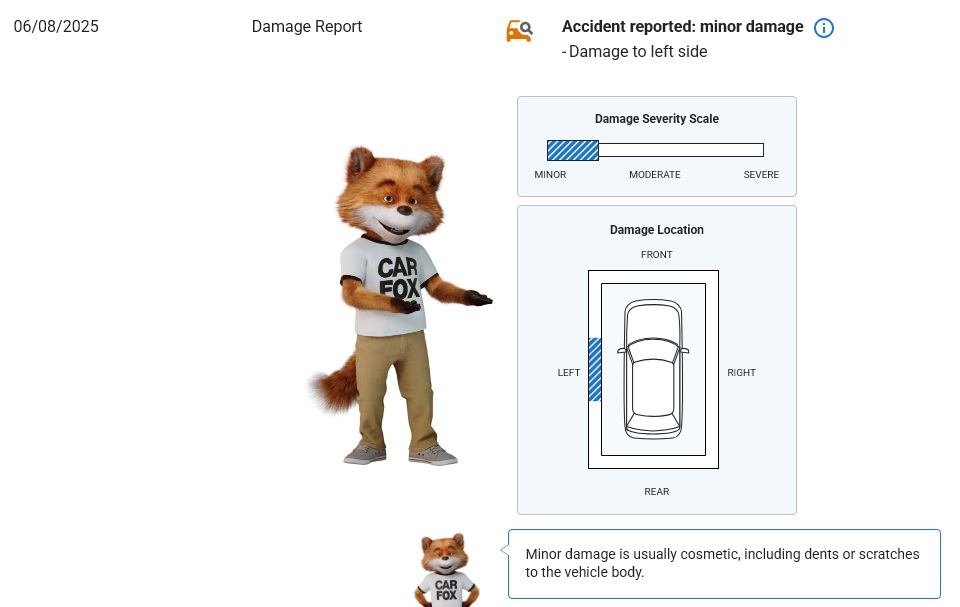
Understanding the difference between minor and severe accident damage is crucial. Minor damage usually affects only the car’s outer appearance. It does not impact the vehicle’s safety or performance. Severe damage often involves the car’s frame or internal parts. This kind can compromise safety and lower the car’s value significantly.
Carfax reports may show an accident with no damage reported. This often means only cosmetic issues were found or repaired. Knowing how to spot the type of damage helps buyers make smart decisions.
Identifying Cosmetic Damage
Cosmetic damage includes scratches, dents, and small paint chips. These damages are mainly surface level and do not affect the car’s function. They can be fixed easily with simple repairs. Look for mismatched paint or slight dents on doors and bumpers. These signs usually point to minor accidents that don’t impact safety.
Carfax reports may list an accident but show no structural damage. This often means the damage was purely cosmetic and repaired well. Cosmetic issues rarely lower a car’s reliability or performance.
Signs Of Structural Damage
Structural damage affects the car’s frame or important parts like the engine bay. It can cause safety risks and reduce the vehicle’s lifespan. Look for uneven gaps between panels or doors that don’t close properly. Warped frames or bent parts often mean serious damage.
Other signs include dashboard warning lights, strange noises, or poor alignment during a test drive. These suggest hidden damage that Carfax might not fully reveal. Structural damage needs professional inspection before buying.
Evaluating Repair Quality
Evaluating repair quality is crucial when dealing with a Carfax accident report showing no damage. Even if the report says no damage, the vehicle might have undergone repairs. Assessing these repairs helps ensure safety and maintains the car’s value. Poor repairs can lead to future problems and costly fixes. Understanding what to expect from professional repairs and spotting signs of poor work protects your investment.
Professional Repairs To Trust
Professional repairs use the right tools and parts. Qualified mechanics follow manufacturer guidelines strictly. They replace damaged parts with genuine components. Paint jobs match the original color exactly. Body panels align perfectly without gaps or unevenness. These repairs restore the vehicle’s strength and appearance. A trusted repair shop provides documentation of the work done. This proof adds confidence in the car’s condition.
Common Indicators Of Poor Repairs
Poor repairs often show visible flaws. Look for uneven paint or color mismatches. Misaligned doors, trunk, or hood are warning signs. Loose or rattling parts suggest weak repairs. Check for unusual noises during a test drive. Rust or corrosion near repaired areas is a red flag. Bad repairs can hide structural issues affecting safety. Always trust a professional inspection to uncover these problems.
Risks Of Buying Accident-reported Cars
Buying a car with an accident reported on Carfax can be risky. The report might say “No Damage,” but problems may still exist. Minor accidents often hide issues that affect the car’s value and safety. Understanding these risks helps buyers make smarter choices.
Hidden Damage Concerns
Accident reports sometimes miss small but important damage. Frame or structural issues may not be visible at first glance. These hidden problems can weaken the car’s body. Over time, this leads to costly repairs and safety risks. Paint mismatches or uneven gaps may signal poor repairs. A trusted mechanic’s inspection can uncover these hidden flaws.
Potential Impact On Insurance
Accident history affects insurance premiums and coverage. Even if damage was minor, insurance companies may charge higher rates. Some insurers may refuse coverage or limit claims. Reporting an accident helps avoid surprises later. Buyers should verify insurance terms before purchase. This protects against unexpected costs after buying the car.
Essential Pre-purchase Checks
Before buying a car with a Carfax accident report showing no damage, perform essential pre-purchase checks. These steps help confirm the car’s condition and safety. A careful review reduces the risk of unexpected issues.
Reading The Carfax Accident Details
Look closely at the accident description in the Carfax report. Check the date, location, and type of accident. Note if the damage was minor or if repairs were made. This helps understand the car’s history and any potential risks.
Scheduling A Pre-purchase Inspection
Arrange a professional inspection with a trusted mechanic. The mechanic will check for hidden damage not visible on the Carfax report. They assess the car’s structure, safety systems, and mechanical parts. This step ensures the car is in good condition before buying.
Conducting A Thorough Test Drive
Drive the car on different road types and speeds. Listen for unusual sounds from the engine or brakes. Feel for vibrations or pulling on the steering wheel. These signs may indicate past accident repairs that affect performance. A test drive reveals how the car handles in real conditions.
When To Consider Buying
Buying a car with a Carfax accident report showing no damage can be smart. It means the accident was minor or the damage was fixed well. This kind of car may still be safe and reliable.
Careful checking is needed before buying. Knowing what to look for helps you avoid problems later. The key is understanding the accident’s impact and repair quality.
Minor Damage With Full Disclosure
Buy only if the damage was small and clearly shown in the report. Minor scratches or dents that do not affect the car’s function are okay. The seller should share all repair details and parts replaced. Full disclosure builds trust and helps you decide.
Mechanic’s Approval And Safety Confirmation
Have a trusted mechanic inspect the car before buying. They check for hidden damage that Carfax might miss. The mechanic confirms the car’s frame and safety systems are intact. Approval from a professional means the car is safe to drive.
When To Walk Away
Deciding whether to buy a car with a Carfax accident report showing no damage can be tricky. Sometimes, reports list accidents that caused no visible harm. Still, caution is necessary. Knowing when to walk away protects you from costly repairs and safety risks. Below are key signs that mean you should avoid the vehicle, even if the report says no damage.
Severe Damage And Frame Issues
Severe damage often hides beneath the surface. Frame damage weakens the car’s structure. It affects safety and handling. Even if the report shows no damage, a close inspection can reveal serious problems. Frame repairs are costly and may never restore the car’s original strength. Avoid cars with any sign of frame issues. Such damage lowers resale value and puts you at risk on the road.
Unreported Or Hidden Accidents
Carfax reports depend on data from insurance and repair shops. Not all accidents are reported. Some minor crashes go unrecorded. These hidden accidents may cause unseen damage. Rust, leaks, or poor repairs often surface later. A clean report does not guarantee a clean car. Always have an expert inspect the vehicle. Hidden damage can lead to expensive repairs and lower safety.
Credit: www.carfax.com
Frequently Asked Questions
Should I Buy A Car With An Accident Reported On Carfax?
Buy a car with a reported accident only if damage was minor, repairs were professional, and a trusted mechanic confirms safety. Avoid cars with severe or structural damage. Always get a pre-purchase inspection to check for hidden issues beyond the Carfax report.
Should I Buy A Car With An Accident Reported But No Damage?
Buying a car with a reported accident but no damage is possible if repairs were professional and a trusted mechanic verifies safety. Always get a thorough pre-purchase inspection to confirm no hidden issues exist. Avoid cars with structural, frame, or severe damage for your safety and value.
Is It Considered An Accident If There Is No Damage?
Yes, an event counts as an accident even without visible damage. Reports focus on the incident, not damage severity.
What Does “damage Reported” Mean On Carfax?
“Damage reported” on Carfax means the vehicle has a recorded incident involving physical harm. It includes minor to severe damage noted in police or insurance reports. This helps buyers assess the car’s history and potential repair needs before purchasing.
What Does “accident Reported No Damage” On Carfax Mean?
It means an accident was recorded, but no visible damage was reported to Carfax.
Conclusion
A Carfax report showing an accident with no damage does not always mean trouble. Minor accidents with proper repairs often do not affect a car’s safety or value. Always check the report details carefully. Have a trusted mechanic inspect the vehicle before buying.
Test drive the car and watch for unusual signs. This helps spot hidden problems not shown on reports. Being cautious protects your investment and peace of mind. A smart buyer uses reports as one of many tools. Take your time and choose a car that feels right to you.