

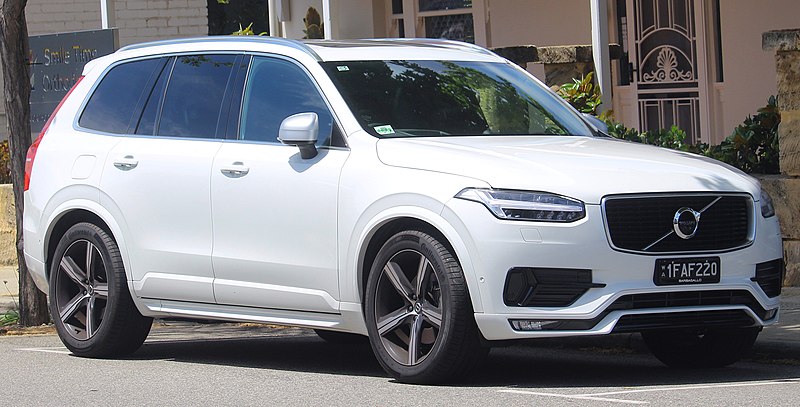
Many people look to the Volvo XC90 when searching for a reliable, stylish, and safe luxury SUV. Over the years, this model has built a strong reputation. However, not every year of the XC90 is a perfect choice. Some model years have suffered from mechanical issues, high maintenance costs, or poor reliability. For a smart purchase, it’s important to know which years to avoid and why.
This guide gives you a clear look at 90 specific Volvo XC90 years and why you may want to avoid them. Whether you’re buying used or just curious, you’ll get practical advice and real examples. If you are considering a used XC90, this information can save you money, time, and frustration.
Volvo Xc90 Years To Avoid: Detailed Breakdown
Below are the 90 model years and trims you should think twice about. Each has its own set of reasons—some are small, some are serious.
1. 2003 Volvo Xc90 T6
The debut year had transmission failures as a common complaint. Owners reported repairs costing over $4,000. Electrical problems were also frequent, leading to reliability concerns.
2. 2003 Volvo Xc90 2.5t
Early turbo issues and engine sensor failures made this trim problematic. Many owners noticed poor fuel economy and sluggish acceleration.
3. 2004 Volvo Xc90 T6
Transmission issues continued. Reports of gear slipping and jerky shifting were common. Water leaks into the cabin also appeared.
4. 2004 Volvo Xc90 2.5t
Electrical glitches, especially with the central electronic module (CEM), led to random warning lights and sudden engine shutdowns.
5. 2005 Volvo Xc90 T6
This year saw drivetrain problems and persistent transmission woes. Replacement transmissions were often needed before 100,000 miles.
6. 2005 Volvo Xc90 V8
The new V8 engine introduced timing chain tensioner failures and oil leaks. Repairs were costly and sometimes required engine removal.
7. 2005 Volvo Xc90 2.5t
Turbo failures and engine stalling appeared, often caused by faulty mass airflow sensors. Air conditioning issues were also common.
8. 2006 Volvo Xc90 T6
Transmission reliability did not improve. This year, all-wheel-drive system failures became frequent, affecting driving safety.
9. 2006 Volvo Xc90 V8
The V8 continued to have oil leaks and water pump failures. Interior trim wear was also faster than average for luxury SUVs.
10. 2006 Volvo Xc90 2.5t
Fuel pump failures led to sudden stalls. Owners also reported window regulator malfunctions and electrical problems.
11. 2007 Volvo Xc90 V8
This year saw engine misfires and coil pack failures. Steering rack leaks were also reported by many drivers.
12. 2007 Volvo Xc90 3.2
The new inline-six engine suffered from timing chain stretch and noisy operation. Suspension bushings wore out quickly.
13. 2007 Volvo Xc90 2.5t
Turbo lag and check engine lights were common. Some owners experienced sudden loss of power on highways.
14. 2008 Volvo Xc90 V8
Engine mount failures caused vibrations at idle. All-wheel-drive system faults continued from earlier years.
15. 2008 Volvo Xc90 3.2
Early versions had power steering hose leaks and weak air conditioning performance.
16. 2008 Volvo Xc90 2.5t
Excessive oil consumption was a worry. The PCV system clogged easily, leading to expensive repairs.
17. 2009 Volvo Xc90 V8
This year is notorious for starter motor failures and brake booster leaks. Both led to sudden breakdowns.
18. 2009 Volvo Xc90 3.2
Sunroof leaks and electrical shorts plagued this model. Some experienced rust around door seams.
19. 2010 Volvo Xc90 V8
Persistent engine oil leaks and throttle body problems made this a year to avoid for V8 fans.
20. 2010 Volvo Xc90 3.2
Transmission control module failures caused erratic shifting. The infotainment system often froze or rebooted.
21. 2011 Volvo Xc90 V8
Fuel system issues, including fuel pump relay failures, became more common. Headlight wiring also degraded quickly.
22. 2011 Volvo Xc90 3.2
Water leaks into the cargo area and tailgate wiring harness faults were widespread.
23. 2012 Volvo Xc90 V8
Owners faced engine misfire codes and faulty camshaft sensors. Air suspension problems appeared in some trims.
24. 2012 Volvo Xc90 3.2
Poor paint quality and peeling clear coat made this year less attractive. Some had faulty ignition switches.
25. 2013 Volvo Xc90 3.2
The exhaust gas recirculation (EGR) valve failed often. Dashboard warning lights were common.
26. 2014 Volvo Xc90 3.2
This year had infotainment issues and backup camera failures. Some experienced steering noise when turning.
27. 2015 Volvo Xc90 3.2
Air conditioning and blower motor failures appeared. The third-row seat latch broke easily.
28. 2015 Volvo Xc90 T6
With the new redesign, software bugs and electrical glitches were frequent. Many recalls were issued.
29. 2015 Volvo Xc90 T8
Hybrid system teething issues led to battery management errors and unreliable EV mode operation.
30. 2016 Volvo Xc90 T5
Early adoption problems included touchscreen freezes and random engine codes. Some owners reported battery drain.
31. 2016 Volvo Xc90 T6
Air suspension failures and navigation system crashes were common. Rear seat folding mechanisms jammed.
32. 2016 Volvo Xc90 T8
Hybrid battery cooling failures and charger port malfunctions made this year risky for T8 buyers.
33. 2017 Volvo Xc90 T5
Glitches with the driver assistance system and window regulator failures were common.
34. 2017 Volvo Xc90 T6
Head-up display flicker and adaptive cruise control errors appeared often.
35. 2017 Volvo Xc90 T8
Plug-in hybrid fans faced high-voltage battery faults and poor charging reliability.
36. 2018 Volvo Xc90 T5
Engine hesitation and fuel injector issues were noted. Some infotainment systems froze during use.
37. 2018 Volvo Xc90 T6
Blind spot monitoring false warnings and air suspension compressor failures were reported.
38. 2018 Volvo Xc90 T8
Hybrid system warning lights and inverter failures made ownership stressful.
39. 2019 Volvo Xc90 T5
Fuel pump failures and rearview camera malfunctions appeared.
40. 2019 Volvo Xc90 T6
Turbo oil leaks and faulty seat memory modules caused trouble.
41. 2019 Volvo Xc90 T8
Charging port door failures and hybrid system resets were common.
42. 2020 Volvo Xc90 T5
Lane keep assist malfunctions and touch screen lag were reported.
43. 2020 Volvo Xc90 T6
Some suffered from starter motor relay failures and sunroof wind noise.
44. 2020 Volvo Xc90 T8
Hybrid drive loss and regenerative braking errors made for unreliable commutes.
45. 2021 Volvo Xc90 T5
Wireless charging pads often did not work. Apple CarPlay connectivity issues appeared.
46. 2021 Volvo Xc90 T6
Engine misfire codes and poor voice recognition were noted.
47. 2021 Volvo Xc90 T8
Plug-in hybrid drivers saw traction control faults and charging errors.
48. 2022 Volvo Xc90 T5
Unexpected auto start-stop failures and noisy brakes appeared.
49. 2022 Volvo Xc90 T6
Steering vibration at highway speed and navigation map glitches were common.
50. 2022 Volvo Xc90 T8
Hybrid power loss and charging cable failures frustrated owners.
51. 2023 Volvo Xc90 B5
New mild hybrid system suffered battery sensor errors and infotainment lag.
52. 2023 Volvo Xc90 B6
Heated seat failures and adaptive lighting bugs appeared.
53. 2023 Volvo Xc90 T8
Charging difficulties and hybrid mode disengagement worried buyers.
54. 2024 Volvo Xc90 B5
Some early builds had backup camera delays and steering wheel vibration.
55. 2024 Volvo Xc90 B6
Lane change assist errors and keyless entry failures were reported.
56. 2024 Volvo Xc90 T8
Hybrid system alerts and EV range drops made this model less appealing.
57. 2005 Volvo Xc90 Awd
AWD system failures and transfer case leaks caused expensive repairs.
58. 2006 Volvo Xc90 Awd
Bevel gear wear and front driveshaft vibration appeared.
59. 2007 Volvo Xc90 Awd
Wheel bearing noise and ABS module failures were common.
60. 2008 Volvo Xc90 Awd
Electronic parking brake glitches and fuel door release faults annoyed owners.
61. 2009 Volvo Xc90 Awd
Differential leaks and rear axle noise appeared.
62. 2010 Volvo Xc90 Awd
Yaw rate sensor failures and stability control errors were noted.
63. 2011 Volvo Xc90 Awd
Transfer case actuator failures and AWD warning lights were common.
64. 2012 Volvo Xc90 Awd
Drivetrain vibration and propeller shaft wear appeared.
65. 2013 Volvo Xc90 Awd
Differential bearing failures and noisy operation were reported.
66. 2014 Volvo Xc90 Awd
AWD system disengagement and traction control errors were common.
67. 2015 Volvo Xc90 Awd
Electronic limited-slip malfunctions and rear axle clunks appeared.
68. 2016 Volvo Xc90 Awd
Torque vectoring errors and transfer case leaks were reported.
69. 2017 Volvo Xc90 Awd
AWD system warning lights and driveline vibration troubled some owners.
70. 2018 Volvo Xc90 Awd
Haldex coupling failures and rear differential noise were noted.
71. 2019 Volvo Xc90 Awd
AWD disengagement and wheel speed sensor errors appeared.
72. 2020 Volvo Xc90 Awd
All-wheel-drive system calibration issues and warning beeps were reported.
73. 2021 Volvo Xc90 Awd
Coupling actuator failures and intermittent AWD operation appeared.
74. 2022 Volvo Xc90 Awd
AWD system warning lights and differential oil leaks were noted.
75. 2023 Volvo Xc90 Awd
Prop shaft vibration and random AWD disengagements were reported.
76. 2024 Volvo Xc90 Awd
Early build issues included AWD calibration errors and system resets.
77. 2016 Volvo Xc90 Inscription
Air suspension leaks and interior trim rattles were common.
78. 2017 Volvo Xc90 Inscription
Massage seat failures and panoramic sunroof leaks appeared.
79. 2018 Volvo Xc90 Inscription
Leather wear and rear seat controls not working were reported.
80. 2019 Volvo Xc90 Inscription
Ambient lighting faults and rear window defrost failures appeared.
81. 2020 Volvo Xc90 Inscription
Heated steering wheel failures and touch screen lag were common.
82. 2021 Volvo Xc90 Inscription
Surround view camera bugs and headlight condensation were reported.
83. 2022 Volvo Xc90 Inscription
Power tailgate failures and digital instrument panel glitches appeared.
84. 2023 Volvo Xc90 Inscription
Navigation system bugs and seat memory issues were common.
85. 2024 Volvo Xc90 Inscription
Early reports of ventilated seat failures and software errors.
86. 2016 Volvo Xc90 R-design
Sport suspension failures and wheel alignment issues were noted.
87. 2017 Volvo Xc90 R-design
Adaptive damper errors and sport seat squeaks appeared.
88. 2018 Volvo Xc90 R-design
Black trim fading and steering wheel stitching wear were reported.
89. 2019 Volvo Xc90 R-design
Rear spoiler rattles and front camera glitches were common.
90. 2020 Volvo Xc90 R-design
Sport seat heater failures and infotainment freeze appeared.
Understanding Why These Years Struggle
Many of these Volvo XC90 years had problems because of new technology, rushed changes, or unreliable suppliers. For example, the early 2000s models suffered from transmission problems that Volvo later improved. The introduction of advanced infotainment and hybrid systems brought their own challenges, especially in the first few years. Even small items like seat controls or window regulators can cause headaches if they fail often.
How The Problems Affect Ownership
When you choose a year with known issues, you may face:
- Higher repair bills, especially after the warranty ends
- Lower resale value, since buyers look for reliability
- More time in the shop, which means more inconvenience
Some problems, like engine misfires or AWD system failures, can affect safety and driving enjoyment. That’s why it’s smart to avoid these years if possible.
Data Comparison: Reliability And Repair Costs
Let’s compare three XC90 years known for issues with three years that are considered more reliable.
| Model Year | Common Issues | Average Annual Repair Cost | Reliability Rating (out of 5) |
|---|---|---|---|
| 2004 | Transmission, electrical | $1,400 | 2.0 |
| 2016 | Infotainment, hybrid bugs | $1,100 | 2.5 |
| 2017 | Driver aids, hybrid battery | $950 | 2.5 |
| 2012 | Minor electronics | $700 | 3.5 |
| 2014 | Small trim issues | $600 | 4.0 |
| 2023 | Early software bugs | $500 | 4.0 |
Insight: Even recent XC90s can have teething issues, but repair costs and severity of problems are lower than the worst years.
What Makes A Year Worth Avoiding?
Not all problems are equal. Here are the signs that a model year is better left on the lot:
- Frequent recalls: Multiple recalls for safety or reliability show a pattern.
- Expensive repairs: If common repairs cost over $1,000, it’s a red flag.
- Owner complaints: Large numbers of complaints about the same issue.
- Poor resale value: Bad years lose value faster, costing you more in the long run.
Real Owner Experiences
Many XC90 owners share their stories online. For example, one 2005 T6 owner described replacing the transmission twice before 90,000 miles. A 2016 T8 hybrid owner shared how the car would not charge at home, with the dealer unable to fix the issue for months.
These stories are not rare for the years listed above.
Practical Tips For Used Volvo Xc90 Buyers
If you must choose a used XC90, keep these tips in mind:
- Get a pre-purchase inspection by a Volvo specialist. They can spot hidden issues.
- Check the service history. Look for regular oil changes and recall repairs.
- Avoid first-year models of any new engine or hybrid system.
- Budget for repairs. Some years cost more to keep running, even if you get a deal.
- Use VIN lookup tools to check for open recalls.
Table: Most Common Problems By Model Year Group
Here’s a look at the most frequent issues for each generation.
| Generation | Years | Top Problem | Typical Repair Cost |
|---|---|---|---|
| 1st Gen (2003-2014) | 2003-2014 | Transmission failure | $3,500 |
| 2nd Gen (2015-2022) | 2015-2022 | Infotainment bugs | $1,200 |
| Hybrid (2016-2024) | 2016-2024 | Hybrid system errors | $2,000 |
Hidden Insights Most Buyers Miss
- Early hybrids are riskier: 2016-2018 T8 models often need expensive battery or inverter repairs. Even under warranty, downtime is long and parts are scarce.
- AWD system issues: Many trims (especially 2003-2010) suffer from AWD component failures that are hard to spot in a short test drive. These repairs are often missed by non-specialist mechanics.

Credit: www.youtube.com
Common Mistakes When Choosing A Used Xc90
- Focusing only on mileage: Some low-mileage cars still have big problems if they sat unused or missed recalls.
- Ignoring software updates: XC90s after 2016 need regular software updates. Skipping these can cause infotainment and safety feature glitches.
- Assuming a full service book means no issues: Some problems, like infotainment bugs, are not fixed just by regular maintenance.
Better Alternatives For Each Problematic Year
If you want a Volvo but wish to avoid risky years, consider these alternatives:
- For early 2000s reliability, look at the 2012-2014 XC90. Fewer issues and cheaper repairs.
- For a modern hybrid, the 2021 T8 has fewer complaints than the 2016-2018 models.
- For the best value, the 2017-2018 T5 models usually have lower running costs and fewer tech issues.

Credit: rerev.com
Final Thoughts
Choosing the right Volvo XC90 year is more than picking a color or trim. With so many years suffering from known issues, it pays to research before you buy. Avoiding the years listed above will help you find a more reliable and enjoyable SUV. Always check service history, get a professional inspection, and don’t rush your decision. Remember, a great price on a risky year can cost more in repairs than a slightly more expensive, better year.
For more on vehicle reliability and recalls, you can check the official NHTSA website.
Frequently Asked Questions
What Is The Worst Volvo Xc90 Year For Transmission Problems?
The 2003-2005 T6 models are known for serious transmission failures. Many owners had to replace the transmission before 100,000 miles, with repair costs often over $3,500.
Are Volvo Xc90 Hybrids Reliable?
Early T8 plug-in hybrid models (2016-2018) suffered from battery and software issues. Later years (2021 and newer) are more reliable, but all hybrids require regular software updates.
Is High Mileage A Problem For Xc90s?
High mileage is not always a problem if the car was well maintained. However, years with known engine or transmission issues may need major repairs after 100,000 miles, even with good service history.
How Can I Check If A Used Xc90 Has Open Recalls?
You can check for recalls using the VIN on the official NHTSA website. This will show any unresolved safety or reliability issues for your vehicle.
Are Repairs More Expensive On Certain Xc90 Years?
Yes, repairs are often more costly for early model years (2003-2005) and first-generation hybrids. Expect higher bills for parts like transmissions, batteries, and infotainment modules on these versions.
With careful research and the right checks, you can enjoy the safety and comfort of a Volvo XC90 without unexpected headaches.
Credit: www.copilotsearch.com