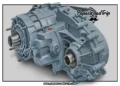


The 4L60E transmission is well-known among car enthusiasts, mechanics, and anyone who owns a GM truck or SUV from the 1990s and 2000s. This automatic transmission, produced by General Motors, powered millions of vehicles. But while the 4L60E can be reliable, not all years are created equal. Choosing the wrong year for a swap or replacement can lead to headaches, wasted money, or worse—an early transmission failure. If you’re thinking about swapping, repairing, or buying a used 4L60E, understanding which years are safe to interchange—and which years to avoid—is essential.
Let’s break down the 4L60E interchange years to avoid, what makes them problematic, and how to spot the right fit for your vehicle. You’ll learn why not every 4L60E is the same, what changed over the years, and how to make a confident decision for your next transmission job.
Why The 4l60e Is So Popular—and Problematic
The 4L60E replaced the older 700R4 transmission in 1993, bringing electronic control to GM’s classic 4-speed automatic. It became the default choice for many Chevrolet and GMC vehicles, from pickup trucks like the Silverado and Sierra to SUVs like the Tahoe, Suburban, and Blazer.
But while the core design stayed similar, GM changed a lot under the hood over the years. Some years are known for hard shifts, electrical problems, or weak internals. Others are prized for reliability and easy swapping. This is why knowing the specifics matters.
Two non-obvious facts catch many people off guard:
- Electronics and wiring changed multiple times—even within a single model year.
- The bellhousing and input shaft aren’t always compatible, especially between 2WD and 4WD models.
If you grab any 4L60E from a junkyard, there’s a good chance it won’t work right in your car or truck. Let’s dive deeper.
Major Changes In 4l60e Over The Years
The “E” in 4L60E stands for electronic. Unlike its predecessor, the 700R4, the 4L60E relies on the vehicle’s computer (ECU) to manage shifting and line pressure. This means that small changes in sensors, wiring harnesses, and internal components can make a big difference.
Here’s a quick timeline of the most important changes:
| Year Range | Key Changes | Compatibility Notes |
|---|---|---|
| 1993–1994 | First generation, one-piece case, OBD-I electronics | Unique wiring, not compatible with later years |
| 1995 | New case, OBD-I/II transition | Standalone year—difficult to swap with others |
| 1996–1999 | Full OBD-II, improved internal parts | Better interchange, but not with newer years |
| 2000–2006 | Stronger internals, new sensors, removable bellhousing (2001+) | Most reliable, but electronics and cases vary |
The biggest single year to watch out for is 1995. It sits in between major revisions, making it the hardest to interchange. But there are other tricky years, and it’s critical to match the right transmission to your exact vehicle.
4l60e Interchange Years To Avoid
If you want to swap or replace a 4L60E, it’s important to avoid certain years that will bring you more problems than solutions. Let’s break down the main interchange years to avoid and why.
1. 1995: The “problem Child”
The 1995 model is often called the orphan year. GM was switching from OBD-I to OBD-II, updating the transmission case, and changing the wiring. As a result, the 1995 4L60E:
- Uses a unique wiring harness and computer setup
- Has a different input shaft compared to previous or later years
- Features a special neutral safety switch that doesn’t match most other years
Many mechanics recommend avoiding 1995 transmissions for swaps unless you’re putting it back in the exact same make and model. If you try to swap a 1995 into a 1996 or 1994 vehicle, you’ll run into wiring and sensor problems.
2. 1993–1994: Early Electronically Controlled Models
The first 4L60E units (1993–1994) are also tricky. They were only used for a short time and have:
- Early OBD-I electronics (not OBD-II)
- Unique pressure switches and solenoids
- One-piece case design
While these can sometimes be swapped between 1993–1994 vehicles, they’re not compatible with newer models. If your vehicle is 1996 or newer, avoid using these early units.
3. 1996–1999: Mid-range Models With Compatibility Gaps
These years brought full OBD-II control and better reliability. But there are still pitfalls:
- Internal wiring and plug styles changed more than once
- 2WD and 4WD versions are not interchangeable without major changes
- Some internal parts (like the input drum) changed in 1997
It’s possible to swap within this range, but you need to match the exact year and drivetrain. Don’t assume a 1997 transmission will work in a 1999 truck.
4. 2000–2006: Late-model Complications
In these years, GM made the 4L60E stronger and added features:
- In 2001, the bellhousing became removable (vs. previous one-piece)
- New input shaft and pump assembly (2003+)
- Changes to internal electronics and connectors (2004+)
- The 2005–2006 models are stronger but use different wiring
If you’re swapping in this range, match the exact year and bellhousing style. For example, a 2000 transmission will not directly fit a 2003 truck. Pay attention to the plug style, as the number of pins changed.
5. Other Years To Watch Out For
Some years are not strictly “bad,” but have unique features:
- 2004 Trailblazer/Envoy: Used a transmission with a unique case and electronics
- Corvette and Camaro/Firebird: Some 4L60Es have different tailshafts, torque converters, or gear ratios
Swapping from a truck to a car—or vice versa—can cause speedometer, driveshaft, or fitment problems.
What Makes A 4l60e Transmission Interchangeable?
Not all 4L60Es are “plug and play.” Here’s what you must match for a successful swap:
- Year: Even small changes can break compatibility.
- Drivetrain: 2WD and 4WD transmissions are not directly interchangeable.
- Vehicle type: Car, truck, or SUV units may have different tailshafts or sensors.
- Electrical connectors: Pin count and plug style must match.
- Bellhousing: Some years have one-piece; others are removable.
- Computer compatibility: OBD-I and OBD-II units are not cross-compatible.
Below is a simple comparison:
| Factor | Must Match? | Notes |
|---|---|---|
| Year | Yes | Some years allow 1–2 year range swaps |
| 2WD/4WD | Yes | Tailshaft and output shaft differ |
| Bellhousing | Yes | Removable after 2001 |
| Electrical connectors | Yes | Pin count varies by year |
| OBD System | Yes | OBD-I vs OBD-II not compatible |
Common Mistakes When Swapping 4l60e Transmissions
Many first-time swappers make the same errors, leading to wasted time and money:
1. Assuming All 4l60es Are The Same
This is the most common mistake. Always check the RPO code, year, and part numbers.
2. Ignoring Wiring And Sensors
If the plug doesn’t fit, the transmission won’t work. Even a single pin difference can prevent your vehicle from shifting.
3. Forgetting The Torque Converter
Match the torque converter to the transmission and the engine. Some years use unique flexplate or stall speed setups.
4. Mixing 2wd And 4wd Units
You can’t simply swap the tailshaft; the output shafts are different lengths and diameters.
5. Not Reprogramming The Ecu
Some swaps require the vehicle’s computer to be flashed or reprogrammed, especially if changing years.
A pro tip: If you’re unsure, always compare your old transmission side-by-side with the replacement before installing. Look for differences in sensors, mounts, and shafts.
How To Identify The Right 4l60e For Your Vehicle
Finding the right transmission isn’t just about the year. Here’s how to make sure you get a compatible 4L60E:
1. Check The Vehicle Identification Number (vin)
The VIN can tell you the exact engine, transmission, and drivetrain. Use an online decoder or the service manual to cross-reference.
2. Locate The Rpo Code
GM vehicles have a sticker (often in the glovebox or trunk) with RPO codes. Look for codes like M30 (4L60E), M32, or M15—these identify the transmission type and sometimes the application.
3. Examine The Transmission Tag
Most 4L60Es have a metal tag riveted to the case. This tag lists the model year, serial number, and sometimes the build date. Match these numbers to your old transmission.
4. Count The Electrical Connector Pins
There are 13-pin and 15-pin connectors. If your vehicle uses a 15-pin plug, a 13-pin transmission will not work, and vice versa.
5. Inspect The Bellhousing And Mounts
- Pre-2001: One-piece case
- 2001+: Removable bellhousing
If your engine block has a different bolt pattern, the transmission may not fit, even if the electronics match.
6. Confirm 2wd Vs 4wd
Check the tailshaft output. 2WD units have a longer tail, while 4WD units connect directly to a transfer case. Swapping between them requires major work or internal changes.
Which 4l60e Years Are Safe To Swap?
While it’s critical to avoid the trouble years, some ranges are safer for interchange. Here are the most reliable “swap zones”:
- 1996–1999: Most OBD-II units can be interchanged within this range, as long as you match 2WD/4WD and wiring.
- 2001–2006: Removable bellhousing models can often swap with each other, but watch for plug changes after 2003.
- 1993–1994: These early models are mostly compatible with each other, but not with later years.
Always double-check the wiring, sensors, and tailshaft before installation.
How To Spot A Bad 4l60e Before Buying
When buying a used transmission, you don’t want to swap one problem for another. Here’s how to inspect a 4L60E:
- Look for burnt or dark fluid—a sign of overheating or worn clutches.
- Check for metal shavings in the pan or around the magnet.
- Spin the input and output shafts—they should turn smoothly, with no grinding.
- Inspect the case for cracks, welds, or repairs.
- Test the solenoids and sensors if possible, using a multimeter.
- Ask for the history—if it came from a high-mileage truck, it may be tired.
Many shops offer a short warranty on used or rebuilt transmissions. Look for at least a 30-day guarantee.
Rebuilding Vs. Swapping: Which Is Better?
Sometimes, rebuilding your original transmission makes more sense than swapping for a used one—especially if you have a hard-to-find year like 1995. Here are the pros and cons:
Rebuilding
Pros:
- Keeps your vehicle’s original electronics and wiring
- Known history and maintenance
- Can upgrade weak components
Cons:
- More expensive (usually $1,500–$2,500)
- Takes more time (one week or more)
Swapping
Pros:
- Faster if you find the right year and type
- Usually cheaper ($800–$1,500 for a used unit)
Cons:
- Risk of mismatched electronics
- Unknown internal condition
- May need to reprogram the ECU
If you’re not experienced, it’s safer to rebuild or buy a remanufactured unit from a reputable source.
4l60e Swap Examples: What Works (and What Doesn’t)
Let’s look at some real-world examples to highlight key points:
- 1998 Chevy Silverado 4WD: Needs a 1998 4L60E 4WD. A 1997 or 1999 might fit, but check the connectors.
- 2004 GMC Sierra 2WD: Can swap with 2004–2006 2WD units, but must match the 15-pin connector.
- 1995 Chevy Blazer: Only a 1995 4L60E will swap without major wiring changes—avoid other years.
- 2001 Chevy Tahoe: Needs a removable bellhousing unit from 2001–2006.
A 2003 transmission will not fit a 1998 truck without major changes, even if the bolt pattern looks similar.

Credit: www.ebay.com
When Should You Upgrade Instead Of Swap?
If you’re rebuilding, consider upgrading some weak points of the 4L60E:
- Sonnax servo: Reduces clutch slip
- Upgraded sunshell (“Beast”): Prevents common breakage
- Corvette servo: For firmer shifts
- Heavy-duty clutches and bands: For towing or performance
High-mileage or high-power vehicles benefit from these upgrades. Many rebuilders offer kits tailored for towing or racing.
4l60e Vs. 4l65e And 4l70e: Can You Swap?
Later versions of the 4L60E, like the 4L65E and 4L70E, look similar but have key differences:
- 4L65E: Stronger internal parts, but some electronics differ (especially 2003+)
- 4L70E: Used mainly in high-output trucks/SUVs after 2005; unique electronics
While some parts interchange, these transmissions are not direct swaps for older 4L60E units. Always verify compatibility with your vehicle’s year, engine, and wiring.

Credit: www.youtube.com
Data Table: 4l60e Interchange Overview
Here’s a summary to help you quickly reference which years are safe or risky for swapping:
| Year(s) | Interchangeable With | Notes | Years to Avoid |
|---|---|---|---|
| 1993–1994 | Same years only | Early OBD-I, unique wiring | 1995, 1996+ |
| 1995 | Itself only | Standalone year, “problem child” | All other years |
| 1996–1999 | Within range | OBD-II, but connectors vary | 1993–1995, 2000+ |
| 2000–2002 | Within range | Stronger, some plug changes | Older models |
| 2003–2006 | Within range | Removable bell, new plugs | Pre-2003, cars/trucks with one-piece case |
Final Advice: How To Avoid Costly Mistakes
When it comes to the 4L60E interchange years to avoid, the safest approach is to:
- Match the year, drivetrain, and connectors
- Double-check wiring and sensors before buying
- Ask for the RPO code and VIN when sourcing a used unit
- Consult a professional if you have any doubts
If you’re buying from a salvage yard, always bring your old transmission for comparison. Many mistakes happen because of small, hard-to-see differences.
And remember: Sometimes spending a little more for the right transmission saves hundreds (or thousands) in the long run.
For more technical details and transmission codes, you can visit the official Wikipedia page on the 4L60E.
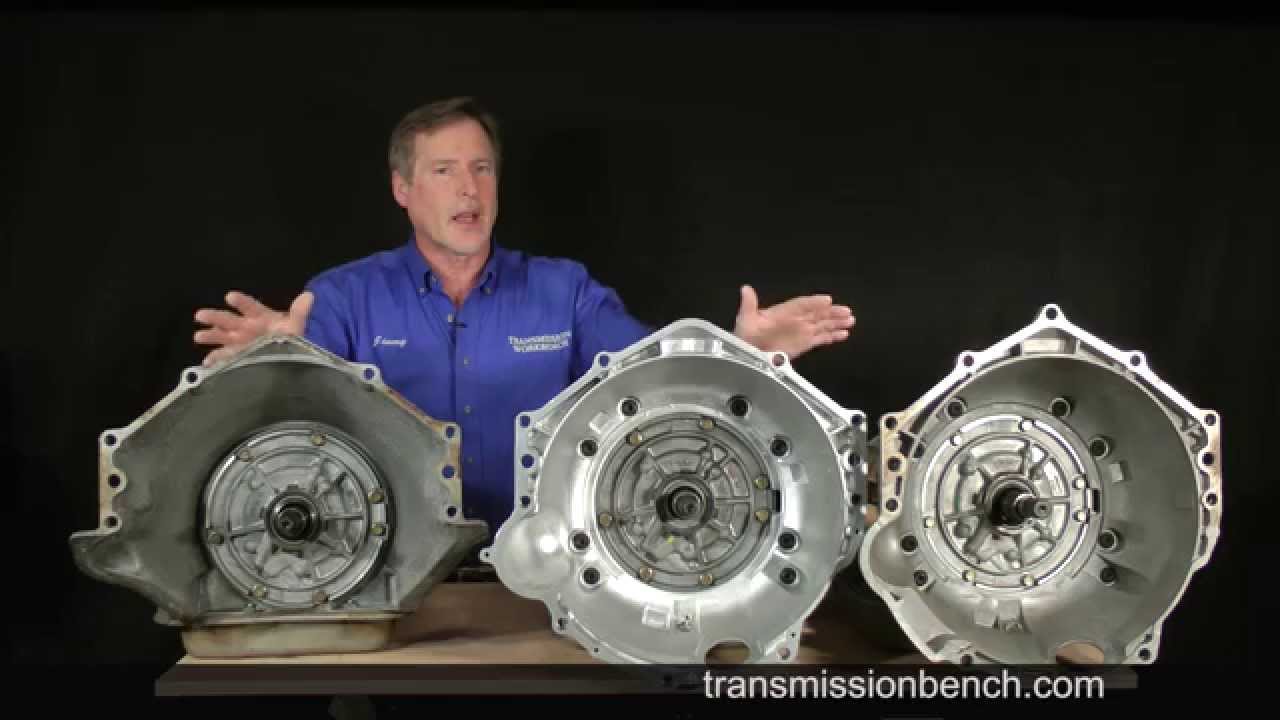
Credit: www.youtube.com
Frequently Asked Questions
Why Is The 1995 4l60e So Hard To Swap?
The 1995 4L60E is a “transition” year with unique electronics, wiring harness, and internal parts. GM changed the transmission case and some sensors, making it incompatible with both earlier (1993–1994) and later (1996+) models. Swapping a 1995 into a different year often requires changing the wiring harness and computer—more work than most people expect.
Can I Swap A 2wd 4l60e With A 4wd 4l60e?
No, 2WD and 4WD 4L60Es are not directly interchangeable. The output shaft and tail housing are different. To convert one to the other, you’d need to swap internal parts—something only experienced transmission builders should attempt.
How Do I Know Which 4l60e I Have?
Check your VIN, RPO code (often found in the glovebox or trunk), and the transmission tag on the case. You should also count the pins on the electrical connector and note the bellhousing style. This will help you match the correct year and type.
Is It Better To Rebuild Or Buy A Used 4l60e?
It depends. Rebuilding is more expensive but ensures known quality and compatibility. Buying a used 4L60E is cheaper but carries more risk—you may get a worn or incompatible unit. For unique years (like 1995) or performance builds, rebuilding is usually safer.
What Happens If I Install The Wrong Year 4l60e?
Installing the wrong year 4L60E can cause shifting problems, transmission damage, or even a no-start condition. The vehicle’s computer may not communicate with the transmission, or the sensors may be incompatible. Always match the year, connectors, and drivetrain for best results.
Choosing the right 4L60E transmission isn’t just about finding one that “fits.” It’s about understanding the details that can make or break your project. With careful research and attention to the years to avoid, you’ll keep your GM vehicle shifting smoothly for years to come.