If you’re thinking about buying a Saturn Outlook, you’re not alone. This midsize SUV, produced between 2007 and 2010, has become a popular choice for families who need space, comfort, and decent power. But not every Outlook is the same. Some model years have serious problems that can cost you thousands in repairs. Knowing which Saturn Outlook years to avoid could save you from stress, breakdowns, and wasted money.
In this guide, you’ll learn which years of the Saturn Outlook are risky, the reasons behind their reputation, and which versions are safer to buy. We’ll cover real owner complaints, common mechanical failures, repair costs, and how the Outlook compares to similar SUVs from the same era.
If you want a reliable used SUV, read on to make a smart decision.
Why Saturn Outlook Models Differ So Much
Car buyers sometimes believe that all model years of a vehicle are almost the same. But the Saturn Outlook is a textbook example of why that’s not true. Every year, car makers update designs, change suppliers, and sometimes make big engineering corrections. Saturn, a division of General Motors, only built the Outlook for a short time (2007–2010), but owners’ experiences varied a lot between those years.
The first Outlooks hit showrooms with excitement in 2007. People loved the third-row seating, the smooth ride, and the spacious interior. But soon, reports of mechanical issues and expensive repairs started popping up. Saturn fixed some problems in later years, but not all. Some issues were so serious that GM issued recalls or changed entire components.
Understanding these differences is key if you want to avoid a costly mistake.
Saturn Outlook Years To Avoid
Not all Saturn Outlooks are created equal. Some years are known for specific weaknesses that led to frequent complaints and high repair costs. Here’s a detailed look at the years you should be most careful about:
1. 2007 Saturn Outlook
The first model year is usually the riskiest for any new car, and the 2007 Saturn Outlook is no exception. Owners reported multiple issues, especially with the transmission and water leaks.
Transmission Failure: Many 2007 Outlooks suffered from transmission problems as early as 60,000 miles. Symptoms included slipping gears, harsh shifting, and sometimes total transmission failure. Repairs often cost between $3,000 and $4,500, a huge expense for a used vehicle.
Water Leaks: Another headache was water leaking into the cabin. The sunroof and windshield drains often clogged, letting water soak the carpets and electrical wiring. This sometimes caused electrical shorts or mold growth.
Electrical Gremlins: Owners also complained of random warning lights, malfunctioning power windows, and issues with the liftgate. These problems were often related to water leaks or weak electrical connectors.
Why to Avoid: If you find a cheap 2007 Outlook, the low price might not be worth the risk. Repair bills can quickly add up and leave you frustrated.
2. 2008 Saturn Outlook
The 2008 model was supposed to fix the biggest complaints from 2007, but many problems remained.
Transmission Issues Continue: Transmission failures were still common. According to owner reports, the average failure happened at about 80,000 miles. The cost and symptoms were nearly identical to the 2007 model.
Power Steering Failure: A new complaint appeared: the power steering sometimes failed, especially at low speeds. This made the SUV hard to park or steer in traffic. Repairs could cost $800 to $1,200.
Water Leaks and Electrical Problems: Water leaks were still common, leading to electrical issues and, in some cases, airbag warning lights.
Why to Avoid: The 2008 Outlook is only slightly better than the 2007, but the risk of major repairs is still high.
3. 2009 Saturn Outlook
The 2009 Outlook is sometimes seen as an improvement, but it still has several of the same weaknesses.
Transmission Still a Problem: Transmission failures were less common but still happened, especially if the vehicle was not well maintained.
Timing Chain Issues: One new issue was the timing chain. Some 2009 Outlooks had timing chains that stretched or failed early, causing engine problems or even total engine failure. Fixing this could cost $2,000 or more.
Water Leaks: The sunroof and windshield leak issues continued in some vehicles, though less often.
Why to Avoid: The 2009 model improved a little, but the risk of expensive engine or transmission repairs is still higher than average.
4. 2010 Saturn Outlook
The final model year, 2010, is actually a leftover from 2009. Saturn shut down before making big changes, and most 2010 Outlooks are similar to the 2009 models.
Carryover Problems: Timing chain and transmission issues still appeared, but the number of complaints dropped. This may be because fewer 2010 Outlooks were made, not necessarily because they were more reliable.
Why to Be Cautious: The 2010 Outlook is not as risky as the first two years, but it’s not trouble-free. Maintenance records are especially important for this year.
Most Common Problems With Saturn Outlook
To understand why you should avoid certain years, let’s look at the most frequent and costly problems Saturn Outlook owners reported.
Transmission Failure
The 6-speed automatic transmission used in the Outlook was a weak spot, especially in 2007 and 2008 models. Symptoms included:
- Hard or delayed shifting
- Slipping out of gear
- Total loss of drive
In some cases, drivers lost power while merging or turning—a serious safety hazard. Repairing or replacing the transmission often cost as much as the vehicle itself.
Water Leaks
Many Outlooks suffered from water leaks around the sunroof, windshield, or rear liftgate. Water would collect under the carpets or in the spare tire well, damaging:
- Electrical wiring
- Airbag sensors
- Interior materials
These leaks were sometimes hard to find and fix, and repeated repairs were common.
Timing Chain Problems
The timing chain keeps the engine’s valves and pistons working together. In some 2009 and 2010 Outlooks, the chain would stretch or break early, leading to:
- Check engine lights
- Poor performance
- Engine failure
Timing chain repairs are complex and expensive.
Power Steering Failure
Especially in 2008 models, the power steering pump could fail, making the Outlook hard to steer. This was dangerous at low speeds and annoying on longer drives.
Electrical Issues
Because of water leaks and sometimes poor-quality connectors, electrical problems were common:
- Warning lights turning on for no reason
- Non-working windows or locks
- Radio or navigation issues
Many owners spent years chasing mysterious electrical gremlins.
Saturn Outlook Reliability Data
Let’s break down the reliability of the Outlook by year, based on owner complaints, recalls, and repair costs.
| Model Year | Major Complaints | Average Repair Cost | Reliability Rating |
|---|---|---|---|
| 2007 | Transmission, Water Leaks, Electrical | $2,800–$4,500 | Poor |
| 2008 | Transmission, Power Steering, Water Leaks | $2,300–$3,800 | Poor |
| 2009 | Timing Chain, Transmission, Water Leaks | $1,800–$3,200 | Below Average |
| 2010 | Timing Chain, Transmission | $1,500–$2,800 | Average |
As the table shows, repair costs are highest for the earliest models, and reliability improves slightly with each year.

Credit: www.reddit.com
Saturn Outlook Recalls And Service Campaigns
Manufacturers sometimes issue recalls to fix widespread safety or reliability problems. The Saturn Outlook had several:
- Transmission Wave Plate Recall: GM recalled thousands of Outlooks to replace a faulty part inside the transmission that could cause it to fail suddenly.
- Airbag Sensor Recall: Water leaks sometimes damaged airbag sensors, leading to a recall for inspection and replacement.
- Liftgate Strut Recall: Some Outlooks had rear liftgate struts that could fail, causing the liftgate to fall unexpectedly.
Not all vehicles received repairs, and some problems required more than one visit to the dealer.
Saturn Outlook Vs. Similar Suvs
If you’re considering a used Saturn Outlook, it helps to compare it with other midsize SUVs from the same era. Here’s a quick comparison:
| Vehicle | Years Made | Common Problems | Overall Reliability |
|---|---|---|---|
| Saturn Outlook | 2007–2010 | Transmission, Water Leaks, Timing Chain | Below Average |
| GMC Acadia | 2007–2016 | Transmission, Timing Chain, Water Leaks | Below Average |
| Chevrolet Traverse | 2009–present | Transmission, Steering, Timing Chain | Average |
| Toyota Highlander | 2008–2013 | Minor Engine Issues, Some Transmission Problems | Above Average |
| Honda Pilot | 2009–2015 | Transmission, Engine Mounts | Above Average |
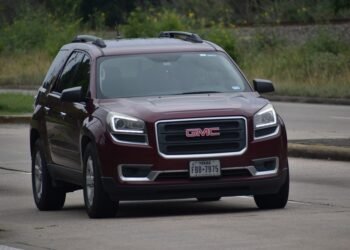
Insight: The Outlook shares its basic design with the GMC Acadia and Chevrolet Traverse, so they have similar weaknesses, especially in the early years. Japanese rivals like the Toyota Highlander and Honda Pilot are usually more reliable and may cost less to maintain in the long run.
Signs Of A Problematic Saturn Outlook
If you’re shopping for a used Outlook, you need to know the warning signs of a car with hidden issues.
- Check Engine Light: A glowing check engine light, especially with rough running or poor shifting, may signal timing chain or transmission problems.
- Wet or Musty Carpet: This often means water is leaking inside, which can lead to mold and electrical damage.
- Hard or Delayed Shifting: Test drive the car. If it doesn’t shift smoothly, the transmission may be failing.
- Unusual Noises: Clicking, whining, or clunking sounds from the engine or transmission are bad signs.
- Electrical Oddities: Power windows, locks, or the radio that work only sometimes could mean water has damaged the wiring.
If you notice any of these during a test drive, it’s best to walk away or at least get a thorough inspection by a trusted mechanic.
How To Find A Good Saturn Outlook
While some years are riskier, you can still find decent Saturn Outlooks if you follow these steps:
- Look for Later Models: The 2009 and especially 2010 models are less likely to have the worst problems, but still check their service history.
- Check Maintenance Records: Only buy an Outlook with detailed records showing regular oil changes, transmission service, and recall repairs.
- Get a Pre-Purchase Inspection: Always pay a mechanic to inspect the vehicle before you buy. Ask them to check the transmission, timing chain, and look for water leaks.
- Ask About Recalls: Make sure all recall repairs were completed. You can check this using the vehicle’s VIN at the National Highway Traffic Safety Administration (NHTSA) website.
- Test All Electrical Features: Make sure windows, locks, air conditioning, and the radio work as they should.
Non-Obvious Insight: Some Outlooks had upgraded transmission components replaced under warranty, even if the owner never had a failure. These vehicles are usually more reliable, so ask for service records showing any major repairs.
Another Tip: Rust under the carpets, especially in the rear cargo area, often means hidden water leaks. Even if you don’t see wet carpets, check for musty smells or hidden rust.

Credit: www.amazon.com
Saturn Outlook Maintenance Costs
Owning a used SUV always comes with some maintenance costs. The Saturn Outlook is more expensive to maintain than some rivals because of its known issues.
| Service | Average Cost | Recommended Interval |
|---|---|---|
| Oil Change | $40–$70 | Every 5,000–7,500 miles |
| Transmission Fluid Change | $150–$250 | Every 50,000 miles |
| Timing Chain Replacement | $1,800–$2,500 | As Needed |
| Power Steering Repair | $800–$1,200 | As Needed |
| Water Leak Repair | $300–$900 | As Needed |
Practical Insight: If you buy an Outlook, set aside at least $1,000 to $2,000 for repairs in the first year, just in case. The cost of a major breakdown can easily wipe out any savings from a lower purchase price.
Pros And Cons Of Owning A Saturn Outlook
If you’re still considering the Outlook, it’s good to weigh its main strengths and weaknesses.
Pros
- Spacious Interior: Roomy third-row seating and a large cargo area.
- Smooth Ride: Comfortable on highways and long trips.
- Good Safety Scores: Decent crash test ratings for its time.
- Affordable Purchase Price: Used Outlooks are often much cheaper than rivals.
Cons
- High Repair Costs: Major components like the transmission or timing chain are expensive to fix.
- Known Reliability Issues: Many models have recurring problems.
- Discontinued Brand: Saturn shut down in 2010, so parts and support can be harder to find.
- Poor Resale Value: Outlooks lose value quickly compared to Japanese rivals.
Alternatives To The Saturn Outlook
If reliability is your top priority, consider these alternatives:
- Toyota Highlander (2008–2013): Very reliable, easy to find parts, and good resale value.
- Honda Pilot (2009–2015): Known for strong engines and long life.
- Ford Flex (2009–2012): Roomy like the Outlook, with fewer major issues.
- Mazda CX-9 (2010–2015): Sportier handling, better reliability.
These SUVs may cost more upfront but could save you money and headaches over time.
Real Owner Experiences
Sometimes, the best insight comes from people who actually owned these vehicles. Here are a few real examples:
- “My 2008 Outlook started having transmission problems at 70,000 miles. GM replaced it, but it failed again after another 40,000. I spent $3,200 out of pocket.”
- “We loved the space, but water kept leaking into the back seat. After three visits to the dealer, the carpets still got wet every time it rained.”
- “Our 2010 Outlook has been reliable, but we only bought it because the previous owner had all major repairs done under warranty.”
Insight: Well-maintained Outlooks with full service records are much less risky than those with unknown histories.

Credit: www.ebay.com
Is A Used Saturn Outlook Ever Worth It?
It’s possible to find a good Saturn Outlook, but you need to be cautious. If you find a 2009 or 2010 model with proof of regular maintenance and completed recalls, and you get a good price, it might be a fair deal.
However, buyers who skip inspections or buy the cheapest Outlook often regret it.
If you want a set-it-and-forget-it family SUV, a Toyota or Honda is usually a safer bet. If you’re willing to do your homework and accept some risk, the Outlook can offer good value for the right buyer.
For more technical details and recall information, you can check the NHTSA website.
Frequently Asked Questions
Which Saturn Outlook Year Is The Most Reliable?
The 2010 Saturn Outlook is generally the most reliable, with fewer complaints about transmission and timing chain problems. However, it still requires careful inspection and maintenance records.
Why Did Saturn Stop Making The Outlook?
General Motors closed the Saturn brand in 2010 due to low sales and financial problems. The Outlook was discontinued, and similar vehicles were rebranded under GMC and Chevrolet.
Is The Saturn Outlook Expensive To Repair?
Yes, especially for transmission and timing chain issues. Major repairs can cost $2,000 to $4,500, making the Outlook more expensive to maintain than many rivals.
Can I Find Replacement Parts For The Saturn Outlook?
Most parts are still available because the Outlook shares many components with the GMC Acadia and Chevrolet Traverse. However, some trim and interior parts may be harder to find.
Should I Buy A Used Saturn Outlook?
It depends on your risk tolerance. If you find a well-maintained 2009 or 2010 Outlook with service records and a clean inspection, it can be a good deal. But if you want maximum reliability, consider alternatives like the Toyota Highlander or Honda Pilot.
A little research now can save you big headaches later. Choose wisely, and you’ll enjoy many miles of family adventures—whether in a Saturn Outlook or another trustworthy SUV.