Buying a GMC Acadia can feel exciting. This midsize SUV offers space, comfort, and features that attract many families and adventure seekers. But not every Acadia year is a smart buy. Some models have serious problems that can lead to headaches and high repair bills. If you want to avoid regrets, it’s essential to know which GMC Acadia years to avoid, what went wrong, and what to consider before making a purchase.
This guide will walk you through the main trouble years, why they should be avoided, and which Acadia years are safer bets. You’ll get detailed explanations, real examples, and tips that most buyers miss. By the end, you’ll be ready to shop for a used Acadia with much more confidence.
Why It Matters: Choosing The Right Gmc Acadia Year
Not all model years are equal. Some Acadias have transmission failures, others suffer from engine problems, and a few even have electrical gremlins that are costly to fix. These issues can make a “good deal” turn into a constant source of stress and expense.
The main reasons to avoid certain GMC Acadia years include:
- Expensive repairs: Some problems cost thousands to fix.
- Frequent breakdowns: Reliability is much lower in bad years.
- Poor resale value: Problematic models lose value faster.
- Safety concerns: Mechanical or electrical failures can affect safety.
Understanding these risks helps you protect your money and your peace of mind. Many buyers hope that buying a used Acadia will save money compared to new SUVs, but picking the wrong year can quickly erase those savings. For example, if you buy a model with known transmission issues, repair costs can be so high that you might have been better off buying a newer car.
This is why knowledge about the model years is not just useful—it is crucial.
Another point: Some risky years are still being sold at attractive prices because sellers want to move them quickly. But a low price upfront can hide big costs later. This makes researching the right year even more important.
Key Problem Areas In Gmc Acadia History
Before you look at specific years, it’s useful to know the main issues that have affected the GMC Acadia over time. Understanding these trouble spots helps you spot warning signs during your own test drives and inspections.
Transmission Failures
One of the most common complaints, especially in early models, is transmission failure. Symptoms include hard shifting, slipping gears, and total loss of drive. Repairs often require full replacement, which can cost between $3,000 and $5,000.
Transmission problems are not just expensive—they often happen with little warning. Many owners report that their Acadia drove fine one day and then wouldn’t move the next. Sometimes, the transmission will slip or hesitate, making it dangerous to drive in traffic.
If you notice rough shifting or delayed acceleration, it’s a red flag.
Timing Chain And Engine Issues
Another costly problem is the timing chain stretching or failing, especially in the first-generation Acadias. If ignored, this leads to severe engine damage.
The timing chain is supposed to last the life of the engine, but in some Acadia models, it wears out early. Symptoms include rattling noises at startup, engine misfires, and “check engine” lights. If the timing chain jumps, the engine can be ruined.
Replacement is both labor-intensive and expensive, often requiring the engine to be removed.
A less obvious issue: Even if the timing chain is replaced, damage may already be done to other internal parts, leading to more repairs later. This is why timing chain problems are so serious.
Electrical System Problems
Some Acadias have had recurring electrical faults. These include issues with the power liftgate, dashboard lights, and sensors. Electrical problems are often hard to diagnose and fix.
Electrical gremlins can cause unpredictable problems. For example, a faulty sensor might trigger warning lights, but mechanics may need hours to find the real cause. Sometimes, fixes are temporary, and the same issue returns later. Owners have reported the liftgate opening or closing on its own, or dashboard lights flickering randomly.
Air Conditioning And Heater Problems
Many owners report A/C and heater failures, which can be expensive to repair and uncomfortable, especially in extreme weather.
A/C systems in some Acadias break down more often than average. Common symptoms include weak airflow, strange smells, or no cooling at all. Heater failures are less common, but when they happen, it’s often due to a broken actuator or blower motor.
These comfort issues can make long drives unpleasant, especially for families.
Water Leaks
Roof or sunroof leaks have been reported in some models. Water can damage the headliner, electronics, and even lead to mold.
Water leaks are more than an annoyance. They can damage wiring under the carpets, cause rust, and create a musty smell that’s hard to remove. In some cases, leaks have caused electrical shorts, leading to expensive repairs.
A practical tip: Always check for dampness under floor mats and inside the trunk area when inspecting a used Acadia. Even small leaks can cause big problems over time.

Credit: www.woodhousebuickgmc.com
Gmc Acadia Years To Avoid: The Main Offenders
Let’s focus on the years with the highest risk for buyers. The following model years have been flagged by many owners, mechanics, and automotive experts as the worst for the GMC Acadia.
| Model Year | Main Problems | Estimated Repair Cost |
|---|---|---|
| 2007 | Transmission, timing chain, water leaks | $1,500–$5,000+ |
| 2008 | Transmission, engine, electrical | $2,000–$4,500+ |
| 2009 | Timing chain, transmission, power steering | $1,800–$4,000+ |
| 2010 | Timing chain, transmission, electronics | $2,200–$4,700+ |
| 2011 | Transmission, power liftgate, A/C | $1,600–$4,200+ |
| 2012 | Timing chain, electronics, steering | $1,700–$4,800+ |
| 2013 | Electrical, transmission, air conditioning | $1,800–$4,000+ |
| 2017 | Transmission, engine stalling, infotainment | $1,900–$4,900+ |
Why Are These Years Risky?
1. 2007–2012: First Generation Trouble
The 2007–2012 Acadias are known for major reliability issues. Many owners experienced transmission failures as early as 60,000 miles. The timing chain issues often appeared between 80,000 and 120,000 miles. These repairs are not only expensive but can also leave you without a car for weeks.
In these years, the problems were not limited to one area. For example, an owner might fix the transmission, only to face timing chain problems soon after. Recurring electrical issues made these models frustrating for anyone who relies on their vehicle daily.
2. 2013: Persistent Electrical Faults
The 2013 model still carried many issues from previous years, especially with electronics and A/C systems. The problems were less widespread but still significant enough to avoid unless you have proof of all repairs.
A small number of 2013 owners report that their vehicles were trouble-free, but this is rare. It’s safer to look for other years unless you find a 2013 Acadia with detailed repair records and a good warranty.
3. 2017: Second Generation Growing Pains
With the launch of the second-generation Acadia in 2017, new problems surfaced. Transmission issues returned, and many drivers experienced engine stalling and infotainment glitches. These problems can affect newer used vehicles, meaning higher purchase prices but still high risk.
The 2017 redesign brought better fuel economy and features, but reliability was not consistent. Infotainment failures may sound minor, but in modern cars, these systems control many functions and can be costly to fix.
Detailed Breakdown: What Went Wrong Each Year
Let’s look deeper at the specific issues that make these model years risky.
2007–2009: Launch Years Filled With Flaws
The first Acadia hit the market in 2007, promising a spacious, comfortable ride. Unfortunately, buyers quickly discovered:
- Transmission failures: Many units needed total replacements before 100,000 miles.
- Timing chain stretching: This could trigger “check engine” lights and rough running.
- Leaky sunroofs: Water intrusion damaged carpets and electronics.
- Power steering failures: Sudden loss of steering assist, especially at low speeds.
Some owners reported losing power steering while turning into parking lots, which can be dangerous. Water leaks from the sunroof often led to mold and electrical shorts. The timing chain issues were so common that some mechanics began to expect them when seeing a used Acadia from these years.
2010–2012: Problems Continue
GM made some improvements, but many issues remained:
- Timing chain problems: Still a major source of engine damage.
- Transmission problems: Not fully solved.
- Faulty power liftgates: Doors that wouldn’t stay up or failed completely.
- A/C and heater breakdowns: Unreliable climate control systems.
By 2011, GM had issued some recalls and service bulletins, but these fixes didn’t always solve the root problem. Power liftgate failures could leave owners struggling to load groceries or luggage. The climate control issues made winter and summer trips uncomfortable.
2013: Electrical And A/c Issues Dominate
The 2013 Acadia saw fewer engine and transmission issues, but new problems appeared:
- Electrical gremlins: Dashboard lights flickering, sensors failing, and random warning messages.
- Air conditioning failures: A/C compressors and evaporators frequently needed replacement.
- Transmission issues: Still present, though less common.
Some owners spent hundreds of dollars chasing electrical faults, only to have new issues pop up later. A/C failures were often sudden, leaving families sweating in hot weather. Transmission issues were less common but still a risk.
2017: Second Generation, New Headaches
A full redesign brought more modern features, but also:
- Transmission hesitation and failures: Problems shifting or staying in gear.
- Engine stalling: Sudden loss of power at low or high speeds.
- Infotainment bugs: Touchscreen freezing, Bluetooth disconnects, and backup camera issues.
Infotainment problems were frustrating because they affected navigation, music, and even backup cameras. Engine stalling could happen while driving, which is a serious safety concern. Transmission hesitation made highway merges and city driving stressful.
Real-world Owner Experiences
It’s one thing to read about problems, but how do they affect real owners? Here are examples based on owner reports and expert reviews:
- A 2008 Acadia owner faced transmission failure at 72,000 miles. The repair cost was $3,600, almost half the car’s value.
- A 2011 model suffered a timing chain failure at 95,000 miles. The dealer quoted $4,200 for a full engine rebuild.
- Multiple 2017 owners reported infotainment systems freezing while driving, which affected both navigation and rearview camera functions.
Many owners mention that after one major repair, another often followed. This is a sign of systemic quality issues in these years.
Another example: A 2009 Acadia owner had the power liftgate stop working, followed by A/C failure just weeks later. This pattern of multiple problems makes these years particularly stressful for families who depend on their vehicle.
How Do Problem Years Compare?
To see the difference, it helps to compare the “bad years” with more reliable ones. Here’s a look at owner-reported complaints on popular car review sites.
| Model Year | Total Complaints (CarComplaints.com) | Main Problem |
|---|---|---|
| 2008 | 800+ | Transmission Failure |
| 2011 | 650+ | Timing Chain Failure |
| 2016 | 120 | Minor Electrical Issues |
| 2018 | 70 | Transmission Hesitation |
You can see a clear drop in complaints after 2016, showing better reliability in later models. This drop is not only in the number of complaints, but also in the severity. For example, post-2016 complaints are more likely to be about minor issues like a faulty sensor, rather than major engine or transmission failure.
Credit: rerev.com
Common Misconceptions About Gmc Acadia Problems
Some buyers believe that all used Acadias are bad, or that only the first model year is risky. In reality, problems continued for several years. It’s also important to understand:
- Not every vehicle will have these issues, but the chance is much higher in the “avoid” years.
- Proper maintenance doesn’t always prevent these issues, especially with design flaws.
- Some sellers fix only the symptom, not the root cause, which means problems can come back.
A non-obvious insight: Even a well-maintained 2007–2012 Acadia with “all service records” can still develop timing chain or transmission failures, because these parts were under-designed.
Another misconception is that buying from a dealership guarantees a trouble-free vehicle. While dealers may offer limited warranties, they often do not cover major failures like timing chains or transmissions after a short period. Always check what is covered and for how long.
Years With Fewer Problems: Safer Gmc Acadia Bets
While much of this guide focuses on what to avoid, there are better years if you want an Acadia. These models have improved reliability, fewer costly repairs, and generally higher owner satisfaction.
2015–2016: Late First Generation Improvements
GM addressed many issues by the 2015 and 2016 models. These years have:
- Fewer major engine or transmission complaints
- Better electronics and infotainment systems
- Improved water sealing
These models are also easier to find with low mileage and good service records. Owners report that repairs are less frequent and less expensive. If you find a well-maintained 2015 or 2016 Acadia, it’s a safer bet.
2019–2023: More Reliable Second Generation
The second-generation Acadia, especially after 2018, is more refined. These years offer:
- Fewer transmission issues
- More modern safety features
- Smoother infotainment experience
The newer models also have improved fuel economy and updated styling. While prices are higher, the long-term reliability makes them a smarter investment.
What Changed?
GM made mechanical updates and improved quality control. While no vehicle is perfect, the risk of expensive problems is much lower in these years. Upgrades included better timing chain materials, improved transmission designs, and more robust electronics.
A less obvious improvement: The newer models use better water sealing techniques, reducing the risk of leaks and electrical damage. This small detail makes a big difference for buyers who park outside or live in rainy climates.
What To Check Before Buying Any Used Gmc Acadia
If you still want a used Acadia, take these steps to lower your risk:
- Ask for full maintenance history. Look for regular oil changes and transmission service.
- Check for recalls. Make sure all recall work was completed.
- Get a pre-purchase inspection. Have a trusted mechanic check for leaks, shifting problems, and timing chain noise.
- Test all electronics. Try every window, seat, and climate control button.
- Review warranty options. Consider an extended warranty if buying a higher-risk year.
A common mistake: Relying only on a short test drive. Many Acadia problems appear after 20–30 minutes of driving, not immediately.
Another tip: Always ask for a Carfax or similar vehicle history report. This can reveal past accidents, flood damage, or repeated repairs. Even small issues in the report can signal bigger problems.
Cost Of Repairs: What To Expect
Understanding repair costs is crucial. Here are some average prices for common Acadia problems:
- Transmission replacement: $3,000–$5,000
- Timing chain repair: $2,500–$4,500
- Power liftgate fix: $700–$1,200
- A/C compressor replacement: $900–$1,400
- Water leak repair: $600–$1,800 (if electronics are damaged, much higher)
These numbers show why avoiding the wrong year saves you more money in the long run.
Some buyers hope to save money by buying used parts or doing repairs themselves. While this works for small fixes, major engine or transmission jobs require professional help and can become expensive quickly. If you’re not comfortable with car repairs, the safer bet is a reliable model year.
How Does The Acadia Compare To Similar Suvs?
If you’re worried about reliability, it’s smart to consider alternatives. Here’s a quick comparison of the Acadia versus two rivals, the Honda Pilot and Toyota Highlander.
| Feature | GMC Acadia | Honda Pilot | Toyota Highlander |
|---|---|---|---|
| Reliability (JD Power) | Average to Below Average (pre-2017) | Above Average | Above Average |
| Repair Costs (10 yrs) | $7,800 | $6,200 | $5,800 |
| Common Issues | Transmission, timing chain | Engine mounts, A/C | Minor electronics |
| Resale Value | Average | High | High |
While the Acadia can be a good value, Honda and Toyota generally offer better reliability and lower ownership costs.
Another insight: The Highlander and Pilot also have more consistent resale values, making them safer if you plan to sell after a few years. If you value reliability above all, it’s wise to compare these options before deciding.
Non-obvious Tips For Gmc Acadia Buyers
- Check for TSBs (Technical Service Bulletins): Many Acadia problems were addressed by bulletins, not recalls. A dealer can tell you if these updates were performed on the car you’re considering.
- Listen for startup rattles: A rattling noise at cold start may signal timing chain problems, even if no warning lights are on.
- Inspect under carpets: Water leaks can leave dampness or a musty smell under the floor mats. This is a warning sign of past leaks, even if everything looks dry now.
- Test the transmission thoroughly: Drive in stop-and-go traffic and at highway speeds. Pay attention to any slipping, hesitation, or rough shifts.
Another tip: Ask the seller if the vehicle has ever had a major repair done, such as transmission or timing chain replacement. If so, ask for receipts and details. Sometimes, a well-documented repair can make a risky year safer.
Who Should Still Consider An Older Acadia?
If you’re handy with repairs, know a trusted mechanic, and can get a great deal, a high-risk Acadia year might still be worth it. For most buyers, though, the safer choice is a later model or a different SUV.
Families who want a hassle-free experience should avoid risky years. But if you plan to use the Acadia only as a second vehicle, or you drive very little, you might accept the risks. Always factor in repair costs and downtime before deciding.
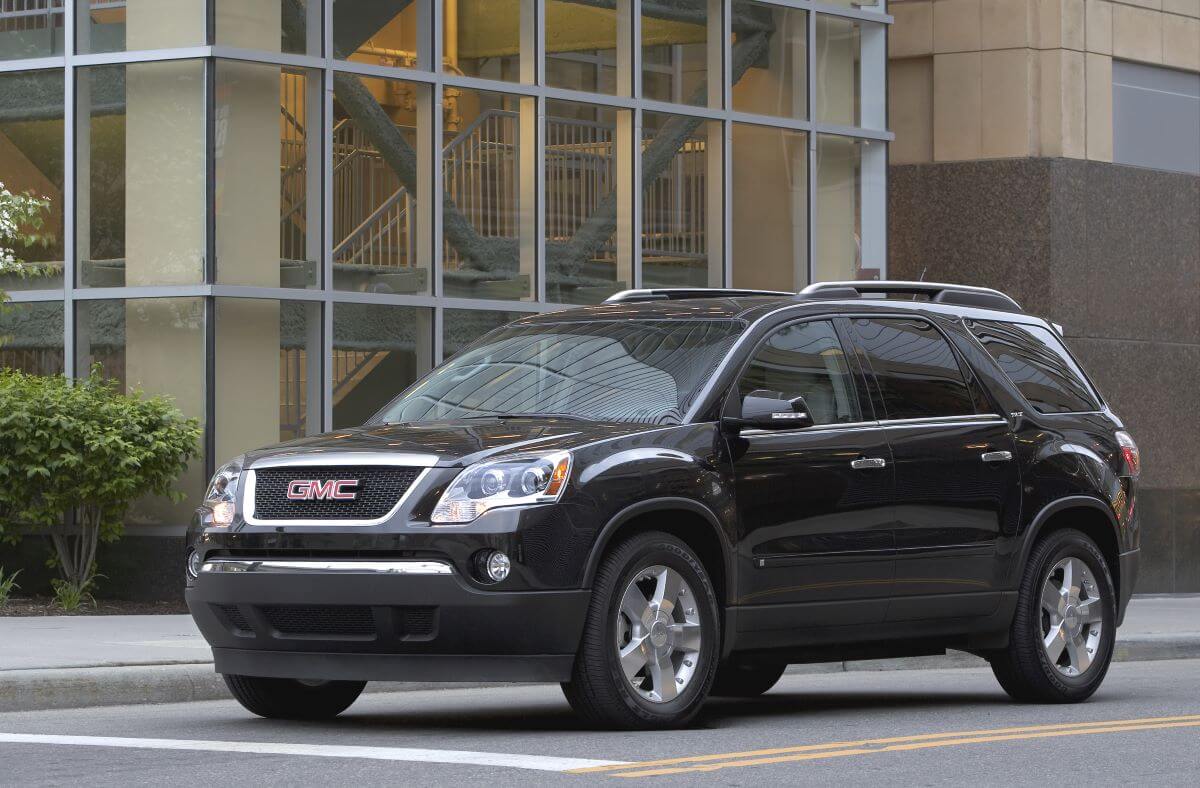
The Bottom Line: Avoid These Gmc Acadia Years
To sum up, the GMC Acadia years to avoid are:
- 2007–2012 (first generation, especially 2007–2009)
- 2013 (less risk, but still problematic)
- 2017 (first year of second generation)
Buying from these years brings a higher chance of expensive repairs and reliability issues. The best Acadias are from 2015–2016 and 2019 or newer. Always get a full inspection and check the vehicle’s history before buying.
If you want to see more detailed reliability data or owner reviews, the Consumer Reports GMC Acadia page is a trusted resource.
Credit: www.motorbiscuit.com
Frequently Asked Questions
What Is The Worst Year For The Gmc Acadia?
The 2008 GMC Acadia is often listed as the worst year due to high numbers of transmission failures and timing chain problems. Repair costs are high, and reliability is low.
Are Newer Acadias More Reliable?
Yes, 2019 and newer Acadias have fewer complaints and better reliability ratings. GM improved both mechanical and electronic systems, making these years safer choices.
Can I Fix The Timing Chain Problem Before It Fails?
You can replace the timing chain as preventive maintenance, but it is expensive (often $2,500–$4,500). Most owners only replace it when symptoms appear, but early replacement can sometimes prevent engine damage.
Is The Acadia A Good Family Suv?
The Acadia offers good space, comfort, and safety features, especially in recent years. But choosing the wrong year can lead to high costs. If reliability is a top concern, also consider the Honda Pilot or Toyota Highlander.
What Should I Check On A Used Gmc Acadia?
Focus on transmission performance, timing chain noise, full maintenance records, and any signs of water leaks or electrical issues. Always get a pre-purchase inspection from a mechanic who knows Acadias.
Choosing the right GMC Acadia year makes all the difference. With the right information and careful shopping, you can enjoy this SUV’s strengths while avoiding costly mistakes.