

Few vehicles inspire adventure like the Jeep Wrangler. Its boxy shape, removable roof, and rugged look make it an icon. Wranglers are famous for off-road ability and a loyal community. But not every Wrangler model is a winner. Some years bring headaches, not happy memories. If you’re looking to buy a used Wrangler, knowing which years to avoid can save you time, money, and frustration. This guide gives you clear, practical advice so you don’t make costly mistakes.
Why Some Jeep Wrangler Years Are Problematic
Wranglers have changed over decades. New generations brought better engines, safer features, and more comfort. But some years, Jeep made changes that caused trouble. Sometimes parts failed, sometimes repairs were expensive, and sometimes safety was compromised. Owners and experts have shared stories of certain years with big problems, especially with:
- Engine reliability
- Transmission issues
- Rust and corrosion
- Electrical faults
- Safety recalls
These problems don’t affect all Wranglers, but certain years stand out for frequent complaints. For example, a sudden change in technology or a new supplier can lead to parts that break easily or don’t last. In some years, Jeep tried to make Wranglers more modern, but the result was more complicated electronics that fail often.
Sometimes, these issues appear only after several years of use, so buyers don’t see them right away.
Another factor is the way Wranglers are used. Many owners drive off-road or in harsh weather, which can make problems worse. A weak part may survive city driving but break quickly on rocky trails or muddy roads. Some years also have more recalls—when Jeep admits a part is unsafe and offers to fix it.
But recalls don’t always solve every issue, especially if the damage has already happened.
Jeep Wrangler Generations Overview
Before diving into years to avoid, it’s helpful to understand Wrangler generations. Each generation has unique strengths and weaknesses.
| Generation | Years | Key Changes |
|---|---|---|
| YJ | 1987–1995 | Square headlights, basic features |
| TJ | 1997–2006 | Round headlights return, coil spring suspension |
| JK | 2007–2018 | Four-door introduced, modern comforts |
| JL | 2018–present | Improved engines, advanced tech |
Each generation has good and bad years. Some models are reliable, others had big issues. For example, the YJ is known for simple mechanics and easy repairs, but it lacks modern safety features. The TJ brought smoother suspension and better ride quality, making it a favorite for many fans.
The JK is popular for its roomier interior and four-door option, but it’s also the source of most complaints. The JL is the newest, with modern engines and technology, but still not perfect—some owners report minor electronics issues.
Understanding these generations helps you see where the main problems started. For example, JK models have more complaints about electronics and leaks, while TJ models are praised for their durability but criticized for some rust issues.

Credit: www.youtube.com
Wrangler Years To Avoid: Detailed Breakdown
Let’s look closely at specific years that often cause problems. These are years with the most owner complaints, recalls, and expensive repairs. Avoiding these can help you get a Wrangler that’s fun—not frustrating.
1. 2007 Jeep Wrangler
The 2007 Wrangler marked the start of the JK generation. Many buyers were excited about the new style and four-door option. But this year brought problems:
- Total owner complaints: Over 1,500 (CarComplaints.com)
- Main issue: Faulty TIPM (Totally Integrated Power Module)
- Symptoms: Random stalling, electrical failures, airbag issues
- Repair cost: $900–$1,200 for TIPM replacement
The TIPM controls many electrical functions. When it fails, the vehicle can stall or refuse to start. Airbag lights, wipers, and lights may malfunction. Jeep issued recalls, but many owners faced high repair bills. This year also had early transmission issues.
Some owners report the TIPM problem never fully goes away, even after repairs. Another hidden issue is the premature rust, especially on the frame and underbody.
2. 2008 Jeep Wrangler
The 2008 model continued the JK generation’s problems. Owners reported:
- Persistent TIPM issues
- Transmission slips and jerks
- Leaking hardtop and water damage
- Dashboard warning lights
Many 2008 Wranglers suffer water leaks, especially around doors and roof seams. This can lead to mold, damaged electronics, and rust. Transmission failures are common, especially on vehicles with over 100,000 miles. Even well-maintained Wranglers from this year can develop leaks after heavy rain or car washes.
Owners often find wet carpets or foggy windows, which means the water is getting inside. Fixing these leaks can require replacing seals or even removing the roof panels.
3. 2012 Jeep Wrangler
The 2012 Wrangler is infamous for engine trouble. Jeep switched to the 3.6L Pentastar V6, but early versions had flaws:
- Engine ticking noise
- Cylinder head failures
- Oil consumption
- Check engine light
Cylinder head failures are expensive—replacement can cost $2,000–$4,000. Jeep extended the warranty for some owners, but many had to pay out-of-pocket. Engine misfires lead to poor performance and rough idling. Some owners say their Wranglers lost power while driving, making it dangerous in traffic or off-road.
Another issue is the oil consumption—some engines burn oil fast, leading to low levels and potential damage.
4. 2013 Jeep Wrangler
Problems continued in 2013:
- Engine problems (Pentastar V6)
- Heater core failures
- Faulty airbags
- Electrical issues
Heater core failures lead to poor heat and foggy windows—a serious issue in cold climates. Airbag problems resulted in recalls. Electrical glitches caused warning lights and malfunctioning accessories. The heater core often fails without warning, making winter driving uncomfortable or unsafe.
Owners sometimes report needing multiple repairs before the heat works again. Airbag recalls are serious—if ignored, passengers may not be protected in a crash.
5. 2014 Jeep Wrangler
The 2014 model saw fewer engine issues but more complaints about:
- Transmission shifting problems
- Electrical faults
- Heater failures
- Airbag recalls
Many owners report the automatic transmission hesitates or shifts roughly. Electrical problems cause strange dashboard lights and unpredictable wipers or windows. In some cases, the transmission issues appear at low mileage, making the vehicle unreliable. Owners also report the heater failing again, especially in cold regions.
Electrical faults can lead to windows getting stuck or lights turning on and off by themselves.
6. 2010 Jeep Wrangler
The 2010 Wrangler had issues with:
- Fuel system leaks
- Rust on frame and underbody
- Air conditioning failures
Rust is a major concern, especially in cold states where roads are salted. Frame rust can be expensive to repair. Fuel leaks are dangerous, especially during refueling. Many owners notice rust just a few years after buying, even with regular cleaning.
Fuel leaks can cause strong smells and even pose a fire risk. The air conditioning often fails, making summer drives uncomfortable.
7. 2011 Jeep Wrangler
This year had similar problems:
- Premature rust
- Engine stalling
- Electrical failures
Many owners noticed rust after only a few winters. The engine stalling is often tied to TIPM issues again. Sometimes, the stalling happens suddenly, making the vehicle hard to trust on highways. Electrical failures can affect headlights, dash displays, and even the starter.
8. 2015 Jeep Wrangler
The 2015 model brought new issues:
- Water leaks in hardtop
- Touchscreen glitches
- Transmission jerks
Water leaks can damage interior electronics and cause mold. Infotainment system problems are frustrating and expensive to fix. Many owners report the touchscreen freezing or rebooting randomly. Transmission jerks can make driving feel rough, especially when shifting gears.
9. 2016 Jeep Wrangler
Complaints include:
- Airbag recalls
- Transmission slippage
- Electrical faults
Airbag recalls were frequent. Transmission slippage caused poor driving experience and expensive repairs. Some drivers say the transmission slips out of gear or lags when accelerating. Electrical faults can affect the radio, lights, and even power windows.
10. 2017 Jeep Wrangler
The last JK year saw:
- Persistent airbag recall issues
- Steering “death wobble”
- Transmission problems
The death wobble is a violent steering shake at highway speeds. It’s caused by worn suspension parts and can be frightening. Many owners report spending hundreds or thousands to fix this issue, but it sometimes comes back. Transmission problems also continue, with complaints about rough shifting and sudden jerks.
Most Common Wrangler Problems In Bad Years
Let’s summarize the most frequent issues in the years above:
| Problem | Symptoms | Estimated Repair Cost |
|---|---|---|
| TIPM failure | Stalling, electrical faults | $900–$1,200 |
| Engine failure | Ticking, misfire, rough idle | $2,000–$4,000 |
| Transmission issues | Slipping, jerking, hard shifting | $1,500–$3,000 |
| Rust | Visible corrosion, weak frame | $500–$2,500 |
| Water leaks | Wet carpets, mold, electrical damage | $200–$1,000 |
| Airbag recall | Warning lights, safety risk | Free (recall repair) |
Some owners face multiple issues at the same time, making repairs even more costly. For example, water leaks can lead to rust and electrical damage, multiplying repair bills.
Why Do These Years Have More Problems?
There are several reasons:
- New technology bugs: When Jeep introduced new features (like the Pentastar engine or electronic modules), some parts failed more often. Sometimes, these bugs were not found during testing, so they appeared only after thousands of vehicles were sold.
- Cost-cutting: Some years saw cheaper materials, leading to rust or leaks. In some models, Jeep used thinner metal or less durable seals to save money, but this made the vehicle less reliable.
- Supplier issues: Faulty parts from suppliers caused recalls (airbags, TIPM). Jeep doesn’t make every part itself; sometimes, outside companies provide parts that aren’t up to standard.
- Design flaws: Poor sealing allowed water to enter, especially in JK models. The shape of the roof and doors changed in some years, and this made leaks more common.
These factors mean buying from these years is riskier, especially if the vehicle wasn’t well maintained. Some problems are impossible to fix without replacing major parts, which can cost more than the vehicle is worth.
Jeep Wrangler Years With Fewer Issues
Not all Wranglers are problematic. Some years stand out for reliability and fewer complaints. If you want a Wrangler that’s less likely to cause trouble, these years are safer bets.
- 1997–2006 TJ Wranglers: Especially 2003–2006, reliable engines and simple electronics.
- 2018–present JL Wranglers: Improved build quality, better engines, fewer widespread issues (but still some recalls).
- 2009 Jeep Wrangler: Fewer engine and transmission complaints than surrounding years.
- 2014 Jeep Wrangler: Some problems, but fewer than 2012–2013.
These years still need careful inspection, but they’re less likely to have major faults. Owners report fewer breakdowns and lower repair costs. For example, TJ models are easy to work on, with fewer complex electronics that can fail. JL models have modern safety features and better fuel economy, making them appealing for daily use.
How To Spot A Problem Jeep Wrangler
Even if you avoid the worst years, some Wranglers are poorly maintained. Here’s what to check before buying:
- Rust on frame and underbody: Use a flashlight to check the chassis, especially near welds and suspension mounts. Look for bubbling paint, flaking metal, or holes.
- Engine ticking or misfire: Listen closely at idle. A ticking sound may signal a cylinder head problem. Rev the engine gently and see if the sound changes.
- Transmission shifting: Test drive at different speeds. Hard shifts or jerks are warning signs. Try both slow and fast acceleration.
- Water leaks: Check carpets, headliner, and door seals for moisture or mold. Smell for musty odors, which often mean hidden leaks.
- Electrical faults: Test lights, wipers, horn, windows, and infotainment. Look for warning lights. If any accessory doesn’t work, it could be a sign of TIPM failure.
- Airbag recall status: Ask the seller for recall records. Free repairs may be available.
You can also use the Vehicle Identification Number (VIN) to look up recall and repair history online. Some websites let you see if the vehicle had accidents, which can cause hidden problems.
Extra tip: Check the tires for uneven wear. Bad suspension or alignment can cause tires to wear out faster, hinting at deeper issues.
Buying Tips For Used Jeep Wranglers
If you’re set on a used Wrangler, follow these tips:
- Get a pre-purchase inspection: A trusted mechanic can spot issues you might miss. Even small problems can lead to big repairs later.
- Check for recalls: Some repairs are free if recalls are open. Ask the seller for proof that recall work was done.
- Ask about maintenance records: Oil changes, transmission service, and rust protection are critical. Consistent records mean the owner cared for the vehicle.
- Avoid heavily modified vehicles: Lift kits, big tires, and aftermarket parts can hide damage or cause problems. Off-road modifications are fun, but they often lead to extra wear and tear.
- Test drive in different conditions: Try highway, city, and rough roads. Listen for strange sounds and feel for unusual vibrations.
Wranglers hold value well, so prices may be high even for older models. But paying more for a well-maintained, reliable year is smarter than saving up front and paying for repairs later. Also, consider the climate where the vehicle was used.
Wranglers from snowy states may have more rust, while those from dry states may be in better shape.
Real Owner Stories: Wrangler Problems In Action
Many Wrangler owners share stories online. Here are two examples:
- A 2012 Wrangler owner reported engine ticking at 60,000 miles. Jeep replaced the cylinder head under warranty, but the problem returned after 10,000 miles. Total repair costs reached $3,500.
- A 2007 Wrangler owner faced stalling issues. After replacing the TIPM, alternator, and battery, the vehicle still stalled randomly. Electrical repairs cost over $2,000, and the problem was never fully fixed.
These stories show how important it is to check for common problems—and avoid bad years. Some owners say they wish they had spent more time researching before buying. Others share that buying from a dealer with a warranty helped them save money when issues appeared.
Jeep Wrangler Vs. Other Suvs: Reliability Comparison
How does the Wrangler compare to similar vehicles? Here’s a data snapshot:
| Vehicle | Average Reliability (1-10) | Common Issues |
|---|---|---|
| Jeep Wrangler | 6 | Engine, transmission, rust |
| Toyota 4Runner | 9 | Minor electronics |
| Ford Bronco | 7 | Transmission, electronics |
| Chevrolet Blazer | 8 | Engine, electronics |
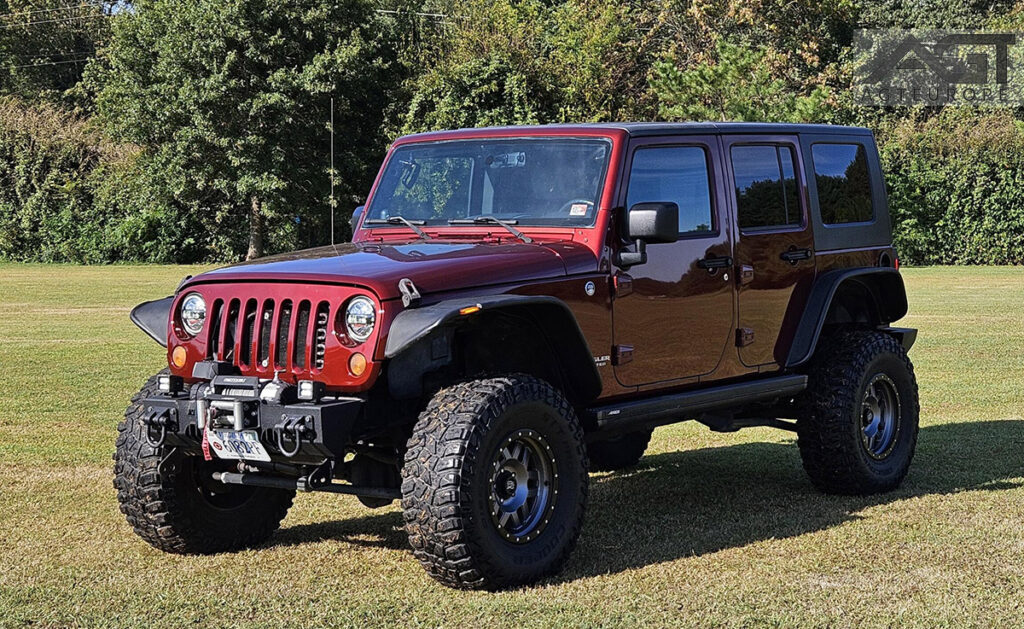
Wrangler offers unique style and off-road ability, but it’s not the most reliable in its class. Toyota 4Runner is often praised for lasting longer with fewer repairs. If reliability is your top concern, comparing Wranglers with these SUVs can help you make a smarter choice. Also, note that Wranglers are easier to customize and repair for off-road use, but this comes at the cost of more frequent maintenance.
Credit: agtauto.com
Hidden Costs: What Beginners Often Miss
Many first-time buyers overlook these extra expenses:
- Higher insurance premiums: Wranglers are often more expensive to insure due to theft risk and off-road accidents. Modified Wranglers can cost even more to cover.
- Fuel economy: Most Wranglers get 15–18 mpg, less than many SUVs. This means you’ll spend more on gas, especially for daily driving or long trips.
- Tire wear: Off-road tires wear faster, and replacements can cost $800–$1,200 for a set. Bigger tires also affect fuel economy and ride comfort.
- Hard-to-find parts: Some older models need rare parts, especially for the YJ and TJ generations. Waiting for parts can mean longer repair times.
Wrangler ownership is fun, but costs can add up quickly. Another hidden cost is depreciation. Some years lose value faster than others, especially those with known issues.
How To Research Before You Buy
Don’t rely only on seller claims. Use these tools:
- VIN check websites: Look up recall status and repair history.
- Online forums: Jeep forums have detailed owner reviews and advice. Real owners share tips about what to watch for and how to fix common issues.
- CarComplaints.com: Tracks common issues by year and model. This site gives you a quick look at which years have the most complaints.
- Mechanic’s report: Always ask for a professional inspection.
You can also read official recall information at the National Highway Traffic Safety Administration. Checking multiple sources gives you a clearer picture of the vehicle’s history.
Should You Buy A Wrangler From A “bad” Year?
It’s possible to find a good Wrangler from a bad year, but it’s risky. Only buy if:
- The owner has full maintenance records.
- Major issues have already been fixed (with proof).
- The price is low enough to cover possible repairs.
Otherwise, it’s safer to choose a more reliable year. Even if you’re skilled at repairs, some problems are too expensive or time-consuming. Don’t let excitement about off-roading lead you into a costly mistake.
Wrangler Maintenance Tips For Problem Years
If you already own a Wrangler from a risky year, you can reduce problems with good care:
- Change oil regularly: Prevent engine wear. Use the recommended oil type and change it on schedule.
- Check for recalls: Free repairs can fix big issues. Don’t ignore recall notices—they can save you money.
- Inspect for rust: Clean and protect the underbody. Use rust-proofing sprays and wash the frame often, especially after winter.
- Test electronics: Catch faults early. If you notice warning lights or strange behavior, get it checked right away.
- Drive gently: Avoid hard off-road use if you suspect weak parts. Aggressive driving can make problems worse.
Proper maintenance can help, but it won’t fix design flaws or poor-quality parts. Consider budgeting for future repairs and learning basic DIY skills to save money.
What To Do If You Already Bought A Problem Wrangler
Don’t panic. Here’s a plan:
- Check for open recalls: Repairs may be free.
- Visit a trusted mechanic: Get a full inspection.
- Budget for common repairs: Expect to spend $1,000–$4,000 over time if you have engine or transmission issues.
- Join Jeep forums: Other owners can help with advice and DIY fixes.
Some problems can be managed, but others (like engine failure) may be too expensive to fix. If repairs cost more than the vehicle’s value, consider selling and upgrading to a better year.
Frequently Asked Questions
Is It Risky To Buy A Jeep Wrangler From 2007–2011?
Yes, these years have more complaints about engine stalling, electrical faults, and rust. Repairs can be expensive, and problems are common even at low mileage. Only buy if the vehicle has proof of repairs and maintenance.
Which Wrangler Year Is Most Reliable?
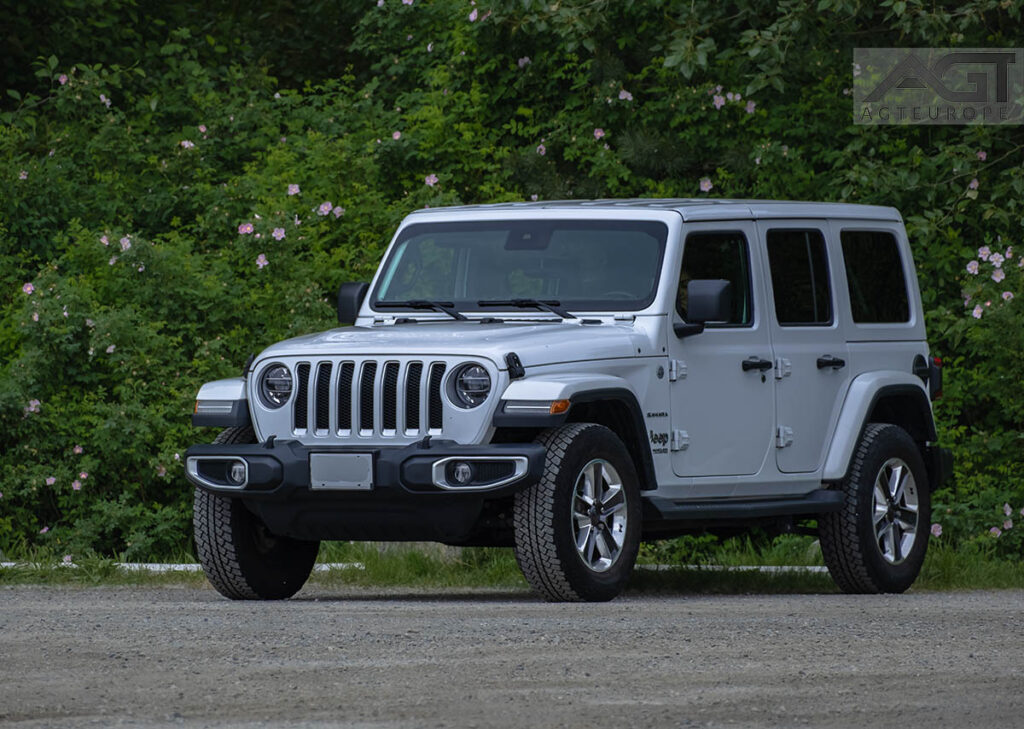
Many experts recommend the 2018–present JL models and the 2003–2006 TJ models. These years have fewer widespread issues and better build quality. Always check maintenance history before buying.
What Is The Jeep Wrangler “death Wobble”?
The death wobble is a violent steering shake at highway speeds. It’s caused by worn suspension parts, loose track bars, or tires. It’s most common in JK models (2007–2018) but can happen in any Wrangler. Repairs usually involve replacing bushings, tie rods, and track bar mounts.
How Can I Check If A Wrangler Has Recalls?
Use the VIN at the official NHTSA website (NHTSA Recall Lookup). Enter the VIN to see open recalls, which are repaired for free at Jeep dealers.
Do Wranglers Have High Maintenance Costs?
Yes, especially in problematic years. Engine repairs can cost $2,000–$4,000, transmission $1,500–$3,000, and electrical faults $900–$1,200. Regular maintenance (oil, tires, brakes) is also higher than many SUVs.
Credit: agtauto.com
Final Thoughts
Buying a used Jeep Wrangler can be an adventure—but only if you choose wisely. Some years bring fun, others bring frustration and high bills. If you avoid the worst years (especially 2007–2008 and 2012–2013), check for common problems, and insist on maintenance records, you’ll be much happier with your Jeep. Remember, Wranglers are built for adventure, but reliability matters. By following this guide, you can enjoy the open road, not the repair shop. And if you ever have doubts, ask other owners or mechanics for advice—they can help you make a smarter choice.