

If you’re thinking about buying a Chevrolet Camaro, you’re not alone. The Camaro is an American icon, loved for its bold looks and strong performance. But not every year is a winner. Some Camaro years come with big problems—issues that can cost you thousands or leave you stranded. Knowing which Camaro years to avoid can save you headaches, money, and time. This guide breaks down the years you should be careful about, why they have issues, and what to look for instead.
Why Some Camaro Years Are Best Avoided
Every car model has good and bad years. The Camaro is no different. Some years, Chevy introduced major changes or new engines, and problems followed. Other years, quality slipped, or certain parts wore out faster than expected. Cars from these years may look great, but they can have hidden troubles like engine failures, transmission problems, electrical issues, and rust.
Two things often catch beginners off guard. First, not all recalls fix long-term reliability. A recall might solve one safety issue, but other parts could still fail. Second, even low-mileage Camaros from “bad years” can develop expensive problems. Just because a car has been driven less doesn’t mean it escaped factory flaws.
The Camaro Timeline: Generations And Major Changes
To understand which years to avoid, it helps to know how the Camaro’s history is divided. There are six main generations:
- First Generation: 1967–1969
- Second Generation: 1970–1981
- Third Generation: 1982–1992
- Fourth Generation: 1993–2002
- Fifth Generation: 2010–2015
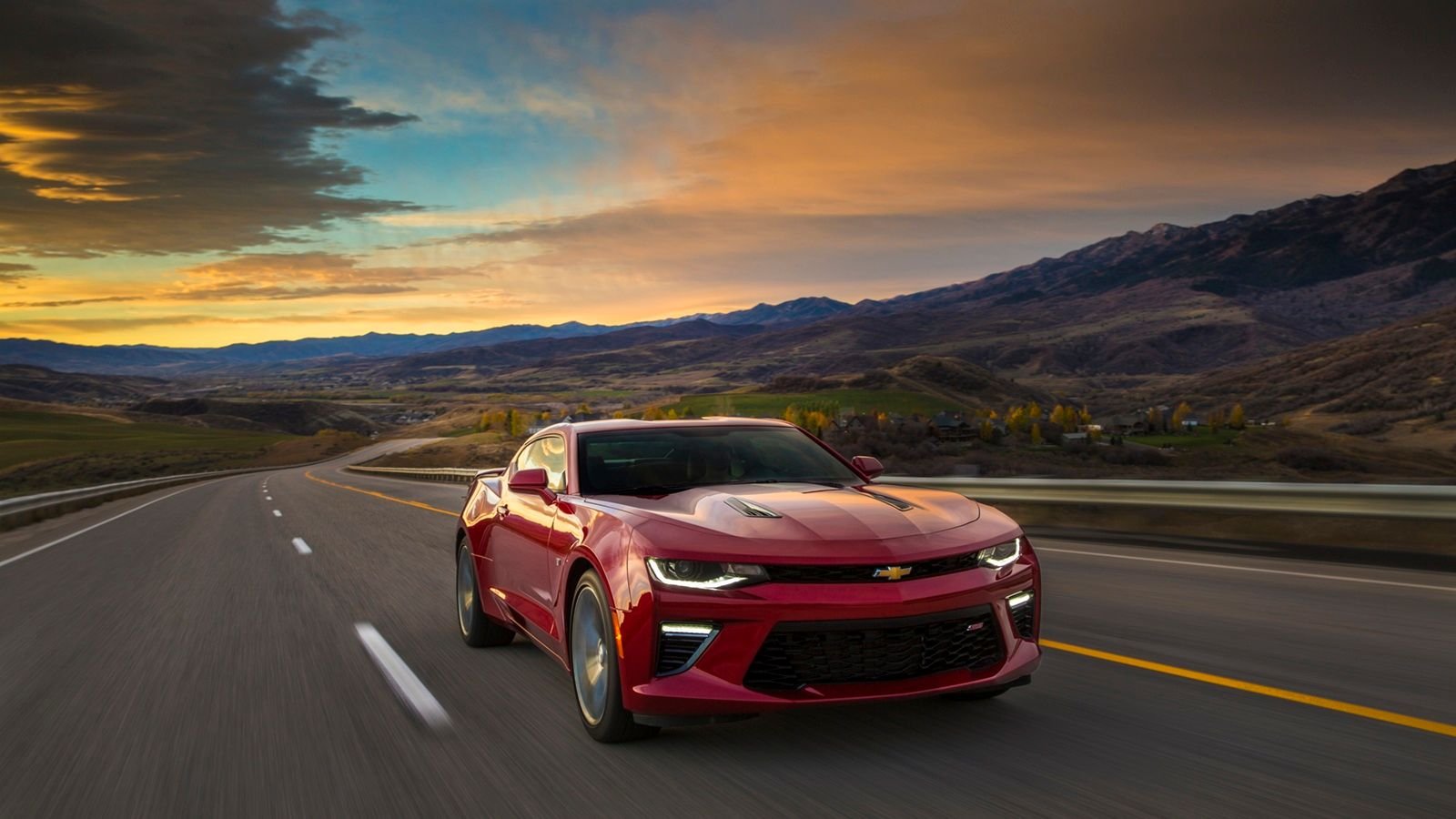
- Sixth Generation: 2016–2024
Each generation brought new designs, engines, and technology. While every generation has its fans, some had more growing pains than others.
Camaro Years To Avoid: The Most Problematic
The following years stand out for reliability complaints, recalls, and owner frustrations. Here’s what makes each of these years risky:
1980–1982 Camaro
These early 1980s models are often cheap to buy, but their problems can be costly. Many of these cars suffer from:
- Weak engines: Underpowered V6s and V8s that struggle to deliver performance
- Poor build quality: Rattling interiors, cheap plastics, and leaky seals
- Rust: These models are especially known for body rust, which is expensive to repair
In 1982, Chevy launched the third generation Camaro with a new body and fuel injection. However, first-year models often have more factory defects as the kinks are worked out.
1995–2002 Camaro
The late fourth-generation Camaro is famous for its style and speed, but these years have some of the most serious reliability concerns.
- 1995–1997: Electrical issues and engine sensor failures are common. The Optispark ignition system (especially on V8 models) is known for breaking down, causing misfires and stalling.
- 1998–2002: While the LS1 V8 engine is powerful, it’s not free of problems. Owners report oil leaks, window motor failures, and worn-out transmissions.
Insurance data also shows that these years are more likely to be involved in accidents—possibly due to their popularity among young, aggressive drivers. Safety features lagged behind newer cars, making crash injuries more likely.
2010–2011 Camaro
The Camaro returned after an eight-year break in 2010, and excitement was high. But the first years of the fifth generation struggled with:
- Timing chain failures: Especially on the V6 (LLT engine), leading to sudden breakdowns and expensive repairs.
- Transmission problems: Hard shifting and failure in the automatic transmissions.
- Electrical gremlins: Issues with door locks, window switches, and dashboard controls.
First-year models often have more recalls and technical service bulletins as manufacturers work out new-car bugs.
2013 Camaro
While not as notorious as 2010–2011, the 2013 Camaro brought its own set of issues:
- MyLink infotainment problems: Freezes, reboots, and unresponsive screens.
- Air conditioning failures: Compressors and controls often stop working, especially in hot climates.
- Premature clutch wear: Manual transmission models see clutches wearing out faster than expected.
2016 Camaro
The launch of the sixth-generation Camaro came with new engines and a lighter body, but the 2016 model year saw:
- Turbocharged engine issues: The 2.0L turbo suffered from coolant leaks and overheating.
- Transmission shudder: Many owners reported vibration and harsh shifting with the 8-speed automatic.
- Infotainment glitches: Similar to previous years, technology bugs were common.
2017–2018 Camaro
Problems continued for a couple more years:
- Transmission problems: The 8-speed automatic had “shudder” and hard shifting. Many cars needed transmission fluid flushes or even full replacements.
- AC compressor failures: Owners complained of weak or non-working air conditioning.
- Rear axle issues: Strange noises and early wear on differential components.
Data Comparison: Camaro Years And Reported Problems
To give you a clearer picture, here’s a comparison of major problem areas across different Camaro years:
| Model Year | Engine Issues | Transmission Issues | Electrical Problems | Body/Rust |
|---|---|---|---|---|
| 1980–1982 | High | Medium | Low | High |
| 1995–1997 | High | Medium | High | Medium |
| 1998–2002 | Medium | High | Medium | Medium |
| 2010–2011 | High | High | High | Low |
| 2013 | Medium | Medium | High | Low |
| 2016 | High | High | Medium | Low |
| 2017–2018 | Medium | High | Medium | Low |
Common Problems In Camaro Years To Avoid
Understanding the main problems in these years can help you spot warning signs when shopping.
Engine Issues
- Timing chain failure (2010–2011 V6): When this happens, the engine can stop running without warning. Fixing it can cost over $2,000.
- Optispark ignition failure (1995–1997 V8): This unique system is hard to service and often needs full replacement.
- Turbo coolant leaks (2016): The 2.0L turbo’s coolant lines can leak, causing overheating and engine damage if ignored.
Transmission Problems
- 8-speed automatic shudder (2016–2018): Many owners feel a harsh vibration or “rumble strip” effect when driving at low speeds.
- Manual transmission clutch wear (2013): The clutch may wear out in as little as 30,000 miles, leading to expensive repairs.
Electrical And Infotainment Glitches
- Frozen screens (2013–2016): The MyLink system sometimes locks up or restarts on its own.
- Power window/lock failures (2010–2011): Switches and motors can fail, especially in humid climates.
Air Conditioning Problems
- Compressor failure (2013, 2017–2018): Owners report sudden loss of AC, which can be costly to fix—often $1,000 or more.
Rust And Body Issues
Early 1980s models are notorious for rust, especially in the floor pans, trunk, and lower fenders. Even if a car looks solid outside, check underneath and in hidden corners.
Recalls And Technical Service Bulletins
Recalls are official fixes from Chevrolet, but not all owners get them done. Technical Service Bulletins (TSBs) are less public but show patterns of complaints. The years listed above have more TSBs than average. For example:
- The 2010 Camaro had TSBs for timing chain stretch, steering wheel vibration, and battery drain.
- The 2016 Camaro had multiple TSBs for the 8-speed automatic transmission shudder.
Always check a car’s VIN on the official recall website before buying. Not all recalls show up in basic history reports.

Credit: www.reddit.com
Owner Complaints: Real-world Experiences
Online forums and complaint databases are full of frustrated stories from owners of these years. For example:
- One owner of a 2011 Camaro V6 described the engine stopping suddenly at 65 mph, later traced to a failed timing chain.
- A 2016 Camaro owner reported repeated trips to the dealer for transmission “shudder,” with only temporary fixes.
Sites like CarComplaints and the National Highway Traffic Safety Administration (NHTSA) show spikes in complaints during these years.
Comparing Camaro Reliability: Best Vs. Worst Years
Here’s a side-by-side look at how the most problematic years compare with the most reliable ones.
| Year | Reliability Rating | Common Issues | Average Repair Cost (per year) |
|---|---|---|---|
| 2010 | Poor | Timing chain, transmission, electrical | $1,150 |
| 2013 | Below Average | Infotainment, AC, clutch | $950 |
| 2016 | Poor | Transmission, turbo leaks | $1,100 |
| 2012 | Good | Minor electrical | $700 |
| 2014 | Good | Minor AC | $650 |
| 2020 | Excellent | Few complaints | $500 |
Notice how repair costs jump for the worst years. Even a few extra repairs a year can add up to the price of a better car.

Credit: www.pauletteauto.com
The Most Reliable Camaro Years
While this article focuses on years to avoid, it’s important to know there are many good Camaros out there. Years that stand out for reliability include:
- 2012 Camaro: Most bugs from the new fifth generation were fixed. Fewer engine and transmission complaints.
- 2014–2015 Camaro: Last years of the fifth generation, with most issues sorted out.
- 2019–2021 Camaro: Sixth-generation models after 2018 have improved transmissions and better build quality.
When you shop, look for these model years first. They offer the Camaro experience with much less risk.
What To Check When Buying A Used Camaro
If you find a Camaro from a risky year, don’t panic. Some well-maintained cars can still be good buys. Here’s what to check:
- Service records: Ask for proof of regular oil changes and major repairs. Look for timing chain or transmission replacements.
- Recalls and TSBs: Use the car’s VIN to check for completed recalls.
- Test drive: Listen for transmission shudder, rough shifting, or engine noise.
- Infotainment test: Try every button, screen, and feature to check for glitches.
- Underbody inspection: Especially for older models, check for rust.
- Air conditioning: Turn it on and make sure it blows cold and strong.
- Electrical check: Test all windows, locks, and lights.
It’s wise to have a trusted mechanic do a pre-purchase inspection, especially if you’re not experienced with cars.
Buyer Mistakes To Avoid
Many buyers focus only on the car’s price or mileage. But two mistakes often lead to regret:
- Assuming low miles means reliability: Factory flaws can show up no matter the mileage.
- Ignoring expensive model-specific repairs: For example, a 2010 V6 Camaro with a replaced timing chain may still need a new transmission soon.
A car with a clean history, recent repairs, and complete service records is often better than a lower-mile car with unknown maintenance.
How The Camaro Compares To Rivals
If you’re open to other muscle cars, it helps to see how the Camaro stacks up against the Ford Mustang and Dodge Challenger during these problem years.
| Year | Camaro | Mustang | Challenger |
|---|---|---|---|
| 2010 | Poor reliability | Better reliability | Average reliability |
| 2016 | Poor transmission | Some engine issues | Good reliability |
| 2018 | Transmission shudder | Minor electrical | Few complaints |
During the worst Camaro years, rivals sometimes offer a better balance of performance and reliability. Always compare before you decide.
What To Do If You Already Own A Problematic Camaro Year
If you already own a Camaro from one of these years, don’t panic. Here are some practical steps:
- Stay on top of maintenance: Regular oil changes, fluid flushes, and using high-quality parts can prevent bigger issues.
- Watch for recalls and TSBs: Check the NHTSA website every few months.
- Fix small problems early: A minor leak or noise can turn into a major repair if ignored.
- Find a specialist: Some independent mechanics know Camaros better than general auto shops.
If your car develops a serious problem (like timing chain failure or transmission shudder), get several repair quotes. Sometimes a used engine or transmission is more cost-effective than repeated repairs.
Why First-year Models Are Riskier
Beginners often miss that the first year of a new generation brings more risk. Why? Automakers introduce new parts, engines, and technology, but real-world testing only happens after the car is sold. Recalls, TSBs, and fixes follow, but owners of the first-year models face the most trouble.
For the Camaro, the 2010 and 2016 models—both first-year cars for their generations—show this pattern. If you want the new look or features, consider waiting for the second or third year after a redesign.
Hidden Costs: Insurance And Resale Value
Problematic Camaro years often cost more to insure. Insurers set rates based on claim history, and years with more accidents or thefts mean higher premiums. For example, a 2010 Camaro typically costs 10–20% more to insure than a 2012 model.
Resale values also drop faster for “bad” years. Even if you fix the common issues, buyers know to avoid these years. This means more money lost when it’s time to sell or trade in your Camaro.
How To Spot A Well-maintained Camaro
Sometimes, you’ll find a Camaro from a risky year that’s been well cared for. Here are signs of a good find:
- Thick folder of service records
- Upgraded parts (like a new transmission or improved timing chain kit)
- No warning lights on the dash
- Smooth driving with no odd noises, vibrations, or leaks
These cars can still be a good value, but always budget extra for possible repairs.
Credit: ls1tech.com
Should You Ever Buy A Camaro From A “bad” Year?
Sometimes, the price is low enough that it’s worth the risk—especially for car enthusiasts who can do their own repairs. But for most buyers, it’s better to choose a year with fewer issues. If you must buy from a riskier year, negotiate a lower price and set aside money for possible repairs.
Learning From Other Owners
Online forums, YouTube reviews, and owner groups are valuable resources. Real people share their repair stories, tips, and costs. For example, the Camaro5 and Camaro6 forums are packed with advice on what to check, how to fix common problems, and which shops are best.
Reading these stories can prepare you for ownership and help you avoid common mistakes.
Where To Find Reliable Information
Don’t rely only on dealer sales pitches or quick online ads. Use trusted sites for recall info, owner complaints, and technical data. The National Highway Traffic Safety Administration (NHTSA) and Consumer Reports are good places to start.
Final Thoughts: Making A Smart Camaro Choice
The Camaro is a thrilling car—when you pick the right year. Avoiding the most problematic years can help you enjoy the style and speed without constant repairs or big bills. Focus on model years with a better reliability record, and always check service history and recall status before buying.
If you’re open to other muscle cars, compare the Mustang and Challenger for the years you’re considering. Remember: patience and research can save you a lot of trouble and money.
Frequently Asked Questions
Which Camaro Years Are The Worst For Reliability?
The 2010–2011, 2013, 2016, and 2017–2018 Camaros are often reported as the worst for reliability. They have common problems with engines, transmissions, and electronics.
Is The 2010 Camaro A Good Buy If The Timing Chain Is Replaced?
If the timing chain has already been replaced by a qualified mechanic, that’s a good sign. But also check for transmission and electrical issues. Have a mechanic inspect the car before buying.
Are Older Camaros (1980s, 1990s) More Reliable Than Newer Ones?
Not always. Early 1980s Camaros are known for rust and weak engines, while late 1990s models have electrical and ignition problems. Well-cared-for older cars can be good, but they often need more repairs.
Do All 2016–2018 Camaros Have Transmission Issues?
Not every car, but many 2016–2018 Camaros with the 8-speed automatic have reported shudder and rough shifting. Some cars were fixed under warranty, but others needed expensive repairs. Always test drive and check service history.
What’s The Most Reliable Recent Camaro Year?
The 2019–2021 Camaros stand out for reliability. They have fewer complaints, better transmissions, and improved build quality compared to earlier sixth-generation models.
With careful research and a close look at service records, you can find a Camaro that’s fun and reliable for years to come.