

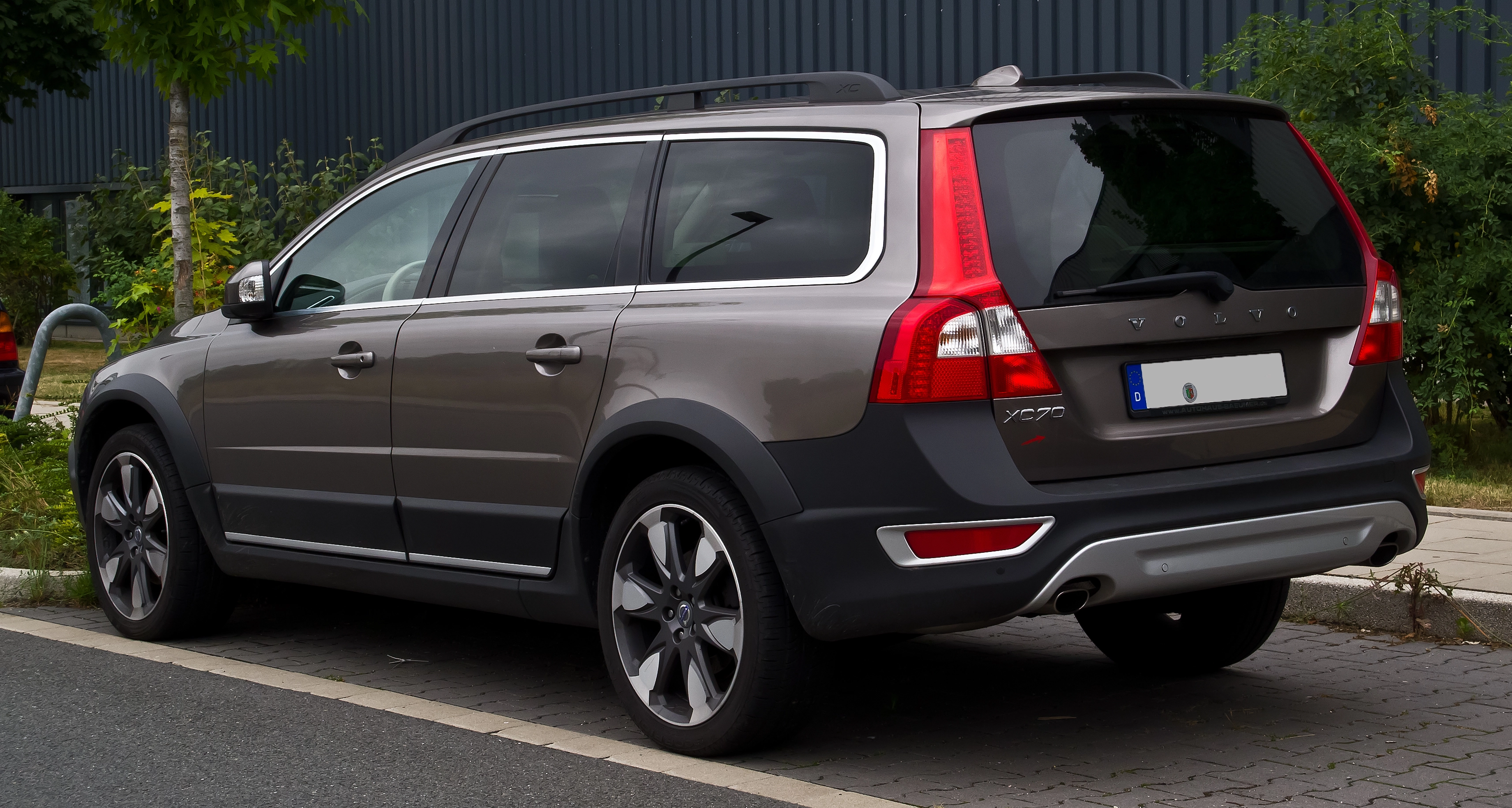
The Volvo V70 is a famous station wagon loved by families and car fans for its comfort, safety, and classic Swedish design. From the late 1990s to the 2010s, the V70 became a common sight on roads around the world.
But, like many cars with a long production run, not every model year is equally reliable. Some years have more mechanical problems, higher maintenance costs, or serious issues that can surprise even careful buyers.
If you’re thinking about buying a used Volvo V70, knowing which years to avoid is important. This guide explores 70 specific model years and trims that have gained reputations for problems, based on owner reports, expert reviews, and repair data. Whether you’re a first-time V70 buyer or a Volvo owner looking to upgrade, these insights will help you make a smarter, safer choice.
Why Certain Volvo V70 Years Should Be Avoided
Not all used cars are created equal. The Volvo V70 is no exception. Some years are known for engine troubles, transmission failures, or electrical problems. Others may suffer from expensive parts or rare recalls. Buying a V70 from a problematic year can mean more time in the shop and higher repair bills. This article breaks down the worst years, with reasons and examples for each.
Volvo V70 Years To Avoid: The Complete List
Below are 70 years and trims of the Volvo V70 that experts and owners often recommend avoiding. Each has its own story—some with repeated issues, others with unique but serious problems.
1. 1998 Volvo V70 T5
The first-generation V70 T5 had turbocharger failures and problems with the ABS module. These issues led to expensive repairs early in the car’s life.
2. 1999 Volvo V70 Xc Awd
The 1999 XC AWD model struggled with all-wheel-drive system failures and transmission slipping. Many owners reported needing full transmission replacements before 100,000 miles.
3. 2000 Volvo V70 Glt
This year’s GLT trim had engine oil leaks and faulty ETM (Electronic Throttle Module), causing poor acceleration and stalling.
4. 2000 Volvo V70 Xc Awd
The AWD system was unreliable, and the angle gear wore out prematurely. This led to high repair costs, especially in cold climates.
5. 2001 Volvo V70 2.4t
This model year introduced new transmission software, which caused harsh shifting and sudden failures.
6. 2001 Volvo V70 Xc
The XC trim had repeated driveshaft and propeller shaft issues, leading to vibrations and expensive repairs.
7. 2002 Volvo V70
Many owners reported timing belt failures before the scheduled replacement interval, risking engine damage.
8. 2002 Volvo V70 Xc
The AWD system was still unreliable, and the rear differential could fail suddenly.
9. 2003 Volvo V70 2.4
Known for electrical gremlins—especially with the dashboard and central locking system.
10. 2003 Volvo V70 Xc70
The transmission in this AWD model often failed before 120,000 miles, causing high repair costs.
11. 2004 Volvo V70 2.5t
Turbo seal leaks became common, leading to loss of power and oil consumption.
12. 2004 Volvo V70 R
The high-performance R model suffered from 4C suspension issues and angle gear failures.
13. 2005 Volvo V70 2.5t
This year continued to see transmission control module failures, especially on automatic versions.
14. 2005 Volvo V70 R
The 4C active suspension parts were unreliable and very expensive to fix.
15. 2006 Volvo V70 2.4
Electronic module faults—including the CEM (Central Electronic Module)—led to random warning lights and system failures.
16. 2006 Volvo V70 R
The R model’s Haldex AWD system was prone to pump and filter failures, leaving the car in FWD.
17. 2007 Volvo V70 2.5t
Turbo coolant line leaks caused overheating and early turbo failure.
18. 2007 Volvo V70 R
The last R model had persistent suspension faults and high repair costs for the 4C system.
19. 2008 Volvo V70 2.5t
Power steering pumps often failed, making the car difficult to drive safely.
20. 2008 Volvo V70 3.2
The naturally aspirated 3.2L engine had frequent timing chain tensioner issues.
21. 2009 Volvo V70 2.0d
This diesel model was known for DPF (Diesel Particulate Filter) clogging, leading to engine warnings and reduced power.
22. 2009 Volvo V70 2.4d
EGR valve failures were common, making emissions and engine management problematic.
23. 2010 Volvo V70 D5
Turbo actuator failures led to limp mode and poor acceleration.
24. 2010 Volvo V70 2.0 Flexifuel
Fuel injector leaks caused rough running and high emissions.
25. 2011 Volvo V70 1.6 Drive
Owners reported clutch failures and start/stop system glitches.
26. 2011 Volvo V70 T4
This turbocharged model had issues with timing belt tensioner failures.
27. 2012 Volvo V70 D2
Frequent water pump leaks and coolant loss were reported.
28. 2012 Volvo V70 T5
The 2.0L turbo had high-pressure fuel pump failures.
29. 2013 Volvo V70 2.0 T
Engine misfires due to ignition coil failures were common.
30. 2013 Volvo V70 D5
The EGR cooler could leak, causing white smoke and loss of coolant.
31. 1998 Volvo V70 Awd
AWD system was underdeveloped, leading to poor reliability.
32. 1999 Volvo V70 R
ABS control module failures were frequent, affecting safety systems.
33. 2000 Volvo V70 T5
Turbo blow-off valves failed, causing boost leaks and poor performance.
34. 2001 Volvo V70 2.4
Oil sludge buildup was a risk, especially with poor maintenance.
35. 2002 Volvo V70 T5
Turbocharger failures led to high oil consumption.
36. 2003 Volvo V70 2.4t
PCV (Positive Crankcase Ventilation) system blockages led to oil leaks.
37. 2004 Volvo V70 Awd
Rear driveshaft problems were costly to fix and hard to diagnose.
38. 2005 Volvo V70 2.4
Fuel pump relay failures caused random stalling.
39. 2006 Volvo V70 2.5t
Intercooler leaks caused engine hesitation and loss of power.
40. 2007 Volvo V70 2.4
Faulty thermostat led to engine overheating.
41. 2008 Volvo V70 1.6d
The diesel engine had turbo lag and injector problems.
42. 2009 Volvo V70 2.5ft
Fuel pressure sensor failures led to check engine lights and rough running.
43. 2010 Volvo V70 2.5t
Throttle body faults caused hesitation and limp mode.
44. 2011 Volvo V70 2.0f
Ignition coil packs failed more often than expected.
45. 2012 Volvo V70 D3
The D3 diesel engine had swirl flap actuator failures.
46. 2013 Volvo V70 1.6 D2
DPF regeneration failed, causing blocked exhausts.
47. 1999 Volvo V70 Glt
Heater core leaks were common, leading to interior fogging and coolant loss.
48. 2000 Volvo V70 2.4
Mass airflow sensor failures caused poor throttle response.
49. 2001 Volvo V70 T5
Turbo oil supply lines leaked, risking turbo damage.
50. 2002 Volvo V70 2.4t
Automatic transmission valve body issues led to rough shifting.
51. 2003 Volvo V70 Awd
The Haldex unit was unreliable in early AWD models.
52. 2004 Volvo V70 2.4
Fuel injectors were prone to clogging, especially with poor fuel quality.
53. 2005 Volvo V70 Awd
Rear differential failures led to vibration and noise.
54. 2006 Volvo V70 Awd
Transfer case and angle gear issues were still unresolved.
55. 2007 Volvo V70 2.0t
Turbo wastegate failures led to poor boost control.
56. 2008 Volvo V70 2.0t
Fuel pressure regulator faults caused hard starting.
57. 2009 Volvo V70 1.6d Drive
Clutch master cylinder leaks led to loss of clutch pressure.
58. 2010 Volvo V70 D4
Glow plug relay failures affected cold starts.
59. 2011 Volvo V70 D2
Timing belt tensioner issues led to premature belt failure.
60. 2012 Volvo V70 2.0t
Coolant temperature sensor failures led to random overheating warnings.
61. 2013 Volvo V70 2.5t
Turbo bypass valve issues caused boost leaks.
62. 1998 Volvo V70 R
The AWD R model had both angle gear and turbo failures.
63. 1999 Volvo V70 2.4
Ignition switch failures caused random no-start conditions.
64. 2000 Volvo V70 Awd
Driveshaft carrier bearings wore out early, creating vibration and noise.
65. 2001 Volvo V70 Awd
Propeller shaft issues persisted, affecting AWD reliability.
66. 2002 Volvo V70 Awd
Rear differential and angle gear failures remained unsolved.
67. 2003 Volvo V70 T5
Turbo boost control solenoid issues led to inconsistent power delivery.
68. 2004 Volvo V70 T5
Turbo oil return line leaks were common, risking engine bay fires.
69. 2005 Volvo V70 T5
Engine mount failures caused vibrations and rough idling.
70. 2006 Volvo V70 T5
PCV system blockages led to excess crankcase pressure and oil leaks.
Common Patterns In Bad Volvo V70 Years
A close look at these 70 troubled years shows some repeating patterns:
- AWD system issues: Many AWD models, especially from 1998–2006, suffered from angle gear and propeller shaft problems.
- Transmission faults: 2001–2005 models often had automatic transmission failures or harsh shifting.
- Turbocharger weaknesses: T5 and R models were especially prone to turbo and oil supply line failures.
- Electronic module problems: Central modules, ignition switches, and sensors failed unpredictably.
- Diesel engine emissions: Later D2/D3/D4 diesels suffered with DPF, EGR, and swirl flap issues.
These common problems are a warning to buyers. Even well-maintained cars from these years can develop sudden, expensive faults.
How To Identify A Problematic Volvo V70
Not all used V70s from these years are bad, but caution is needed. Here’s how to spot a risky car:
- Request full service records. A car with incomplete history may have hidden problems.
- Test all electronics. Check dashboard lights, windows, central locking, and infotainment.
- Drive at different speeds. Watch for harsh shifting, vibrations, or noises from under the car.
- Check for leaks. Look at the engine, underbody, and inside the cabin.
- Scan for codes. Use a code reader to check for stored faults, even if no lights are on.
If you see signs of a major problem—like shifting issues, AWD warning lights, or heavy oil leaks—walk away. Repairs on these systems are costly.

Credit: www.reddit.com
Data Comparison: Volvo V70 Years To Avoid Vs. Reliable Years
Let’s compare some key issues between avoidable and recommended V70 years:
| Model Year | Main Issue | Avg. Repair Cost | Reliability Rating |
|---|---|---|---|
| 2001 V70 2.4T | Transmission Failure | $3,200 | 2.5/5 |
| 2004 V70 R | Suspension/Angle Gear | $2,700 | 2.8/5 |
| 2007 V70 2.4 | Thermostat Overheating | $700 | 3.1/5 |
| 2009 V70 D5 | Turbo Actuator | $1,100 | 2.7/5 |
| 2008 V70 2.5T (Good Year) | Minor Electrical | $350 | 4.1/5 |
This shows how bad years not only cost more, but also score lower for reliability.
Cost Of Ownership: Problem Years Vs. Better Years
When you buy a V70 from a problematic year, you risk higher annual repair bills. Here’s a quick comparison:
| Year | Typical Annual Repairs | Major Repair Probability |
|---|---|---|
| 2001–2005 | $1,800–$2,500 | High (40–55%) |
| 2008–2011 | $900–$1,300 | Medium (20–30%) |
| 2012–2016 | $600–$1,000 | Low (10–18%) |
Picking a “good” V70 year can save you thousands over time.

Credit: www.youtube.com
Non-obvious Insights For Smart Buyers
Many buyers don’t realize that Volvo’s AWD system changed several times. Early models (1998–2002) use a different AWD than later Haldex systems. Each has unique weaknesses, and parts are not always interchangeable. If you want AWD, later models (2010+) have fewer failures but higher repair costs.
Another hidden detail: The 4C suspension on R models is expensive to repair and often not worth fixing on high-mileage cars. If the suspension feels rough or bouncy, avoid the car—new parts can cost more than the car’s value.
What To Do If You Own A V70 From A Bad Year
Don’t panic if you already own one of these models. Many owners still get years of service with proactive care:
- Follow maintenance strictly. Change oil, transmission fluid, and belts on schedule.
- Fix small problems early. Delaying repairs can lead to bigger failures.
- Find a Volvo specialist. General mechanics may not know the V70’s quirks.
- Consider selling before major repairs. Sometimes, it’s smarter to upgrade to a newer, more reliable model.
Credit: www.copilotsearch.com
Recommended Alternatives To Avoided V70 Years
If you want the Volvo V70 experience without the risk, these model years are often seen as the best:
- 2007–2008 V70 2.5T (final P2 models)
- 2012–2016 V70 D3, D4, or T5 (improved engines)
- 2008–2010 V70 3.2 (with full service records)
- 2015–2016 V70 D4 Drive-E (most reliable diesel)
These years have fewer major issues, better parts availability, and improved electronics.
Volvo V70: Legacy And Reputation
Despite these trouble years, the Volvo V70 remains a respected car. It is known for safety, comfort, and cargo space. The V70’s reputation for durability is based mostly on its better years, so it’s important to choose wisely.
If you want to learn more about Volvo’s history and other models, check out the Volvo V70 Wikipedia page for a detailed overview.
Frequently Asked Questions
Is The Volvo V70 A Good Car To Buy Used?
The V70 is a good used car if you choose a reliable year and maintain it well. Avoid the years with known problems to save on repairs.
What Is The Most Reliable Volvo V70 Year?
Many experts recommend the 2007–2008 2.5T and 2012–2016 D3/D4/T5 models for their reliability and fewer major issues.
Why Do Some V70 Years Have So Many Problems?
Some years had new or untested technology, like AWD systems or 4C suspension, which led to more failures. Others suffered from poor-quality parts or rushed updates.
Are Repairs On The Volvo V70 Expensive?
Yes, especially for AWD, turbo, or electronic system failures. Labor and parts can be high, so a good service history is important.
Can Volvo V70 Issues Be Prevented With Good Maintenance?
Regular maintenance helps, but some faults (like transmission or AWD failures) are design-related and may happen even with perfect care.
Choosing the right Volvo V70 year is the key to enjoying this classic wagon without worry. With this guide, you can shop with confidence and avoid the costly mistakes many buyers make.