The Ford Taurus has been a familiar name on American roads for decades. Since its launch in 1986, it has served as a family sedan, a police cruiser, and even a luxury car in its highest trims. Many drivers have fond memories of the Taurus, known for its comfort, solid performance, and value.
But not every Taurus year is a winner. Some model years are famous for problems costly repairs, poor reliability, or design issues that make them cars you may want to avoid. If you are thinking about buying a used Ford Taurus, knowing which years to avoid can save you money, time, and frustration.
This guide gives you a clear, expert-backed look at the Ford Taurus years to avoid, why those years had trouble, and how to choose a better model. You will also find comparison tables, clear explanations, and practical tips that go beyond the usual advice. Whether you are a first-time car buyer or a Taurus fan, you’ll get the insight you need to make a smart choice.
Why Some Ford Taurus Years Are Risky
The Taurus was Ford’s answer to the family sedan market, competing with models like the Toyota Camry and Honda Accord. Over six generations and many design changes, the Taurus had both high points and low points. Some years were plagued by common mechanical problems, poorly designed parts, or recalls that led to expensive repairs.
These issues often showed up after the car had a few years and miles behind it.
Some common reasons certain Taurus years are best avoided include:
- Transmission failures: This is a well-known issue in several Taurus generations.
- Engine problems: Some engines had head gasket failures or oil leaks.
- Electrical issues: Faulty sensors and wiring can cause trouble with starting, lighting, or other systems.
- Poor resale value: Cars with known issues often lose value faster.
- Expensive repairs: Some years have parts that are costly to fix or replace.
Understanding these risks helps you avoid buying a Taurus that may seem cheap but ends up being expensive to own.
Overview Of Ford Taurus Generations
Before diving into the years to avoid, it helps to understand the Taurus generations. Each generation brought major updates, some for the better and some introducing new problems.
| Generation | Years Produced | Key Features |
|---|---|---|
| 1st Generation | 1986-1991 | Front-wheel drive, rounded design, V6 option |
| 2nd Generation | 1992-1995 | Refined styling, improved safety, more V6 power |
| 3rd Generation | 1996-1999 | Controversial oval design, more tech features |
| 4th Generation | 2000-2007 | Traditional styling, better reliability, fleet sales |
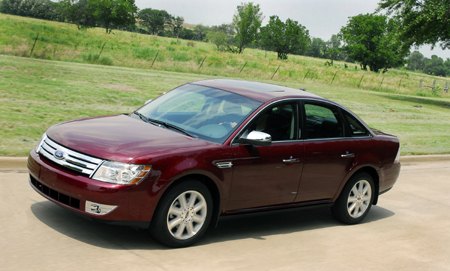
| 5th Generation | 2008-2009 | Full-size platform, more comfort, limited years |
| 6th Generation | 2010-2019 | Modern design, advanced tech, police use |
Each new version changed the car’s strengths and weaknesses. The problems that make some years worth avoiding often relate to these changes.
Credit: www.thetruthaboutcars.com
Ford Taurus Years To Avoid: The Problem Years
Buying a used Taurus can be smart, but not all years are equal. Here are the years most experts and owners agree are best avoided, with reasons for each.
1996–1999: Third Generation Woes
The third generation is one of the most commonly mentioned when discussing Taurus years to avoid. Ford made big design changes, including an oval-themed body and new mechanical parts. But these years had several key problems:
- Transmission failures: Many owners faced complete transmission breakdowns, often before reaching 100,000 miles. Repairs are expensive and sometimes not worth the cost for an older car.
- Cooling system leaks: Radiator and heater core leaks were common, leading to overheating and possible engine damage.
- Electrical issues: Problems with power windows, locks, and dashboard lights were frequent.
- Poor interior build quality: Materials wore out quickly, and many cars developed rattles and squeaks.
The 1996 model year was the worst, but problems continued through 1999. Even if you find a low-mileage Taurus from these years, the risk is high.
2000–2003: Early Fourth Generation Troubles
Ford updated the Taurus in 2000, but some major problems remained or even got worse:
- Transmission problems: The AX4N and AX4S automatic transmissions were still unreliable, with many failures reported.
- Engine issues: Head gasket leaks, oil leaks, and rough idling were common.
- Suspension and steering faults: Ball joints, tie rods, and control arms often wore out early.
- Rust: Cars in northern states often suffered from severe rust around the wheel wells and undercarriage.
While later years (2004–2007) were somewhat better, the early 2000s models are not recommended unless you know the car’s full history and see proof of major repairs.
2005–2007: Fleet Car Wear And Tear
By this time, the Taurus was mostly sold to rental fleets and businesses. As a result:
- High mileage, hard use: Many used Tauruses from these years were rental cars, meaning they may have been driven harder and maintained less carefully.
- Aging parts: These cars are now quite old, making breakdowns more likely, especially if maintenance was skipped.
While not as unreliable as the late ‘90s models, these years are often high-risk because of how they were used.
2008–2009: Short-lived Fifth Generation
Ford brought back the Taurus name in 2008, but only for two years before a major redesign. These models had their own issues:
- Transmission issues: Some cars still had transmission failures or harsh shifting.
- Water pump failures: The water pump, buried inside the engine, could fail and cause major engine damage. Repair costs are high.
- Limited parts availability: Because this generation was only made for two years, some replacement parts are harder to find.
Buyers often overlook these years, but the risk of expensive repairs is real.
2010–2012: Early Sixth Generation Problems
When the sixth generation arrived, the Taurus became more modern, with advanced features and a new look. But the first few years had some teething problems:
- MyFord Touch issues: The touchscreen system was buggy, slow, and often froze or crashed.
- Power steering failures: Some cars lost steering assist, making the car hard to control.
- Water pump failures: This problem continued from the last generation.
- Turbo engine problems (on SHO models): The EcoBoost V6 sometimes suffered from timing chain or turbocharger failures.
Later sixth-generation cars (2013–2019) fixed many of these issues, but the earliest ones still carry risk.
Comparison Of Common Problems By Model Year
Here’s a look at which issues are most common in the riskiest Taurus years:
| Model Year Range | Transmission Issues | Engine Problems | Electrical Faults | Rust/Body Issues | Interior/Tech Problems |
|---|---|---|---|---|---|
| 1996–1999 | Very High | Moderate | High | Moderate | High |
| 2000–2003 | High | High | Moderate | High | Moderate |
| 2005–2007 | Moderate | Moderate | Low | High | Low |
| 2008–2009 | High | High | Low | Moderate | Low |
| 2010–2012 | Moderate | High | High | Low | High |
This table helps you quickly see where the biggest risks are, depending on the year.
Credit: rerev.com
Common Ford Taurus Problems Explained
Understanding the most frequent Taurus issues can help you spot warning signs. Here’s what to look out for:
Transmission Failures
This is the single biggest problem across many Taurus years. The automatic transmissions—especially the AX4S and AX4N—often fail without warning. Symptoms include:
- Harsh or delayed shifting
- Slipping gears
- Shuddering while driving
- Complete loss of drive
Replacement costs can run from $2,000 to $4,000—often more than the value of an old Taurus.
Engine Issues
Some Taurus engines had design flaws. For example, the Vulcan V6 was tough, but the Duratec V6 could develop head gasket leaks or timing chain problems. Water pump failures are especially dangerous in 2008–2012 cars, since the pump is inside the engine and leaks can destroy the engine quickly.
Electrical Problems
Owners report problems with power windows, door locks, dashboard lights, and the MyFord Touch screen. These issues are often hard to diagnose and can affect safety or comfort.
Rust
Rust is a big problem for Taurus models built before 2007, especially in areas with road salt. Pay close attention to the wheel wells, rocker panels, and under the car.
Suspension And Steering
Worn ball joints, tie rods, and control arms are common in older Taurus cars. If these fail, the car can be unsafe to drive.
Taurus Years Worth Considering
Not every Taurus is a bad bet. Some years are much more reliable and offer good value. If you want to buy a used Taurus, these years are safer choices:
- 2004–2006: Late fourth-generation models had most early bugs fixed. They are simple, reliable, and cheap to maintain.
- 2013–2019: Later sixth-generation cars fixed many tech and engine issues. They offer modern safety and comfort features.
If you find a well-maintained Taurus from these years, especially with service records, it can be a smart buy.
How To Spot A Risky Taurus
Even if you know the risky years, some cars are exceptions. A 2002 Taurus with a new transmission and well-kept engine can be better than a neglected 2013 model. Here’s how to check if a Taurus is a good bet:
- Check maintenance records: Look for proof of oil changes, transmission service, and major repairs.
- Get a pre-purchase inspection: Have a trusted mechanic look for rust, worn suspension, leaks, and electrical issues.
- Test the transmission: On a test drive, check for smooth shifting and no slipping.
- Look for water leaks: Check the trunk, floorboards, and under the hood.
- Check the electronics: Test every button, screen, and light.
A careful inspection can save you thousands of dollars and years of headaches.
Ford Taurus Recall History
Some Taurus years were affected by major recalls. Knowing about these can help you check if a car was repaired or if it still needs work.
| Year(s) | Recall Issue | Potential Impact |
|---|---|---|
| 1996–2000 | Ignition switch fires | Risk of engine bay fire |
| 2000–2002 | Brake light switch failures | Loss of brake lights, crash risk |
| 2010–2012 | Power steering loss | Difficult steering, crash risk |
| 2013–2015 | Fuel pump issues | Engine stalling, crash risk |
Always check the VIN on the National Highway Traffic Safety Administration (NHTSA) site to see if a Taurus has been recalled.
Non-obvious Insights For Buying A Used Taurus
Many car buyers miss these important points:
- Fleet History Matters: Taurus models from 2005–2007 and 2010–2019 were popular with rental fleets and police departments. These cars often have high mileage and may have been driven hard. Ask for a Carfax or similar report to check for fleet use.
- Transmission Fluid Neglect: Taurus transmissions are sensitive to dirty or old fluid. Many owners skip the recommended 30,000-mile fluid changes, leading to early failure. If you see dark or burnt-smelling transmission fluid, walk away from the car.
- Parts Availability Varies: The short-lived fifth generation (2008–2009) can be hard to repair because some parts are rare or expensive. This can turn a cheap used car into a costly project.
- Interior Water Leaks: Some Taurus models are known for leaking water into the cabin, especially around the windshield or sunroof. This can cause mold, electrical problems, and bad smells. Always check for damp carpets.
- Police Interceptor SHO Differences: Taurus SHO Police Interceptors (2013–2019) have heavy-duty parts but may have been idled for long periods, leading to unique engine problems. If you consider a former police car, check service records and engine health closely.
Making A Smart Taurus Choice
If you’re set on a Taurus, keep these steps in mind for a better buying experience:
- Prioritize late fourth or late sixth generation models for better reliability.
- Avoid fleet or rental cars unless they have full maintenance records.
- Budget for repairs: Even the best Taurus models may need suspension, brakes, or sensor replacements after 100,000 miles.
- Negotiate price based on common issues: Use known problems as leverage for a lower price.
- Consider a certified mechanic inspection: It’s a small cost for peace of mind.
Ford Taurus Vs. The Competition
If you’re open to other options, here’s a quick look at how the Taurus stacks up against two of its biggest rivals.
| Car Model | Reliability (1-5) | Repair Costs (Average/Year) | Resale Value (5 Years) | Common Issues |
|---|---|---|---|---|
| Ford Taurus | 2.5 | $650 | Poor | Transmission, engine, electronics |
| Toyota Camry | 4.0 | $400 | Good | Minor oil leaks, sensors |
| Honda Accord | 4.2 | $430 | Very Good | Transmission (2003), minor rust |
While the Taurus can be a good value, you may want to compare it with a used Camry or Accord, which are often more reliable.
Frequently Asked Questions
What Are The Worst Ford Taurus Years To Avoid?
The years 1996–1999, 2000–2003, 2008–2009, and 2010–2012 are widely considered the worst for the Ford Taurus. These years had major problems with transmissions, engines, or electronics. Buying a Taurus from these years increases your risk of expensive repairs.
Is The Ford Taurus A Reliable Car Overall?
The Taurus was reliable in some years but not all. Early models (late 1980s and early 2000s) and late sixth-generation cars (2013–2019) are generally reliable if maintained. However, models from the late ‘90s and early 2000s often had serious issues.
Always check the car’s history and maintenance records.
How Many Miles Can A Ford Taurus Last?
A well-maintained Taurus can last 150,000–200,000 miles or more. Key factors include regular oil changes, transmission fluid changes, and timely repairs. However, cars with neglected maintenance or known problem years may need major repairs much sooner.
Are Ford Taurus Repair Costs High?
Repair costs for the Taurus are average for a midsize sedan, but can spike if the transmission or engine fails. On average, owners spend around $650 per year on maintenance. Some years have higher costs due to parts availability or design flaws.

Credit: www.reddit.com
Where Can I Check If A Ford Taurus Has Been Recalled?
You can check recall status by entering the car’s VIN at the official NHTSA recall site. This resource shows all open recalls and whether repairs have been completed.
Buying a used car is always a balance of price, condition, and risk. By knowing the Ford Taurus years to avoid—and why—they become less of a gamble and more of a smart choice. With the right research and a careful inspection, you can enjoy the comfort and value the Taurus is known for, while steering clear of its biggest pitfalls.