

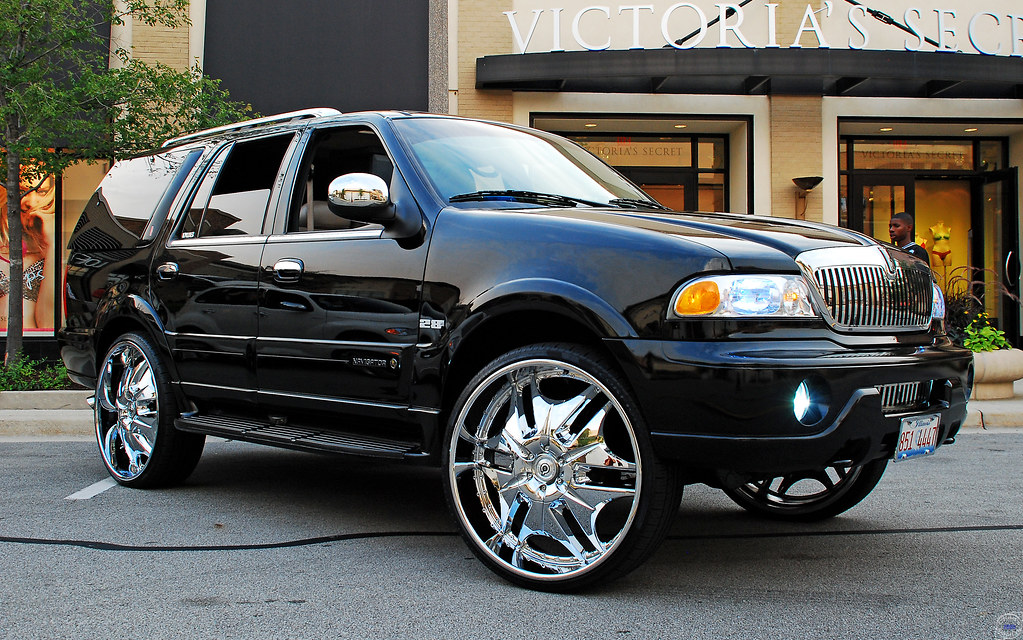
The Lincoln Navigator has long stood as a symbol of American luxury SUVs. With its bold styling, spacious interiors, and a reputation for comfort, many families and professionals have chosen it as their go-to full-size SUV. But like any vehicle with a history spanning over two decades, not every model year has delivered the same level of reliability. Some years have earned a reputation for costly repairs, frustrating owner experiences, and mechanical issues that can drain your wallet and patience.
If you’re considering a used Lincoln Navigator, knowing which years to avoid is just as important as knowing which ones are dependable. This guide will walk you through the critical model years you should skip, the common problems that plagued them, and what makes a Navigator year a risky choice.
We’ll also share some non-obvious insights that even seasoned car shoppers sometimes overlook, and provide tables comparing problem frequencies and cost data. By the end, you’ll feel confident about which Lincoln Navigator years to avoid and why.
Understanding The Lincoln Navigator’s History
The Lincoln Navigator was first introduced in 1998, designed to compete with the Cadillac Escalade and other large luxury SUVs. Over the years, it went through several generations, each bringing new features, technology, and sometimes, new problems.
- First Generation (1998–2002): Early models were praised for luxury but had teething issues as Lincoln learned the SUV market.
- Second Generation (2003–2006): Major redesign, new suspension, and more features, but also saw a spike in complaints.
- Third Generation (2007–2017): Improved comfort and safety but had mixed reliability.
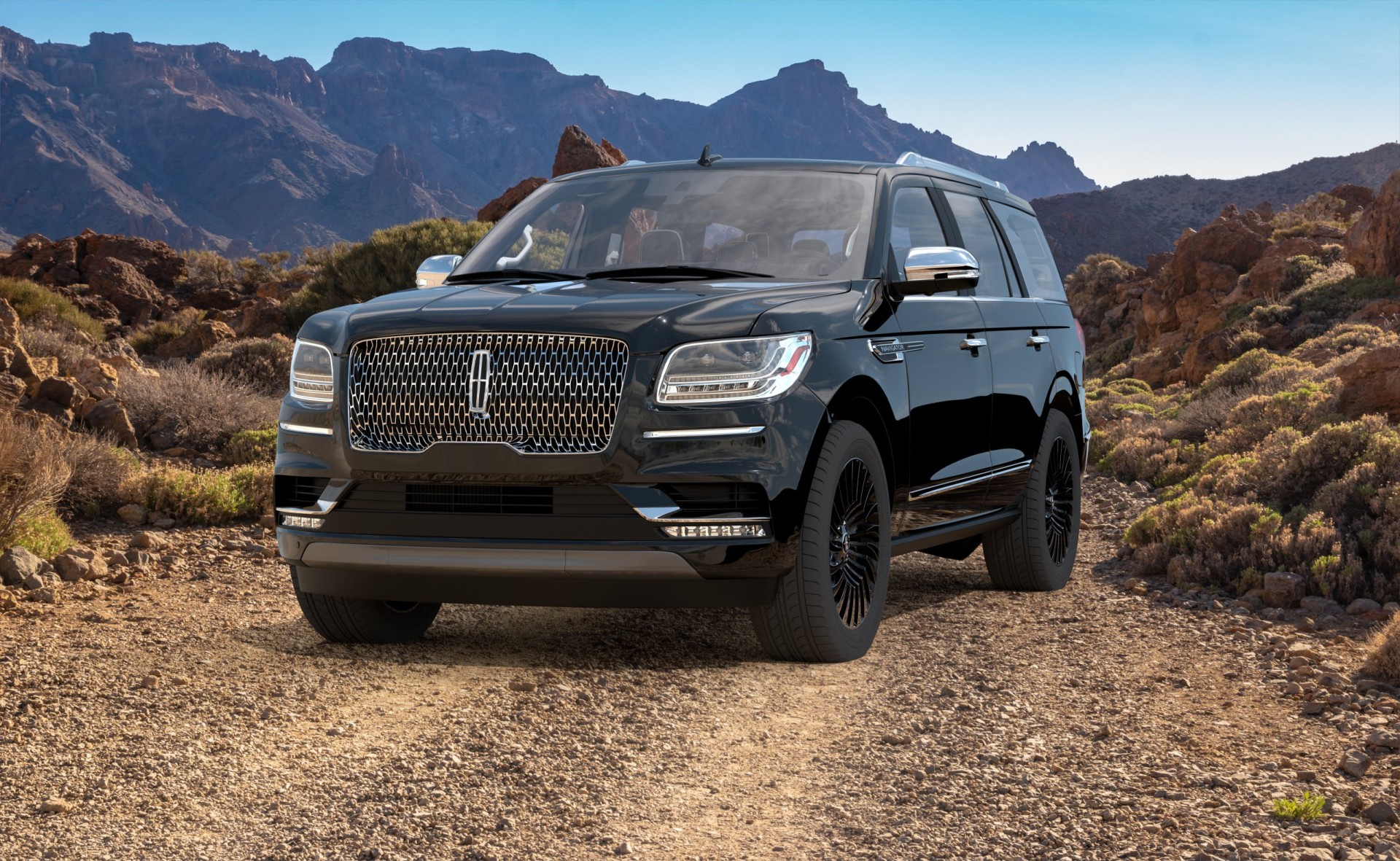
- Fourth Generation (2018–present): Modern tech and styling, with generally high marks, but a few issues.
While the Navigator has consistently offered a plush ride and ample space, not every year has aged well. Understanding the timeline helps make sense of which years are best avoided.
Why Certain Years Are Worse Than Others
Some Navigator years stand out for negative reasons. The main factors that make certain years problematic include:
- High frequency of mechanical failures
- Expensive repairs
- Recurring electrical or suspension problems
- Low owner satisfaction ratings
- Poor reliability scores from trusted sources
Manufacturing changes, new technologies, or cost-cutting can create “bad” years. Sometimes, a new engine or feature brings unexpected problems, while other times, cost-cutting measures lead to subpar components. Knowing these patterns helps you avoid years that are likely to cause headaches.
Credit: www.copilotsearch.com
Lincoln Navigator Years To Avoid (with Detailed Explanations)
Based on owner reports, reliability data, and expert reviews, the following Lincoln Navigator years are widely considered best to avoid:
1. 2003 Lincoln Navigator
The 2003 model marked the start of the second generation, featuring a major redesign. Unfortunately, it also brought a wave of new problems.
- Air Suspension Failures: One of the most common and expensive issues. Many owners reported the air suspension system failing as early as 60,000 miles. Repairs can cost $2,000 or more.
- Electrical Gremlins: Problems with power running boards, instrument clusters, and navigation systems were widespread.
- Transmission Issues: Hard shifting and outright failure were not uncommon, leading to costly rebuilds or replacements.
This year saw a significant uptick in complaints on sites like CarComplaints and the National Highway Traffic Safety Administration (NHTSA). Many mechanics still warn buyers to steer clear.
2. 2004 Lincoln Navigator
If the 2003 model was troublesome, 2004 was not much better. Many of the previous year’s issues continued.
- Ongoing Suspension Problems: The air suspension system remained unreliable, with many reports of repeated failures.
- Electrical Issues: Power windows, door locks, and dashboard electronics frequently malfunctioned.
- Engine Troubles: Some owners experienced spark plug ejection and ignition coil failures, leading to rough running or engine misfires.
The 2004 Navigator also struggled with poor resale value, partly because word spread about its reliability woes.
3. 2005 Lincoln Navigator
The 2005 Navigator saw some improvements, but core issues persisted.
- Continued Air Suspension Woes: By now, the air suspension system had become infamous for its failures and expensive fixes.
- Transmission and Drivetrain: Shifting delays and clunking noises were commonly reported.
- Interior Quality: Many owners noted that trim pieces and switches broke easily, disappointing for a luxury SUV.
Overall, the 2005 model year was still plagued by the same core reliability problems as its predecessors.
4. 2006 Lincoln Navigator
While the 2006 model was the last of the second generation, major issues remained.
- Air Suspension Still a Weak Point: Problems persisted, with some owners switching to traditional coil springs to save money.
- Rust Issues: Reports of premature rust, especially in cold climates, began to surface.
- Electronics: Navigation and audio systems often failed, requiring pricey repairs or replacements.
This year marked the end of a troubled generation, but the problems did not fully disappear with the new design.
5. 2007 Lincoln Navigator
The third generation began in 2007 with a new look and improved interior. However, it introduced a fresh batch of headaches.
- Cam Phaser Problems: The new 5.4L V8 engine was known for cam phaser failures, causing a loud ticking noise and potential engine damage.
- Timing Chain Issues: Premature timing chain wear could lead to catastrophic engine failure if not addressed.
- Air Suspension Still Not Perfected: Although improved, the air suspension still failed more than average.
For buyers, the 2007 model can be tempting due to its features but is risky from a maintenance standpoint.
6. 2008 Lincoln Navigator
The 2008 Navigator continued to struggle with many of the previous year’s problems.
- Engine Ticking and Rattling: Cam phaser and timing chain issues were still present.
- Paint Peeling: Many owners reported paint bubbling or peeling, especially on the hood and roof.
- Expensive Repairs: The combination of engine and suspension repairs made this year costly to own.
7. 2015 Lincoln Navigator
Fast forward to the 2015 model, which introduced a new turbocharged V6 engine. While the engine was more powerful and efficient, it also brought new concerns.
- Turbocharger Problems: Some owners reported turbo failures, which are expensive to fix.
- Infotainment Glitches: The MyLincoln Touch system was buggy and slow, causing frustration.
- Build Quality Issues: Reports of rattling trim and unreliable electronics were common.
While not as disastrous as earlier years, 2015 stands out among recent models for avoidable issues.
Problem Frequency And Severity By Model Year
To illustrate how issues have varied by year, here’s a comparison of reported problems for some of the most problematic Lincoln Navigator model years.
| Model Year | Most Common Issues | Average Repair Cost | Owner Complaints (NHTSA/CarComplaints) |
|---|---|---|---|
| 2003 | Air suspension, electrical, transmission | $1,800 | 340+ |
| 2004 | Air suspension, electrical, engine | $1,700 | 290+ |
| 2005 | Suspension, transmission, interior | $1,600 | 210+ |
| 2007 | Engine (cam phaser), suspension, electronics | $2,200 | 180+ |
| 2008 | Engine, paint, suspension | $2,000 | 150+ |
| 2015 | Turbo, infotainment, build quality | $1,400 | 90+ |
*Note: Complaint numbers are approximate and combine data from multiple sources. Actual costs can vary based on region and repair shop.*
Credit: www.copilotsearch.com
Common Problems That Make Certain Years Risky
Let’s dig deeper into why these years are best avoided by looking at the most common Lincoln Navigator problems that drove up repair bills and owner frustration.
Air Suspension Failures
Arguably the single biggest weakness in “bad” Navigator years is the air suspension system. While it offers a smooth ride, the system has many components (air springs, compressor, sensors) that can fail. In the 2003–2006 models, failures were so frequent that many owners replaced the air suspension with traditional coil springs to avoid repeated repairs.
- Symptoms: Vehicle sits low or uneven, warning lights, rough ride
- Repair Cost: $1,500–$2,500 per incident
Engine And Timing Chain Issues
The 5.4L V8 in the 2007–2008 Navigators is known for cam phaser and timing chain problems. Cam phasers control valve timing for better efficiency, but when they fail, they make a loud ticking noise and can eventually damage the engine.
- Symptoms: Engine ticking/rattling, loss of power, check engine light
- Repair Cost: $2,000–$3,500
Electrical And Electronics Problems
From malfunctioning power running boards in the 2003–2006 models to unreliable infotainment in later years, the Navigator’s electronics have often been a weak spot.
- Common Issues: Power windows/locks, navigation system, dashboard displays, infotainment bugs
- Repair Cost: Varies widely, from $200 to $2,000
Transmission Failures
Transmission issues, especially in the early 2000s models, led to harsh shifting, slipping, or total failure. The cost of a rebuild or replacement can be a major financial hit.
Paint And Rust Problems
Several years, especially 2008, saw paint peeling or bubbling—sometimes under warranty, but often after. Some 2006 models also had premature rust, especially in areas where road salt is common.
Turbocharger Problems (2015)
The switch to a twin-turbo V6 in 2015 improved performance but introduced turbocharger reliability concerns. Turbo failure can lead to engine damage and is expensive to repair.
Non-obvious Insights Most Buyers Miss
Even experienced car shoppers sometimes overlook these key facts about used Navigators:
- Air Suspension Deletes: Many used Navigators for sale have had their air suspension replaced with coil springs. While this is cheaper and more reliable, it changes the ride quality and may affect resale value. Always check if the suspension is original or has been swapped.
- Parts Availability: For some troublesome years, certain replacement parts (like air suspension modules or cam phasers) are becoming harder to find, raising repair costs.
- Deferred Maintenance: Because repair costs are high, owners often delay fixing problems. A cheap Navigator might have hidden issues that will surface soon after purchase.
Credit: www.fixdapp.com
Comparison: Years To Avoid Vs. Safer Model Years
For context, let’s compare how “bad” Navigator years stack up against more reliable ones:
| Model Year | Reliability Rating (J.D. Power, out of 100) | Common Major Issues | Market Value (Used, 100k miles) |
|---|---|---|---|
| 2003 | 65 | Suspension, electrical, transmission | $4,000–$6,000 |
| 2007 | 68 | Engine, suspension | $7,500–$9,000 |
| 2012 | 82 | Minor electronics | $14,000–$17,000 |
| 2019 | 85 | Minor infotainment bugs | $42,000–$48,000 |
*Higher reliability ratings typically mean fewer expensive repairs and happier owners. *
How To Spot A Lincoln Navigator With Hidden Problems
Not every bad year Navigator will show obvious issues during a test drive. Here are smart ways to protect yourself:
- Check the Suspension: Park the Navigator on flat ground. If the vehicle sits unevenly or “sags” at one corner, air suspension issues are likely.
- Listen to the Engine: Any ticking or rattling at idle may signal cam phaser or timing chain problems.
- Test All Electronics: Try every window, lock, seat adjustment, and the infotainment system. Even minor glitches can be a warning sign.
- Review Service Records: Ask for detailed maintenance history. Frequent air suspension or turbo repairs are red flags.
- Professional Inspection: Always have a trusted mechanic do a pre-purchase inspection—especially for 2003–2008 or 2015 models.
What Makes A “good” Lincoln Navigator Year?
Now that you know which years to avoid, what makes a Navigator year a safer bet?
- Stable, proven engine and transmission
- Minimal electrical or infotainment issues
- Improved air suspension or simpler coil spring setup
- Higher reliability scores from J.D. Power, Consumer Reports, or NHTSA
- Strong owner satisfaction and resale value
Model years like 2011, 2012, and 2017 are generally safer, as are most fourth-generation (2018 and newer) Navigators. These years have fewer recurring problems and are less likely to surprise you with a $2,000 repair bill.
Alternatives If You Want A Reliable Full-size Luxury Suv
If you’re worried about Navigator reliability, consider these alternatives:
- Cadillac Escalade (2011 or newer): Similar luxury, with a strong V8 and fewer air suspension problems in newer models.
- Toyota Sequoia: Not as luxurious, but legendary for reliability.
- Chevrolet Tahoe/Suburban: Full-size, durable, with lower maintenance costs.
- Infiniti QX80: Comfortable and reliable, with a V8 engine.
Each alternative has its own strengths and weaknesses, but all are worth considering if you want a large SUV without the risk of major repairs.
Cost Of Ownership: Risky Years Vs. Reliable Years
The cost of owning a Lincoln Navigator depends heavily on the model year. Here’s how annual ownership costs can differ:
| Model Year | Average Annual Repairs & Maintenance | Depreciation Rate (First 5 Years) | Likelihood of Major Repair |
|---|---|---|---|
| 2004 | $1,400 | High (60%) | Above Average |
| 2008 | $1,500 | Moderate (50%) | Above Average |
| 2012 | $950 | Average (45%) | Average |
| 2018 | $800 | Low (35%) | Low |
*Older, problematic years almost always cost more in repairs and lose value faster. *
How Lincoln Addressed Navigator Problems In Later Years
Lincoln learned from earlier mistakes. The fourth-generation Navigator (2018 and newer) shows major improvements:
- Redesigned Air Suspension: More reliable and easier to repair.
- Stronger Engines: Twin-turbo V6 is refined and, so far, shows fewer major issues.
- Better Electronics: Infotainment and electronics are much more stable.
- Improved Build Quality: Fewer complaints about trim or paint.
Owner satisfaction and reliability scores are much higher for recent Navigators. Still, regular maintenance and careful buying are essential.
Practical Tips When Shopping For A Used Lincoln Navigator
- Focus on Model Years 2011–2014 and 2018–present for the best balance of luxury and reliability.
- Avoid “deal too good to be true” offers on 2003–2008 or 2015 models; they often hide big problems.
- Request a third-party inspection and a full service history.
- Ask the seller if the air suspension has been replaced or repaired—and if so, how recently.
- Consider an extended warranty if buying a newer model, especially if you plan to keep it beyond 100,000 miles.
Owner Experiences: What Real Drivers Say
Many Lincoln Navigator owners praise the vehicle’s comfort and features, but those with “bad year” models often share stories of regret. Some common themes:
- “Loved the ride, but the air suspension cost me thousands.”
- “Electrical issues were constant. I never knew which button wouldn’t work next.”
- “After the timing chain went, repairs cost nearly as much as the SUV’s value.”
On the positive side, owners of 2012 and 2019 Navigators report smooth rides, few repairs, and high satisfaction. Learning from their stories can save you time and money.
Frequently Asked Questions
Is The Lincoln Navigator A Reliable Suv Overall?
The Lincoln Navigator can be reliable, but it depends heavily on the model year. Early second-generation (2003–2006) and some third-generation (2007–2008) Navigators are known for expensive problems. Newer models, especially 2011 and later, tend to be much more dependable if maintained properly.
What Is The Most Common Problem With The Lincoln Navigator?
The most common and costly issue is air suspension failure, especially in 2003–2008 models. Other frequent problems include engine timing chain and cam phaser failures, electrical glitches, and infotainment bugs in newer models.
Should I Buy A Used Lincoln Navigator With High Mileage?
Buying a high-mileage Navigator from a problematic year (2003–2008, 2015) is risky, as major repairs become more likely and more expensive. If considering a high-mileage unit, prioritize later model years with a full maintenance history and consider a pre-purchase inspection.
Are There Lincoln Navigator Years That Are Especially Good?
Yes, the 2011–2014 and 2018–present Navigators are considered especially reliable, with fewer major issues and higher owner satisfaction. These years benefit from improved engineering and lessons learned from earlier problems.
Where Can I Find More Detailed Reliability Data?
For in-depth reliability data, you can visit sources like the National Highway Traffic Safety Administration (NHTSA), Consumer Reports, and CarComplaints.com for owner-reported problems and trends.
The Lincoln Navigator remains a top choice for those seeking full-size luxury, but knowing which years to avoid can mean the difference between a rewarding ownership experience and years of expensive repairs. With careful research and the tips above, you can find a Navigator that brings comfort and confidence—without the headaches.