

The Land Rover Discovery Sport is a popular choice among luxury SUV buyers who want a blend of off-road capability, family-friendly space, and British style. But not every Discovery Sport year delivers the same reliability or satisfaction. If you’re considering buying a used Discovery Sport, knowing which years to avoid can save you from major headaches and unexpected repair bills.
Before you make a decision, it’s important to look beyond the shiny exterior and smart branding. Some model years have known mechanical problems, costly electrical issues, and lower resale value. In this guide, you’ll get a clear picture of the Land Rover Discovery Sport years to avoid, as well as practical advice on how to choose a better model. This isn’t just about listing bad years — it’s about helping you make a confident, informed choice.
Understanding The Land Rover Discovery Sport
The Discovery Sport joined the Land Rover lineup in 2015, replacing the Freelander (LR2 in North America). It sits below the larger Discovery and above the Evoque, targeting active families and urban drivers who occasionally want to explore off-road. The Discovery Sport is known for its:
- Seven-seat option (rare in the compact luxury SUV segment)
- All-wheel drive and off-road features
- Stylish British design
- Premium interior materials (improving with each generation)
However, Land Rover’s reputation for reliability is mixed. While the Discovery Sport attracts with its features, certain years have been plagued by mechanical and electrical issues that can make ownership expensive and frustrating.
Which Land Rover Discovery Sport Years To Avoid
Some Discovery Sport years stand out for the wrong reasons. Owners and experts agree that several models, especially from the first generation, are best avoided if you want trouble-free ownership. Here are the key years to steer clear of, with the main reasons explained in detail.
1. 2015 Discovery Sport
The first model year for the Discovery Sport, 2015, is widely seen as one of the riskiest. Being the debut year, it suffered from several teething problems that took time for Land Rover to resolve.
Common Problems
- Engine problems: Many owners report engine stalling, misfires, and even complete failures, sometimes at low mileage.
- Transmission issues: The 9-speed automatic transmission can be jerky, hesitate to shift, or even fail prematurely.
- Electrical glitches: Infotainment screens freezing, random warning lights, and faulty sensors are common.
- Leaking sunroofs: Water leaks from the panoramic sunroof can cause interior damage.
Real-world Example
A significant number of 2015 Discovery Sport owners on car forums mention visits to the dealer for engine management lights, poor shifting, and water leaks — sometimes before reaching 40,000 miles.
Why To Avoid
As the launch year, the 2015 Discovery Sport didn’t have the benefit of real-world feedback or manufacturing improvements. Many major issues were fixed in later years, but 2015 models remain risky unless you have a full service history and extended warranty.
2. 2016 Discovery Sport
Although some improvements were made, 2016 models still have many of the same reliability complaints as 2015.
Common Problems
- Turbocharger failures: Turbo-related repairs are expensive and not uncommon in this year.
- Continued electrical issues: Keyless entry, backup cameras, and navigation systems can fail.
- Coolant leaks: Some owners report persistent coolant loss, which can lead to engine overheating.
Reliability Data
According to J. D. Power and Consumer Reports, the 2016 Discovery Sport scored below average for reliability. RepairPal rates it with higher-than-average frequency for unscheduled visits.
Why To Avoid
Unless there is evidence of recall work and strong maintenance records, the 2016 Discovery Sport carries many of the same early model risks.
3. 2017 Discovery Sport
While 2017 showed modest improvements, it’s still a year to be cautious about.
Common Problems
- Infotainment system bugs: Touchscreen failures and slow response times.
- Sensor failures: Parking sensors, blind-spot monitoring, and lane departure warnings can malfunction.
- Continued transmission complaints: Owners still report rough shifting and delayed engagement.
Warranty Claims
Dealers have noted a higher-than-average number of warranty claims for electrical and transmission repairs on 2017 models.
Why To Avoid
Some issues lingered from earlier years, and the long-term reliability is still uncertain. If considering a 2017, make sure all software updates and recalls have been completed.
4. 2018 Discovery Sport
The 2018 model sits in a gray area. While some improvements were made, several problems persisted, especially with technology and electronics.
Common Problems
- Touch Pro infotainment problems: Freezing, crashing, and poor Bluetooth connectivity.
- Electrical drain: Some owners report battery drain if the vehicle sits for a few days.
- Climate control faults: Air conditioning may stop working without warning.
Reliability Rankings
Consumer Reports placed the 2018 Discovery Sport near the bottom of the luxury SUV segment for reliability, especially regarding electronics.
Why To Avoid
If you rely on in-car tech, the 2018 model’s issues can be frustrating. Unless updated under warranty, repairs can be costly and time-consuming.

Credit: www.copilotsearch.com
Comparison: Problem Years Vs. Safer Years
To help you visualize the difference, here’s a comparison of the most common issues reported by year.
| Model Year | Main Issues | Reliability Score (1-10) | Average Repair Cost (USD) |
|---|---|---|---|
| 2015 | Engine, transmission, electrical, sunroof leaks | 3 | $2,800 |
| 2016 | Turbo, electrical, coolant leaks | 4 | $2,400 |
| 2017 | Infotainment, sensors, transmission | 5 | $2,100 |
| 2018 | Infotainment, battery, climate control | 6 | $1,900 |
| 2019+ | Minor issues, improved reliability | 7-8 | $1,200 |
Why Are These Years Problematic?
The main reason the early Discovery Sport years are problematic is a mix of new model teething issues and Land Rover’s historical struggles with complex electronics. When a vehicle introduces new engines, transmissions, and infotainment tech, the first few years often reveal hidden problems. Land Rover’s warranty coverage helped some owners, but many issues surfaced after warranties expired, leading to high repair bills.
Notable Recalls And Technical Service Bulletins
Land Rover has issued several recalls and TSBs (Technical Service Bulletins) for the Discovery Sport, especially in the first four years. Some examples include:
- Engine wiring harness faults: Could cause engine stalling (2015-2016)
- Fuel leaks: Risk of fire due to faulty seals (2015-2017)
- Rear seatbelt failure: Could increase injury risk in an accident (2015-2016)
- Software updates: To fix infotainment freezing and sensor errors (2017-2018)
If a used Discovery Sport has not had these recall items addressed, it’s best to walk away or demand proof that the work was completed.
Most Reliable Discovery Sport Years
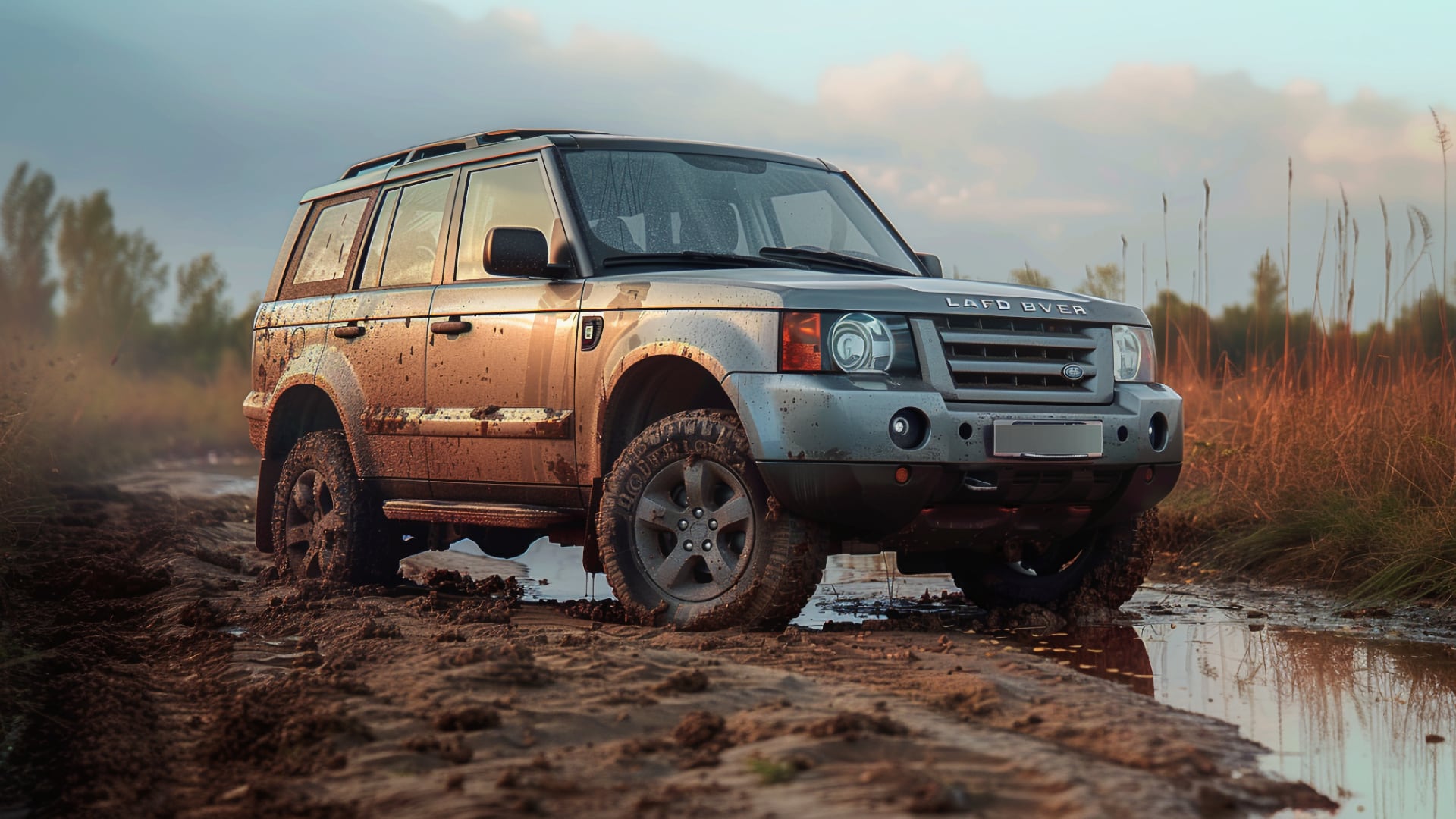
If you want a Discovery Sport but hope to avoid frequent repairs, focus on later model years. Starting with 2019, Land Rover made several improvements that boosted reliability and owner satisfaction.
Improvements From 2019 Onward
- New Ingenium engines: More reliable and efficient than earlier Ford-sourced engines.
- Refined 9-speed transmission: Software updates made shifts smoother and more predictable.
- Upgraded electronics: Fewer complaints about infotainment and electrical issues.
- Better build quality: Fewer reports of interior rattles and leaks.
2020 Facelift
In 2020, the Discovery Sport received a major update, including:
- Mild-hybrid engine options for better fuel economy
- All-new infotainment system with improved responsiveness
- Upgraded safety tech and driver assistance features
- Quieter, more comfortable ride
Owner Satisfaction
Later models rank higher in owner satisfaction surveys. According to J. D. Power, the 2019 and newer Discovery Sport models score above average for dependability in their class.
Credit: rerev.com
How To Spot A Problem Year When Shopping Used
Even within known “bad years,” some Discovery Sports are better maintained than others. Here’s what to look for if you’re shopping for a used model.
- Check service records: Look for regular oil changes, recall work, and software updates.
- Inspect for leaks: Water in the cabin or signs of sunroof leaks are red flags.
- Test all electronics: Make sure the infotainment, cameras, sensors, and climate control work.
- Listen for strange noises: Clicking, grinding, or harsh shifting could signal transmission issues.
- Request a pre-purchase inspection: Have a Land Rover specialist check for common trouble spots.
Data Table: Most Common Discovery Sport Problems By Year
Here’s a breakdown of the most common owner complaints, according to NHTSA and CarComplaints. com.
| Year | Engine & Transmission | Electrical & Infotainment | Body/Leaks | Climate Control |
|---|---|---|---|---|
| 2015 | Stalling, rough shifting | Frequent | Sunroof leaks | Occasional |
| 2016 | Turbo failure | Frequent | Water leaks | Occasional |
| 2017 | Delayed shifting | Common | Rare | Rare |
| 2018 | Rare | Frequent | Rare | Common |
| 2019+ | Rare | Rare | Rare | Rare |
How Does Discovery Sport Reliability Compare To Rivals?
Some buyers wonder if the Discovery Sport’s issues are unique, or if all luxury SUVs in this class suffer from similar problems. Here’s a brief comparison.
| Model | Reliability (1-10) | Avg. Annual Repair Cost | Owner Satisfaction |
|---|---|---|---|
| Land Rover Discovery Sport | 5 | $1,200 | Moderate |
| Volvo XC60 | 8 | $850 | High |
| Audi Q5 | 7 | $900 | High |
| BMW X3 | 7 | $1,000 | High |
| Mercedes-Benz GLC | 6 | $1,100 | Moderate |
As you can see, the Discovery Sport is less reliable than most rivals. Repair costs are also on the higher side, especially in the first few years. If top reliability is your goal, you may want to consider alternatives like the Volvo XC60 or Audi Q5.
Two Non-obvious Insights Most Buyers Miss
Many buyers focus only on engine and transmission issues, but there are two less obvious pitfalls with the Discovery Sport.
1. Software Updates Matter More Than You Think
Land Rover regularly releases software updates for the Discovery Sport’s electronics, infotainment, and driver-assist systems. Owners who skip these updates often have more trouble with freezing screens, error messages, and sensor failures. Always ask if the latest updates are installed — it can make a big difference in daily usability.
2. Sunroof Leaks Can Be Hidden
Water leaks from the panoramic sunroof may not be obvious at first. Sellers sometimes dry the carpets or mask the smell, but mold and corrosion can develop under the surface. Always check under floor mats and in the spare tire well for signs of moisture.
Sunroof repairs are expensive and can lead to electrical damage if ignored.
Practical Tips For Buying A Used Discovery Sport
If you’re set on a Discovery Sport, here’s how to reduce your risk.
- Prefer models from 2019 or newer for best reliability.
- Ask for proof of all recall and warranty work.
- Check for full dealer service history, not just oil changes.
- Inspect for water damage and test all electronics.
- Consider a certified pre-owned (CPO) vehicle for warranty coverage.
- Budget for higher maintenance costs than a typical SUV.
What To Do If You Already Own A Problem Year
If you already own a 2015-2018 Discovery Sport, you can still minimize issues:
- Stay current on maintenance: Don’t skip oil changes or inspections.
- Get all software and recall updates: Visit a dealer if you’re unsure.
- Fix leaks early: Water in the cabin can quickly lead to bigger problems.
- Don’t ignore warning lights: Even small issues can become major if left unchecked.
- Consider an extended warranty: If you plan to keep the vehicle, this can save money.
Cost Of Repairs: What Owners Should Expect
Repairing a Discovery Sport can be more expensive than average. For example:
- Transmission replacement: $4,500 to $7,000
- Infotainment system repair: $1,200 to $2,000
- Turbocharger replacement: $2,000 to $3,500
- Sunroof leak repair: $800 to $1,500
Routine maintenance is also pricier than for mainstream brands, with an average annual maintenance cost of about $1,200. Parts and labor for luxury brands are always higher, so budget accordingly.
Real Owner Experiences
Reading owner reviews on sites like Edmunds, CarComplaints, and the NHTSA database reveals a consistent pattern. Early Discovery Sport buyers often report frustrations with repeat repairs, dealer visits, and expensive fixes outside warranty. In contrast, owners of 2019 and newer models are much more likely to praise the car’s comfort, style, and improved reliability.
One owner of a 2016 Discovery Sport described replacing the turbo at 55,000 miles, with the dealer covering part of the cost. Another with a 2015 model had multiple electrical problems, leading to “weeks without the car” during repairs. On the other hand, a 2020 Discovery Sport owner reported only minor issues, praising the updated infotainment and smooth ride.
Should You Buy A Used Land Rover Discovery Sport?
The answer depends on your risk tolerance and budget. If you love the brand’s styling, off-road ability, and unique features, the Discovery Sport can be a great choice. But avoid the 2015-2018 models unless you find one with a spotless maintenance record, all recall work done, and a price that reflects the risk.
For buyers who want fewer surprises and lower running costs, a 2019 or newer Discovery Sport — or a rival like the Volvo XC60 or Audi Q5 — is a better bet.
Frequently Asked Questions
Is The Land Rover Discovery Sport Reliable?
The Discovery Sport is less reliable than many luxury SUVs, especially in model years 2015-2018. Owners report more frequent engine, transmission, and electrical issues. Reliability improves for 2019 and newer models, which have updated engines and electronics.
What Is The Best Year For The Discovery Sport?
The best years for the Discovery Sport are 2019 and newer. These models have improved reliability, better infotainment, and fewer complaints about major mechanical problems. The 2020 facelift is especially well-regarded for comfort and technology.
How Many Miles Can A Discovery Sport Last?
With proper maintenance, a Discovery Sport can last 150,000 miles or more. However, expensive repairs are more likely in earlier years. Consistent servicing, timely software updates, and fixing leaks quickly are key to long life.
Is The Discovery Sport Expensive To Maintain?
Yes, the Discovery Sport has above-average maintenance and repair costs. Expect to spend around $1,200 per year on routine care. Major repairs, like transmission or turbo replacement, can be costly. Choosing a certified pre-owned model with warranty coverage can help reduce risk.
Where Can I Find More Information About Discovery Sport Recalls?
You can check official recall information for the Land Rover Discovery Sport on the NHTSA website. This site lets you search by year and VIN to see if a vehicle has open recalls.
Buying a luxury SUV like the Discovery Sport is a big investment. Taking time to research and avoid the riskiest years pays off in the long run, letting you enjoy the adventure without unexpected setbacks.

Credit: www.landroverlakeridge.ca