The Mazda MPV has a unique place among minivans. It was Mazda’s answer to families needing space, flexibility, and style without the bulk of larger vans. Launched in 1988 and produced until 2016, the MPV saw several changes across generations. But like many vehicles with long production runs, not all years were created equal. Some model years earned a reputation for reliability, while others became known for expensive repairs or frustrating problems.
Choosing the right used Mazda MPV can save you thousands in repairs and headaches. Yet, many buyers especially first-time minivan owners—focus only on price, missing critical details about which years to avoid. This guide digs deep into the Mazda MPV years to avoid, explains common issues, and highlights safer alternatives. If you want a used MPV that delivers good value, comfort, and peace of mind, the following insights will help you buy smarter.
A Quick Look At The Mazda Mpv Generations
Understanding the MPV’s history helps make sense of which years to avoid. Mazda released three main generations, each with distinct features and trouble spots.
| Generation | Years | Key Features |
|---|---|---|
| First | 1989–1998 | RWD/AWD, body-on-frame, optional V6 |
| Second | 1999–2006 | FWD, unibody, sliding doors, more car-like |
| Third | 2006–2016 (not in US) | More compact, not sold in North America after 2006 |
In the US, the second generation (1999–2006) is most common on the used market. The first generation is now rare, and the third generation was never officially sold in the US, so this article focuses mainly on the first and second generations.
Why Some Mazda Mpv Years Should Be Avoided
All car models have “bad years.” But what makes certain Mazda MPV years stand out as ones to avoid? Usually, it’s a combination of:
- Major mechanical problems (especially with the engine or transmission)
- Frequent and expensive repairs reported by owners
- Poor safety ratings or crash test results
- Parts shortages or high repair costs due to design flaws
- Widespread recalls that didn’t fully solve the problems
Many buyers mistakenly believe that mileage is the only thing that matters, but the year and generation can have a bigger impact on long-term reliability and cost.
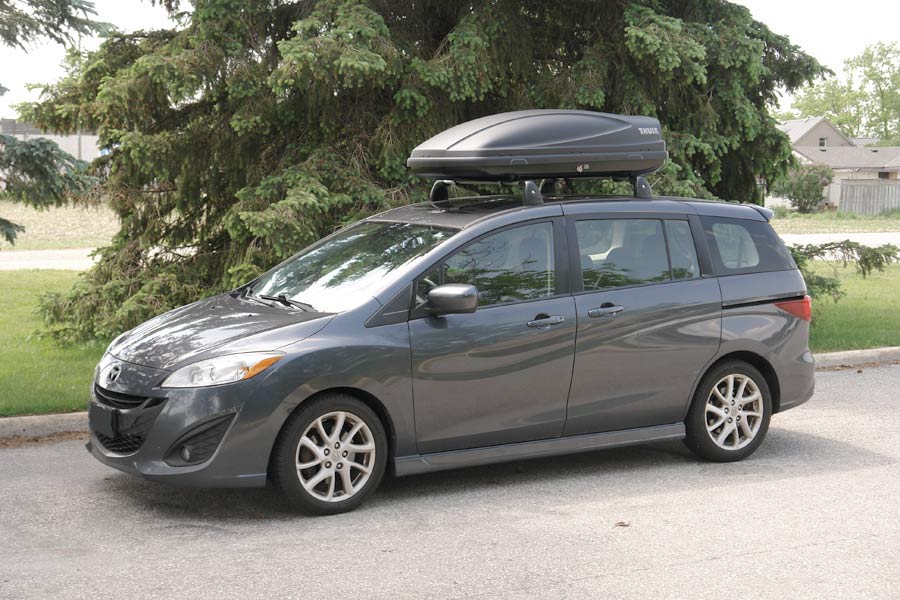
Credit: www.samarins.com
Mazda Mpv Years To Avoid: Detailed Analysis
Let’s look at the specific model years that used car experts and mechanics often recommend avoiding. This section covers the top years to avoid, the main reasons, and what makes each year problematic.
1. 2000 Mazda Mpv
The 2000 model year is widely seen as one of the riskiest. Owners reported a range of problems that can quickly lead to expensive repairs.
Common Problems:
- Transmission failure: This is the most serious issue. Many owners faced complete transmission breakdowns as early as 70,000–90,000 miles. Replacement can cost $2,000–$3,500.
- Engine misfires: Often caused by faulty ignition coils and poor PCV system design, leading to rough running or loss of power.
- Sliding door malfunctions: Electrical issues caused doors to jam or refuse to open, a significant safety risk.
Why Avoid: The 2000 MPV’s transmission and engine issues often appear together, making this year one of the most expensive to keep on the road.
2. 2002 Mazda Mpv
The 2002 model improved in some ways, but it came with a new set of headaches.
Common Problems:
- Ignition coil failures: Coil-on-plug ignition was supposed to be more efficient but turned out to be less reliable. Misfires, rough idle, and poor acceleration are common.
- Transmission slipping or jerking: Not as common as 2000, but still a significant number of reports.
- Check engine light: Stubborn codes related to the EGR and PCV systems. Many mechanics report the 2002 MPV is “check engine light happy.”
Why Avoid: If you rely on a trouble-free family vehicle, the 2002’s frequent misfires and warning lights can be frustrating and expensive.
3. 2003 Mazda Mpv
Mazda tried to address some earlier issues in 2003, but reliability did not improve much.
Common Problems:
- Continued ignition coil and engine issues
- Transmission solenoid failures: Sometimes causes the vehicle to shift roughly or go into “limp mode.”
- Power door lock failures: Many owners had to manually lock/unlock doors, which is annoying and less secure.
Why Avoid: The 2003 model still suffers from the same root problems as earlier years, with few meaningful fixes.
4. 1999 Mazda Mpv
Although it was the debut year for the second generation, 1999 was plagued with “first-year bugs. ”
Common Problems:
- Transmission control module issues: Sometimes the van would not shift out of first or second gear.
- Poor air conditioning performance: Leaks and weak cooling, especially in hot climates.
- Premature rust: In northern states, underbody corrosion was common after just a few winters.
Why Avoid: First-year redesigns often have teething problems, and the 1999 MPV is no exception.
5. 2001 Mazda Mpv
Mazda made some improvements but didn’t fully solve the biggest issues.
Common Problems:
- Ignition coil and spark plug failures: The engine could run rough or lose power suddenly.
- Water pump leaks: If not caught early, these leaks could lead to overheating and engine damage.
- Suspension noise and wear: Bushings and sway bar links often failed, causing clunks and rattles.
Why Avoid: Ongoing mechanical issues make the 2001 a risky buy compared to later models.
First Generation (1989–1998): A Special Note
While the first generation MPV (1989–1998) is less common, it had its own issues, especially with older age.
Typical Problems:
- Rust: Severe frame and underbody rust, especially in northern or coastal areas.
- V6 engine head gasket failures: Costly repairs for a van of this age.
- Fuel pump failures: Often leaves owners stranded.
Why Avoid: Unless you’re a hobbyist or mechanic, first-generation MPVs are best avoided due to age and parts availability.
Comparison Of Problem Years Vs. Safer Years
To help you see the big picture, here’s a comparison of the most problematic MPV years versus the years generally considered safer:
| Model Year | Main Issues | Estimated Repair Costs (10 years) | Reliability Rating |
|---|---|---|---|
| 1999 | Transmission, A/C, rust | $3,500–$5,000 | Poor |
| 2000 | Transmission, engine, doors | $4,000–$6,000 | Poor |
| 2001 | Engine, water pump, suspension | $3,500–$5,500 | Below Average |
| 2002 | Ignition coils, transmission | $3,000–$5,000 | Below Average |
| 2003 | Ignition coils, locks, transmission | $2,800–$4,500 | Below Average |
| 2004–2006 | Minor electrical, wear items | $1,800–$3,000 | Average–Good |
As you can see, 2004–2006 models are generally safer bets, with fewer expensive surprises.

Credit: lemonlawfirm.com
How To Spot A High-risk Mazda Mpv
Not every problematic MPV will show its issues right away. Here’s how to spot a risky van before you buy:
- Check for transmission problems: On a test drive, pay close attention to how the van shifts. Any slipping, hesitation, or jerky shifts could signal trouble.
- Inspect the engine at idle and under load: Listen for misfires, rough idle, or warning lights.
- Look for rust: Crawl under the van and check the frame, wheel wells, and sliding door tracks.
- Test all sliding doors and locks: Make sure power doors open/close smoothly and locks work from all controls.
- Review maintenance records: Look for repeated repairs on the transmission, ignition coils, or engine sensors.
- Use a code reader: Even if the dashboard is clear, scan for hidden trouble codes.
Non-obvious insight: Many used MPVs for sale have already had one or more major repairs. Ask the seller specifically about transmission replacement and ignition coil history. If they cannot provide proof, be extra cautious.
Common Mazda Mpv Problems Explained
Knowing the details of the most common MPV problems can help you avoid costly surprises.
Transmission Failure
The 4-speed automatic transmission used in early second-generation MPVs is a weak spot. Overheating, poor maintenance, and design flaws lead to early failure. Later years (2004–2006) saw some improvements, but the risk remains higher than average.
Ignition Coil And Spark Plug Failures
Mazda’s coil-on-plug design improved efficiency but proved sensitive to heat and moisture. When one coil fails, it often stresses the others, leading to repeated breakdowns. Aftermarket coils rarely last as long as OEM parts.
Sliding Door And Lock Issues
The convenience of power sliding doors comes at a price. Worn cables, failed actuators, and broken contacts can cause doors to jam or operate unpredictably. Not only is this annoying, but it can also be a safety hazard—especially if you need to get kids in and out quickly.
Rust And Corrosion
Northern or coastal MPVs are prone to serious underbody rust. This can make repairs dangerous or impossible and lead to failed safety inspections.
Electrical Gremlins
As these vans age, random electrical issues become more common—failing window regulators, stuck power mirrors, and dead instrument clusters are all possible.
Which Mazda Mpv Years Are Safe To Buy?
If you want a used MPV, some years are significantly safer bets. Most mechanics and used car experts recommend:
- 2004–2006 Mazda MPV (second generation): These years had fewer serious mechanical problems, and Mazda improved the transmission and ignition coil designs.
- 2002–2003 (with documented repairs): If you find a van with proof of major repairs (especially transmission replacement and new ignition coils), it may be worth considering for a lower price.
Non-obvious insight: Always prioritize maintenance records over mileage. A higher-mile, well-cared-for 2005 can be a better choice than a low-mile 2000 with spotty history.
Real-world Owner Experiences
Owner reviews and forums are full of stories—good and bad—about the Mazda MPV. Here are a few examples:
- “Our 2002 MPV went through three ignition coils in two years. Each time, the van would start shaking and lose power. My mechanic said it’s a common problem, but after $1,200 in repairs, I gave up.”
- “Bought a 2005 MPV with 120,000 miles. The previous owner had replaced the transmission at 100k. It’s been reliable for 40,000 more miles—just routine maintenance.”
- “The sliding doors on our 2001 would jam in cold weather. My wife got stuck in the parking lot more than once.”
These stories highlight how the year and maintenance history impact long-term satisfaction.
Cost Of Ownership By Model Year
Used Mazda MPVs can be affordable to buy, but repair costs vary widely by year. Here’s a simple breakdown:
| Model Year | Typical Purchase Price (2024) | Major Repair Risk | Yearly Maintenance Estimate |
|---|---|---|---|
| 1999–2001 | $2,000–$3,500 | High | $600–$900 |
| 2002–2003 | $2,500–$4,000 | Moderate–High | $500–$800 |
| 2004–2006 | $3,000–$5,000 | Moderate | $400–$700 |
Pro tip: Always budget for unexpected repairs, especially with older minivans.
How The Mazda Mpv Compares To Other Minivans
It’s helpful to see how the MPV stacks up against competitors like the Honda Odyssey, Toyota Sienna, and Chrysler Town & Country, especially for reliability and cost.
Reliability (2000s Models):
- Toyota Sienna: Excellent; fewer major problems.
- Honda Odyssey: Good, but watch for transmission issues (1999–2004).
- Mazda MPV: Mixed; best after 2004.
- Chrysler Town & Country: Below average; electrical and transmission problems common.
Repair Costs:
- Toyota Sienna: $400–$700/year
- Honda Odyssey: $500–$800/year
- Mazda MPV: $500–$900/year (early 2000s higher)
- Chrysler Town & Country: $600–$1,000/year
Unique Advantages of the MPV:
- More nimble than larger vans
- Often less expensive to buy used
- Good handling and a car-like feel
Major Drawbacks:
- More frequent transmission and ignition coil issues (2000–2003)
- Parts for older models can be harder to find
If reliability is your top concern, a used Sienna or post-2006 Odyssey may be a better bet.
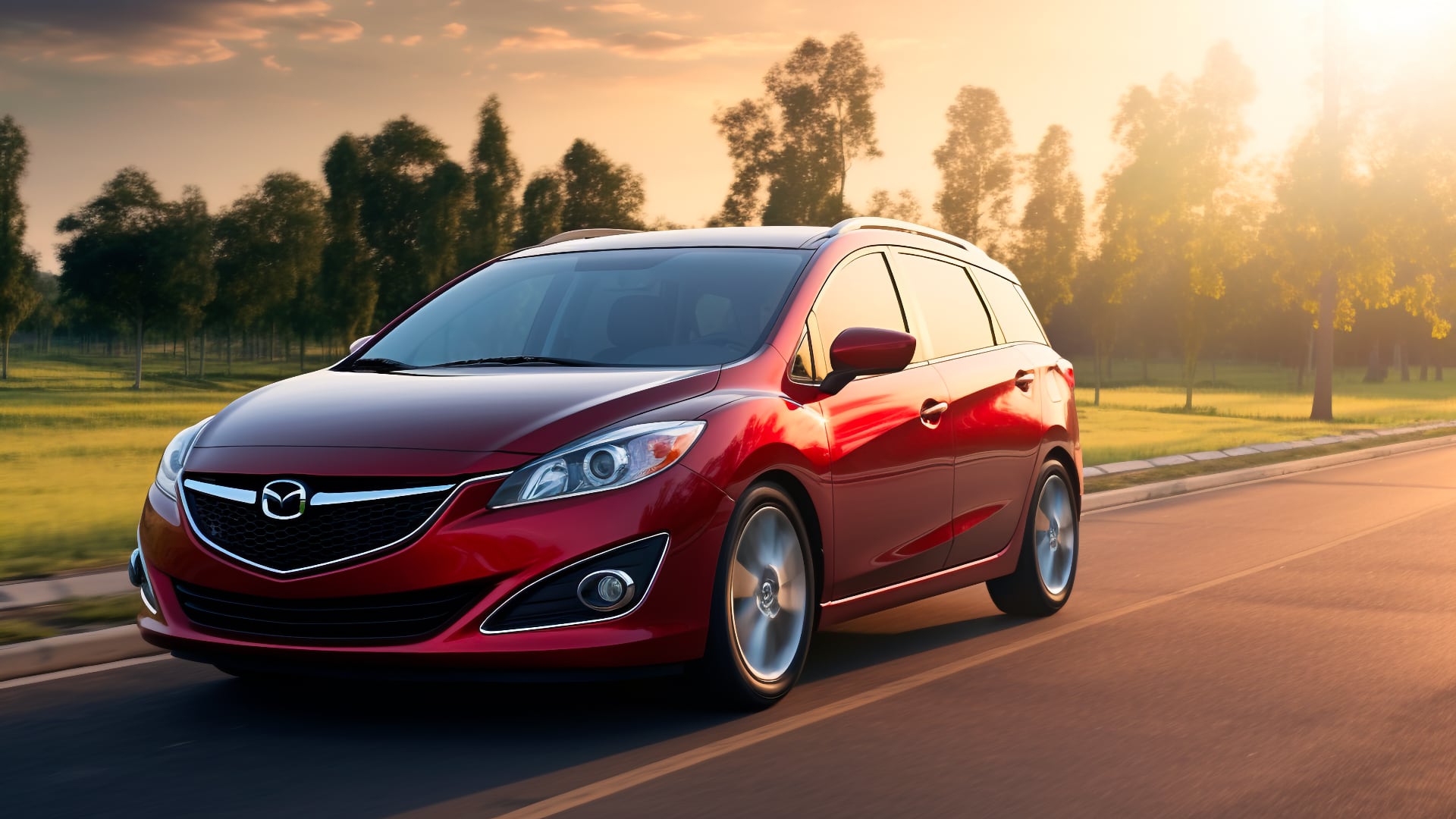
Credit: rerev.com
How To Buy A Used Mazda Mpv With Confidence
If you’re set on an MPV, follow these steps to reduce your risk:
- Target 2004–2006 models: These are the safest years.
- Get a pre-purchase inspection: Find a mechanic familiar with MPVs and pay for a thorough check.
- Ask for service records: Prioritize vans with documented transmission and coil replacements.
- Avoid rust-belt or coastal vans: Rust repairs are expensive and sometimes impossible.
- Negotiate price based on known issues: If repairs were not done, use that as leverage.
Buying from private sellers can mean lower prices, but used car dealers may offer short warranties or allow you to return the van if major issues appear quickly.
Alternative Vehicles To Consider
If you’re flexible, several alternatives may offer better long-term value:
- Toyota Sienna (2004–2010): Top-rated for reliability, roomy and comfortable.
- Honda Odyssey (2005–2010): Strong V6, good safety, watch for transmission service history.
- Kia Sedona (2006–2012): Often overlooked, but strong reliability after 2006.
- Mazda5 (2006–2015): Smaller than the MPV, but more modern and with fewer common problems.
Non-obvious insight: Sometimes the best value is a less-popular model with a better reliability record.
Frequently Asked Questions
What Is The Worst Year For The Mazda Mpv?
Most experts agree that the 2000 Mazda MPV is the worst year due to widespread transmission failures, engine misfires, and expensive sliding door repairs. Avoid this year if possible.
Is The Mazda Mpv A Reliable Minivan?
The MPV can be reliable, especially in the 2004–2006 model years. Earlier years, especially 1999–2003, have a much higher risk of costly problems.
How Long Does A Mazda Mpv Transmission Last?
In problematic years (2000–2003), transmissions often failed before 100,000 miles. In later years, with proper maintenance, they can last 150,000–200,000 miles.
Are Parts Still Available For The Mazda Mpv?
Parts for the second generation (1999–2006) are still available, but some electrical and body parts can be hard to find. First-generation parts are much scarcer. For newer alternatives, consider the Mazda5.
Where Can I Find More Information About Mazda Mpv Recalls And Reliability?
A good place to find up-to-date information is the National Highway Traffic Safety Administration (NHTSA) website.
The Mazda MPV is a practical, family-friendly minivan with a lot to offer—if you choose the right year. By avoiding the riskiest years and focusing on well-maintained examples from 2004–2006, you can enjoy years of trouble-free driving. Always do your homework, get a pre-purchase inspection, and don’t be afraid to walk away from a deal that seems too risky.
Your wallet—and your passengers—will thank you.