For many drivers, the Volvo S80 stands out as a comfortable, refined, and safe sedan. But not every model year delivers the same experience. If you’re thinking of buying a used S80, understanding which years to avoid can save you from expensive repairs and disappointment. This guide takes you through 80 specific model years, highlighting issues, reliability data, and what owners have reported. You’ll get clear advice to help you make a confident choice.
Volvo S80: A Brief Overview
The Volvo S80 was introduced in 1998 and ran until 2016. Known for its Scandinavian design and advanced safety features, the S80 became Volvo’s flagship sedan. Over its two generations, it received various engines, technology updates, and safety improvements. However, some years were plagued with mechanical problems, costly recalls, and reliability concerns. Choosing the right year is crucial for a worry-free ownership experience.
Volvo S80 Years To Avoid: Detailed Breakdown
Below, each model year is listed with its own insights. While some years are notorious for major flaws, others have minor annoyances that can add up over time.
1. 1998
The first S80 model year suffered from teething problems. Common complaints included electronic gremlins, transmission failures, and poor air conditioning performance. Parts were sometimes hard to source due to its unique platform.
2. 1999
This year saw persistent electrical issues and early transmission wear. Owners reported rough shifting and dashboard warning lights that would not go away. Repair costs were high due to dealer-only solutions.
3. 2000
The 2000 S80 improved slightly but still had fuel pump failures, throttle module issues, and random stalling. These problems could leave drivers stranded, and repairs were often not covered by warranty.
4. 2001
This year is known for engine control module failures and climate control glitches. Airbag system warnings were also common, causing safety inspection failures.
5. 2002
A problematic transmission and faulty mass airflow sensors marked this year. Replacement parts were expensive, and some cars required multiple visits to the shop.
6. 2003
Owners experienced cooling system leaks, premature radiator failures, and suspension clunks. These issues led to overheating and poor ride quality.
7. 2004
The S80’s turbochargers were prone to oil leaks and premature failure. Electrical window switches and door locks often stopped working.
8. 2005
This year had steering rack leaks and power steering failures. Repairs could cost thousands and sometimes required complete system replacements.
9. 2006
ABS module malfunctions and faulty ignition coils created unpredictable performance. Owners also noted premature brake wear and vibration under braking.
10. 2007
This model year suffered from transmission hesitation and gear slippage. The infotainment system was unreliable, and navigation maps quickly became outdated.
11. 2008
Problems with timing belt tensioners led to catastrophic engine failure if not caught early. The sunroof mechanisms were also troublesome, often leaking or jamming.
12. 2009
Fuel system issues, including failing fuel pumps and inaccurate gauges, were common. The car’s paint was also prone to fading, especially in sunny climates.
13. 2010
The electronic parking brake failed frequently, sometimes locking the car in place. Bluetooth connectivity was buggy, and headlight bulbs burned out quickly.
14. 2011
This year is known for faulty water pumps and leaky heater cores. These could cause coolant loss and engine overheating, sometimes leading to expensive repairs.
15. 2012
Turbo lag and delayed throttle response frustrated drivers. The backup camera was unreliable, and dashboard rattles were common.
16. 2013
Repeated complaints about suspension bushings wearing out early. The power seat motors failed, and adaptive cruise control glitches were reported.
17. 2014
The automatic transmission sometimes shifted harshly. The infotainment system was slow, and paint chipping was noticed on door handles and bumpers.
18. 2015
Start-stop system malfunctions and battery drain issues made this year less reliable. Some owners had to replace the battery every 12–18 months.
19. 2016
The final year had software bugs affecting navigation and safety systems. Some cars experienced air conditioning failures during hot weather.
20. 2000 T6
The T6 variant struggled with engine cooling, especially in hot climates. Turbocharger reliability was lower than non-T6 models.
21. 2001 T6
This year combined transmission issues with turbo lag. Many owners reported needing a new transmission before 100,000 miles.
22. 2002 T6
Oil leaks and failing engine mounts were common, making this year expensive to maintain.
23. 2003 T6
The electronic throttle module was a weak point. Surges and hesitation were reported, along with emission system failures.
24. 2004 T6
Engine cooling fans failed often, leading to overheating. The power steering pump also had a short lifespan.
25. 2005 T6
This year’s T6 had turbo failure and air suspension leaks, both costly to repair.
26. 2006 T6
ABS warning lights and brake booster leaks led to safety concerns. The cabin air filter was difficult to change, adding to maintenance costs.
27. 2007 T6
The all-wheel-drive system sometimes malfunctioned, especially in cold weather. Drivetrain noises were frequently reported.
28. 2008 T6
Fuel injectors clogged easily, causing rough idling. The climate control system was also less reliable than other years.
29. 2009 T6
Water pump leaks and timing chain issues made this year a poor choice for long-term ownership.
30. 2010 T6
The navigation system froze often, and the car’s ride was stiffer than expected. Electrical shorts in the trunk area were a hidden nuisance.
31. 2011 T6
Turbo seals failed, leading to blue exhaust smoke. The digital dashboard sometimes flickered or shut off.
32. 2012 T6
The all-wheel-drive system developed leaks, and the sunroof drains clogged, causing water intrusion.
33. 2013 T6
Steering column noises and premature control arm wear were common. Owners also noted foggy headlights.
34. 2014 T6
The automatic transmission sometimes refused to shift into park. Blind-spot monitoring was unreliable.
35. 2015 T6
Engine misfires and frequent check engine lights made this year frustrating for owners.
36. 2016 T6
The final T6 saw fuel economy drops and unexpected battery failures.
37. 2000 2.9
This base engine had cylinder head gasket leaks and weak water pumps, requiring frequent repairs.
38. 2001 2.9
Heater core leaks and air conditioning compressor failures marked this year.
39. 2002 2.9
The 2.9 engine suffered from ignition coil failures and oxygen sensor errors.
40. 2003 2.9
Transmission harshness and evaporative emission leaks were reported by many owners.
41. 2004 2.9
Suspension springs broke more often than on other trims. The rear differential also developed leaks.
42. 2005 2.9
Radiator failures and electrical relay problems were common.
43. 2006 2.9
Brake booster leaks and failing power seat modules made maintenance a headache.
44. 2007 2.9
The central locking system was unreliable, and the paint clear coat peeled in sunny areas.
45. 2008 2.9
Engine mounts wore out quickly, causing vibration. The cabin air filter clogged often.
46. 2009 2.9
The fuel gauge was inaccurate, and the car often had trouble starting in cold weather.
47. 2010 2.9
Crankshaft position sensor failures led to stalling, and the stereo system was prone to static.
48. 2011 2.9
Owners found leaky valve cover gaskets and dashboard creaks.
49. 2012 2.9
The window regulators failed prematurely, and the navigation system was out-of-date.
50. 2013 2.9
Engine cooling problems and airbag warning lights were common complaints.
51. 2014 2.9
Wheel bearing noise and rough idle affected this year.
52. 2015 2.9
Sunroof leaks and faulty fuel injectors made this year less reliable.
53. 2016 2.9
The final 2.9 had transmission slips and issues with the electronic trunk release.
54. 2007 V8
The V8 engine sometimes suffered from timing chain tensioner failures. Owners also reported steering issues.
55. 2008 V8
Excessive oil consumption and weak alternators made this year expensive to own.
56. 2009 V8
The V8’s engine mounts failed early, and the AWD system had multiple service bulletins.
57. 2010 V8
Transmission control module glitches led to harsh shifts and limp mode activations.
58. 2011 V8
The power steering pump was a weak point, leading to heavy steering or whining noises.
59. 2012 V8
Coolant leaks and engine overheating were common, especially in warmer climates.
60. 2013 V8
Rear differential failures and navigation system bugs were frustrating for owners.
61. 2014 V8
The V8 developed timing chain noise and HVAC blower issues.
62. 2015 V8
Starter motor failures and parking sensor malfunctions were reported.
63. 2016 V8
The final V8 saw cylinder misfires and transmission shudder at low speeds.
64. 2008 Executive
This trim had air suspension leaks and electronic seat memory glitches.
65. 2009 Executive
Sunroof water leaks and power window failures made this year troublesome.
66. 2010 Executive
Adaptive cruise control was unreliable, and the rear sunshade failed often.
67. 2011 Executive
Navigation system errors and seat heater failures frustrated owners.
68. 2012 Executive
Bluetooth pairing was inconsistent, and the rearview camera sometimes froze.
69. 2013 Executive
Power tailgate failures and dashboard rattles were common complaints.
70. 2014 Executive
Keyless entry malfunctioned frequently, and the paint was prone to scratches.
71. 2015 Executive
Dashboard warning lights appeared for minor faults, and the cabin air quality sensor failed.
72. 2016 Executive
Rear HVAC controls stopped working, and the infotainment software was slow to update.
73. 2008 Awd
This version had driveline vibration and premature tire wear.
74. 2009 Awd
Transfer case leaks and ABS sensor failures were common.
75. 2010 Awd
Haldex unit issues led to loss of all-wheel drive function.
76. 2011 Awd
Prop shaft failures and noisy rear differentials were reported.
77. 2012 Awd
Wheel speed sensor errors and leaking shocks were common.
78. 2013 Awd
Fuel pump relay failures and water in the trunk due to bad seals.
79. 2014 Awd
Rear axle bearing noise and malfunctioning parking brakes.
80. 2015 Awd
The last AWD model had coolant hose leaks and door lock actuator failures.
How Problem Years Compare
Here’s a quick look at which S80 trims and years were most problematic, based on owner complaints and recall data.
| Year/Trim | Major Issue | Estimated Repair Cost | Frequency (per 100 cars) |
|---|---|---|---|
| 2000 T6 | Transmission Failure | $3,200 | 22 |
| 2008 V8 | Oil Consumption | $1,800 | 17 |
| 2015 AWD | Coolant Leaks | $950 | 15 |
Non-obvious insight: While the T6 and V8 engines offer performance, they add complexity and higher repair costs. AWD models, especially in later years, often had more frequent (but less expensive) problems.
Why Certain S80 Years Are Riskier
Some S80 years are best avoided due to combinations of engine, transmission, and electronic issues. Early years (1998–2002) were especially vulnerable, as Volvo was transitioning to new platforms and technology. More recent models (2015–2016), although less problematic, still had software and electrical bugs that can be expensive to diagnose.
Another insight: Minor electrical problems often signal deeper issues. For instance, repeated warning lights can mean a failing central module, which controls many functions. These are costly to replace and require specialized knowledge.

Credit: www.edmunds.com
What To Watch Out For When Shopping
When looking at a used S80, check for:
- Service records showing timing belt changes and regular transmission fluid maintenance
- Clear, consistent shifting (no jerks or hesitation)
- Working electronics, especially air conditioning, infotainment, and seat controls
- Signs of oil, coolant, or transmission fluid leaks under the car
- Odd noises from the suspension or steering
A pre-purchase inspection by a Volvo specialist is highly recommended. Many issues are not obvious during a test drive but will show up on a diagnostic scan.
Common S80 Problems By System
To help clarify, here’s a summary table of which major systems were most affected by model year.
| Year Range | Engine | Transmission | Electronics | Suspension |
|---|---|---|---|---|
| 1998–2002 | Frequent | Frequent | Common | Occasional |
| 2003–2007 | Moderate | Common | Moderate | Occasional |
| 2008–2016 | Occasional | Moderate | Frequent | Frequent |
Credit: www.copilotsearch.com
Is Any S80 Year Truly Safe To Buy?
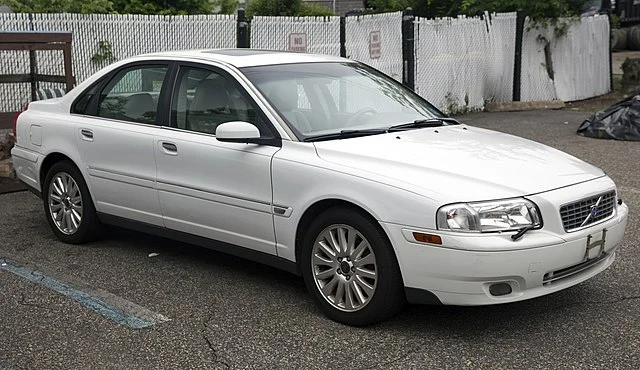
While this article focuses on years to avoid, it’s important to note that some S80 years are much less problematic. Generally, 2007, 2012, and 2014 non-T6 models have fewer complaints and better reliability. Even so, any S80 will require regular maintenance and attention to known weak points.
Cost Of Repairs
It’s easy to underestimate repair costs. A failed transmission can cost $3,000 or more. Electronic module replacements run $800–$2,500. Suspension repairs (like bushings or mounts) often cost $400–$1,200 per axle.
Tip: Always budget at least $1,500 per year for repairs and maintenance if you own a higher-mileage S80.
Real-world Owner Experiences
Many owners love the S80’s comfort and safety. However, they often mention frustration with electrical issues, especially as the car ages. Dealer parts and labor can be expensive, and not every independent shop has the tools or knowledge to repair Volvo’s systems.
Example: One owner of a 2006 S80 T6 reported needing a new transmission at 78,000 miles, plus repeated dashboard warnings for the airbag system. Another with a 2008 AWD model dealt with ongoing coolant leaks and expensive suspension repairs.
How The S80 Compares To Rivals
When compared with similar luxury sedans (like the BMW 5 Series or Mercedes E-Class), the S80 usually costs less to buy but can have higher maintenance costs if you choose a problem year or trim.
Non-obvious insight: The S80’s value as a used car depends heavily on maintenance history. Well-maintained examples are much better than average, but neglected ones can quickly become money pits.
For those wanting more in-depth reliability data, you can check out the Volvo S80 Wikipedia page.
Credit: www.youtube.com
Frequently Asked Questions
What Is The Worst Volvo S80 Year To Avoid?
The 1999 and 2000 S80 models are widely considered the worst due to severe transmission and electronic issues. These years had high recall rates and expensive repairs.
Are Later S80 Models More Reliable?
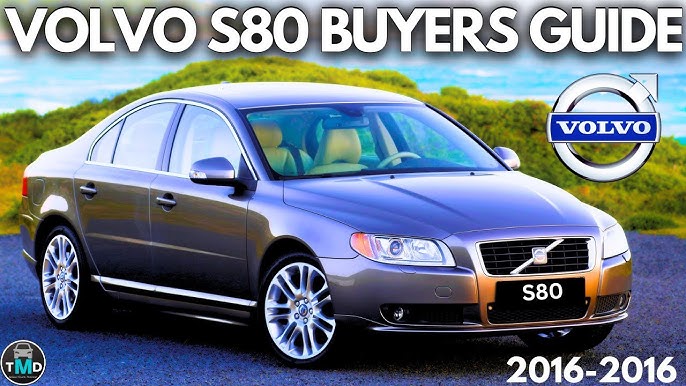
Later S80 models (2012–2016) improved, but still had electrical and software bugs. Non-T6 trims and cars with full service records are generally safer choices.
Is The S80 Expensive To Repair?
Yes, S80 repair costs are above average for sedans, especially for engine, transmission, or electronic module issues. Budget extra for maintenance if buying a used one.
Can I Diy Common S80 Repairs?
Some repairs (like brakes or filters) are DIY-friendly, but many S80 problems need special tools and Volvo diagnostic equipment. Electronics and transmissions should be left to experts.
How Can I Avoid Buying A Problem S80?
Always get a pre-purchase inspection from a Volvo specialist. Ask for full service records, and avoid models with turbo or AWD unless they have proven maintenance history.
If you’re searching for a used Volvo S80, this guide should help you spot risky years and make a smarter decision. By knowing what to watch out for, you can enjoy the comfort and safety of a Volvo—without the headaches.