The Chevrolet Tahoe is a favorite among full-size SUVs in the United States. It’s known for its power, space, and family-friendly design. But not every year of the Tahoe is equally reliable. Some years have frequent problems, expensive repairs, or poor performance.
If you’re thinking about buying a used Tahoe, knowing which years to avoid can save you headaches and money.
This guide digs deep into the worst Chevrolet Tahoe years, explains why they’re problematic, and shows how to spot trouble. You’ll also see how Tahoe compares across generations, plus smart tips for buyers and a FAQ section. Whether you want a Tahoe for road trips, towing, or daily driving, this article helps you make a confident choice.
Understanding Chevrolet Tahoe Generations
The Chevrolet Tahoe has been produced since 1995. Over the years, it has gone through five major generations. Each generation brought new features, but also new problems. Some issues are unique to certain years, while others affect entire generations.
Here’s a quick look at Tahoe generations:
| Generation | Years Produced | Key Changes |
|---|---|---|
| First (GMT400) | 1995–1999 | Launched as a two-door SUV, basic features |
| Second (GMT800) | 2000–2006 | Four-door design, more safety features |
| Third (GMT900) | 2007–2014 | Refined styling, improved ride quality |
| Fourth (K2XX) | 2015–2020 | Modern tech, better fuel efficiency |
| Fifth (T1XX) | 2021–present | Independent rear suspension, advanced features |
Each generation has strong years and weak years. Let’s look closer at the Tahoe years you should avoid.
Chevrolet Tahoe Years To Avoid
Not all Tahoes are equal. Some years have repeated complaints, recalls, and expensive repairs. Here are the most problematic years based on owner reports, reliability scores, and expert reviews.
2007–2008: Engine And Electrical Nightmares
Many buyers are surprised to learn that the 2007 and 2008 Tahoe models are among the worst. These years introduced the GMT900 generation, but they came with serious issues.
Common problems in these years:
- Engine trouble: Owners report engine knocking, oil consumption, and even complete failure. Repairing or replacing the engine can cost $3,000–$7,000.
- Electrical glitches: Dashboards go dark, gauges stop working, and batteries drain quickly. These issues often require multiple trips to the mechanic.
- Transmission failures: Some owners face slipping transmissions or total breakdowns, costing up to $3,500 for replacements.
- Interior quality: Peeling dashboards, cracked panels, and broken handles are frequent. While cosmetic, these issues reduce resale value.
A non-obvious insight: The 2007–2008 models have a flex-fuel system that often causes fuel sensor errors, leading to wrong fuel readings and engine stalling.
It’s also worth noting that these years saw issues with the Active Fuel Management (AFM) system. This technology was meant to improve fuel economy by turning off some engine cylinders during light driving. However, many owners found that AFM created even more oil consumption and engine wear, sometimes causing ticking noises or even engine failure. Mechanics often recommend disabling AFM to avoid bigger problems, but this isn’t a cheap or simple fix.
Another detail: The alternators and batteries in these years are known to fail earlier than expected. Many Tahoe owners from 2007–2008 have reported multiple battery replacements within a few years, which adds up in cost and inconvenience.
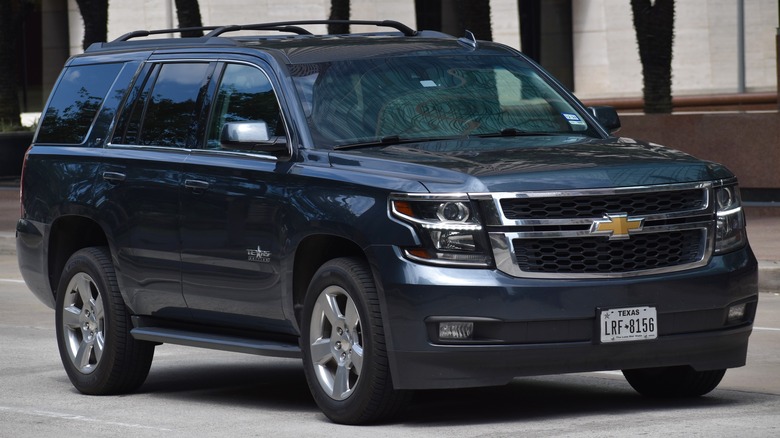
2015: Early Fourth-generation Problems
The 2015 Tahoe kicked off a new generation with advanced tech and improved efficiency. But the first year brought major headaches.
Key issues:
- AC failure: Hundreds of complaints about the air conditioning system suddenly failing. Repair costs average $1,500–$2,000.
- Electrical system issues: Infotainment screens freeze, backup cameras malfunction, and door locks stop working.
- Excessive vibration: Many owners report a “shudder” at certain speeds. It’s linked to faulty torque converters and driveshafts.
- Transmission problems: Hard shifting and jerky acceleration. Transmission repairs are expensive.
Unexpected problem: The 2015 model’s magnetic ride control (an advanced suspension) often fails early, leading to rough rides and expensive repairs.
Another less-known issue in 2015 models is with the power liftgate. Owners have reported the liftgate suddenly dropping or not opening, which can be dangerous if you’re loading heavy cargo. Repairs to the power liftgate system, including the struts and motor, can cost several hundred dollars.
Many buyers also overlook the paint and trim quality in this year. There are reports of early paint bubbling or flaking, especially on the hood and roof. This doesn’t affect driving, but it hurts resale value and can lead to rust if not fixed.
2016–2017: Continuing Reliability Issues
The 2016 and 2017 Tahoes continued to struggle with reliability. While some issues were fixed, new ones appeared.
Main complaints:
- AC system still unreliable: Even after fixes, AC failures remain common.
- Engine misfires: Owners report “check engine” lights and rough idling. Fixing misfires can cost over $800.
- Brake system flaws: Some Tahoes have weak brakes or even total brake failure, especially on models with electric brake boosters.
- Electrical faults: Sensors, screens, and switches often stop working.
Non-obvious tip: The 2016–2017 Tahoes have software bugs in their infotainment systems. These bugs cause random resets and Bluetooth failures, sometimes fixed only by updating software at a dealer.
Another detail that often goes unnoticed: The rear tailgate window on some 2016–2017 models has a faulty seal, leading to water leaks into the cargo area. Over time, this can cause electrical short circuits or mold, creating more expensive problems.
Owners also report that the front seat tracks sometimes loosen, leading to rattling or movement while driving. This is not just annoying but can be a safety issue in a crash.
2003–2005: Transmission And Fuel System Issues
These early 2000s Tahoes are affordable, but come with big risks.
Problems to watch for:
- Transmission failure: Many owners report transmissions slipping or failing after 100,000 miles. Repairs cost $2,500–$3,500.
- Fuel pump breakdowns: Sudden loss of power, engine stalling, or no start. Fuel pump replacement is often needed.
- Rust issues: Frames, brake lines, and body panels rust quickly, especially in northern states.
- Instrument cluster problems: Speedometers and gauges stop working.
Insight for buyers: These years often have leaky intake manifolds—a hidden problem that lets coolant mix with oil, leading to engine damage.
Another thing to check: The rear air conditioning lines are prone to corrosion and leaks, especially in cold climates where road salt is used. Repairing rear AC lines can be expensive because they run the length of the vehicle.
It’s also smart to inspect the parking brake system. On 2003–2005 Tahoes, the parking brake often fails to hold the vehicle due to weak parts, which can be a safety hazard on hills.
2011–2012: Electrical And Suspension Troubles
The 2011 and 2012 Tahoes are not as bad as the 2007–2008 models, but still have recurring issues.
Main problems:
- Electrical gremlins: Door lock actuators fail, windows stop working, and dashboard lights flicker.
- Suspension failures: Air suspension systems leak or collapse, causing rough rides and expensive repairs.
- Steering issues: Some owners report loose steering or “wandering” on the highway.
Non-obvious problem: The 2011–2012 models have corroded ground wires—a small part that causes big electrical issues if not fixed.
A detail often missed: The timing chain tensioners in these years can wear out early, leading to engine noise or even engine damage if not repaired. If you hear rattling from the engine, don’t ignore it.
Many 2011–2012 Tahoes also have failing oil pressure sensors. This can cause false low oil pressure warnings, worrying drivers and sometimes leading to unnecessary engine work.
1999–2002: Aging Parts And Safety Concerns
Older Tahoes, especially 1999–2002, are cheap but risky.
Common issues:
- Transmission slips: These models often need new transmissions after 100,000 miles.
- Safety recalls: Airbags and seatbelts sometimes fail. Always check recall history.
- Rust and corrosion: Undercarriage, brake lines, and fuel tanks rust easily.
Tip for buyers: Many of these models have ABS sensor failures—leading to unsafe braking and higher accident risk.
Another detail: The fuel tank straps can rust through and break, especially in areas with harsh winters. If a strap fails, the fuel tank can drop, which is very dangerous.
The HVAC blend door actuators are another weak spot. If you notice the air only blows hot or cold, or gets stuck, the fix can be time-consuming because it often means removing part of the dashboard.
Why These Years Are Problematic
Let’s look at why certain years stand out as the worst for Tahoe buyers. It’s not just about the number of complaints; it’s the cost and risk involved.
Reliability Scores And Owner Complaints
Sources like Consumer Reports, J.D. Power, and NHTSA show that Tahoe’s worst years have:
- Low reliability ratings (often below 2 out of 5)
- Hundreds of owner complaints
- Multiple recalls for safety and performance issues
For example, the 2007 Tahoe has over 500 NHTSA complaints about electrical problems alone.
It’s important to understand that some problems—like electrical gremlins or air suspension failures—are not only frequent but can also be very hard to diagnose. Owners and mechanics often spend hours chasing the cause, which increases both downtime and labor costs.
This is why reliability ratings drop so much for these years.
Repair Costs And Frequency
Bad Tahoe years often need expensive fixes. Here’s how average repair costs compare:
| Model Year | Average Annual Repairs | Major Repair Cost |
|---|---|---|
| 2007 | $650 | $3,000–$7,000 (engine) |
| 2015 | $700 | $2,000 (AC) |
| 2003 | $600 | $3,500 (transmission) |
| 2011 | $500 | $1,800 (suspension) |
These costs add up quickly, especially if you buy a Tahoe with hidden problems.
Another factor is the frequency of repairs. If you face multiple smaller repairs each year—like sensors, AC, locks, and suspension—the total cost can be as high as a major repair, but it’s less predictable. This makes budgeting for ownership more difficult in these problematic years.
Safety And Recall History
The worst Tahoe years have more recalls and safety complaints. For example, the 2007–2008 models had recalls for airbags, seatbelts, and electrical fires. The 2015 model was recalled for faulty brakes and power steering.
Always check recall history before buying. Some repairs are covered for free, but many are not.
Keep in mind that some recalls remain open for years because previous owners did not fix them. If you buy a Tahoe with an open recall, you’ll need to visit a Chevrolet dealer to see if the repair is still covered.
How To Spot A Bad Tahoe
If you’re shopping for a used Tahoe, you can avoid trouble by checking for signs of problems.
- Check the VIN: Use online tools to see recall history and accident reports.
- Look for warning lights: If the dashboard has “check engine,” “ABS,” or “airbag” lights on, walk away.
- Test the AC and electronics: Make sure everything works—especially in 2015–2017 models.
- Inspect for rust: Check under the car, wheel wells, and brake lines.
- Listen for engine noise: Knocking, ticking, or rough idling are red flags.
- Ask for service records: A Tahoe with regular maintenance is safer.
A useful tip: Always test drive the Tahoe at highway speed and on rough roads. Watch for vibration, shudder, or steering problems.
It’s also smart to check the tire wear pattern. Uneven tire wear can reveal hidden suspension or alignment issues, which might signal bigger problems.
Another check: Look under the hood for signs of new parts, like shiny bolts or fresh gaskets. These can mean recent repairs (good) or attempts to cover up problems (bad). Always ask the seller for details if you see evidence of recent work.
Credit: 247wallst.com
Comparison Of Best Vs Worst Tahoe Years
It’s useful to compare the worst Tahoe years with the best. This helps you see what makes a reliable Tahoe.
| Model Year | Reliability Score | Common Issues | Owner Satisfaction |
|---|---|---|---|
| 2007 | 1.5/5 | Engine, electrical, transmission | Low |
| 2015 | 2/5 | AC, transmission, vibration | Low |
| 2018 | 4/5 | Minor AC issues | High |
| 2020 | 4.5/5 | Few reported problems | Very High |
Best years, like 2018 and 2020, have fewer complaints, higher reliability, and happier owners. Worst years have repeated, expensive problems.
Owners of the best years often mention how little they spend on repairs outside of regular maintenance. They also appreciate features like smooth ride, quiet cabin, and strong resale value. On the other hand, owners from the worst years often report frustration with time spent at the mechanic and unexpected bills.
Tips For Buying A Used Chevrolet Tahoe
You can still find a good used Tahoe, even from risky years, if you follow these smart steps:
- Inspect carefully: Hire a mechanic to check for hidden issues.
- Avoid the first year of new generations: Early models often have bugs.
- Check for recalls: Make sure all recall repairs were done.
- Ask about AC and transmission: These are common trouble spots.
- Look for rust and corrosion: Avoid models from snowy regions if possible.
- Test electronics: Infotainment, backup cameras, sensors, and locks.
- Ask for proof of regular maintenance: Well-maintained Tahoes last longer.
- Negotiate price: Use known issues to lower the price.
A little-known tip: Some dealerships offer extended warranties for used Tahoes. This can cover expensive repairs if you buy a risky model.
It’s also smart to get a pre-purchase inspection from a mechanic who knows GM trucks. They can spot hidden issues that general mechanics may miss, like subtle suspension wear or electrical quirks.
When you’re ready to buy, research the vehicle’s service bulletins. These are official fixes for common problems that aren’t always recalls. Knowing if a Tahoe’s previous owner handled these bulletins can help you avoid future trouble.
Common Buyer Mistakes
Many buyers make mistakes that lead to costly repairs and regrets. Here are some to avoid:
- Ignoring recall history: Some recalls are not fixed. Always check.
- Buying without inspection: Hidden engine or transmission issues can cost thousands.
- Focusing only on price: Cheap Tahoes often have expensive problems.
- Skipping test drive: Always drive at different speeds and listen for issues.
- Assuming all Tahoes are equal: Each year has unique strengths and weaknesses.
Don’t rush. Take time to research and inspect before buying.
One extra mistake: Some buyers skip checking the title status. Avoid Tahoes with salvage or rebuilt titles, as these often have unrepaired damage or ongoing issues that can be hard to fix or insure.
Are Newer Tahoes Always Better?
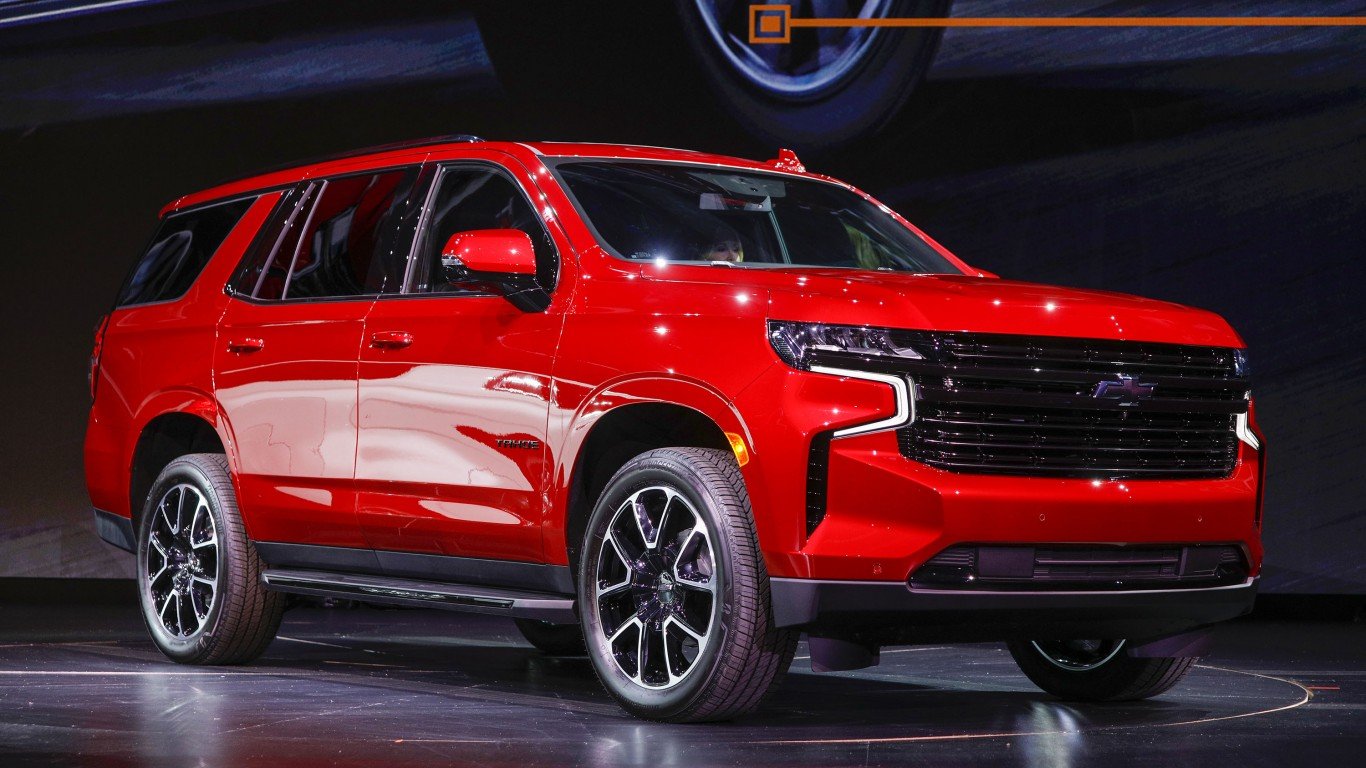
You may think buying a newer Tahoe is safer. While newer models have fewer issues, early years of each generation are risky. For example, the 2021 Tahoe has advanced tech but some owners report electrical bugs and software problems.
Newer Tahoes also cost more and may have expensive parts if something breaks. It’s smart to wait until a new generation is a few years old before buying.
Another factor with new models: Technology can be a double-edged sword. While features like adaptive cruise control and advanced infotainment are attractive, they add complexity and potential repair costs. If you don’t need the latest tech, an older but reliable year may be a better value.
How Tahoe Compares To Competitors
The Tahoe’s main rivals are the Ford Expedition, Toyota Sequoia, and Nissan Armada. Each has its own problems, but Tahoe’s worst years often have more complaints.
For example, the Ford Expedition from 2007–2008 had fewer engine issues than the Tahoe. The Toyota Sequoia is known for reliability, but costs more used.
If you want a full-size SUV, compare reliability scores and owner reviews before choosing.
A detail to note: The Toyota Sequoia is praised for lasting 200,000 miles or more with few major repairs. However, its ride is less refined, and fuel economy is similar to Tahoe. The Nissan Armada offers good value but has its own history of transmission and rust problems. Always compare several years and models before you decide.
Maintenance Tips For Tahoe Owners
If you already own a Tahoe from a risky year, you can reduce problems by maintaining it well.
- Change oil often: Every 3,000–5,000 miles.
- Check transmission fluid: Low or dirty fluid leads to failures.
- Inspect AC and cooling system: Prevent overheating and expensive repairs.
- Clean electrical contacts: Avoid wiring problems.
- Fix rust early: Treat small spots before they spread.
A hidden insight: Many Tahoe problems start with bad ground wires or corroded connectors. Cleaning and checking these can prevent electrical failures.
It’s also wise to use high-quality replacement parts when doing repairs. Cheap aftermarket parts may save money now but can fail sooner, leading to more repairs. Stick with OEM or trusted brands for things like sensors, fuel pumps, and suspension components.
Credit: www.slashgear.com
What To Do If You Own A Tahoe Year To Avoid
If you discover your Tahoe is from a problematic year, don’t panic. Here’s what to do:
- Check for open recalls: Dealers may fix some issues for free.
- Get a full inspection: Find hidden problems before they get worse.
- Fix critical issues first: Engine, transmission, and brakes are most important.
- Consider extended warranties: They can cover big repairs.
- Plan for extra maintenance: Budget more for repairs.
Some owners decide to sell and buy a newer, more reliable Tahoe. If you keep your SUV, regular care is key.
If you can, join an online Tahoe owner forum. There you’ll find tips, repair guides, and support from other owners dealing with the same issues. Often, someone has already solved the problem you’re facing.
Frequently Asked Questions
Which Chevrolet Tahoe Years Are The Worst?
The worst years are 2007–2008, 2015, 2016–2017, 2003–2005, and 2011–2012. These models have repeated complaints about engines, transmissions, AC, and electrical systems.
Is The 2015 Tahoe Reliable?
No. The 2015 Tahoe has many problems with AC, transmission, and electrical systems. Repairs are expensive, and many owners report poor reliability.
Can I Buy A 2007 Tahoe If It’s Well Maintained?
Even with regular maintenance, the 2007 Tahoe often has hidden engine and electrical issues. If you must buy one, get a full inspection and plan for extra repair costs.
Are Newer Tahoes (2018–2022) More Reliable?
Yes. Newer Tahoes have fewer complaints and higher reliability scores. Models from 2018–2020 are especially strong. But avoid the first year of any new generation.
Where Can I Check Recall History For A Tahoe?
You can check recall history on the NHTSA website or at NHTSA.gov. Enter the VIN to see all recalls and repairs.
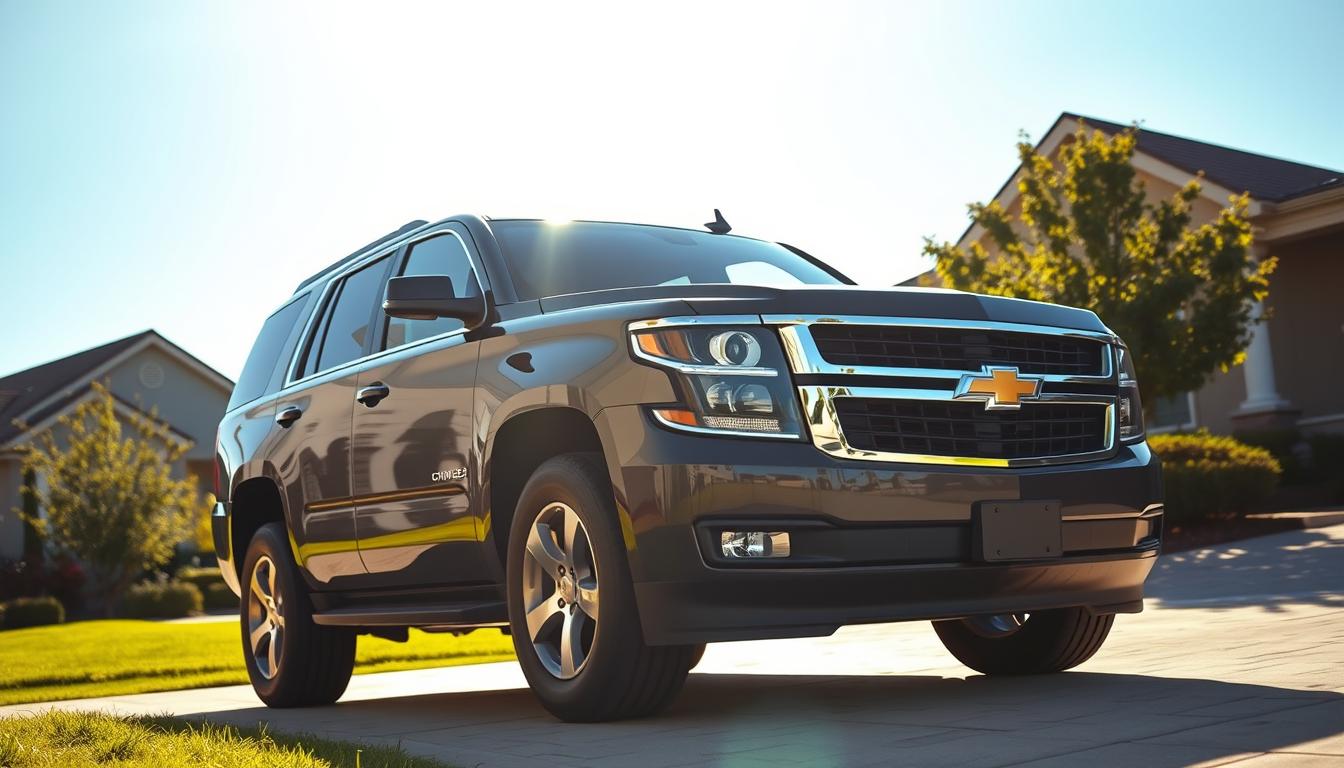
Credit: vehiclefixation.com
Final Thoughts
Choosing a used Chevrolet Tahoe can be a smart move if you know which years to avoid. The worst years—like 2007–2008, 2015, and early 2000s models—have expensive problems and safety risks. Always check reliability scores, owner complaints, and recall history before buying.
Remember, a careful inspection and regular maintenance can help you enjoy a Tahoe for years. Don’t rush into a deal. Compare generations, test drive carefully, and use this guide to protect yourself from costly mistakes.
With the right information, you can find a Tahoe that fits your needs—without falling into the common traps that catch many buyers. If you want more details, trusted sources like Consumer Reports can give you the latest reliability and recall data. Make your next Tahoe purchase with confidence!