If you’re searching for a tough, reliable SUV, the Toyota Land Cruiser often comes up as a top choice. For decades, it has built a reputation for dependability, off-road ability, and comfort. But even the best vehicles can have problematic years. Some Land Cruiser models have more issues than others, and buying the wrong year can mean costly repairs or frustrating problems. This guide will help you understand which Land Cruiser years to avoid, why these years have problems, and how to choose a model that will give you years of trouble-free driving.
Why Do Some Land Cruiser Years Have Problems?
Even brands with strong reputations have model years that stand out for the wrong reasons. Sometimes it’s because of changes in design, the introduction of new technology, or even cost-cutting measures. For the Land Cruiser, several years had higher rates of mechanical problems, recalls, or expensive repairs.
Understanding the reasons behind these issues helps you make a smart decision.
Non-obvious insight: A common reason for problem years is the introduction of new engines or transmissions. Toyota, like many carmakers, sometimes uses customers as “testers” for new tech. The first year of a new engine or feature can be riskier, while later years tend to be more reliable as problems are fixed.
Overview Of Land Cruiser Generations
Before digging into problem years, it helps to know the main Land Cruiser generations in the US market:
| Generation | Years Sold | Key Features |
|---|---|---|
| 60 Series | 1980–1989 | Boxy, simple, very reliable |
| 80 Series | 1990–1997 | Full-time 4WD, coil springs, more luxury |
| 100 Series | 1998–2007 | V8 engine, independent front suspension |
| 200 Series | 2008–2021 | Advanced safety, more power, heavier |
| 300 Series | 2022–present | Turbo V6, modern tech, lighter frame |
Each generation brought new features—and new risks. Now, let’s look at which years have a reputation for trouble.
Land Cruiser Years To Avoid: The Most Problematic Models
Not every Land Cruiser is a safe bet. Certain years stand out for higher repair costs, reliability problems, or safety concerns. Here are the main Land Cruiser years you should think twice about.
1. 1991-1992 (80 Series)
The 1991 and 1992 Land Cruisers were the early years of the 80 Series. These models introduced a lot of changes—full-time 4WD, new engines, and more electronics. Unfortunately, they also brought several issues.
Common problems:
- Head gasket failures: The 4.0L inline-six engine in these years is known for blown head gaskets, often before 150,000 miles. Fixing this can cost $2,000–$3,000.
- ABS system faults: The new anti-lock brakes had reliability issues, leading to warning lights and reduced braking safety.
- Electrical gremlins: Early 80 Series models had more electrical problems than later ones.
Why avoid: Repair costs are high, and many have not been properly fixed. Later 80 Series models (1993–1997) are much more reliable.
2. 1998 (100 Series)
The first year of the 100 Series brought a new V8 engine and independent front suspension. This was a big leap, but it came with teething problems.
Common problems:
- Suspension issues: The new suspension design led to more wear on ball joints and control arms. These parts can fail and are expensive to replace.
- Front differential failures: The first-year 100 Series had weak front differentials, especially if used off-road.
- Brake system quirks: Some owners reported the brakes felt “soft” or required more frequent servicing.
Why avoid: Later years (1999+) improved the suspension and differential. 1998 models are best for collectors or experienced DIYers.
3. 2008-2011 (200 Series)
The early 200 Series models (especially 2008–2011) have several known issues, despite their reputation for luxury and power.
Common problems:
- Oil consumption: The new 5.7L V8 engine in these years sometimes burned oil. Some owners added a quart every 1,000 miles, which can signal deeper engine problems.
- Air suspension failures: The optional Kinetic Dynamic Suspension System (KDSS) was advanced but prone to leaks and expensive repairs.
- Navigation and infotainment glitches: Early versions of Toyota’s tech were buggy and hard to update.
Why avoid: Repair bills can be huge—sometimes over $5,000 for suspension work. The 2012+ models have better reliability and improved tech.
4. 2016–2019 (200 Series)
These years introduced new safety tech and infotainment. But for some buyers, these advances created headaches.
Common problems:
- Early Safety Sense bugs: Toyota Safety Sense (lane keep assist, adaptive cruise, etc.) Was new to the Land Cruiser and sometimes malfunctioned, requiring dealer updates.
- Transmission quirks: The 8-speed automatic, added in 2016, could shift roughly or “hunt” for gears.
- Electronic gremlins: Reports of screens freezing, Bluetooth dropping, and other tech annoyances.
Why avoid: If you want the smoothest tech experience, the last years (2020–2021) are much less troublesome.
Summary Table: Land Cruiser Years To Avoid
To help you compare, here’s a quick look at the highest-risk Land Cruiser years and their main issues.
| Model Year | Main Problems | Estimated Repair Costs |
|---|---|---|
| 1991–1992 | Head gasket, ABS, electrical | $2,000–$4,000+ |
| 1998 | Suspension, front diff, brakes | $1,500–$3,500 |
| 2008–2011 | Oil use, air suspension, infotainment | $2,000–$6,000 |
| 2016–2019 | Safety Sense, transmission, tech bugs | $1,000–$3,000 |
Not every Land Cruiser from these years will have problems, but the risk is higher.
Other Years With Notable Issues
Besides the years above, a few other Land Cruiser models deserve caution.
1995 (80 Series)
The 1995 Land Cruiser introduced airbags, but some owners reported airbag warning light issues and wiring harness problems. While these are less severe than head gasket failures, they can be expensive to fix.
2003–2005 (100 Series)
These years saw reports of automatic transmission problems—especially delayed shifting and “slipping” under load. Transmission replacement can cost over $4,000.
2013–2015 (200 Series)
Some owners noted premature brake wear and infotainment freezes. These are less serious, but annoying and can add up in repair costs.
What Makes A “good” Land Cruiser Year?
If you want a Land Cruiser that lasts, focus on years where Toyota fixed earlier problems, and where owner feedback is strong. Here’s what to look for:
- Proven engine and transmission: Choose years after a major update, not the first year.
- Simple features: Fewer gadgets mean fewer things to break, especially in older models.
- Strong owner reviews: Look for models with high mileage and low-cost repairs.
- Easy parts availability: Some years have unique parts that are expensive or hard to find.
Non-obvious insight: Many Land Cruisers from the late 1990s and early 2000s are still on the road with over 250,000 miles. These models have proven reliability if well maintained.
Best Land Cruiser Years For Reliability
To help balance your research, here’s a look at the most reliable Land Cruiser years (US market):
- 1993–1997 (80 Series): Head gasket issues fixed, simple electronics, strong axles.
- 2001–2002 (100 Series): Most bugs sorted, strong V8, easy maintenance.
- 2012–2015 (200 Series): Improved engine, better tech reliability, good parts support.
- 2020–2021 (200 Series): Final years of the 200 Series, all updates included.
These years have the lowest rates of major problems and the best resale values.
Land Cruiser Generations Compared
To give you a better idea of the differences between generations, here’s a side-by-side comparison of key specs:
| Generation | Engine | Transmission | Suspension | Key Weaknesses |
|---|---|---|---|---|
| 80 Series | 4.0L I6, 4.5L I6 | 4/5-speed auto | Solid axle, coil springs | Early head gasket, ABS |
| 100 Series | 4.7L V8 | 4/5-speed auto | IFS front, solid rear | Early suspension, diff, AHC leaks |
| 200 Series | 5.7L V8 | 6/8-speed auto | Independent all around | Oil use, tech glitches, KDSS |
Common Mistakes When Shopping For A Used Land Cruiser
Even experienced buyers can make costly mistakes. Here are the most common pitfalls:
- Ignoring service history: A Land Cruiser without records can hide expensive surprises. Always ask for oil change intervals, timing belt/chain replacement, and major repairs.
- Overlooking rust: Older models, especially from snowy states, can have serious frame or body rust. Rust repair is often not worth the cost.
- Assuming “Toyota” means perfect: Even reliable brands have bad years. Do your homework.
- Forgetting about running costs: Land Cruisers are heavy and powerful, so expect lower fuel economy and higher maintenance costs than smaller SUVs.
Pro tip: Take any used Land Cruiser to a mechanic who knows the brand. They can spot hidden problems that a general shop might miss.
How To Spot A Problem Land Cruiser
You can avoid a “bad” Land Cruiser by watching for these warning signs during shopping:
- Oil leaks or burning smell: This could mean engine or gasket problems.
- Warning lights on the dash: Airbag, ABS, or engine lights should never be ignored.
- Bouncy or uneven ride: Suspension issues are common in problem years.
- Strange transmission behavior: Rough shifting, delays, or “clunking” sounds are red flags.
- Electrical glitches: Test all buttons, windows, and tech features.
Ask the seller directly about these issues. If they can’t give clear answers, walk away.
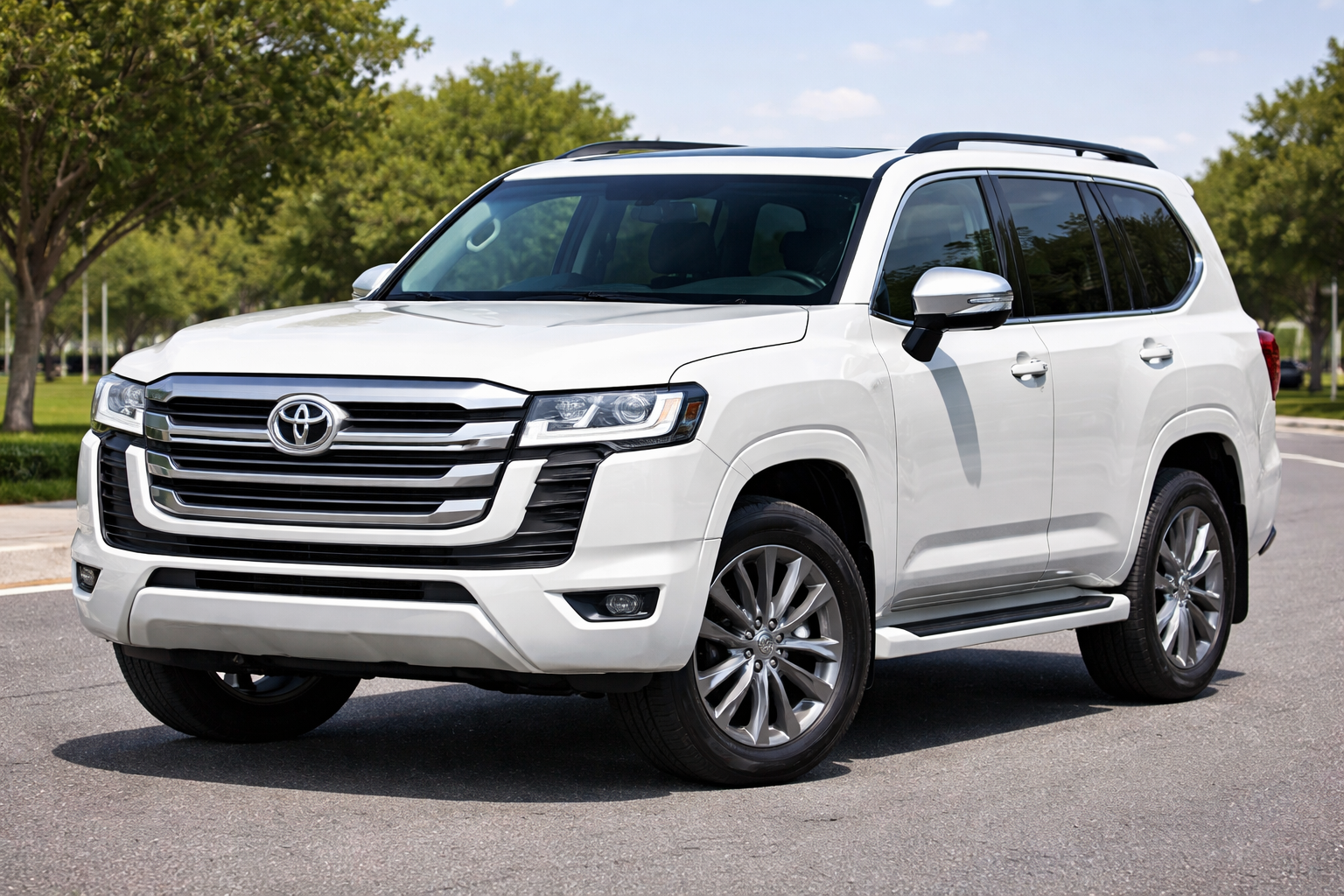
Credit: rerev.com
Are Expensive Repairs Always A Deal-breaker?
Sometimes a “bad” Land Cruiser year is not a problem if it’s been fixed. For example, if a 1991 model has a new head gasket with receipts, it may be a great buy. But you need proof. If the seller says “it’s never had a problem,” be skeptical—especially for common failure points.
Experience-based tip: The most reliable Land Cruisers are often owned by enthusiasts who keep detailed records and fix known issues early.
Should You Buy A High-mileage Land Cruiser?
Many Land Cruisers cross 200,000 miles or more. High mileage is not always bad, especially if maintenance is strong. However, avoid high-mileage models from the “years to avoid” list unless they have full service records and major repairs already done.

Credit: www.youtube.com
Land Cruiser Vs. Competition
If you want a durable, off-road-ready SUV, the Land Cruiser isn’t your only option. Here’s how it compares to common rivals:
- Toyota Sequoia: Similar reliability, less off-road ability, cheaper to run.
- Lexus LX: Shares most mechanical parts with the Land Cruiser, but more luxury features.
- Nissan Armada: Lower price, but can have more problems.
- Chevrolet Tahoe/Suburban: Easier to find parts, but not as tough off-road.
For long-term value and durability, the Land Cruiser is still hard to beat if you avoid the problem years.
How To Find The Best Land Cruiser For Your Needs
Your ideal Land Cruiser depends on your budget and how you’ll use it.
- For daily driving: Choose 2012–2021 models for comfort and tech.
- For off-roading: 1993–1997 (80 Series) is the most rugged.
- For family use: 100 Series (2001–2007) balances power, comfort, and reliability.
- For collectors: Late 70s, 80s, and early 90s models are rising in value.
If you’re on a budget, don’t just buy the cheapest one. Spend more for a model with records, no rust, and updated maintenance.
Tips For Buying A Used Land Cruiser
Getting a good Land Cruiser is all about careful shopping. Here’s how to protect yourself:
- Research VIN history: Check for accidents, title issues, and previous owners.
- Get a pre-purchase inspection: Always have an expert look at the car before buying.
- Budget for repairs: Even good Land Cruisers need timing belts, brakes, and suspension over time.
- Avoid “modded” models: Off-road modifications can hide abuse or improper repairs.
- Be patient: The best examples sell fast, but it’s better to wait than rush into a problem.
What To Do If You Already Own A Problem Year
If you have a Land Cruiser from one of the “avoid” years, don’t panic. Many owners drive these models for years with no problems, especially if they’re maintained. Here’s how to reduce your risk:
- Follow service intervals: Don’t skip oil changes, fluids, or timing belt replacements.
- Fix small problems early: A $100 oil leak can turn into a $3,000 repair if ignored.
- Join owner forums: Communities like IH8MUD.com are full of advice and help.
Non-obvious insight: Sometimes, problem years hold their value well because buyers know what to look for. If you fix common issues, you may even sell for a profit later.

Credit: www.copilotsearch.com
Are The New Land Cruisers (300 Series) More Reliable?
The 300 Series (2022+) is not yet widely available in the US, but early reports are positive. Toyota learned from past mistakes, using lighter materials and a new turbo V6 engine. However, as always, the first model years of a new generation can have teething issues.
If reliability is your top concern, waiting for a few years of owner feedback before buying is wise.
For more on the history and evolution of the Land Cruiser, check the Wikipedia Land Cruiser page.
Frequently Asked Questions
What Is The Most Reliable Land Cruiser Year?
The 1993–1997 (80 Series) and 2001–2002 (100 Series) are often considered the most reliable. These years have proven engines, simple electronics, and few major recalls. Many have crossed 300,000 miles with only routine maintenance.
Is It Worth Buying A High-mileage Land Cruiser?
Yes, but only if it has a strong service history and no rust. Land Cruisers are built to last, but repairs on neglected models are expensive. Look for regular oil changes, timing belt replacement, and transmission service.
How Long Do Land Cruisers Last?
With good care, most Land Cruisers easily reach 250,000–300,000 miles. Some have gone much further—there are reports of 500,000-mile examples. Key to longevity is maintenance and fixing problems early.
Are Land Cruisers Expensive To Maintain?
Land Cruisers cost more to maintain than a small SUV, mainly due to their size and complexity. Annual maintenance can be $1,000–$2,000 for older models, especially if suspension or drivetrain repairs are needed. Parts are easy to find for most years.
Why Do Some Land Cruisers Have Frame Rust Issues?
Models from snowy climates or coastal areas can develop frame and underbody rust. Toyota had some frame rust recalls for other vehicles, but not for the Land Cruiser. Always inspect the frame before buying, especially for 80 and 100 Series models.
Choosing the right Land Cruiser is about more than just finding the lowest price. With a little research and patience, you can avoid problem years and enjoy one of the world’s best all-terrain vehicles for decades.