

The Chevy Volt made its debut as one of the first mass-market plug-in hybrid cars, blending electric driving with a gasoline backup. For many, it offered the best of both worlds—smooth electric driving for daily commutes and no range anxiety for longer trips. However, not every model year is created equal. If you’re looking to buy a used Chevy Volt, understanding which years are best avoided can save you time, money, and frustration.
In this guide, you’ll learn which Chevy Volt years to avoid, why some years are problematic, and how to spot a reliable Volt. You’ll also get real-world data, specific examples, and practical advice that goes beyond the usual “avoid early models” advice.
If you want a Volt that delivers worry-free driving and lower ownership costs, this article is for you.
Chevy Volt Overview: What Makes It Unique?
Before diving into problem years, it helps to understand what sets the Volt apart. The Volt is a plug-in hybrid electric vehicle (PHEV). This means it has a battery that can be charged from a wall outlet and also uses a gasoline engine as a generator when the battery is depleted. This setup was revolutionary when it launched in 2011.
Two generations exist:
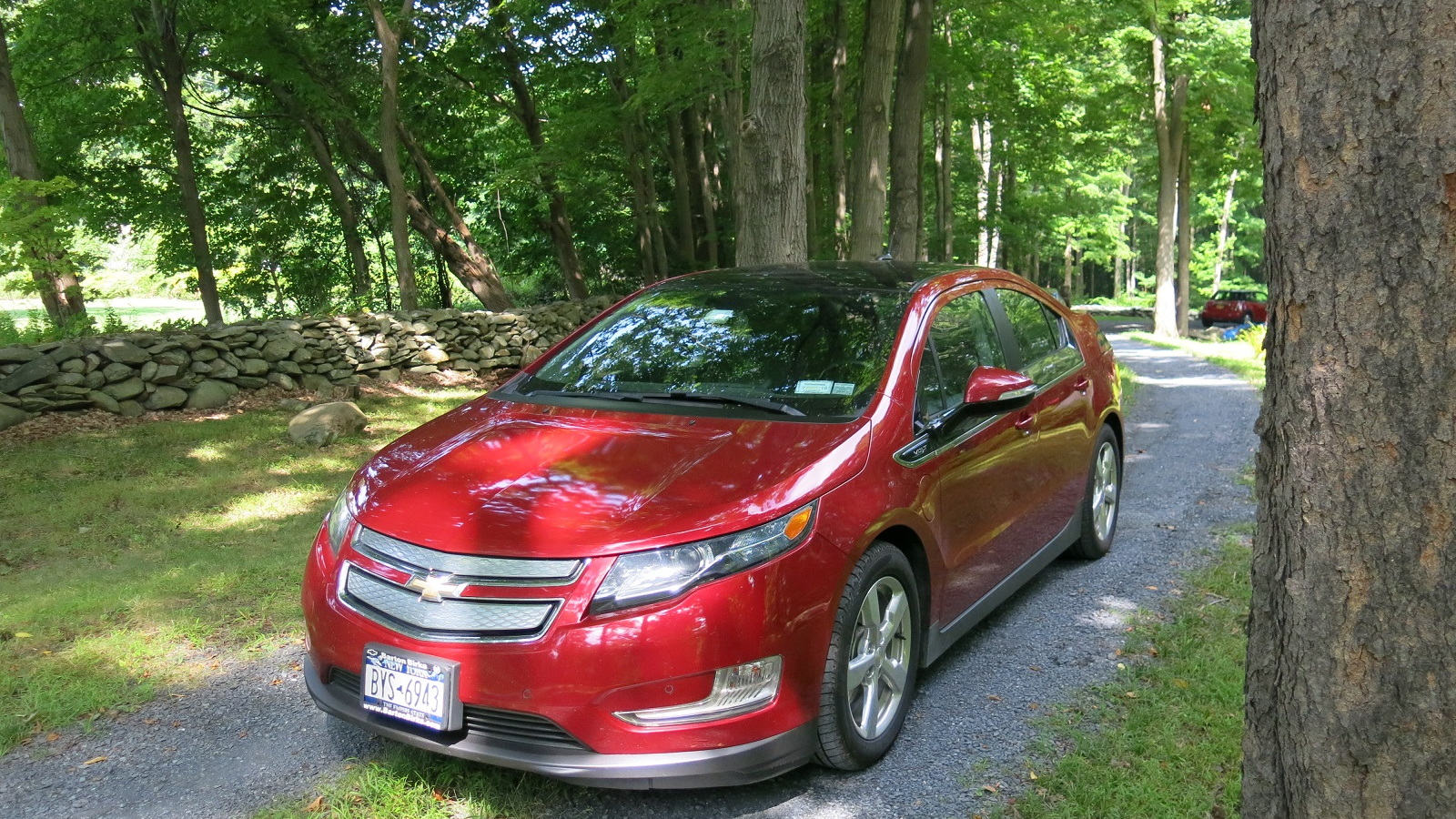
- First generation (2011–2015): Known for its unique Voltec drivetrain and innovative design.
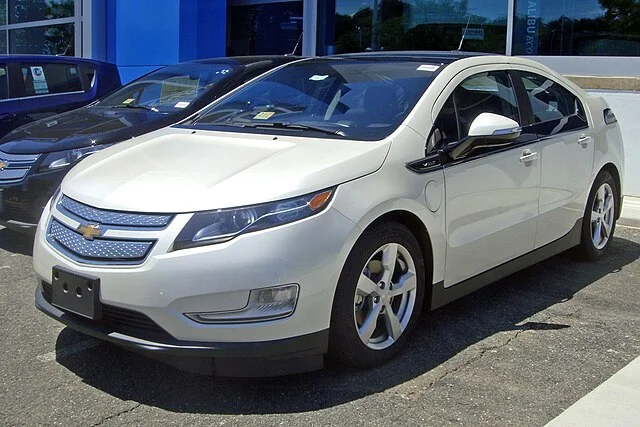
- Second generation (2016–2019): Improved performance, more electric range, lighter weight, and updated tech.
The Volt’s combination of electric range (25–53 miles depending on year) and a total range of over 350 miles made it a strong choice for eco-minded drivers. However, as with any car, early models and some specific years had issues that buyers should know about.
Which Chevy Volt Years To Avoid (and Why)
Not all Volts are equal when it comes to reliability and owner satisfaction. Based on owner reports, recall history, and mechanic insights, the following years are best approached with caution.
1. 2011 Chevy Volt
The 2011 Volt was the first model year and, like many first-year vehicles, it faced “teething problems.” Some key issues:
- Battery-related recalls: Several recalls affected the battery pack and charging system, including a major one for fire risk after crash tests.
- MyLink system glitches: Early infotainment system bugs led to screen freezes and unresponsive controls.
- Transmission shudder: Some owners reported a harsh transition between electric and gas modes.
While GM addressed many issues under warranty, some 2011 Volts on the used market can still have unresolved problems.
2. 2012 Chevy Volt
The 2012 model carried over many of the first year’s challenges, though reliability improved slightly. Common complaints included:
- Battery coolant leaks: A known issue leading to expensive repairs if not caught early.
- Charging port failures: Some owners experienced intermittent charging problems, requiring replacement of the port or onboard charger.
- Voltec drive unit noise: A whining noise from the drivetrain that sometimes needed a complete unit swap.
3. 2013 Chevy Volt
By 2013, many bugs were fixed, but some persistent issues remained:
- Electric drive system faults: Reports of “Propulsion Power Reduced” warnings, often traced to faulty sensors or battery modules.
- Accessory power module failures: Leading to random shutdowns or no-start conditions.
While 2013 is better than 2011–2012, it’s still more prone to expensive repairs than later models.
4. Early Second-gen: 2016 Chevy Volt
The 2016 Volt was the launch year of the second generation. It brought a new platform, improved range (up to 53 miles electric), and better performance. However, some problems affected this year:
- Software glitches: Owners reported screen freezes and random system reboots.
- Charging system bugs: Some vehicles would not charge reliably, especially with Level 2 chargers.
- Transmission sensor failures: A small but significant number of Volts had faulty sensors leading to “Check Engine” lights and reduced power.
2017–2019 models ironed out most of these bugs.
Years With The Best Reliability
While the above years are best avoided if possible, some Volt model years stand out for their dependability and owner satisfaction.
2014 And 2015 Chevy Volt
These final first-gen years benefited from years of improvement. Problems were few and far between, with most issues minor and inexpensive to fix. Owners praised the battery durability and the smooth drive.
2017–2019 Chevy Volt
The last three years of production are widely seen as the best Chevy Volts to buy used. They offer:
- Updated battery management: Improved longevity and fewer charging issues.
- Refined infotainment system: Fewer bugs and better user experience.
- Solid reliability: Very few widespread issues reported.
Common Chevy Volt Problems By Year
A closer look at the most common Volt problems—and which years they affected—gives a clearer picture for shoppers.
| Year | Major Issues | Estimated Repair Cost |
|---|---|---|
| 2011 | Battery recall, infotainment bugs, transmission shudder | $1,500–$4,000 |
| 2012 | Coolant leaks, charging port failure, drive unit noise | $800–$3,500 |
| 2013 | Propulsion power loss, accessory module failures | $700–$2,500 |
| 2016 | Software bugs, charging system issues, sensor failures | $600–$2,000 |
| 2014–2015 | Minor infotainment glitches | $200–$800 |
| 2017–2019 | Few reported issues | $150–$500 |
This table shows that repairs can get expensive for early Volts, especially if out of warranty.
Why Do Some Chevy Volt Years Have More Problems?
Some years stand out for higher complaint rates and recalls. The main reasons:
- First-generation launch bugs: Early models (2011–2012) had new technology and manufacturing processes. Issues were expected as GM learned from real-world use.
- Major redesigns: The 2016 Volt switched to a new platform. Even with testing, early production can reveal problems not found in development.
- Software development: As more systems moved to digital controls, software glitches became more common—especially in infotainment and charging modules.
- Battery technology evolution: The Volt’s complex battery system saw improvements each year. Early battery control modules were less robust, leading to more faults.
How To Spot A Problem Chevy Volt
Not all Volts from a “bad year” will have issues, and some from “good years” can still develop problems—especially if poorly maintained. Here’s how to spot warning signs:
1. Check For Outstanding Recalls
Always check the VIN on the National Highway Traffic Safety Administration (NHTSA) website for open recalls. Some early Volts have uncompleted battery or electrical recalls.
2. Inspect The Battery Health
The battery is the heart of the Volt. Look for:
- Battery warranty status (GM offered 8 years/100,000 miles)
- Range on a full charge (should be close to EPA numbers)
- No warning lights on the dash during startup
Some shops offer a battery health check for plug-in vehicles.
3. Test All Drive Modes
Make sure the car drives smoothly in both electric and gasoline modes. Watch for:
- Shudder or hesitation when the gas engine starts
- Strange noises from the drivetrain or cooling system
4. Try The Charging System
Plug the Volt into both Level 1 (120V) and Level 2 (240V) chargers, if possible. Make sure:
- Charging starts every time
- No error messages appear
- The port doesn’t overheat or disconnect
5. Review Service History
A well-documented service history reduces risk. Look for:
- Regular software updates
- Timely battery coolant changes (important for battery life)
- Resolution of any previous recalls
Credit: www.copilotsearch.com
Chevy Volt Generations: Key Differences
Understanding the differences between Volt generations can help you choose the right model.
| Generation | Years | Electric Range (EPA) | Notable Features |
|---|---|---|---|
| First | 2011–2015 | 25–38 miles | Unique Voltec drivetrain, early tech |
| Second | 2016–2019 | 53 miles | Lighter, more efficient, Apple CarPlay, Android Auto |
The second generation offers more range, better tech, and improved reliability, making it the top pick for most buyers.
Battery Longevity: What You Need To Know
The Volt’s battery is designed for long life, but its condition is critical for used buyers. Here’s what matters:
- First-gen battery packs are liquid-cooled and usually last over 100,000 miles, but some early packs failed before warranty end.
- Second-gen packs have better battery chemistry and improved management systems, making failures rare.
Signs of a weak battery:
- Reduced electric range (e.g., less than 20 miles on a full charge for first-gen)
- Frequent “Propulsion Power Reduced” warnings
- Error codes related to battery modules
Pro tip: Some dealers can give you a battery “state of health” report before purchase.
Hidden Costs: What Many Buyers Miss
Many used Volt shoppers focus only on the purchase price. But some hidden costs are easy to miss:
- Out-of-warranty repairs: Battery, drive unit, or charging system repairs can cost $2,000–$5,000 if not covered.
- Infotainment failures: Replacing the MyLink screen or control unit runs $500–$1,200.
- Coolant service: The battery coolant must be changed every 5 years or 150,000 miles. Skipping this can shorten battery life.
Insurance for plug-in hybrids like the Volt can also be higher than for a similar non-hybrid car, though it’s usually reasonable.
What Makes A Good Used Chevy Volt?
When shopping for a used Volt, look for these signs of a strong buy:
- Second-generation model (2017–2019): Most bugs fixed, best battery, latest features.
- Low to moderate mileage: Under 80,000 miles is ideal, especially for the battery.
- Full service records: Shows the car was maintained properly.
- No open recalls: Indicates a safer, updated vehicle.
- Clean title: Avoid any car with a history of flooding or severe accidents.
Credit: www.greencarreports.com
How The Chevy Volt Compares To Other Plug-in Hybrids
If you’re considering a Volt, you might also be looking at other plug-in hybrids. Here’s how the Volt stacks up:
| Model | Electric Range (miles) | Total Range (miles) | Years Offered |
|---|---|---|---|
| Chevy Volt (2nd Gen) | 53 | 420 | 2016–2019 |
| Toyota Prius Prime | 25 | 640 | 2017–2022 |
| Ford C-Max Energi | 20 | 570 | 2013–2017 |
| Honda Clarity PHEV | 47 | 340 | 2018–2021 |
The Volt leads the pack in electric-only range for its class, making it a strong choice for those who want to drive electric most of the time.
Key Tips For Buying A Used Chevy Volt
If you’ve decided the Volt is right for you, here are some best practices:
- Avoid 2011, 2012, 2013, and 2016 if possible. These years have higher risks and repair costs.
- Get a pre-purchase inspection. Find a mechanic familiar with plug-in hybrids.
- Ask for a battery test. This can reveal hidden battery problems.
- Test all features. Check every button, screen, and drive mode.
- Review the Carfax or AutoCheck report. Watch for flood, salvage, or lemon history.
A little research goes a long way in finding a Volt that will serve you well for years.
Maintenance And Ownership: What To Expect
The Chevy Volt has lower maintenance costs than many traditional cars. There’s no timing belt, and brake wear is reduced thanks to regenerative braking. Still, plan for:
- Battery coolant changes every 5 years
- Software updates (best done at a Chevy dealer)
- Tire rotations every 7,500 miles
- Engine oil changes (yes, even with mostly electric driving, the gas engine needs fresh oil every 24 months or 7,500 miles)
Most Volt owners report spending less than $500 a year on routine maintenance, aside from out-of-warranty battery or charging repairs.
Real-world Owner Experiences
Hearing from real Volt owners gives extra perspective:
- “My 2017 Volt has over 80,000 miles and still gets 50+ miles electric in summer. Only issue was a minor infotainment bug, fixed under warranty.”
- “I bought a 2012 Volt used. Loved driving electric, but had to replace the charging port twice—wasn’t cheap.”
- “Our 2015 Volt has been trouble-free for 6 years. Just oil changes and tires.”
Notably, many early Volt owners say they would buy another, but only from 2014 or newer.
Pros And Cons Of Owning A Chevy Volt
Every car has strengths and weaknesses. Here’s a quick summary for the Volt:
Pros:
- High electric-only range for its class
- Smooth, quiet driving
- No range anxiety
- Lower emissions
- Affordable used prices (especially after tax credits)
Cons:
- Early models have reliability issues
- Some repairs can be expensive out-of-warranty
- Limited interior space compared to some rivals
- Discontinued after 2019 (parts/updates may get harder to find)
Insight: One thing buyers often miss is that many Chevy dealers are now less familiar with Volts, since the car was discontinued. It’s smart to look for a shop with plug-in hybrid experience for future service.
Should You Avoid Early Chevy Volts Altogether?
If you’re on a tight budget, an early Volt (2011–2013) can be tempting. But the risks are real:
- Out-of-warranty battery repairs are costly.
- Infotainment and charging issues are common.
- Resale value is lower compared to later Volts.
However, if you find a well-maintained early Volt with full records and a recent battery replacement, it can still be a smart buy—just budget for possible repairs.

Credit: www.greencarreports.com
Where To Find Reliable Chevy Volt Information
For more details, reviews, and owner reports, sites like Edmunds, Consumer Reports, and the Chevy Volt Owners Forum are great resources. The NHTSA website is essential for recall checks.
For a comprehensive technical overview, see the Chevrolet Volt Wikipedia page.
Final Thoughts
The Chevy Volt stands out as a practical, efficient, and surprisingly fun car to drive—when you choose the right year. Avoid the first two model years (2011–2012), be cautious with 2013 and 2016, and prioritize 2014–2015 or, best of all, 2017–2019.
Always check battery health, service history, and for open recalls.
By being a careful shopper, you can enjoy years of electric driving with minimal headaches. The Volt may be discontinued, but for used buyers, it’s still one of the most compelling plug-in hybrids on the market.
Frequently Asked Questions
What Is The Main Chevy Volt Year To Avoid?
The 2011 Chevy Volt is generally considered the riskiest year due to battery recalls, early software bugs, and drivetrain issues. The 2012 model also shares many of these problems.
How Long Does A Chevy Volt Battery Last?
Most Volt batteries last 8 to 10 years or over 100,000 miles, especially on 2014 and newer models. Second-generation batteries (2016–2019) are even more reliable due to improved technology.
Can A Chevy Volt Run Without Charging?
Yes, but it’s not ideal. The Volt will use its gasoline engine as a generator if the battery isn’t charged. However, running only on gas reduces efficiency and takes away the main benefit of a plug-in hybrid.
Are Chevy Volt Repairs Expensive?
Some repairs, especially battery, drive unit, or charging system issues, can be costly—sometimes $2,000–$5,000 out of warranty. Routine maintenance is affordable and less frequent than most gas-only cars.
Is It Worth Buying A Used Chevy Volt After It Was Discontinued?
Yes, if you choose a reliable year and check battery health. The Volt offers unique value and driving experience, but be aware some dealers may be less experienced with service. Focus on 2014–2015 or 2017–2019 for the best results.