

When you’re looking for a reliable all-terrain vehicle (ATV), the Polaris Sportsman name often stands out. It’s one of the most popular ATV lines in North America, known for its versatility and power. But not every Sportsman model year delivers the same experience. Some years have had more problems than others, leading to frustration and expensive repairs for owners. If you want to avoid buying a troublesome used ATV, knowing which Polaris Sportsman years to avoid is essential.
This article breaks down the history of the Sportsman, highlights the problematic years, and explains why certain models caused headaches. You’ll also find practical advice on what to watch for, how to spot hidden issues, and which years are safer bets.
Whether you’re a first-time ATV buyer or looking to add to your collection, this guide will help you make a confident, informed decision.
Polaris Sportsman: A Quick Overview
The Polaris Sportsman series has been a staple in the ATV world since the mid-1990s. It’s famous for its strong engines, independent rear suspension, and user-friendly features like on-demand all-wheel drive. Over the years, Polaris has released many different Sportsman models, ranging from small 300cc machines to powerful 1000cc beasts.
However, not every model year is created equal. Changes in design, manufacturing, and technology sometimes led to unexpected problems. Some years saw more recalls, breakdowns, and complaints than others. Understanding this history is the first step to making a wise purchase.
Why Certain Sportsman Years Are Problematic
Every vehicle has its ups and downs, but the troubled Sportsman years often share common reasons:
- Major design changes: Big updates sometimes introduced new parts that hadn’t been fully tested in real-world conditions.
- Supplier issues: Using lower-quality parts from third-party suppliers occasionally resulted in widespread failures.
- Electronics upgrades: As Polaris added more technology, electrical gremlins became more common, especially in earlier models with new systems.
- Cost-cutting: In certain years, efforts to reduce manufacturing costs led to weaker components or less durable materials.
These issues didn’t affect every single unit, but they were common enough to cause concern. In the next sections, you’ll learn exactly which years stand out—and why.
Polaris Sportsman Years To Avoid (with Reasons)
Based on owner reports, service bulletins, and expert reviews, these are the Polaris Sportsman years most frequently mentioned as problematic:
1. 2005 Sportsman 500
This year is infamous for electrical problems. Owners reported issues with the wiring harness, starter, and stator. Many found themselves stranded due to sudden electrical failures.
- Key problem: Wires were poorly routed, leading to shorts and melted connectors.
- Common symptoms: Intermittent starting, flickering lights, and battery not charging.
- Repair cost: $300–$800 depending on the extent of the damage.
2. 2006 Sportsman 700 Efi
The first generation with electronic fuel injection (EFI) had teething issues. The 2006 model, in particular, suffered from ECU glitches and fuel pump failures.
- Key problem: The ECU would sometimes misread data, causing hard starts or rough running.
- Common symptoms: Engine stalls, poor throttle response, and check engine lights.
- Repair cost: ECU replacement could cost $600+, not including labor.
3. 2011 Sportsman 550/850
Polaris introduced major changes this year, but cooling system and power steering issues plagued the 550 and 850 models.
- Key problem: Radiators clogged easily, and the power steering system was prone to failure.
- Common symptoms: Overheating, reduced steering assist, and warning lights.
- Repair cost: Fixing the power steering could run $1,200 or more.
4. 2014 Sportsman 570
The move to a new engine platform brought engine reliability problems. Many 2014 owners reported oil leaks, engine knocking, and even complete failures.
- Key problem: Poor gasket materials and weak crankshaft bearings.
- Common symptoms: Excessive oil consumption, engine noise, and loss of power.
- Repair cost: Engine rebuilds often exceeded $2,000.
5. 2015 Sportsman 570
Problems continued into 2015, especially with the electrical system and transmission.
- Key problem: Faulty relays and sensors caused random shutdowns, and transmissions sometimes failed to shift properly.
- Common symptoms: Sudden engine cut-outs and stuck in gear.
- Repair cost: Transmission repairs could be $1,500+, and electrical fixes varied widely.
6. 2017 Sportsman 450/570
This year saw a spike in fuel system and ECU failures. Owners described frequent stalling and hard starts.
- Key problem: Low-quality fuel pumps and faulty ECUs.
- Common symptoms: Stalls at idle, trouble starting, and engine warning codes.
- Repair cost: Fuel pump replacement ($400+), ECU ($600+).
7. 2020 Sportsman 570
While newer, the 2020 model had widespread throttle and transmission glitches. Many dealers issued service bulletins for these problems.
- Key problem: Throttle position sensor failures and rough transmission engagement.
- Common symptoms: Jerky acceleration, difficulty shifting, and check engine light.
- Repair cost: Sensor replacement ($250–$400), transmission service ($800+).
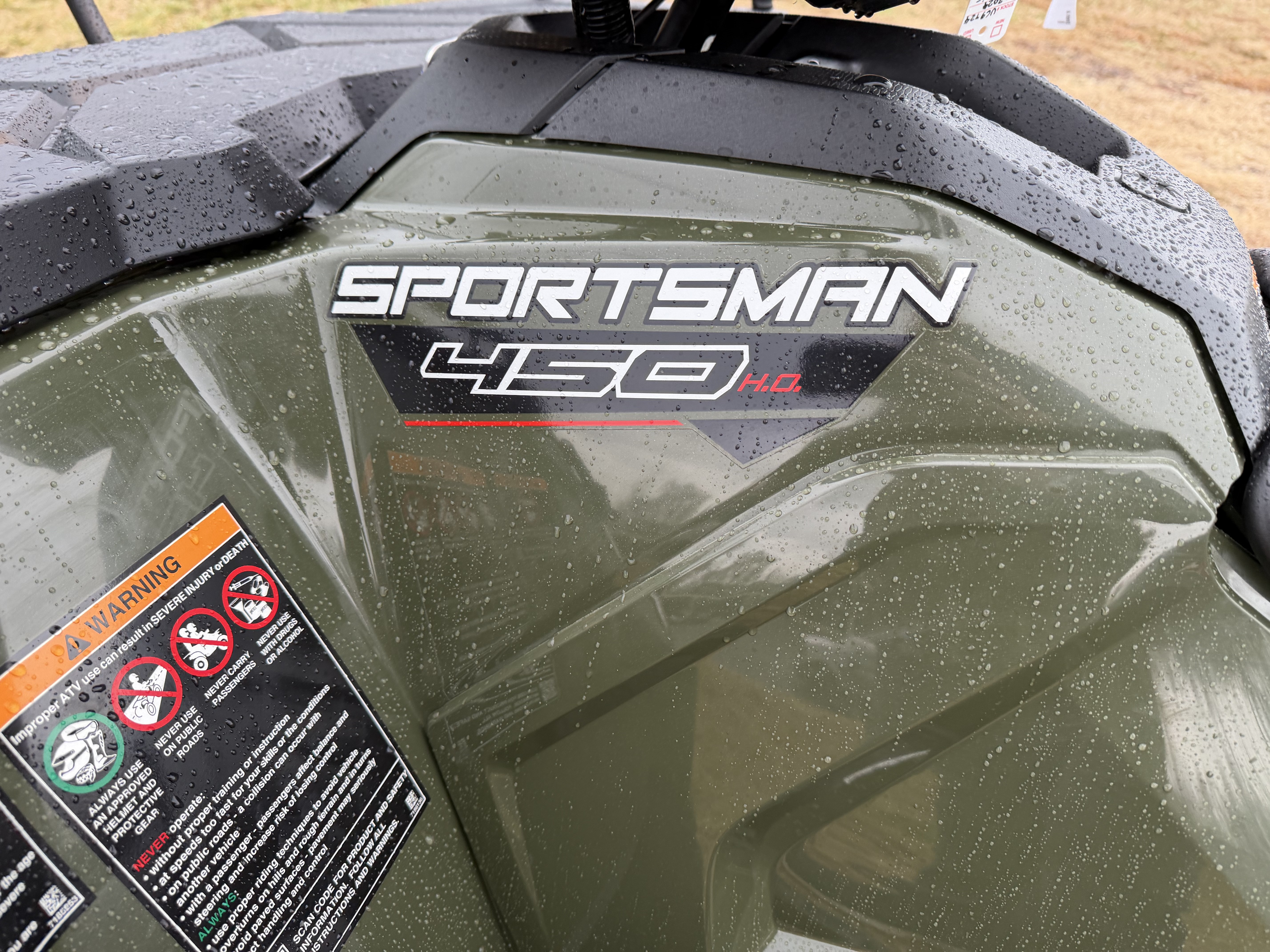
8. 2021 Sportsman 450 H.o./570
The 2021 refresh brought software bugs and unexpected recalls related to brakes and throttle. Some units were recalled for fire risks due to poor wiring.
- Key problem: Faulty ECU programming and poorly routed wires.
- Common symptoms: Unresponsive throttle, random warning lights, and in rare cases, smoke or burning smells.
- Repair cost: Most issues covered under recall, but some owners faced out-of-pocket expenses for unrelated damage.
Comparison Of Problematic Years
To help you see the differences at a glance, here’s a summary of the most common issues by year:
| Model Year | Main Problem | Estimated Repair Cost | Symptoms |
|---|---|---|---|
| 2005 | Electrical system | $300–$800 | No start, flickering lights |
| 2006 | EFI, ECU | $600+ | Stalling, check engine light |
| 2011 | Cooling, power steering | $1,200+ | Overheating, steering problems |
| 2014 | Engine reliability | $2,000+ | Oil leaks, engine noise |
| 2015 | Electrical, transmission | $1,500+ | Shutdowns, shifting issues |
| 2017 | Fuel system, ECU | $400–$600+ | Stalling, hard starts |
| 2020 | Throttle, transmission | $250–$800+ | Jerky acceleration |
| 2021 | Software, wiring | Varied | Warning lights, fire risk |
Signs Of A Problematic Sportsman (even In “good” Years)
Not every Sportsman from a “bad” year is a lemon, and not every “good” year is perfect. When you’re shopping for a used Polaris Sportsman, watch for these red flags:
- Hard starting: If the ATV takes several tries to start, especially when warm, it may have electrical or fuel issues.
- Check engine light: A warning light that stays on signals sensor or ECU problems.
- Rough idle or stalling: This can mean trouble with the EFI, fuel pump, or intake system.
- Unusual noises: Knocking, grinding, or whining may point to engine or transmission trouble.
- Leaks: Oil under the ATV often means bad gaskets or seals, especially in 2014–2015 models.
- Stiff or unresponsive steering: Could indicate power steering or front differential problems.
- Jerky shifting: If gears don’t engage smoothly, the transmission may be worn.
If you notice any of these signs, walk away or ask for a professional inspection.
How To Check A Used Polaris Sportsman
Before you buy, take these steps to avoid buying someone else’s headache:
- Ask for service records: A well-maintained Sportsman should have paperwork for oil changes, repairs, and recalls.
- Do a cold start: Problems often show up when the engine is cold.
- Test all electronics: Lights, winch, display, and starter should all work instantly.
- Ride for 10–20 minutes: Let the ATV warm up. Issues like overheating or rough shifting often appear after the machine is hot.
- Check for recalls: Use the VIN on Polaris’s official recall page to see if the ATV has any open recalls.
- Inspect tires and suspension: Uneven wear can mean alignment or frame issues.
- Look for modifications: Aftermarket parts can sometimes hide or cause problems. Ask why they were installed.
If you’re not confident, a $100 inspection by an ATV mechanic can save you thousands.

Credit: www.giacomospizza.com
Years With The Fewest Complaints
While some years are better avoided, others have earned a reputation for reliability. If you’re shopping for a used Sportsman, these years are generally safer bets:
- 2002–2004 Sportsman 500: Simple, proven, and easy to maintain.
- 2007–2009 Sportsman 800: The first EFI models, but with most bugs worked out.
- 2016 Sportsman 570: Improved electronics and engine components.
- 2018–2019 Sportsman 450/570: Upgrades in these years addressed many past problems.
- 2022+ Sportsman models: So far, reports of issues are low, though it’s too early for long-term data.
Comparison: Good Years Vs. Years To Avoid
Here’s a side-by-side look to help you compare:
| Good Years | Problem Years | Major Difference |
|---|---|---|
| 2002–2004 | 2005 | Simple wiring vs. electrical issues |
| 2007–2009 | 2006 | Refined EFI vs. first-generation EFI |
| 2016, 2018–2019 | 2014–2015 | Improved engine vs. oil leaks, engine failure |
| 2022+ | 2021 | Updated software vs. recall problems |
Common Mistakes When Shopping For A Used Sportsman
Many buyers focus only on price or features. Here are some mistakes to avoid if you want a reliable machine:
- Ignoring service history: A cheap Sportsman with no records is a risk, no matter the year.
- Buying the first one you see: Take time to compare several machines.
- Not checking for recalls: Some problems were fixed by Polaris for free.
- Overlooking small symptoms: A minor issue now can become major later, especially in problematic years.
- Assuming all upgrades are good: Some owners install aftermarket parts to mask or patch problems.
Two Key Insights Most Buyers Miss
- Model overlap matters: Polaris often sold older and newer Sportsman models side-by-side. For example, a late-2014 Sportsman might have different parts than an early-2014 one. Always check the VIN and build date—don’t assume all “2014” models are the same.
- Dealer support varies: Not all Polaris dealers handle recalls or service the same way. If you buy a used ATV, contact your local dealer with the VIN before buying to ask about service history and open recalls. This step is often overlooked but can reveal hidden issues.
What Makes A “good” Sportsman Year?
A reliable Sportsman is more than just a model with few complaints. Here’s what sets the best years apart:
- Proven engine designs: The older 500cc and 800cc motors are legendary for lasting thousands of miles.
- Solid electrical systems: Fewer sensors and simple wiring mean fewer things to go wrong.
- Smooth transmission: Well-built CVT transmissions that shift cleanly and rarely break.
- Good parts availability: For popular years, replacement parts are easy to find and affordable.
When It’s Worth Fixing A Problem Sportsman
If you find a Sportsman from a “bad” year at a low price, is it ever worth buying? Sometimes, yes—if you’re handy and can do your own repairs. For example, replacing a wiring harness or fuel pump isn’t impossible for a skilled owner.
But if you’re not comfortable with mechanical work, repairs can quickly cost more than buying a better machine.
Quick tip: Always get a written estimate before buying a fixer-upper. Add 20% to cover unexpected costs.
How Polaris Addressed Past Problems
Polaris responded to many of these issues with recalls, technical service bulletins, and mid-year updates. For example, the fuel pump failure in 2017 led to a new part number for later models. The company also improved materials for gaskets and wiring in recent years.
If you own a Sportsman from a problematic year, check with your dealer. Some repairs may still be covered if the problem was part of an official recall.
Owner Experiences: Stories From The Trail
Real-world stories help explain why certain years stand out. Here are a few examples from Sportsman owners:
- “My 2014 570 started using oil at 1,000 miles. Dealer said it was common for that year. Eventually had to rebuild the engine.”
- “Bought a 2005 used, and spent more time tracing electrical shorts than riding. Would never recommend that year.”
- “My 2011 850 overheated every time I went slow. Ended up replacing the radiator and power steering unit.”
- “I have a 2007 800, still going strong after 8,000 miles. Just regular maintenance and no big issues.”
These stories show the importance of knowing a model’s reputation before buying.
Credit: www.interstatecycle.com
Maintenance Tips To Extend Sportsman Life
No matter which year you choose, proper maintenance is key. Here are some tips to help your Sportsman last:
- Change oil and filters every 50–100 hours: Use high-quality oil and Polaris-approved filters.
- Clean the radiator and air filter: Overheating is common if dirt blocks airflow.
- Grease suspension parts: Lubricate every 25–50 hours, especially if you ride in mud or water.
- Check electrical connections: Tighten and clean battery terminals and connectors.
- Update software: If your Sportsman has electronic controls, ask your dealer about updates.
Regular care can prevent many of the problems seen in the “bad” years.
The Value Of A Pre-purchase Inspection
Many buyers skip inspections to save money. This is risky, especially with models from problematic years. A good ATV mechanic can check for:
- Early signs of engine or transmission wear
- Hidden frame damage
- Electrical system health
- Evidence of flooding or improper repairs
Spending a little upfront can save thousands later.
Should You Buy An Older Sportsman?
Older models (2002–2004, for example) are often more reliable and easier to fix. They have fewer electronics and proven engines. However, finding one in good shape can be a challenge. Look for:
- Low hours and mileage
- Regular maintenance
- No major modifications
Be prepared to replace wear items like tires, brakes, and bushings.
Sportsman Vs. Other Brands In Problem Years
How do problematic Sportsman years compare to similar ATVs from Honda, Yamaha, or Can-Am? Here’s a quick comparison:
| Brand | Common Issues (2005–2015) | General Reliability |
|---|---|---|
| Polaris Sportsman | Electrical, engine, transmission | Mixed; varies by year |
| Honda Foreman/Rancher | Few; occasional transmission issues | Very reliable |
| Yamaha Grizzly | Minor electrical, clutch wear | Reliable |
| Can-Am Outlander | CVT and diff issues, electrical | Mixed; depends on maintenance |
Honda and Yamaha generally have fewer complaints, but they also cost more on the used market. Polaris remains popular because of its features and value—but knowing which years to avoid is key.

Credit: www.bassproboatingcenters.com
Recalls And Service Bulletins: Why They Matter
A recall means Polaris found a safety or reliability issue and offers a free fix. Not all owners get their recalls done, especially if they bought the ATV used. Ask for recall paperwork, and check the VIN on the Polaris recall site. Some common recalls for problematic years include:
- Fuel pump replacements (2017)
- Throttle sensor fixes (2020)
- Brake and wiring recalls (2021)
Recalls are a sign Polaris is trying to fix mistakes—but they also warn you about years with more risk.
Where To Find Reliable Information
Don’t rely only on seller claims or forum posts. Use trusted sources:
- Polaris’s official website and recall page
- ATV owner groups with verified reviews
- Dealer service departments
- Independent ATV mechanics
For a sample of official recall information, see the Consumer Product Safety Commission.
Frequently Asked Questions
What Is The Most Reliable Polaris Sportsman Year?
The 2007–2009 Sportsman 800 and 2016–2019 Sportsman 570 are known for reliability. They have fewer complaints and better parts compared to the years listed above.
Are All 2014 Polaris Sportsman Atvs Bad?
Not every 2014 model is problematic, but the 570 had more engine and oil leak issues than other years. Always check maintenance records and look for signs of repair.
How Can I Check If A Sportsman Has An Open Recall?
Use the VIN on Polaris’s official website or contact a Polaris dealer. They can tell you if the ATV has any open recalls or service bulletins.
Is It Worth Buying A Polaris Sportsman From A “bad” Year?
Only if the price is low and you’re ready for possible repairs. Some owners have good luck, but most buyers are happier with a more reliable year.
What’s Better: An Old Reliable Sportsman Or A Newer Model With Potential Issues?
An older, well-maintained Sportsman is often a safer bet. Newer models might have more features, but repairs can be expensive if they come from problematic years.
Choosing the right Polaris Sportsman is about more than finding a good deal. By understanding which years to avoid—and why—you can spend more time riding and less time in the shop. Remember, research and a careful inspection are your best tools for a smart ATV purchase.