Every rider dreams of the open road, the roar of a big V-twin, and that unmistakable Harley-Davidson style. For many, the Harley Fatboy is the picture of freedom on two wheels. Its wide tires, solid disc wheels, and muscular look have made it a favorite since its 1990 debut. But not every year has been smooth riding. If you’re looking to buy a used Fatboy, or just want to know more about its history, it’s smart to know which years might give you more trouble than joy.
This guide will help you avoid common mistakes, spot the years with more issues, and make a confident choice. We’ll dig into real owner experiences, technical data, and expert insights. You’ll find tables with side-by-side comparisons and answers to the most common questions. Whether you’re a seasoned rider or just starting your Harley journey, this article will give you everything you need to know about Harley Fatboy years to avoid.
What Makes The Harley Fatboy Unique?
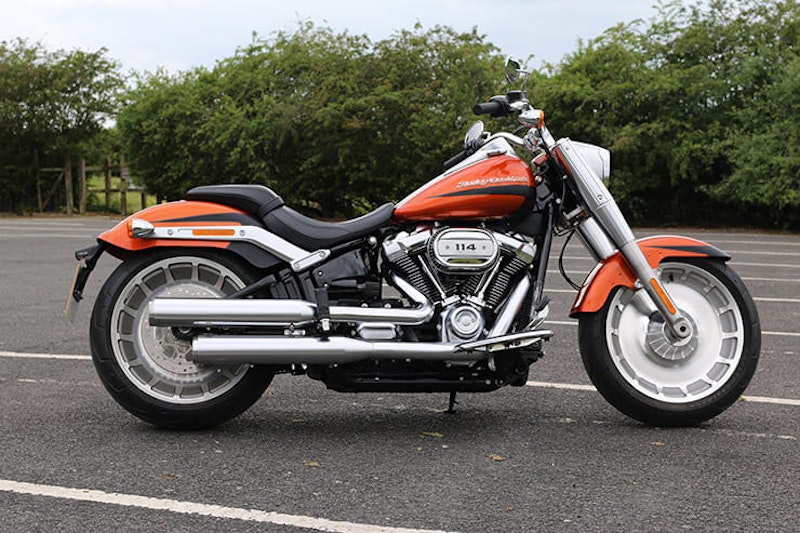
The Harley-Davidson Fatboy is a legend for a reason. It stands out from other Harleys with its bold, aggressive design—thick front forks, wide rear tire, and solid wheels. The Fatboy is part of Harley’s Softail lineup, meaning it hides its rear suspension for a classic hardtail look but rides much smoother.
What really draws people to the Fatboy is its mix of comfort, power, and style. It’s easy to customize, sounds fantastic, and turns heads wherever it goes. Over the years, Harley has updated the Fatboy’s engine, frame, and features, but the spirit has stayed the same.
However, not every Fatboy has been perfect. Some years brought changes that led to problems with reliability, comfort, or maintenance costs. Understanding these differences is key to making a smart buy.
How Harley Fatboy Models Have Changed Over Time
When looking at Harley Fatboy years to avoid, it helps to know the major changes in its design. Harley has made updates big and small, and some have led to more problems than others.
Key Fatboy Generations
- 1990–1999: The original Fatboy, powered by the Evolution engine. Simple, classic, but with some age-related issues now.
- 2000–2006: The Twin Cam 88 engine arrives, boosting power but also introducing some new mechanical concerns.
- 2007–2017: The Twin Cam 96 and 103 engines bring more power and modern features, but some years show new reliability problems.
- 2018–present: The Fatboy moves to the Softail Milwaukee-Eight platform, with big changes to the chassis and engine.
Each generation has its own strengths and weaknesses. Some years stand out for all the wrong reasons.
Harley Fatboy Years To Avoid: The Most Troubled Models
After gathering data from owner forums, expert mechanics, and reliability reports, several Fatboy years stand out as models to avoid if you want fewer headaches.
1. 1999 Fatboy
The 1999 Fatboy is often flagged because it was the last year of the Evolution engine before Harley switched to the Twin Cam. Many bikes from this year show problems related to:
- Cam bearing failures: The original cam bearings could fail early, leading to expensive engine repairs.
- Electrical issues: Older wiring and weak charging systems can cause starting problems.
- Parts availability: Some replacement parts for the 1999 model are getting harder to find.
2. 2000–2001 Fatboy
Harley launched the Twin Cam 88 in 2000. While it improved performance, these first years came with teething problems.
- Cam chain tensioner wear: The early design used spring-loaded tensioners that wore out quickly, risking engine damage if not fixed in time.
- Oil leaks: Gaskets and seals sometimes failed, making these years messier than most.
- Stator failures: Some owners report charging system failures around 20,000–30,000 miles.
3. 2006 Fatboy
The 2006 Fatboy marks the end of the Twin Cam 88 era and the introduction of new transmission components.
- Transmission issues: This year saw problems with transmission bearings and shifting smoothness.
- Crankshaft runout: Some engines developed excessive crankshaft movement, leading to vibration and possible engine failure.
- Hard-to-source parts: Some 2006-only components are costly and rare.
4. 2007–2009 Fatboy
Harley switched to the Twin Cam 96 engine in 2007. While it boosted power, it also introduced new issues.
- Fuel system recalls: Some 2007–2008 bikes were recalled for faulty fuel pump modules that could cause stalling.
- Transmission “clunk”: Riders often complain about rough shifting and loud noises, especially in 2007 and 2008.
- Excessive heat: The EPA regulations led to leaner running engines, making these bikes run hot and uncomfortable in slow traffic.
5. 2014–2016 Fatboy
These late Twin Cam years brought modern features but also some technology headaches.
- Rushmore electronics: The new electronics package caused problems with sensors, infotainment, and lighting.
- Hydraulic cam chain tensioners: While an improvement, some failed early, leading to engine noise or damage.
- Paint and chrome quality: Several owners noted peeling paint and rusting chrome, especially in humid climates.
Harley Fatboy Years With Notable Problems: Summary Table
This quick comparison shows the most commonly reported issues for each year you should watch out for.
| Model Year | Main Engine | Common Problems | Estimated Repair Cost |
|---|---|---|---|
| 1999 | Evolution | Cam bearing failure, electrical gremlins | $1,200 – $3,000 |
| 2000–2001 | Twin Cam 88 | Cam chain tensioners, oil leaks | $800 – $2,500 |
| 2006 | Twin Cam 88 | Transmission, crankshaft runout | $1,500 – $3,500 |
| 2007–2009 | Twin Cam 96 | Fuel system, heat issues, transmission clunk | $500 – $2,000 |
| 2014–2016 | Twin Cam 103 | Electronics, cam tensioners, finish quality | $400 – $1,800 |
Years That Are Safer Bets
Not every Fatboy is a risky buy. Several years are known for better reliability and fewer major problems.
- 2003–2005: These late Twin Cam 88 models had most early bugs worked out and simple electronics.
- 2010–2013: These years saw improvements to the engine and transmission, with fewer recalls.
- 2018–present: The new Milwaukee-Eight-powered Fatboys offer more power and better cooling, though as with any new design, the earliest years may have minor teething issues.
Common Mechanical Problems In Fatboy Models
Even if you avoid the worst years, it’s smart to know the typical issues that can show up on any used Fatboy. This can help you check bikes before buying and plan for maintenance.
Cam Chain Tensioner Failure
The most famous problem on Twin Cam Fatboys (2000–2006) is the cam chain tensioner. The original spring-loaded design wears out by 25,000–35,000 miles—sometimes sooner. If not changed, the chain can come loose, causing major engine damage.
Tip: If buying a 2000–2006 Fatboy, ask for proof the cam tensioners have been upgraded to the hydraulic type.
Charging System Issues
Several years, especially older models, can develop charging problems—often due to failing stators, voltage regulators, or battery cables. Symptoms include a weak battery, flickering lights, or trouble starting.
Transmission And Clutch Problems
Some Fatboys, especially from 2006–2009, have issues with the transmission (rough shifting, “clunk” noises) and clutch (heavy pull, poor engagement). Regular maintenance helps, but certain model years are more likely to need repairs.
Engine Heat
Fatboys from 2007–2016 often run hotter due to leaner EPA settings. This can make them uncomfortable in traffic and may shorten engine life if not managed with upgrades like heat shields or tuning.
Paint And Finish
Some late-model Fatboys suffer from paint chipping and chrome peeling, especially if stored outside or ridden in wet climates.
How To Spot A Problem Fatboy Before You Buy
Buying a used Harley Fatboy can be a great deal—or a big regret. Here’s how to avoid the most common pitfalls, especially for the years listed above.
1. Ask About Engine Upgrades
For 2000–2006 models, ask if the cam chain tensioners have been replaced. If not, factor this repair into your budget.
2. Listen For Unusual Noises
Start the bike and listen for tapping, knocking, or “clunking” when shifting gears. These can signal deeper engine or transmission issues.
3. Check The Charging System
Test the lights, horn, and starter. A healthy Fatboy should start easily, even after sitting for a few days.
4. Inspect The Paint And Chrome
Look for peeling, rust, or bubbles—especially on late Twin Cam models. These may hint at poor care or factory defects.
5. Review Service Records
A well-maintained Fatboy should have records for regular oil changes, tensioner service, and recall work. Gaps in service history are a red flag.
6. Run A Vin Check
Use the bike’s VIN to check for open recalls or accident history. This is especially important for 2007–2008 models with fuel system recalls.
Practical Buying Tips For Used Fatboys
If you’re set on a Fatboy, these steps will help you choose wisely and avoid the most common rookie mistakes.
1. Set A Realistic Budget
Remember, the cheapest Fatboy isn’t always the best deal. A bike that needs immediate repairs (like cam chain tensioners) can quickly cost more than a newer, well-kept model.
2. Test Ride Before You Buy
A test ride can reveal problems you can’t see in pictures. Pay attention to engine response, clutch feel, shifting smoothness, and any warning lights.
3. Get A Pre-purchase Inspection
If you’re not a Harley expert, pay a trusted mechanic to inspect the bike before you buy. They can spot hidden issues and give you a realistic repair estimate.
4. Factor In Ownership Costs
Harleys hold their value, but they’re not cheap to maintain. Budget for:
- Regular oil changes and filter replacements
- Tire changes (the Fatboy’s wide tires cost more)
- Occasional repairs or upgrades
5. Negotiate Based On Condition
If you find issues (like worn tensioners or weak charging systems), use these as leverage to lower the price—or walk away if repairs will be too expensive.
Credit: www.ebay.com
How The Fatboy Compares To Other Harley Models
Wondering if the Fatboy is the right Harley for you? Here’s a side-by-side look at how it compares to two popular siblings: the Softail Standard and the Heritage Softail.
| Feature | Fatboy | Softail Standard | Heritage Softail |
|---|---|---|---|
| Engine (typical) | Twin Cam/Milwaukee-Eight | Twin Cam/Milwaukee-Eight | Twin Cam/Milwaukee-Eight |
| Wheels | Solid disc | Spoke/cast | Spoke/cast |
| Style | Muscle/cruiser | Classic/custom | Vintage/touring |
| Windshield | None (stock) | None (stock) | Yes (stock) |
| Best for | Urban, short trips | Customizing | Touring, comfort |
Insight: The Fatboy is heavier and more muscular than the Softail Standard, but less suited for long touring than the Heritage. If you want comfort and style, the Fatboy is a great choice—just avoid the trouble years.
Why Certain Fatboy Years Had More Problems
It’s not just bad luck—some years really are riskier. Here’s why:
Engineering Transitions
Whenever Harley changed engines or designs (like moving from Evolution to Twin Cam, or introducing the Milwaukee-Eight), the first years of the new model often had “teething issues”. This is common in the motorcycle world.
New Technology
Years with major new tech—like the Rushmore electronics package (2014) or ABS brakes—sometimes saw more recalls and failures. If you prefer simplicity, stick to years with fewer gadgets.
Factory Recalls And Fixes
Some years were hit with factory recalls, like the 2007–2008 fuel pump issue. Smart owners get these fixed for free, but not every used bike will have had recall work done.
Real-world Owner Experiences
Reading reviews and owner stories is one of the best ways to spot patterns. Here are a few examples:
- John, 2001 Fatboy owner: “I loved the look and sound, but the cam chain tensioners failed at 20,000 miles. I paid $1,200 for repairs. Wish I’d known about that before buying.”
- Maria, 2008 Fatboy owner: “Beautiful bike, but the transmission clunk was annoying. Dealer replaced a few parts under warranty, but it was never perfect.”
- Rick, 2015 Fatboy owner: “No major engine problems, but the infotainment system glitched a lot and the paint started bubbling after two years.”
These stories show that even well-loved Fatboys can have expensive or frustrating issues, depending on the year.
What To Do If You Already Own A “bad Year” Fatboy
Don’t panic if you have a Fatboy from one of the years above. Many bikes run well with the right care. Here’s what you can do to boost reliability:
- Upgrade cam tensioners if you have a 2000–2006 model (hydraulic kits are widely available).
- Check for recalls and get them fixed for free at your dealer.
- Regular maintenance is key—oil changes, charging system checks, and cleaning.
- Consider aftermarket parts if you’re having repeat problems with electronics or finish.
How To Research Fatboy Reliability Yourself
Want to dig deeper? Here’s how to do smart research on any used Fatboy:
- Visit owner forums like HDForums.com and HarleyTechTalk.com.
- Search the National Highway Traffic Safety Administration (NHTSA) database for recalls.
- Check the official Harley-Davidson website for service bulletins.
- Read reviews on trusted sites like Cycle World and Motorcycle.com.
- Talk to local Harley mechanics—they know the real-world problems better than anyone.
Is The Fatboy A Good Investment?
Harleys are famous for holding value, but not all models are equal. Fatboys from the best years (like 2003 or 2018) can actually appreciate if well cared for. But a bike from a bad year, with poor service history, will be harder to sell and may require costly repairs.
Tip: If you plan to keep the bike long-term, focus on condition over year. If you want to flip it or resell soon, avoid the problem years.

Credit: www.youtube.com
Fatboy Ownership: What Beginners Often Miss
Many first-time buyers get caught up in looks and price, missing two key points:
- Upgrades matter more than mileage. A 2001 Fatboy with new cam tensioners is safer than a low-mile one with original parts.
- Fatboys are heavy. At 700+ lbs, they can be tough to handle for smaller or new riders—test one before you buy.
Fatboy Model Year Quick Reference Table
Here’s a quick look at the most reliable and most problematic Fatboy years:
| Model Year | Engine | Reliability | Notes |
|---|---|---|---|
| 1990–1998 | Evolution | Good (age-related issues) | Simple, but older wiring/parts |
| 1999 | Evolution | Poor | Cam bearing, electrical |
| 2000–2001 | Twin Cam 88 | Below average | Cam tensioner, leaks |
| 2002–2005 | Twin Cam 88 | Good | Improved components |
| 2006 | Twin Cam 88 | Poor | Transmission, crankshaft |
| 2007–2009 | Twin Cam 96 | Below average | Fuel pump, heat, shifting |
| 2010–2013 | Twin Cam 103 | Good | Refined design |
| 2014–2016 | Twin Cam 103 | Below average | Electronics, finish |
| 2018–present | Milwaukee-Eight | Good | New chassis/engine |
Credit: www.bennetts.co.uk
Are Fatboys Expensive To Maintain?
The Fatboy’s cost of ownership is about average for a big Harley. Expect to pay $300–$700 per year for basic maintenance if you do the work yourself, or $600–$1,200 at a dealer. Major repairs (like cam tensioner upgrades) can run $1,000–$2,500.
Insight: Parts for older Evolution models may be harder to find, while late-model electronics are more expensive to fix. Always factor maintenance into your budget.
Final Thoughts
The Harley Fatboy is a dream bike for many—and for good reason. Its looks, sound, and comfort make it a classic. But picking the wrong year can turn that dream into a headache. If you avoid the 1999, 2000–2001, 2006, 2007–2009, and 2014–2016 models, you’ll dodge most common problems.
Always check for upgrades, listen for warning signs, and get a pro inspection before buying. With the right approach, you’ll find a Fatboy that brings years of smiles on the open road.
If you want to learn more about Harley-Davidson’s history and model changes, a good starting point is the official Harley-Davidson Softail Wikipedia page.
Frequently Asked Questions
Which Harley Fatboy Years Are The Most Reliable?
Fatboys from 2003–2005, 2010–2013, and 2018–present are widely seen as the most reliable. These years benefit from improved engines, fewer recalls, and better electronics.
Are The Early 2000s Fatboys A Bad Buy?
Early 2000s Fatboys (especially 2000–2001) can be risky if the cam chain tensioners haven’t been upgraded. If they have, these bikes can be reliable with proper care.
What Is The Biggest Problem With Used Fatboys?
The most common big problem is cam chain tensioner failure in 2000–2006 Twin Cam models. This can lead to major engine repairs if not fixed in time.
Is The Fatboy A Good First Harley?
The Fatboy is heavy and powerful, so it may not be ideal for beginners. If you’re confident and comfortable with a big bike, it’s a great choice. Otherwise, consider a lighter Softail model.
How Often Does A Fatboy Need Maintenance?
Regular maintenance (oil changes, checks, etc.) should be done every 3,000–5,000 miles. Budget for yearly service and extra costs if your Fatboy is from a year with known issues.