

Finding the right midsize SUV is a big decision, and the Volkswagen Atlas often appears on many shoppers’ lists. With its spacious cabin, comfortable ride, and German engineering, it’s easy to see why. But not every year of the Atlas offers the same reliability and value. If you want to avoid headaches and costly repairs, knowing which Volkswagen Atlas years to avoid is essential. Let’s break down the years with the most problems, explain why they struggle, and help you make a confident, informed choice.
Why Some Volkswagen Atlas Years Are Problematic
Every car model goes through changes with each model year. Updates in design, technology, and engineering can introduce new issues—or fix old ones. The Volkswagen Atlas first launched in 2018, and like many first-generation vehicles, its early years faced more teething problems. Owners and experts have reported various troubles, from engine and transmission faults to electrical glitches and interior quality complaints.
When a specific year gets a reputation for problems, it’s usually due to:
- Design flaws that take a few years to correct
- Supplier changes that affect parts quality
- Software bugs in new infotainment or safety systems
- Cost-cutting that reduces durability
- Delayed recalls or slow fixes for known issues
What many people don’t realize is that first-year vehicles often get rushed to market. Automakers want to impress buyers and compete with rivals, so they sometimes launch before every bug is fixed. The Atlas was no exception. Some suppliers delivered new parts that hadn’t been tested over many seasons, and minor mistakes in things like wiring or seals caused big headaches for owners.
In addition, Volkswagen’s early software for the Atlas was complicated, and dealers sometimes struggled to fix new problems quickly.
For the Atlas, some years stand out as higher-risk, especially for families who rely on their SUV for daily driving. Let’s get into the details.
Volkswagen Atlas Years To Avoid (and Why)
Not all Atlas years are created equal. Based on owner reports, reliability studies, and repair data, here are the Volkswagen Atlas years to avoid and what makes them risky:
2018 Volkswagen Atlas
The Atlas debuted in 2018, and being the first model year, it brought a lot of attention—and a fair share of issues.
Common Problems:
- Transmission issues: Many owners complained about hard shifting, delayed engagement, and sudden jerks while driving. These issues often appeared before 50,000 miles, leading to expensive repairs. Some drivers even said the transmission would refuse to shift into higher gears, especially in cold weather, making highway driving unpredictable.
- Engine stalling: Sudden engine shutdowns at stoplights or during slow speeds were reported. This is not only frustrating but also dangerous, especially in city traffic. In some cases, owners had to restart the vehicle several times before it would drive normally.
- Electrical glitches: Malfunctions in the infotainment system, Bluetooth connectivity drops, and problems with the rearview camera were common. Many drivers reported the screen freezing or restarting on its own during use, even when driving.
- Water leaks: Poorly sealed sunroofs and doors led to water entering the cabin, causing mold, odors, and damaged electronics. Water sometimes pooled under the carpet, which could take weeks to notice, leading to hidden corrosion.
Why to Avoid: The 2018 Atlas was Volkswagen’s first attempt at a three-row SUV for the US, and it shows. Many problems were due to early design flaws and unresolved bugs. While some issues were fixed under warranty, out-of-warranty repairs can be costly. It’s worth noting that some early owners waited weeks for replacement parts due to supply shortages, adding to their frustration.
2019 Volkswagen Atlas
Volkswagen tried to address problems from 2018 but didn’t eliminate them all in 2019.
Common Problems:
- Transmission and engine issues: Hard shifting and rough idling persisted, though less common than in 2018. Some owners also mentioned the engine hesitating when accelerating from low speeds, which made merging into traffic stressful.
- Electrical failures: Random warning lights, malfunctioning digital displays, and navigation system crashes frustrated owners. In some cases, the navigation would lose GPS signal for extended periods, making long trips more difficult.
- Brake system faults: Some drivers reported squealing brakes and premature brake wear—sometimes under 20,000 miles. A few even needed new rotors and pads much earlier than expected, increasing maintenance costs.
- Interior build quality: Rattles, squeaks, and loose panels were frequent complaints. Many drivers felt the cabin didn’t match Volkswagen’s usual standards, which hurt the feeling of quality.
Why to Avoid: The 2019 model improved on some areas but remained inconsistent. Electrical and brake issues, while not as severe, still affect long-term reliability. For buyers who value a quiet cabin and fuss-free electronics, 2019 can still be a gamble.
2020 Volkswagen Atlas
By 2020, Volkswagen worked to fix earlier issues, but new problems emerged—especially with electronics.
Common Problems:
- Faulty driver-assist features: Adaptive cruise control, lane-keep assist, and emergency braking systems were reported to fail or behave unpredictably. For example, the emergency braking might activate suddenly for no reason, startling the driver.
- Infotainment system bugs: Freezing screens, lost radio presets, and backup camera blackouts were common. These issues could happen randomly—even just after starting the vehicle.
- Paint and trim defects: Chipping paint and loose exterior trim occurred, especially in colder climates. Owners in northern states saw more peeling paint near wheel wells and the hood.
- Minor engine hesitations: While less severe, some owners felt lag when accelerating from stops. This could make city driving feel less smooth than expected.
Why to Avoid: If you rely on advanced safety tech, the 2020 Atlas may not deliver consistent performance. Although major mechanical issues declined, electronic glitches still caused headaches for many owners. Some drivers noted that even after dealer visits, the same electrical issues would return, showing that some problems were hard to solve permanently.
Are Later Atlas Years Better?
As the Atlas matured, Volkswagen addressed many of the initial issues. Models from 2021 and newer generally receive higher marks for reliability, though no vehicle is perfect.
What Improved:
- Fewer reports of major transmission or engine trouble. Many owners now drive 60,000 miles or more without serious drivetrain problems.
- Better infotainment stability. Software updates allowed faster connections and fewer freezes.
- Upgraded interior materials and fit-and-finish. Rattles and cheap trim are now much less common, especially in higher trims.
- More responsive customer service and recalls. Volkswagen started acting faster to fix known issues and support owners at dealerships.
What Still Needs Attention:
- Some owners still mention minor electrical bugs. For example, the occasional warning light or Bluetooth drop can happen, but these are less disruptive.
- Occasional complaints about driver-assist features. These are rare, but a few owners still report false alarms or system errors.
- Routine maintenance costs remain above average. Oil changes, brake work, and scheduled service are a bit pricier than rivals.
Let’s compare the problem frequency for each model year:
| Model Year | Major Issues (per 100 vehicles) | Common Problem Areas |
|---|---|---|
| 2018 | 45 | Transmission, Engine, Electrical |
| 2019 | 38 | Electrical, Brakes, Interior |
| 2020 | 32 | Electronics, Paint, Trim |
| 2021 | 22 | Minor Electrical, Driver-Assist |
| 2022+ | 17 | Minor Electrical |
As you can see, problem rates dropped after 2020. While newer Atlas models aren’t flawless, they are less likely to experience the major headaches of earlier years. Another encouraging sign: newer models see fewer repeat repairs, meaning once a problem is fixed, it stays fixed.
The Most Reliable Volkswagen Atlas Years
If you want peace of mind, focus on 2021 and newer Atlas models. These years benefit from:
- Improved parts and build quality, which means fewer interior rattles and less wear over time.
- Fewer recalls. Most big issues had already been addressed by the time these years came out.
- Updated software for safety and infotainment. These updates don’t just fix bugs—they also add new features and compatibility with smartphones.
- Better owner satisfaction ratings. Surveys show more buyers would recommend these newer models to friends or family.
2022 and 2023 models, in particular, have shown the fewest complaints. These models are often available as certified pre-owned (CPO) with extended warranties, adding extra confidence. Another benefit: CPO Atlases often include a detailed inspection and roadside assistance, making them a safer used option.
Here’s a quick look at reliability trends over the years:
| Year | Reliability Rating (out of 5) | Owner Satisfaction (out of 5) |
|---|---|---|
| 2018 | 2.0 | 2.5 |
| 2019 | 2.3 | 2.8 |
| 2020 | 2.7 | 3.1 |
| 2021 | 3.4 | 3.7 |
| 2022 | 4.1 | 4.3 |
What Causes Atlas Reliability Problems?
To really understand why some Atlas years struggle, let’s break down the main sources of trouble:
1. Transmission Design
The Atlas uses an 8-speed automatic transmission. In early models, the software controlling gear shifts was not well-tuned. Hard shifting, jerks, and sudden downshifts were common. Later updates improved the calibration, but if you buy an early model, make sure it has all the latest software updates. In addition, skipping transmission fluid changes or using the wrong fluid can make these issues worse—something owners often don’t realize until problems start.
2. Engine Stalling
Some 2018 and 2019 Atlas models suffered from engine stalling due to faulty fuel pumps and ignition coils. Volkswagen issued technical service bulletins, but if repairs were missed, the risk remains. Ignition coil failures often show up first as a rough idle or hard starts, so don’t ignore these warning signs.
3. Electrical System Complexity
Modern vehicles rely on dozens of electronic modules. The Atlas’s early infotainment and driver-assist systems were especially buggy. Software updates fix many problems, but hardware failures (like bad sensors or cameras) can still be costly. A surprising detail: even a weak battery can cause confusing warning lights in the Atlas, so check the battery’s health before blaming the electronics.
4. Build Quality And Materials
First-generation Atlas models used lower-grade interior materials in some trims. This led to fast wear, rattles, and even premature trim failures. Later models improved both the look and feel. Owners of higher trims noticed less wear on seats and door panels, but base models were more likely to show scuffs and scratches.
5. Weather Sealing
Water leaks happened due to poor door and sunroof seals. This caused mold and electrical damage, especially in wet climates. Volkswagen redesigned seals in later years for better protection. If you live in an area with heavy rain or snow, check seals closely before buying.
Insight: Many buyers overlook service history. Always check if the Atlas you’re considering has full dealer records, especially for recalls and software updates. Another hidden factor: some problems only show up after several years, so a newer used Atlas with low miles isn’t always safer if it missed important updates.
How Do Atlas Problems Compare To Other Suvs?
The Atlas competes with popular midsize SUVs like the Honda Pilot, Toyota Highlander, and Ford Explorer. How does its reliability stack up?
| Model (2020) | Reliability Rating (out of 5) | Common Issues |
|---|---|---|
| Volkswagen Atlas | 2.7 | Electronics, Transmission |
| Honda Pilot | 3.9 | Transmission, Infotainment |
| Toyota Highlander | 4.4 | Minor Electronics |
| Ford Explorer | 2.9 | Transmission, Electrical |
While the Atlas has improved, Toyota Highlander and Honda Pilot remain more reliable. The Ford Explorer faces similar issues to the Atlas, especially in earlier model years. One thing to keep in mind: the Atlas generally offers more passenger space in the third row than the Highlander or Pilot, but you have to balance that against possible repair costs.
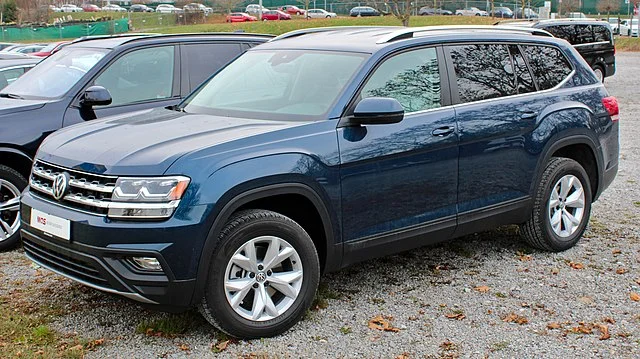
Credit: www.copilotsearch.com
How To Spot A Problem Atlas When Shopping Used
Even in a risky model year, not every Atlas will have trouble. Some are maintained well and have had all updates. Before you buy, take these steps:
- Get a full service history. Look for dealer records showing recall and software updates, especially for early years. Gaps in records can mean important repairs were skipped.
- Check for water damage. Inspect carpets, headliners, and the trunk for moisture, stains, or musty odors. Peel back the carpet in the cargo area if possible.
- Test all electronics. Try the infotainment system, rearview camera, all windows, and driver-assist features. Don’t forget to test every USB port and charging outlet.
- Drive at different speeds. Pay attention to any strange shifting, jerks, or hesitation, especially from a stop. Listen for noises during slow parking lot turns, which can reveal steering or suspension problems.
- Listen for rattles. Drive over rough roads to check for interior noises. Rattles from the dashboard or doors can mean loose trim or previous water damage.
- Use a pre-purchase inspection. Have a trusted mechanic check for hidden problems, especially transmission and electrical faults. Ask the mechanic to check for any error codes, even if the “check engine” light is off.
Tip: If you’re buying a 2018–2020 Atlas, ask the seller to provide proof that all recalls and technical service bulletins have been completed. Don’t just take their word for it—ask for paperwork.
Are Recalls A Big Deal For The Atlas?
Recalls are common with modern cars, but it’s how a brand handles them that matters. Volkswagen has issued several recalls for the Atlas, especially for:
- Electrical system faults
- Brake system errors
- Airbag sensor glitches
- Fuel pump failures
Most recalls are fixed for free at dealerships. However, if a previous owner ignored recall letters, the problem may still exist. Always check the VIN at the official NHTSA recall lookup to see if your chosen Atlas has open recalls.
Useful insight: Not all recalls are equally urgent. Safety-related recalls (like airbags and brakes) should be fixed right away, while some software recalls can wait a short time if needed. Still, it’s best to get them all done before you buy or soon after.
Can You Trust A Used Volkswagen Atlas?
For the right year, yes—but you need to shop smart. The Atlas offers a lot of space, safety features, and comfort for the price. If you choose a 2021 or newer model, you’re likely to enjoy a more reliable experience. For earlier years, factor in the risk of repairs and maintenance.
Non-obvious insight: Many Atlas owners report better experiences when they stick to VW dealer service and use genuine parts. Aftermarket parts and non-specialist shops sometimes fail to fix complex electronics and transmission issues. Another tip: newer software updates sometimes only work if the car has the original radio or navigation unit, so avoid vehicles with aftermarket stereos.
What To Do If You Already Own A High-risk Atlas Year
If you already own a 2018–2020 Atlas, it’s not all bad news. Here’s how to reduce the risk of trouble:
- Stay up to date on recalls and service bulletins. Don’t skip dealer updates. Even a small software fix can prevent bigger problems.
- Follow the maintenance schedule. Use the recommended oil, transmission fluid, and brake parts. Cutting corners on fluids can make existing issues worse.
- Fix small problems early. Delaying repairs can lead to bigger (and more expensive) failures. For example, a small water leak can lead to major electrical repairs if ignored.
- Consider an extended warranty. This can protect you from surprise costs, especially for electronics and transmission repairs. Shop around for plans that cover high-tech parts.
- Keep detailed records. If you decide to sell, well-kept service records boost buyer confidence and value. Buyers are much more likely to choose an Atlas with a complete history.
Extra tip: If you notice a new sound, warning light, or leak, don’t wait for your next scheduled service—get it checked as soon as possible.
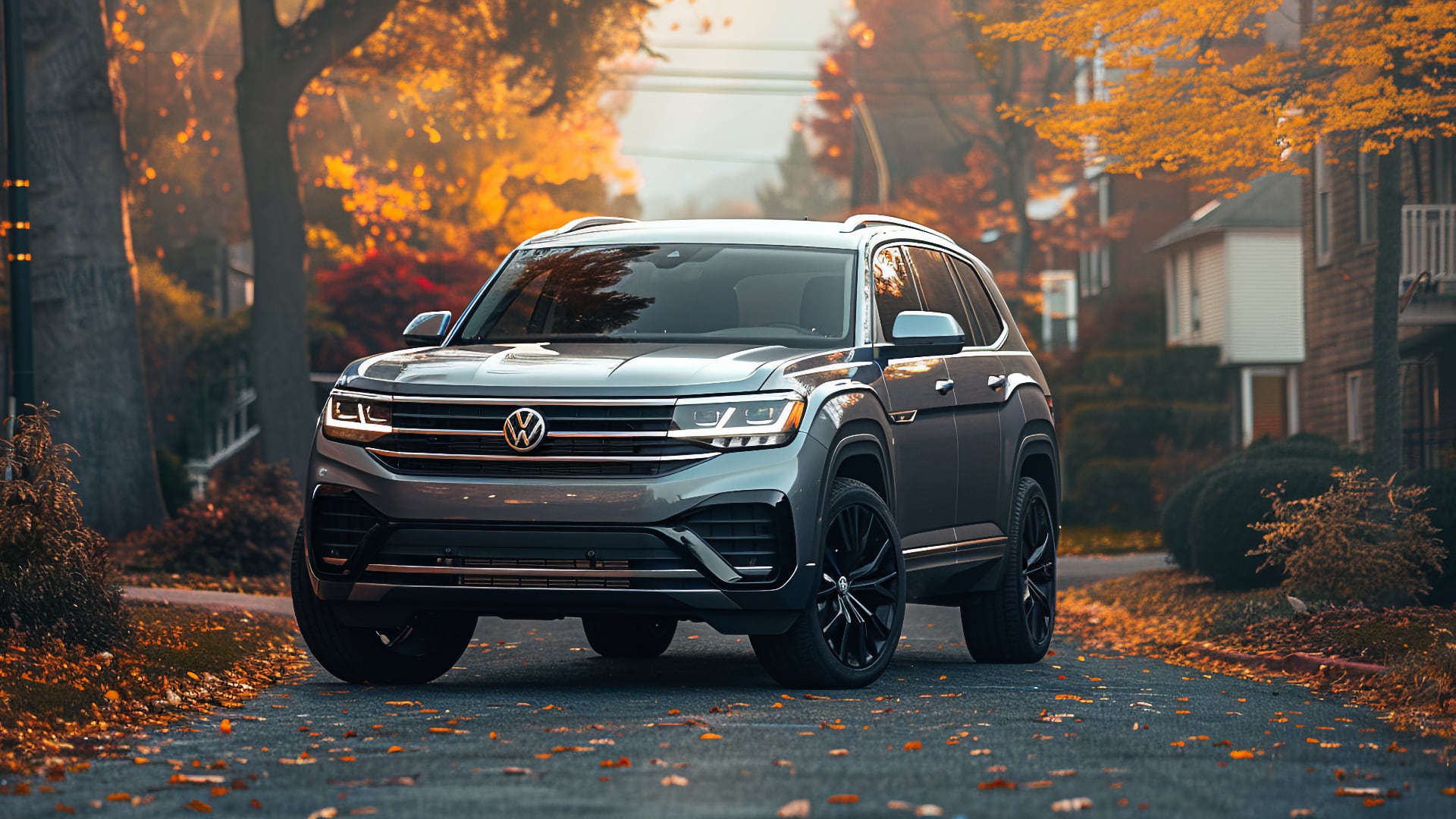
Credit: rerev.com
The True Cost Of Atlas Ownership
The Atlas is not the cheapest SUV to maintain, especially in its earlier years. According to repair data, average annual maintenance can range from $700 to $1,200 for out-of-warranty vehicles. Major repairs—like a transmission or infotainment system replacement—can run several thousand dollars.
Unexpected cost: Water leaks and electrical problems often require multiple repair visits to diagnose and fix. This can lead to extra labor charges, even if the parts are covered under warranty.
Another thing to consider: The Atlas tends to need new tires and brakes a bit sooner than some rivals, due to its weight and size. Budget for these normal wear items when comparing it to other SUVs.
Insight: Insurance rates for the Atlas can be slightly higher than average, mainly because repair costs are higher for German-brand vehicles. Check insurance quotes before buying so you’re not surprised.
How To Make The Best Atlas Choice
If you love the size, comfort, and German design of the Atlas, you can still find a great one. Here’s a quick decision guide:
- Choose 2021 or newer for best reliability.
- If buying 2018–2020, check for full dealer service history and all recall updates.
- Avoid high-mileage models from the first two years, unless heavily discounted and fully documented.
- Consider a certified pre-owned (CPO) Atlas, which comes with a warranty and thorough inspection.
- Compare with other midsize SUVs if reliability is your top concern.
It’s also smart to test-drive several Atlas models from different years to see which feels best to you. Sometimes, a well-cared-for older Atlas will feel better than a neglected newer one.
For more information on Atlas recalls, check the NHTSA official recall database.

Credit: www.youtube.com
Frequently Asked Questions
What Is The Worst Year For The Volkswagen Atlas?
The 2018 Volkswagen Atlas is widely considered the worst year. It suffered from major transmission and engine problems, electrical faults, and water leaks. Owner complaints and repair costs were highest for this debut model year.
Are Newer Volkswagen Atlas Models Reliable?
Yes, 2021 and newer Atlas models show much better reliability. Most major issues were addressed, and owner satisfaction improved. Minor electrical problems can still occur, but they are less common and easier to fix.
How Expensive Is It To Maintain A Volkswagen Atlas?
Maintenance costs for the Atlas average $700–$1,200 per year when out of warranty. Early model years or high-mileage vehicles can be more expensive, especially if they need transmission or electronic repairs.
What Should I Check Before Buying A Used Volkswagen Atlas?
Always review the service history, check for completed recalls, test all electronics, and get a pre-purchase inspection. Focus on models with full dealer maintenance records and up-to-date software.
Is The Atlas A Good Family Suv Compared To Others?
The Atlas is very spacious and offers many safety features, but Toyota Highlander and Honda Pilot are more reliable overall. If you want a roomy, comfortable ride and choose a reliable model year, the Atlas can be a good value.
Choosing the right Volkswagen Atlas year can mean the difference between years of worry-free driving and costly, frustrating repairs. By focusing on the most reliable years and watching for the warning signs above, you’ll be ready to make a smart, confident decision for you and your family.