The GMC Terrain is a compact SUV that attracts drivers with its comfortable ride, modern features, and classic American style. But, not every model year delivers the same experience. If you’re considering a used GMC Terrain, knowing which years to avoid can save you money, time, and frustration. Some years bring frequent mechanical problems, expensive repairs, or persistent complaints from owners. This guide gives you a clear, practical look at the worst years for the GMC Terrain, why they struggle, and what you should look for instead.
Many buyers only check mileage, price, and color. However, understanding model-year weaknesses is just as important. Problems like engine failures or transmission issues can turn a bargain into a burden. As a friendly mentor, I’ll walk you through real-world data, expert opinions, and owner experiences. By the end, you’ll know which GMC Terrain years to avoid and how to spot a reliable one.
Why Do Some Gmc Terrain Years Have More Problems?
Car models often change a lot from year to year. GMC updates the Terrain’s design, engines, and technology, but not all changes go smoothly. Common reasons for problematic years include:
- First-year redesigns: New engines or transmissions can have bugs.
- Cost-cutting: Cheap parts may wear out faster.
- Delayed recalls: Some issues take years to fix officially.
Manufacturers learn from mistakes, but buyers of certain years often pay the price. Now, let’s look at which GMC Terrain years are best left alone.
Gmc Terrain Years To Avoid (and Why)
Not every GMC Terrain is equal. Some years come up again and again in owner complaints and expert reviews. Based on data from owner reports, NHTSA complaints, and major automotive publications, the years with the most red flags are:
- 2010 GMC Terrain
- 2011 GMC Terrain
- 2012 GMC Terrain
- 2013 GMC Terrain
- 2014 GMC Terrain
- 2015 GMC Terrain
- 2018 GMC Terrain
Let’s examine these years in detail.
2010 Gmc Terrain
The 2010 model was the Terrain’s debut year. Many owners liked the new style and features, but problems appeared fast.
Common issues:
- Excessive oil consumption: The 2.4L four-cylinder engine often burns oil quickly, sometimes more than a quart every 1,000 miles.
- Timing chain failure: This can lead to complete engine breakdown.
- Electrical glitches: Problems with infotainment and dash lights.
Why avoid it?
Repairs like engine replacement or timing chain fixes can easily cost thousands. Many owners reported problems before 100,000 miles.
2011 Gmc Terrain
The 2011 Terrain carried over most features from 2010, and so did the problems.
Common issues:
- Persistent oil burning: Not fixed from the previous year.
- Engine stalling: Sometimes caused by faulty camshaft actuators.
- Transmission slips: Some drivers noticed rough shifts or delayed acceleration.
Why avoid it?
High repair costs and the chance of repeated breakdowns make this year risky, especially for buyers who need a dependable daily driver.
2012 Gmc Terrain
GMC tried to address earlier complaints, but new issues showed up.
Common issues:
- Check engine light: Often linked to engine misfires or sensor failures.
- Excessive oil use: Still present in the 2.4L engine.
- Windshield wiper failure: Sudden loss of visibility in rain.
Why avoid it?
Persistent engine and electrical issues mean high maintenance and possible safety risks.
2013 Gmc Terrain
This year saw a slight improvement, but not enough to recommend.
Common issues:
- Same engine problems: Oil consumption and timing chain trouble continue.
- AC system failure: Repairs can be costly and inconvenient.
- Electrical system glitches: Affecting door locks, windows, and dashboard.
Why avoid it?
Ongoing engine trouble makes long-term ownership risky.
2014 Gmc Terrain
Although some fixes were made, 2014 models still have a bad reputation.
Common issues:
- Oil consumption: Still not fully resolved.
- Transmission problems: Hard shifting or jerking.
- Infotainment failures: Touchscreen freezing or going blank.
Why avoid it?
Lingering problems and expensive repairs are too common.
2015 Gmc Terrain
After years of criticism, GMC started to improve, but 2015 still had problems.
Common issues:
- Oil leaks and burning: Less common, but still reported.
- Engine stalling: Sometimes at highway speeds.
- Airbag sensor failure: Safety risk if not fixed.
Why avoid it?
Better than earlier models, but engine reliability is still a concern.
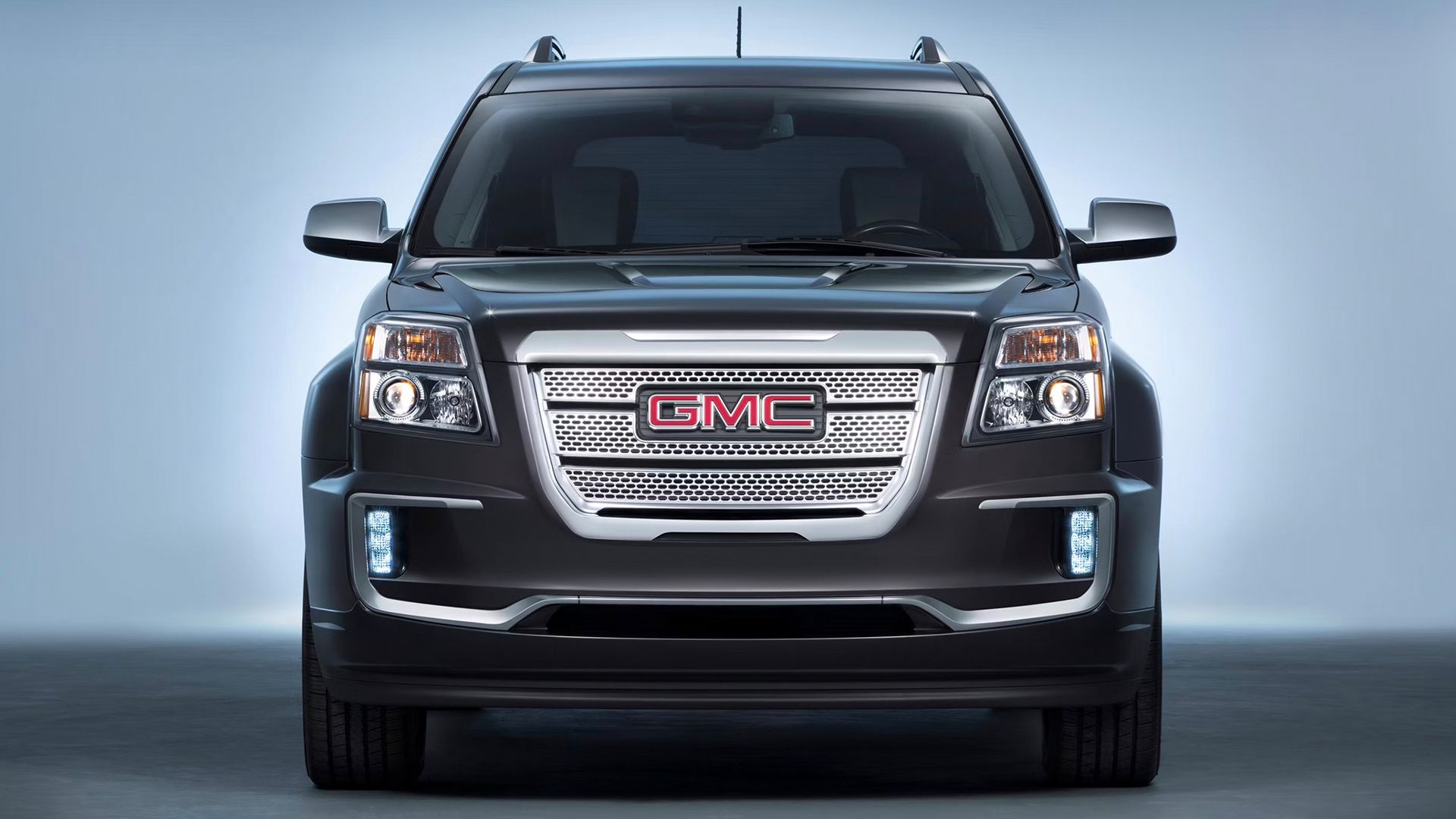
2018 Gmc Terrain
The 2018 model brought a full redesign, with new engines and tech. Sadly, first-year bugs returned.
Common issues:
- Transmission jerking: Especially in low gears.
- Turbo engine issues: Reports of loss of power or check engine lights.
- Infotainment glitches: Bluetooth and backup camera failures.
Why avoid it?
First-year redesigns often have untested problems, and 2018 was no exception.
Credit: carbuzz.com
Data Comparison: Gmc Terrain Problem Years Vs. Reliable Years
Numbers help make the picture clear. Here’s a comparison of owner-reported problems in the worst years versus more reliable ones:
| Model Year | Engine/Transmission Issues (per 100 vehicles) | Electrical/Infotainment Issues | NHTSA Complaints |
|---|---|---|---|
| 2011 | 36 | 18 | 560 |
| 2013 | 28 | 15 | 400 |
| 2016 | 12 | 8 | 112 |
| 2019 | 7 | 5 | 77 |
Notice how newer, non-redesign years show far fewer complaints. This pattern holds for most compact SUVs.
The Most Common Problems In Bad Gmc Terrain Years
When you’re searching for a used GMC Terrain, here are the most frequent and expensive issues to watch for in the years to avoid.
Excessive Oil Consumption
One of the biggest weaknesses of the early 2010–2015 GMC Terrain models is excessive oil use. Owners often notice the oil level dropping well before the next oil change. The main cause is piston ring design flaws in the 2.4L engine. Running low on oil can quickly destroy the engine.
What to check:
If buying a used Terrain from this range, ask for oil change records and check for oil stains or blue smoke from the exhaust. Some owners report adding a quart every 1,000 miles or less.
Timing Chain And Engine Failures
The timing chain is critical. If it stretches or breaks, the engine may stop suddenly or suffer internal damage. Many 2010–2013 Terrains with the 2.4L engine experienced this, sometimes before 80,000 miles.
What to check:
Listen for rattling noises from the engine, especially at startup. Ask the seller if the timing chain has ever been replaced.
Transmission Problems
Some years, especially 2011 and 2018, struggle with transmission slips and jerks. Rough shifting, hesitation, or delayed acceleration are warning signs.
What to check:
Test drive the SUV. Pay attention to gear changes. If you notice any surges, lags, or shudders, that’s a red flag.
Electrical And Infotainment Glitches
Touchscreens that freeze, backup cameras that fail, and random warning lights are common in 2012–2015 and 2018 Terrains.
What to check:
Test all electronics during your inspection. Turn the vehicle on and off several times to see if problems appear.
Air Conditioning And Heating Failures
Broken AC in summer or a faulty heater in winter is more than just inconvenient. 2013–2015 models had a higher rate of HVAC problems.
What to check:
Test the air conditioning and heat in all settings. Listen for unusual noises from the vents.
Why Do These Problems Happen?
It’s easy to blame poor design, but there are usually deeper reasons. Let’s break down the common causes behind these issues.
Engine Design Flaws
The 2. 4L Ecotec engine, used in many early Terrains, was designed for efficiency but not long-term durability. Piston rings let oil slip into the combustion chamber, causing fast oil loss and buildup of carbon deposits. Once this happens, wear accelerates and engines often need costly repairs.
First-year Redesign Problems
The 2018 Terrain marked a shift to new turbocharged engines and a modern platform. But, like many first-year redesigns, software bugs and mechanical teething issues were common. Manufacturers usually fix these in later years, but early buyers pay the price.
Quality Control And Parts Sourcing
During cost-cutting years, some suppliers provided parts that didn’t last as long. For example, electrical connectors might corrode or fail, leading to persistent infotainment and sensor problems.
How To Spot A Problem Gmc Terrain Before You Buy
Buying used always carries risk, but smart shoppers can avoid most disasters. Here’s what to do if you’re considering a GMC Terrain from a questionable year.
- Ask for maintenance records. Frequent oil changes and repairs can show how well the vehicle was cared for.
- Get a pre-purchase inspection. A trusted mechanic can spot hidden engine or transmission issues.
- Check for recalls. Some problems were fixed by GM under warranty, but not all owners took their car in.
- Test drive for at least 20 minutes. Longer drives can reveal problems that short ones hide.
- Look for warning lights. Any check engine or airbag lights can signal expensive repairs ahead.
Non-obvious tip:
Even if the car seems fine, ask the owner how often they add oil between changes. If it’s more than a quart every 1,000 miles, that’s a sign of underlying problems.
Gmc Terrain Years Worth Considering
Not every GMC Terrain is a headache. There are years with strong reliability and satisfied owners. If you want to avoid the worst, consider these model years:
- 2016 GMC Terrain
- 2017 GMC Terrain
- 2019–2021 GMC Terrain
What Makes These Years Better?
These years benefit from:
- Refined engines and transmissions: Problems from earlier years were fixed.
- Better electronics: Fewer complaints about infotainment or sensors.
- Improved build quality: Fewer rattles and squeaks.
Real-world insight:
2016 and 2017 models are often praised for their smooth ride and strong safety ratings. The 2019–2021 redesigns kept the turbo engines but worked out most bugs from 2018.
Gmc Terrain: A Year-by-year Overview
For shoppers who want a quick reference, here’s a summary of each model year’s reputation.
| Model Year | Pros | Cons | Overall Reliability |
|---|---|---|---|
| 2010 | Modern design, comfort | Engine, oil, electronics | Poor |
| 2011 | Spacious interior | Oil, timing chain, transmission | Poor |
| 2012 | Good safety | Engine, AC, electrical | Poor |
| 2013 | Quiet ride | Oil, AC, sensors | Below Average |
| 2014 | Features improved | Transmission, infotainment | Below Average |
| 2015 | More refined | Engine, airbag sensor | Average |
| 2016 | Reliable, safe | Minor issues | Good |
| 2017 | Smooth ride, value | Few complaints | Very Good |
| 2018 | Redesign, tech | Transmission, engine bugs | Below Average |
| 2019–2021 | Reliable, efficient | Rare infotainment issues | Excellent |
Cost To Repair Common Gmc Terrain Problems
Before you buy, it helps to know what you might pay if things go wrong. Here are average repair costs for major Terrain issues:
| Problem | Estimated Repair Cost | Model Years Most Affected |
|---|---|---|
| Timing Chain Replacement | $1,200 – $2,000 | 2010–2013 |
| Engine Replacement | $4,000 – $6,000 | 2010–2012 |
| Transmission Repair | $1,800 – $3,500 | 2011, 2018 |
| Infotainment System Fix | $400 – $1,200 | 2012–2015, 2018 |
| AC/Heater Repair | $600 – $1,500 | 2013–2015 |
Practical tip:
If you’re set on a Terrain from a risky year, try to find one with proof of recent repairs. A replaced engine or transmission may mean fewer surprises.
Owner Stories: Real Experiences With Bad Years
Case 1: 2011 GMC Terrain
Sarah bought her 2011 Terrain for a good price, but within a year, the check engine light came on. The mechanic found low oil and a stretched timing chain. Repairs cost over $1,500, and the engine started stalling again six months later.
Case 2: 2018 GMC Terrain
John loved the new look of the 2018 Terrain. But after a few months, the transmission began jerking and the infotainment system would freeze. The dealer updated the software, but the issues returned. He traded it in after a year.
These stories are common among the worst years. Many owners face repeated repairs, lost time, and extra costs.
Credit: rerev.com
What If You Already Own A “bad” Gmc Terrain Year?
Not everyone can sell their car right away. If you own one of the years to avoid, here’s how to reduce problems:
- Check oil often: Top up as needed and never let the engine run low.
- Follow recall notices: Even older vehicles sometimes get new recalls.
- Do regular maintenance: Stick to the schedule for oil, transmission, and coolant.
- Fix small problems early: Don’t ignore warning lights or odd noises.
- Find a good mechanic: Someone familiar with GMCs can help spot issues faster.
Non-obvious tip:
Some owners reduce oil burning by switching to high-mileage or synthetic oil. It doesn’t fix the root problem, but it can help slow it down.
Alternatives To The Gmc Terrain Years To Avoid
If you’re open to other options, many compact SUVs offer similar space and comfort with better reliability. Some to consider:
- Honda CR-V (2012–2016): Excellent engine and resale value.
- Toyota RAV4 (2013–2018): Top safety and reliability scores.
- Mazda CX-5 (2014–2017): Sporty handling and fuel economy.
- Ford Escape (2016–2019): Improved reliability after early issues.
These vehicles have their own quirks, but none suffer the widespread engine and transmission trouble of the worst Terrain years.
Where To Find More Information
Always check multiple sources before you buy. Owner forums, the NHTSA database, and trusted review sites can reveal hidden patterns. For more technical details on GMC Terrain recalls and complaints, visit the official NHTSA website.
Frequently Asked Questions
What Is The Worst Year For The Gmc Terrain?
The 2011 GMC Terrain is often considered the worst year due to frequent engine failures, high oil consumption, and expensive timing chain problems. Many owners reported issues before reaching 100,000 miles.
Are Newer Gmc Terrain Models More Reliable?
Yes, 2019 and newer models have far fewer complaints. GMC fixed most engine and transmission problems, and the infotainment system is more stable. These years are a safer bet for used buyers.
Can Excessive Oil Consumption Be Fixed?
Not always. Some fixes, like replacing piston rings or engine rebuilds, are expensive and not always successful. Many owners simply add oil regularly, but this is a temporary solution.
Is The 2016 Gmc Terrain A Good Buy?
The 2016 Terrain is one of the most reliable years. It benefits from years of improvements and has fewer engine and electrical problems. Many experts and owners recommend this year.
What Should I Check Before Buying A Used Gmc Terrain?
Always get a pre-purchase inspection, check maintenance records, and test drive for at least 20 minutes. Listen for odd noises, check all electronics, and ask about oil usage between changes.
Buying a used car is a big decision. With the right information, you can avoid the costly mistakes that come with the wrong GMC Terrain year. Take your time, ask questions, and you’ll drive away with confidence.

Credit: www.copilotsearch.com