For many SUV enthusiasts, the Land Rover Discovery stands out as a symbol of adventure and luxury. Its blend of off-road strength and upscale comfort has attracted drivers for decades. But not every Discovery model has enjoyed a flawless reputation. In fact, some years are best left on the lot. If you’re thinking about buying a used Land Rover Discovery, knowing which years to avoid can save you a lot of money and frustration down the road.
This guide dives deep into the Discovery’s history, identifying the problematic model years, the issues they face, and the smarter choices available. You’ll also find helpful data tables, practical tips, and answers to the most common questions buyers ask. Whether you’re a first-time Land Rover shopper or a longtime fan, this article gives you the clear, straightforward information you need—without the confusing jargon.
Understanding Land Rover Discovery Generations
To make sense of which years to avoid, it’s important to know how the Discovery has changed over time. Each generation brought new designs and technology, but also unique challenges.
| Generation | Years Produced | Main Features |
|---|---|---|
| Discovery I | 1989–1998 | Boxy design, V8 and diesel engines, basic tech |
| Discovery II | 1998–2004 | Improved ride, more electronics, air suspension |
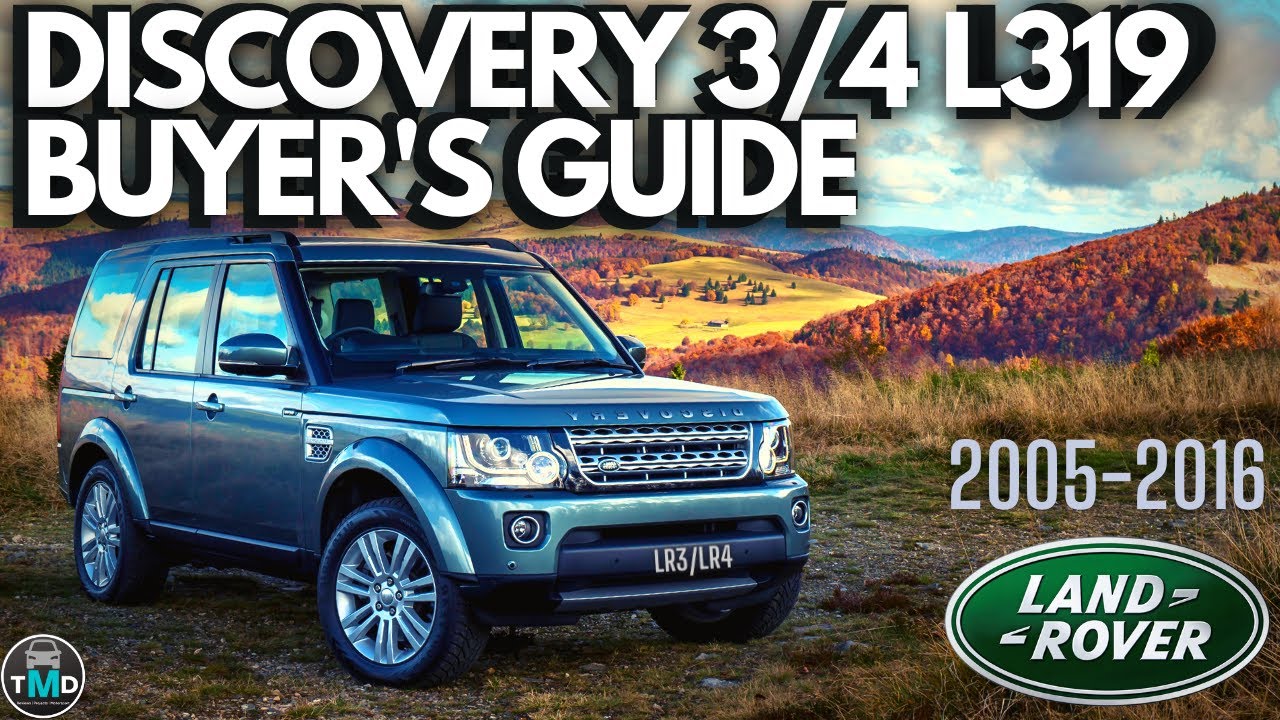
| Discovery 3/LR3 | 2004–2009 | New chassis, independent suspension, V8 & diesel |
| Discovery 4/LR4 | 2009–2016 | Refined styling, advanced tech, upgraded engines |
| Discovery 5 | 2017–present | Modern styling, new platform, turbocharged engines |
Different generations have their own weak points. Some issues are small annoyances, while others can mean expensive repairs. Let’s dig deeper into the years you should approach with caution.
Land Rover Discovery Years To Avoid
After years of owner reports, mechanic reviews, and reliability studies, several Discovery model years stand out as ones to avoid. This isn’t just internet gossip—these years have a track record of serious problems that can make ownership stressful and costly.
Discovery Ii (1999–2004): The Most Troublesome Years
The Discovery II generation, built from 1999 to 2004, is infamous for reliability issues. While it introduced new comfort features, it also brought a host of expensive problems.
Common Issues
- Head Gasket Failures: The V8 engine was especially prone to overheating and head gasket problems. Repairing this can cost thousands of dollars.
- Leaking Sunroofs: Many owners experienced water leaks, leading to mold and electrical faults.
- Three Amigos Warning Lights: ABS, traction, and hill descent lights often activate together due to sensor failures or bad shuttle valves.
- Rust: The Discovery II’s chassis is vulnerable to rust, especially around the rear frame and air suspension mounts.
- Air Suspension Problems: The air suspension system fails more often than on rivals, causing sagging and expensive repairs.
Model Years To Avoid
- 1999 Discovery II: First year of the new generation. Known for build quality issues and high frequency of recalls.
- 2000–2002 Discovery II: The majority of head gasket and electrical issues are reported in these years.
- 2003–2004 Discovery II: Some improvements, but air suspension and rust problems persist.
Discovery 3/lr3 (2005–2009): New Tech, New Problems
The Discovery 3 (called LR3 in North America) was a leap in technology. Unfortunately, it also brought new headaches.
Common Issues
- Air Suspension Failures: The advanced air system is prone to leaks and compressor failures.
- Electronic Gremlins: Central locking, instrument cluster, and navigation systems frequently malfunction.
- Timing Chain Tensioner Issues: If ignored, this can result in major engine damage.
- Parking Brake Module Faults: The electronic parking brake can seize up, sometimes needing total replacement.
Model Years To Avoid
- 2005 Discovery 3/LR3: As the first year, it suffered from teething problems, especially with electronics.
- 2006–2007 Discovery 3/LR3: Suspension and electronics issues were still common.
Discovery 4/lr4 (2010–2013): Reliability Still In Question
The Discovery 4 (LR4) improved on earlier models, but several years still had problems.
Common Issues
- Timing Chain Wear: Especially with the 5.0L V8, timing chain guides can fail prematurely.
- Air Suspension Compressors: Failures continue to be reported, sometimes as early as 60,000 miles.
- Leaky Coolant Systems: Water pumps and coolant hoses can fail, leading to overheating.
Model Years To Avoid
- 2010–2012 Discovery 4/LR4: Timing chain and air suspension issues are most common here.
- 2013 Discovery 4/LR4: Some improvement, but still not trouble-free.
Discovery 5 (2017–2018): Early Generation Woes
The latest generation, Discovery 5, is generally more reliable, but early years had growing pains.
Common Issues
- Infotainment System Glitches: Freezing, lag, and Bluetooth failures are common.
- Diesel Engine Issues: Early diesel models had problems with the DEF (diesel exhaust fluid) system.
- Transmission Hesitation: Some owners report rough or delayed shifting.
Model Years To Avoid
- 2017 Discovery 5: First-year bugs, especially with electronics and diesels.
- 2018 Discovery 5: Slightly improved, but infotainment issues remained.

Credit: www.copilotsearch.com
Why Certain Years Are So Problematic
Not all Land Rover Discos are unreliable. So why are these specific years so often criticized? A few factors stand out.
Rushed Technology
Land Rover often introduced new tech before it was fully tested. The Discovery II’s air suspension and the Discovery 3/LR3’s electronics were cutting-edge, but they weren’t always robust. Owners ended up paying for the brand’s learning curve.
Cost-cutting
Some model years saw cost-cutting in materials and manufacturing. For example, the Discovery II’s frame rusts more than the earlier Discovery I, thanks to changes in steel treatment. These shortcuts save money upfront but hurt long-term durability.
First-year Models
The first year after a major redesign is almost always riskier. Most of the worst Discovery years are the earliest of their generation, when real-world problems hadn’t yet been discovered or fixed.
Complex Designs
Land Rover’s focus on luxury and off-road ability means their SUVs are full of complex systems. Air suspension, multiple computers, and advanced drivetrains are impressive, but can be a nightmare when they fail.
Comparing Problem Years Vs. Reliable Years
If you’re shopping for a used Discovery, it’s helpful to compare the bad years with the safer bets.
| Model Year | Common Problems | Reliability Rating | Estimated Repair Costs |
|---|---|---|---|
| 2000 Discovery II | Head gasket, rust, suspension | Low | $2,500/year |
| 2005 LR3 | Electronics, air suspension | Low | $2,200/year |
| 2012 LR4 | Timing chain, compressor | Below Average | $1,800/year |
| 2015 LR4 | Minor electronics | Above Average | $1,200/year |
| 2019 Discovery 5 | Few minor issues | Good | $950/year |
Insight: Many buyers assume the newer the Discovery, the better the reliability. This isn’t always true—some older models (like 2015–2016 LR4) are actually more dependable than early Discovery 5s.
Most Reliable Land Rover Discovery Years
While it’s important to know which years to avoid, it’s just as useful to know which ones are safest. These model years have the fewest owner complaints and the lowest repair costs.
- 2015–2016 Discovery 4/LR4: These final years of the LR4 have refined engines, fewer air suspension failures, and improved electronics.
- 2019–Present Discovery 5: After the initial bugs, newer Discovery 5s have proven much more reliable, especially with the gasoline engine.
- 2004 Discovery II: The last year of the Discovery II had some updates, making it less problematic than earlier models (though still not perfect).
Key Problems Explained: What To Watch Out For
Understanding the problems that plague certain Discovery years helps you make smarter choices and spot issues early.
Air Suspension Failures
Air suspension gives a smoother ride and adjustable ground clearance. But when it fails, repairs are expensive. Signs include a sagging rear end, warning lights, or a harsh ride. If you’re looking at a Discovery with air suspension, check if the compressor or air bags have been replaced.
Head Gasket Failures
A blown head gasket can destroy an engine. Common symptoms are overheating, white smoke from the exhaust, or coolant in the oil. The 4. 0L and 4. 6L V8s are especially vulnerable. Replacement can cost $2,000–$4,000.
Electrical Gremlins
Land Rovers are notorious for random electrical faults—locks that won’t work, dash lights that flicker, or infotainment glitches. Sometimes these are simple sensor issues, but often they require deep diagnostic work.
Rust
Chassis rust is a silent killer, especially in older Discoveries. Check the rear frame, underbody, and air suspension mounts. Surface rust is normal, but deep rust can mean the SUV is unsafe.
Timing Chain Issues
The 5. 0L V8 in LR4 models is powerful, but its timing chain guides wear out early. Left untreated, this can ruin the engine. Listen for rattling noises at startup, and ask if the guides have been replaced.
What Makes A Good Used Discovery: Key Inspection Tips
If you’re considering a used Discovery, a careful inspection is essential. Here’s what to look for:
- Service History: Only consider models with complete maintenance records. Skipped oil changes or missed timing chain service are red flags.
- Air Suspension Test: Start the car and raise/lower the suspension. Listen for strange noises or slow response.
- Check for Leaks: Look under the car for oil, coolant, or transmission fluid leaks.
- Rust Inspection: Pay close attention to the frame and suspension mounts. Use a flashlight and don’t be afraid to poke at any suspicious spots.
- Electronic Systems: Test all windows, locks, and the infotainment system. Even minor glitches can be expensive to fix.
- Professional Inspection: Always have a mechanic familiar with Land Rovers do a pre-purchase inspection. They’ll spot hidden problems.
Non-obvious tip: Many buyers forget to check the sunroof drain tubes. If they’re clogged, water can leak into the cabin and damage electronics.
Repair Costs: What To Expect
Land Rover Discoveries are not cheap to maintain. Even reliable years cost more than Japanese or American rivals. Here’s what typical repairs might cost:
- Head Gasket Replacement: $2,500–$4,000
- Air Suspension Compressor: $1,000–$1,500
- Timing Chain Replacement: $2,000–$3,500
- Electronic Module (e.g., parking brake): $800–$1,200
- Chassis Rust Repair: $1,200–$3,000 (can be higher if severe)
If you can do simple repairs yourself, you’ll save money, but many Discovery problems require specialized knowledge and tools.
Land Rover Discovery Vs. Competitors: Reliability Comparison
Some buyers wonder if Discoveries are especially unreliable, or if all luxury SUVs have issues. Here’s how the Discovery stacks up against rivals.
| Model | Reliability Score (out of 5) | 5-Year Repair Cost | Common Issues |
|---|---|---|---|
| Land Rover Discovery | 2.5 | $8,500 | Air suspension, electronics, engine |
| Toyota Land Cruiser | 4.7 | $4,200 | Minor rust, sensors |
| Jeep Grand Cherokee | 3.1 | $5,700 | Transmission, electronics |
| Volvo XC90 | 3.5 | $6,100 | Suspension, engine oil leaks |
Insight: The Discovery’s repair costs are higher than most competitors. If low maintenance is your top priority, a Toyota Land Cruiser is a safer choice.
How To Avoid Buying A Bad Discovery
You don’t need to be a Land Rover expert to avoid a problematic Discovery. Here’s a proven strategy:
- Stick to Later Years: Choose the last model year of a generation over the first—problems are usually fixed by then.
- Read Owner Forums: Sites like Land Rover Forums and DiscoWeb are full of real-world advice and common problem lists.
- Request a Pre-Purchase Inspection: Ask for a written report, not just a verbal “it looks good.”
- Check for Recalls: Use the VIN to check for open recalls at the official Land Rover website.
- Be Wary of “Great Deals”: If a Discovery is much cheaper than average, there’s often a reason.
Credit: www.youtube.com
Should You Avoid All Land Rover Discoveries?
Despite their reputation, not all Discoveries are disasters. Many owners love their SUVs, especially when they’ve been well-maintained. The key is to know what you’re getting into.
Who Should Avoid Them
- People Who Hate Repairs: If you want a worry-free SUV, the Discovery isn’t for you.
- Budget-Conscious Buyers: High repair costs can surprise even careful owners.
- DIY Shy Owners: Many repairs are complex and expensive at shops.
Who Might Enjoy Them
- Car Enthusiasts: If you enjoy working on cars, a Discovery can be a rewarding project.
- Off-Road Fans: The Discovery’s off-road abilities are legendary.
- Luxury Seekers: Later models offer a unique mix of luxury and adventure.
Non-obvious insight: Even reliable Discoveries can break down in remote areas. Always carry basic tools, spare fluids, and a phone charger if you’re heading off-road.
Finding A Well-maintained Discovery
If you’re set on a Discovery, focus on finding one with:
- Complete service records
- Recent major repairs (timing chain, air suspension)
- No rust or leaks
- Working electronics
Private sellers who can show receipts and answer questions are usually more trustworthy than big dealers who don’t know the car’s history.

Credit: www.copilotsearch.com
Final Thoughts
Choosing the right Land Rover Discovery can mean years of enjoyable driving—or a mountain of repair bills. Avoiding the problematic years is the best way to protect your wallet and your sanity. If you buy a Discovery from the years above, budget extra for repairs and expect more frequent shop visits. If you go with a later LR4 or a post-2019 Discovery 5, you’ll likely have a much smoother experience.
For more in-depth reliability data, you can check the Consumer Reports Land Rover Discovery page.
Frequently Asked Questions
What Is The Worst Year For The Land Rover Discovery?
Many experts and owners agree that the 2000 Discovery II is the worst year due to frequent head gasket failures, rust, and air suspension issues. Early Discovery 3/LR3 models (especially 2005) are also considered risky.
Are Newer Land Rover Discoveries More Reliable?
Recent Discovery 5 models (2019 and newer) are generally more reliable than earlier years. However, the first two years (2017–2018) of the Discovery 5 had several electronic and diesel engine problems. Always look for updated models with fewer complaints.
How Expensive Is It To Maintain A Land Rover Discovery?
Expect to spend $1,200 to $2,500 per year on maintenance and repairs for most Discoveries, with some years and models costing more. Air suspension, electronics, and engine work are the biggest expenses.
Is The Land Rover Discovery A Good Off-road Vehicle?
Yes, even problematic years have excellent off-road ability. Features like Terrain Response, adjustable suspension, and strong 4WD systems make the Discovery a favorite among off-road enthusiasts.
Can I Find A Reliable Used Land Rover Discovery?
It’s possible, especially if you focus on well-maintained 2015–2016 LR4s or 2019–present Discovery 5s. Always get a pre-purchase inspection and prioritize complete service history to increase your chances of trouble-free ownership.
Choosing a used Land Rover Discovery takes patience and careful research. With the right approach, you can enjoy the adventure—without the constant worry of breakdowns.