For many car lovers, the Toyota Celica is more than just a sporty coupe it’s an icon. With its sharp looks, reliable engines, and fun driving style, the Celica has captured hearts since the 1970s. But like any long-running model, not every year is a winner. Some Celica years are famous for their problems, while others are praised for reliability and value. If you’re thinking about buying a used Celica, knowing which years to avoid is just as important as knowing which ones to chase.
This guide will help you make a smart decision. We’ll walk through the Toyota Celica years to avoid, explain the main issues, and point out reliable models. You’ll learn about common problems, repair costs, and what makes some years stand out—for better or worse. Whether you’re a first-time buyer or a Celica fan, you’ll get practical advice that goes beyond the basics.
The Toyota Celica Story: A Quick Overview
The Toyota Celica first appeared in 1970 as a small, sporty coupe. Over seven generations, it changed styles, engines, and features. Toyota sold the Celica in the US until 2005. During its life, the Celica was known for:
- Lightweight design: Made for nimble handling.
- Front and rear-wheel drive: Switched from RWD to FWD in the mid-1980s.
- Affordable sports car: Cheaper than most sports cars, but fun to drive.
- Reliable reputation: Most years were solid, but a few had serious issues.
But not every Celica was perfect. Some model years had weak engines, bad automatic transmissions, or electrical problems. Other years suffered from rust or expensive mechanical failures. These are the years smart buyers watch out for.
Toyota Celica Generations And What Changed
Before we jump into which years to avoid, it’s helpful to understand the main Celica generations. Here’s a quick look at how the model evolved:
| Generation | Years Produced | Main Features |
|---|---|---|
| First (A20/A35) | 1971–1977 | Classic RWD, simple engines |
| Second (A40/A50) | 1978–1981 | Updated looks, improved comfort |
| Third (A60) | 1982–1985 | Sportier, last RWD models |
| Fourth (T160) | 1986–1989 | First FWD, new engines |
| Fifth (T180) | 1990–1993 | Modern design, more power |
| Sixth (T200) | 1994–1999 | Curvy style, GT-Four model |
| Seventh (T230) | 2000–2006 | Sharp lines, high-revving engines |
Each generation has its own strengths and weaknesses. Some are known for classic style, while others offer modern safety and performance. But certain years, even within good generations, can bring costly headaches.
The Most Troublesome Toyota Celica Years
While the Celica is mostly reliable, a few years stand out as ones to skip. Here are the main years you should avoid, along with the reasons why:
1. 1986 Toyota Celica
The 1986 model year was a turning point for the Celica. It marked the move from rear-wheel drive to front-wheel drive. This was a big step, but the first year of any major change can have teething problems.
- Common problems: Electrical issues, weak automatic transmissions, and early rust.
- Why avoid? : Many owners report that the electronics—like power windows and dashboard gauges—stop working. The automatic transmission is known to fail, often before 100,000 miles.
- Repair costs: Fixing electrical systems or replacing the transmission can cost $1,500 or more.
Non-obvious insight: The 1986 Celica also suffers from poor parts availability. Because it was the first of its kind, some unique parts are hard to find, making repairs slow and expensive.
2. 1990–1991 Toyota Celica
The early 1990s brought a stylish redesign, but also a few headaches.
- Common problems: Engine oil leaks, head gasket failures, and cooling system issues.
- Why avoid? : The 2.2L 5S-FE engine is solid, but these years saw more blown head gaskets than usual. Overheating was common, and repairs are not cheap.
- Repair costs: A head gasket job can run $1,200–$1,800.
Non-obvious insight: The convertible models from these years are especially risky. They’re more likely to have water leaks and rust in hidden places due to poor factory sealing.
3. 1994–1995 Toyota Celica
The sixth generation was mostly a success, but the first two years had problems.
- Common problems: Failing air conditioning, peeling paint, and suspension noise.
- Why avoid? : Many buyers complain that the paint fades quickly, especially red and black colors. The A/C compressors often die, and the cost to repair them is high.
- Repair costs: A new A/C compressor can cost $800–$1,200 installed.
Non-obvious insight: The 1994–1995 models were also affected by a recall for faulty seatbelt mounts, which can be a safety risk if not fixed.
4. 2000–2002 Toyota Celica (7th Generation)
The seventh generation is popular for its style and handling. But early models with the 1. 8L 2ZZ-GE engine (in GT-S trims) have serious problems.
- Common problems: Oil burning, engine failure, lift bolt wear, and weak manual transmissions.
- Why avoid? : The 2ZZ-GE engine is high-revving and fun but prone to burning oil. If oil runs low, the engine can seize completely. “Lift bolts” (which control high-RPM power) wear out and cause loss of performance.
- Repair costs: Replacing a failed engine can cost $2,000–$4,000. “Lift bolt” fixes are cheap but easy to miss.
Non-obvious insight: Early 7th-gen Celicas have a design flaw in the oil control rings. If you don’t check oil every 1,000 miles, you risk engine failure—even with low mileage. Many owners only discover this after it’s too late.
5. 2003–2005 Toyota Celica (automatic Transmission)
While manual versions from these years are mostly reliable, the automatic transmissions are not.
- Common problems: Hard shifting, slipping gears, and early failure.
- Why avoid? : Automatics in these years were not well matched to the high-revving engine. Many fail before 100,000 miles.
- Repair costs: A transmission rebuild can cost $1,800–$2,500.
Non-obvious insight: The automatic Celica is much slower than the manual and uses more fuel. Most enthusiasts recommend avoiding automatics entirely.
Toyota Celica Years That Are Safe And Reliable
Not every year is risky. In fact, most Celicas are known for going well beyond 200,000 miles with basic care. Here are some of the safest bets:
- 1982–1985 (Third Generation): Last of the RWD models, simple engines, and less complex electronics.
- 1992–1993 (Fifth Generation): Problems from earlier years were mostly fixed. Engines last a long time.
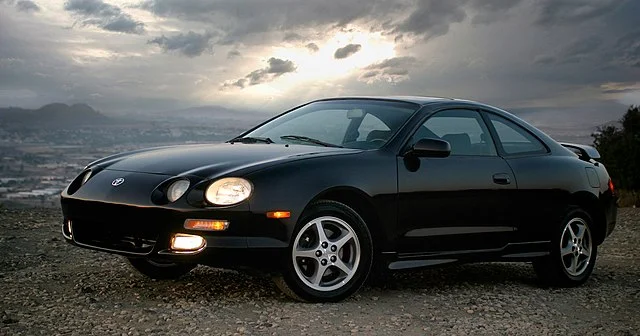
- 1996–1999 (Sixth Generation): Few serious complaints, especially in manual form.
- 2003–2005 (Manual Transmission): Later 7th-gen Celicas had most engine bugs sorted out, but stick with the manual.
Credit: www.copilotsearch.com
Quick Comparison: Good Vs. Bad Celica Years
Here’s a side-by-side look at some of the best and worst years:
| Year/Generation | Known Issues | Reliability Score* | Recommended? |
|---|---|---|---|
| 1986 (4th Gen) | Electrical, Transmission, Rust | 2/5 | No |
| 1990–1991 (5th Gen) | Head Gasket, Cooling, Oil Leaks | 2.5/5 | No |
| 1996–1999 (6th Gen) | Minor Issues | 4/5 | Yes |
| 2000–2002 (7th Gen) | Engine Oil, Lift Bolt, Transmission (Auto) | 2.5/5 | No |
| 2003–2005 (7th Gen, Manual) | Few Issues | 4/5 | Yes |
*Reliability scores based on owner reports and mechanic surveys.
Why Some Toyota Celica Years Are Worse Than Others
Understanding why certain years are more troublesome helps you avoid costly mistakes.
Major Redesigns Bring Risk
When Toyota changed the Celica’s platform—like the switch to front-wheel drive in 1986 or new engines in 2000—the first years after the change often had more problems. These “first-year bugs” might include:
- New engines with weak parts
- Unproven transmissions
- Poor rust-proofing
- Electrical gremlins
Cost-cutting And Supplier Changes
In the 1990s and early 2000s, Toyota, like most carmakers, looked for ways to save money. This sometimes meant lower-quality paint, cheaper plastics, or using outside suppliers for critical parts. Common side effects:
- Peeling paint (especially red and black)
- Brittle interior plastics
- Shorter-lasting suspension parts
Emissions And Regulations
Some years were affected by changing emissions rules. For example, the 1990–1991 Celica had a more complex exhaust and cooling system to meet new standards. This meant more things could go wrong—and more expensive repairs.

Credit: www.amazon.com
Deep Dive: Common Celica Problems (and How To Spot Them)
Even if you avoid the worst years, it’s smart to know what problems show up most often in used Celicas. Here’s a closer look at issues you might face:
Oil Consumption
The 2ZZ-GE engine (2000–2002 GT-S) is known for burning oil. Owners often find the dipstick nearly dry after just 1,000–1,500 miles. If you miss an oil top-up, the engine can seize.
What to check: Pull the dipstick and look for clean, full oil. Ask the owner how often they add oil—if it’s more than every 1,000 miles, walk away.
Head Gasket Failures
Early ‘90s Celicas, especially with the 5S-FE engine, sometimes blow head gaskets. Signs include overheating, white smoke from the exhaust, and milky oil.
What to check: After a test drive, look for steam from the exhaust and check the coolant for oil. If you see either, it’s a bad sign.
Failing Automatic Transmissions
Both early (1986) and late (2000–2005) automatics can fail. They may slip, shift hard, or refuse to go into gear.
What to check: On a test drive, the transmission should shift smoothly at all speeds. Delays or bumps between gears mean trouble.
Peeling Or Fading Paint
Red and black Celicas, especially from the mid-1990s, often have faded or peeling paint. This is mostly cosmetic but hurts resale value.
What to check: Look carefully in bright light. If the car is dull or cloudy, repainting will be expensive.
Rust
Older Celicas (especially before 1990) rust in hidden spots: under the doors, wheel arches, and trunk floor.
What to check: Feel under the wheel wells and door sills. Any crunching or flaking means serious rust.
Air Conditioning Problems
Many 1994–1995 Celicas have weak A/C. The compressor dies or leaks develop in the system.
What to check: Turn on the A/C at idle and highway speed. If it’s not cold or makes noise, repairs may be costly.
Real-world Ownership Costs: What To Expect
Owning a Celica is usually affordable, but picking the wrong year can be expensive. Here’s a look at some average costs for major repairs:
| Repair | Average Cost | Affected Years |
|---|---|---|
| Head Gasket Replacement | $1,200–$1,800 | 1990–1991 |
| Automatic Transmission Rebuild | $1,800–$2,500 | 1986, 2000–2005 |
| Engine Replacement (2ZZ-GE) | $2,000–$4,000 | 2000–2002 |
| A/C Compressor Replacement | $800–$1,200 | 1994–1995 |
| Paint Job (Full Car) | $2,000–$4,000 | 1994–1999 |
Tip: Always budget for unexpected repairs. Even the best Celica may need $500–$1,000 in maintenance when you first buy it.
Smart Shopping: How To Buy A Good Used Celica
If you’re set on owning a Celica, here’s how to avoid lemons:
- Ask for service records. A well-maintained Celica will have oil changes every 3,000–5,000 miles and repairs documented.
- Prefer manual transmission. They are more reliable and fun to drive.
- Check for recalls. Make sure all safety recalls, like the seatbelt mount in 1994–1995, have been fixed.
- Bring a mechanic. A pre-purchase inspection can save you thousands.
- Avoid modified cars. Many Celicas are customized. Stick with stock examples for best reliability.
Extra insight: Many sellers won’t tell you about oil burning or transmission slipping. Always test drive at both city and highway speeds, and let the car idle for 10 minutes to reveal hidden problems.
The Enthusiast’s Perspective: Is The Celica Worth It?
Despite a few bad years, the Toyota Celica is still a favorite for car enthusiasts. It offers:
- Affordable fun: Cheaper than a Honda Prelude or Nissan 240SX, but just as sporty.
- Strong aftermarket: Parts are easy to find for most years, except the 1986 model.
- Great gas mileage: Most Celicas get 25–32 mpg, even older ones.
But you have to be smart. Avoid the risky years and look for signs of good care. If you do, a Celica can deliver years of reliable, enjoyable driving.
What Toyota Owners Say
Online forums and review sites are full of owner stories—good and bad. Here are a few highlights:
- “My 1992 GT has 220,000 miles and still runs like new. Just keep up on oil changes!”
- “The 2000 GT-S was a money pit. Engine burned oil, transmission died at 80k.”
- “I had a 1994 Celica, but the paint faded badly. Mechanically it was great, though.”
Tip: Real-world reviews are a goldmine of info. Check Celica forums or sites like Edmunds for owner experiences before you buy.
When It’s Ok To Buy A “year To Avoid”
Sometimes, you might find a “bad” year Celica in excellent condition, at a great price. Should you buy it? Maybe, but only if:
- The car has full service records showing regular maintenance.
- Major repairs (like head gasket or transmission) are already done, with receipts.
- You get a big discount to cover future repairs.
Caution: Never buy a cheap Celica hoping “it’ll be fine.” Repairs can easily cost more than the car’s value.
Credit: www.ebay.com
What To Do If You Already Own A Risky Celica
If you already have a Celica from a troublesome year, don’t panic. Here’s how to keep it running:
- Check oil often. Especially on 2000–2002 models.
- Fix small problems early. Don’t let minor leaks or noises turn into big bills.
- Use quality parts. Cheap aftermarket parts often fail fast.
- Stay on top of recalls. Visit your Toyota dealer to check for open recalls—they’re free to fix.
Extra tip: Join a Celica owner’s forum. You’ll find guides, repair help, and parts sources that make ownership easier.
Frequently Asked Questions
What Is The Worst Year For The Toyota Celica?
Most experts and owners agree that 2000–2002 (especially GT-S models with the 2ZZ-GE engine) are the riskiest due to oil burning and engine failures. The 1986 model is also notorious for electrical and transmission problems.
Are Toyota Celicas Expensive To Maintain?
Generally, Celicas are affordable to maintain compared to other sports cars. Routine maintenance is cheap, but big repairs—like engine or transmission replacement—can get expensive, especially on “years to avoid.”
Which Toyota Celica Engine Is Most Reliable?
The 5S-FE (found in most 1992–1999 models) is considered the most reliable. It’s simple, strong, and runs well for hundreds of thousands of miles with basic care.
Is A High-mileage Toyota Celica A Bad Idea?
Not always. A well-cared-for Celica with high miles can be a good buy if it has service records and no major issues. But avoid models with known engine or transmission problems, especially if they haven’t been repaired.
Where Can I Find More Information About Toyota Celica Reliability?
For more details, check out the Toyota Celica page on Wikipedia. It offers a full history, technical specs, and links to owner forums.
Final Thoughts
Choosing the right Toyota Celica is all about knowing what to avoid. Steer clear of the problematic years—especially 1986, 1990–1991, 1994–1995, and 2000–2002 GT-S—and look for models with good service history and a solid reputation. Manual transmissions are safer, and later generations (1996–1999, 2003–2005 manual) are your best bet. Always inspect carefully and budget for repairs. With smart shopping, a Celica can be a reliable, fun, and affordable sports car for years to come.