

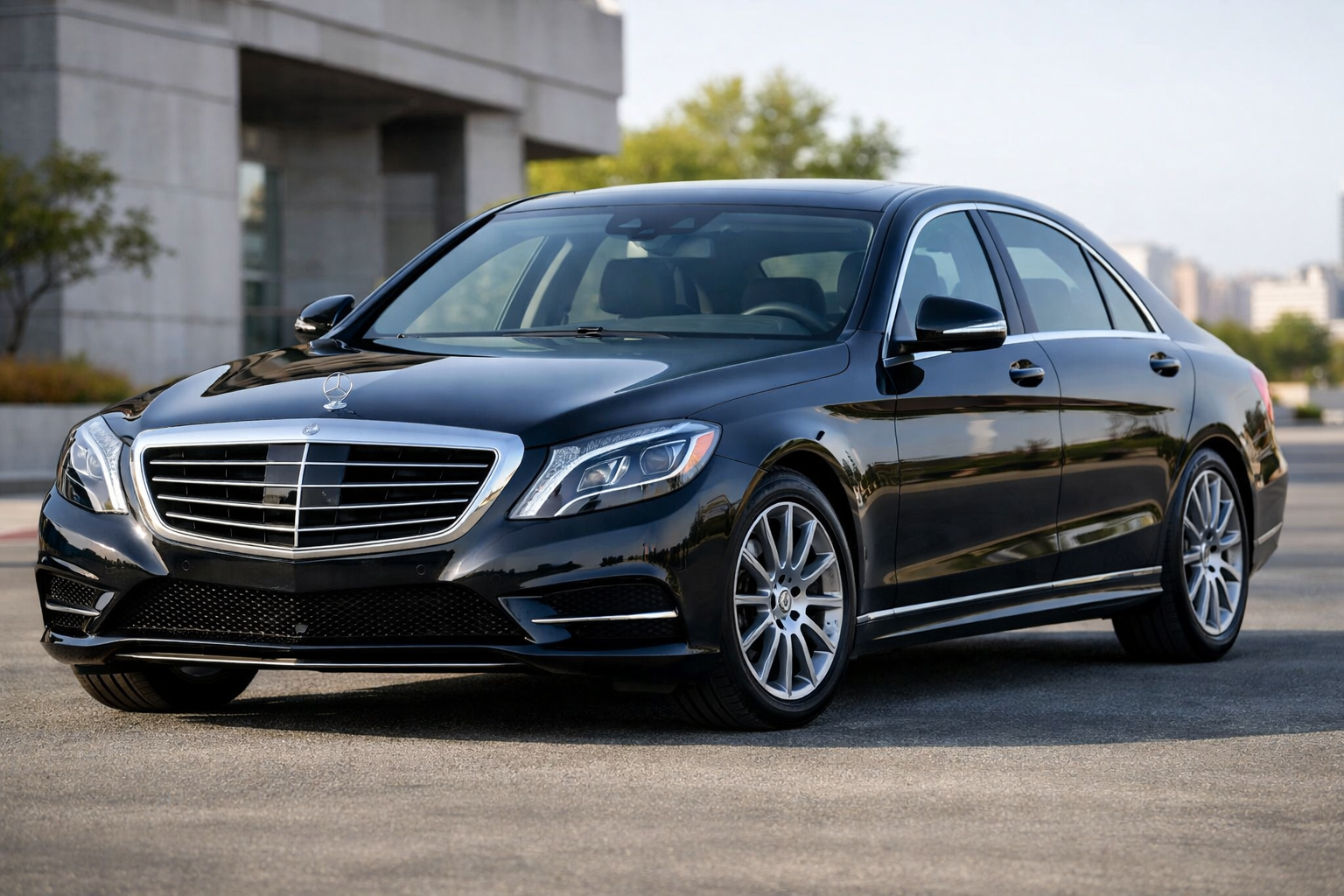
For decades, the Mercedes S-Class has been a symbol of luxury, technology, and comfort. Many car lovers dream of owning one, hoping for a smooth ride and advanced features. But not every S-Class is a perfect buy. Some model years have had serious problems that can lead to expensive repairs, frustration, and disappointment. If you’re thinking of buying a used S-Class, it’s very important to know which years to avoid and why.
This article will guide you through the Mercedes S-Class years to avoid, explain the main issues, and help you make a smart decision. We’ll look at real data, common complaints, and expert advice. By the end, you’ll be much more confident about choosing the right S-Class and steering clear of costly mistakes.
Why Some Mercedes S-class Years Are Risky
The S-Class is known for its innovation, but being first with new technology can sometimes mean unreliable systems. Some years have shown problems with electronics, air suspension, engines, and transmissions. When these go wrong, repairs can cost thousands of dollars.
Another key factor is aging luxury. As S-Class models get older, their complex parts wear out, and fixes are rarely simple. Even regular maintenance is more expensive compared to other cars.
Not all S-Class years are equal. Some have strong reputations for reliability, while others are famous for breakdowns and recalls. Learning about the risky years will help you avoid headaches later.
Mercedes S-class Generations Overview
Before looking at the worst years, it helps to understand how the S-Class has changed over time. Here’s a quick summary of the main generations since the 1990s:
| Generation | Model Years | Main Features |
|---|---|---|
| W140 | 1992–1999 | Tank-like build, early luxury tech |
| W220 | 2000–2006 | Lighter, more electronics, first AIRMATIC air suspension |
| W221 | 2007–2013 | More advanced safety and comfort |
| W222 | 2014–2020 | Luxury focus, semi-autonomous features |
| W223 | 2021–present | Latest tech, digital dashboard |
Problems often appear when Mercedes introduces new tech. The W220, for example, was a big step forward in electronics, but it also brought many costly issues.

Credit: www.copilotsearch.com
Mercedes S-class Years To Avoid: The Most Problematic Models
Let’s look closely at the S-Class years you should avoid. These models have a higher risk of expensive failures, based on owner reports, recall history, and expert opinion.
1. 2000–2006 (w220) S-class
These years are often seen as the most troublesome. Mercedes wanted to impress buyers with new features, but many systems were not reliable.
Common Issues
- AIRMATIC air suspension failure: This system gives a smooth ride, but repairs can reach $2,000–$5,000 per corner. Air struts and compressors wear out, and leaks are common.
- Rust: W220 models are famous for rust, even in mild climates. Wheel arches, doors, and trunks are most affected.
- Electrical problems: Central locking, windows, and instrument clusters often fail. Fixing these issues is expensive because of the complex wiring.
- Transmission faults: The 5G-Tronic automatic transmission sometimes develops shifting problems or complete failures.
Real-world Example
Many owners report having to replace air suspension parts every few years. One owner shared that his 2003 S430 needed new air springs at just 60,000 miles, costing over $3,500.
Why Avoid?
Even though these S-Class models are affordable to buy, maintenance can quickly cost more than the car’s value. Avoid unless you want a project car and have a big repair budget.
2. 2007–2010 (early W221) S-class
The W221 brought a more reliable design, but the first few years still had problems—especially with electronics and engines.
Common Issues
- Engine balance shaft failure: Early V8 engines (S550) used a balance shaft gear that wore out quickly, causing rough running and engine warning lights. Repairing this can cost $4,000–$6,000.
- COMAND system glitches: The main infotainment and navigation system often freezes, loses sound, or fails to boot.
- Air suspension and brake failures: AIRMATIC and Sensotronic Brake Control (SBC) systems can fail, leading to unsafe driving.
Real-world Example
A 2008 S550 owner reported his car wouldn’t shift out of park due to a failed brake system module, costing $2,800 to fix.
Why Avoid?
The early W221 S-Class may look modern and feel luxurious, but the risk of engine and electronics failures makes them poor choices for most buyers.
3. 2014–2015 (early W222) S-class
The W222 generation is generally good, but the first two years had some serious teething problems.
Common Issues
- Electronics glitches: The new digital dashboard, advanced safety systems, and touchpads often develop bugs. Software updates may not always fix the problem.
- Transmission issues: The 7-speed automatic can hesitate or shift harshly, especially in early production models.
- Premature air suspension wear: Despite improvements, some owners still report failures in the AIRMATIC system.
Real-world Example
One 2015 S550 owner had the entire instrument cluster go black while driving, losing all speed and warning info. The dealer needed three visits to fully repair it.
Why Avoid?
If you want the latest tech, wait for a 2016 or newer W222—these have more stable electronics and fewer major complaints.
4. 2012–2013 S400 Hybrid
This model seemed exciting—a luxury hybrid—but it’s widely seen as a headache.
Common Issues
- Hybrid battery failure: The lithium-ion battery pack is expensive to replace and may not last more than 8–10 years.
- Limited parts availability: Because the S400 Hybrid sold in small numbers, finding replacement parts can be difficult and costly.
- Complex electronics: Hybrid-specific electrical systems can develop issues not found in regular S-Class models.
Real-world Example
A 2013 S400 Hybrid owner faced a $7,000 repair bill for a failed battery pack at just 85,000 miles.
Why Avoid?
Used S400 Hybrids are tempting because of low prices, but battery replacement risk and parts shortages make them a bad idea for most buyers.
Comparing The Most Problematic S-class Years
To help you see the differences between the risky years, here’s a side-by-side look at the main issues and average repair costs:
| Model Year | Main Problems | Avg. Repair Cost (per year) | Owner Complaints |
|---|---|---|---|
| 2000–2006 (W220) | Air suspension, rust, electronics, transmission | $2,500–$5,000 | Very high |
| 2007–2010 (W221) | Balance shaft, air suspension, electronics, brakes | $2,000–$4,500 | High |
| 2012–2013 S400 Hybrid | Hybrid battery, electronics, parts | $1,800–$7,000 (battery) | Medium |
| 2014–2015 (W222) | Electronics, transmission, air suspension | $2,000–$4,000 | Medium |
As you can see, some years have consistently high repair costs and complaints. The W220 stands out as the riskiest, while the S400 Hybrid can have sudden, massive costs.
Years You Can Buy With More Confidence
Not every S-Class year is a risk. Some models are much more reliable and offer luxury without constant worry.
Best Choices
- 2009–2013 (Late W221): These models have fewer engine and electronics problems. The S550 and S350 Bluetec (diesel) are good options.
- 2016–2020 (Late W222): Electronics are more stable, and most early bugs are fixed. Both S550 and S560 are popular for their comfort and reliability.
- 2021–present (W223): Too new for long-term data, but early reviews are positive. Still, high repair costs may appear after warranty ends.
Why S-class Repairs Are So Expensive
The S-Class is a showcase for new technology, but that comes with a price. Parts are expensive, and labor costs are high because repairs take skill and time.
Hidden Costs
Many used S-Class buyers forget about costs beyond the purchase price:
- AIRMATIC air suspension: Even a small leak means replacing expensive components.
- COMAND/MBUX electronics: Fixing glitches or replacing screens can cost over $2,000.
- Engine and transmission: If major parts fail, the bill can reach $8,000–$12,000.
- Regular maintenance: Simple services like brakes, oil changes, and tires cost more than on a standard car.
Beginners often miss: Even if the car “seems fine” on a test drive, hidden problems can appear after a few months. Always budget for surprise repairs.
Real Owner Stories: The Pain Of A Bad S-class Year
Hearing from real owners can help you understand the risks.
- W220 Owner in Texas: “I bought a 2002 S500 for $6,500. In two years, I spent $8,000 on air suspension, rust repairs, and electrical issues. I loved the comfort, but it became a money pit.”
- 2010 S550 Owner: “I had to replace the balance shaft gear at 90,000 miles. The repair cost was almost half the car’s value. I wish I’d checked for this issue before buying.”
- 2015 S550 Owner: “The digital dash went blank three times. The dealer finally replaced the whole unit under warranty. I wouldn’t risk an early W222 out of warranty.”
These stories show that even a cheap S-Class can become very expensive if you pick the wrong year.
How To Spot A Bad S-class Year
If you’re shopping for a used S-Class, here are signs you might be looking at a risky model:
- Low price compared to similar cars: If the deal looks “too good,” it often means expensive repairs are coming.
- Missing maintenance records: Without proof of regular service, hidden problems are likely.
- Warning lights on the dashboard: Never ignore these, even if the seller says “it’s just a sensor.”
- Rough ride or odd noises: Air suspension and transmission issues often start small.
- Rust or water leaks: Especially on W220 models.
Always ask for a pre-purchase inspection by a Mercedes specialist. They can spot problems most mechanics miss.
Alternatives To Risky S-class Years
If you love the S-Class but want fewer headaches, consider these options:
- Buy a CPO (Certified Pre-Owned) S-Class: These come with a Mercedes warranty, which covers major repairs.
- Choose a simpler model: S350 or S430 without air suspension or advanced electronics are less risky.
- Look for late-generation cars: 2016–2020 models have fewer complaints.
- Consider rivals: Audi A8 and BMW 7 Series have their own issues but may be cheaper to maintain in some years.
What To Do If You Already Own A Problem Year
If you have a risky S-Class model, here’s how to reduce your chances of a big breakdown:
- Keep up with maintenance: Don’t skip any service, especially on air suspension and electronics.
- Find a good Mercedes specialist: Independent shops are often cheaper than dealers.
- Fix small problems early: Waiting can turn a $300 repair into a $3,000 bill.
- Consider selling before major repairs are needed: Sometimes it’s better to sell while the car still runs well.
Pro tip: Some owners use extended warranties. But read the fine print—many do not cover the most expensive S-Class parts.
The Impact Of Recalls And Service Bulletins
Mercedes has issued many recalls and Technical Service Bulletins (TSBs) for S-Class models. These notices can mean free repairs for known problems—but only if the car is still within the recall period.
Example Recalls
- W220 (2000–2006): Multiple recalls for airbag sensors, fuel pumps, and electronic modules.
- W221 (2007–2013): Recalls for brake system failures and engine control unit issues.
- W222 (2014–2020): Some recalls for software updates and steering system problems.
Always check the VIN (Vehicle Identification Number) on the official Mercedes recall site to see if your car is affected.
Understanding S-class Depreciation
One reason used S-Class models are cheap is depreciation—they lose value fast because buyers fear repair costs.
Depreciation Data
- A new S-Class can lose 50% of its value in the first 5 years.
- Older, risky years (like 2000–2006) can be worth less than a new family sedan.
Important insight: Depreciation may look good if you want a cheap luxury car, but high maintenance costs can erase any savings.

Credit: www.youtube.com
Advanced Features: Luxury Or Liability?
The S-Class often introduces features years before other cars. While this is impressive, it can also mean more things to break.
Common Advanced Features With Issues
- AIRMATIC air suspension: Smooth ride, but high failure rate in older models.
- Active Body Control (ABC): Hydraulic system for handling, but leaks and pump failures are common and costly.
- COMAND infotainment: Navigation, audio, and controls in one system—prone to glitches and expensive repairs.
- Soft-close doors, power trunk, and massaging seats: All nice, but repairs cost much more than on a regular car.
Beginners often miss: If one advanced feature breaks, others may soon follow. Repairing everything can cost more than the car is worth.
How To Research A Used S-class
Before you buy, do your homework:
- Read owner forums: Real experiences are the best warning. Look for patterns in complaints.
- Check recall history: Use the Mercedes-Benz official recall site.
- Ask for a service history: A well-maintained car is less risky.
- Get an inspection: A $200 check can save you thousands later.
S-class Years To Avoid: Key Takeaways
Buying a used Mercedes S-Class can be a dream—or a nightmare. The worst years (2000–2006, 2007–2010, 2012–2013 S400 Hybrid, and early 2014–2015) often bring huge repair bills and stress. Later years are much better, but always budget for higher maintenance than a regular car.
If you want the S-Class experience, choose a well-maintained, late-model car with a strong service record. And never buy without a specialist inspection.
For more details on S-Class generations and common problems, see the in-depth guide from Car and Driver.
Frequently Asked Questions
Which Mercedes S-class Year Is The Most Unreliable?
The 2000–2006 (W220) S-Class is usually rated as the most unreliable. It has major problems with air suspension, electronics, rust, and transmission. Repair costs can be much higher than the car’s value.
Is It Ever Safe To Buy A High-mileage S-class?
A high-mileage S-Class can be safe if it has a full service history and all major repairs are done. Still, expect higher costs for future repairs. Avoid models from risky years unless they have proof of recent air suspension, engine, and transmission work.
Are The Newer S-class Models (2016 And Up) Reliable?
2016–2020 (W222) S-Class models are much more reliable than older ones. Most early bugs are fixed, and electronics are stable. However, maintenance is still more expensive than regular cars. Always check for warranty coverage if possible.
What Is The Biggest Mistake Buyers Make With A Used S-class?
The biggest mistake is underestimating repair and maintenance costs. Many buyers focus on the low price and forget that parts and labor are much higher for the S-Class. Also, skipping a pre-purchase inspection can lead to expensive surprises.
How Can I Tell If A Used S-class Had Air Suspension Repairs?
Ask for service records showing AIRMATIC or ABC repairs. Check for a smooth ride and listen for air leaks or compressor noises. A sagging car after parking overnight is a warning sign. A Mercedes specialist can quickly spot air suspension issues during an inspection.
Owning a Mercedes S-Class is a special experience, but only if you pick the right year. Take your time, do your research, and you can enjoy luxury without endless repairs.
Credit: rerev.com