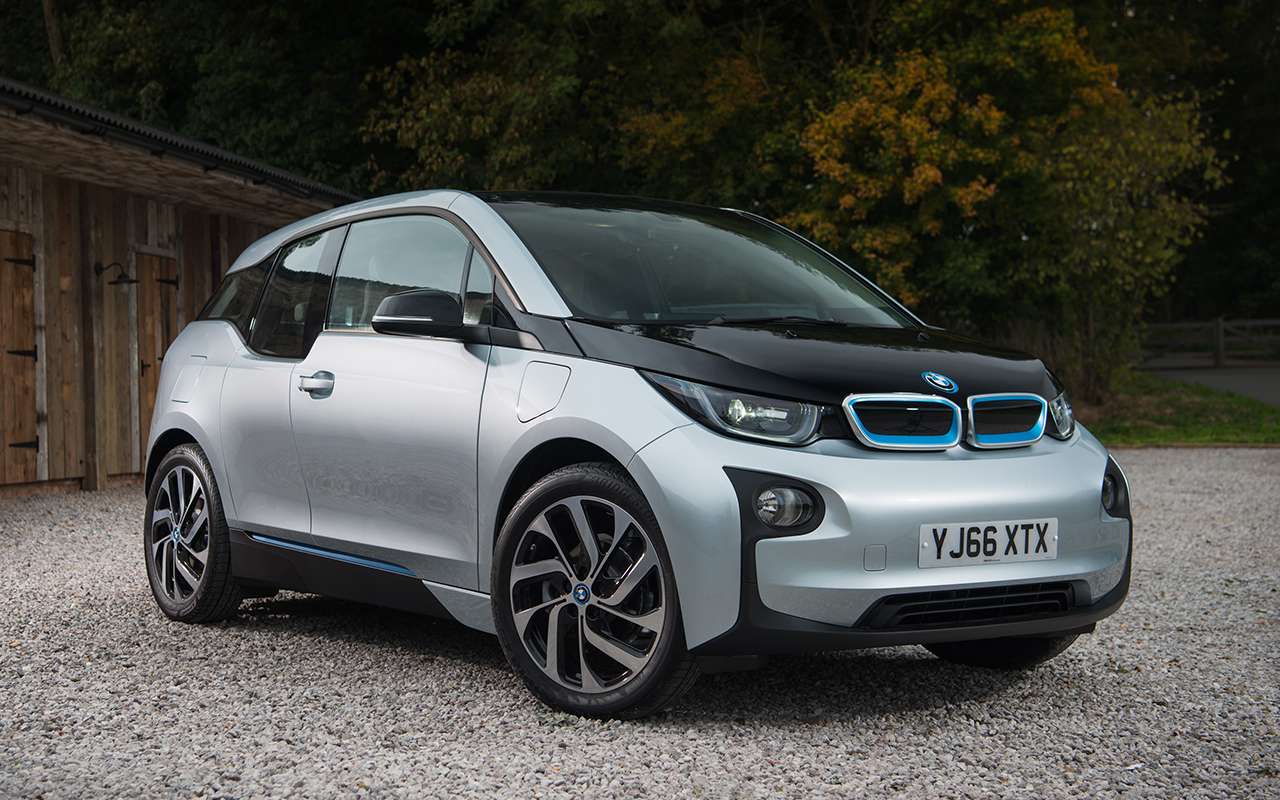
The BMW i3 is a small electric car with a bold, futuristic design. It was BMW’s first real step into electric driving, launched back in 2013. Many people love its quick acceleration, quiet cabin, and eco-friendly materials. But, like every car, the i3 has some weaknesses—and not every year is equal. If you’re thinking about buying a used BMW i3, you need to know which years to avoid. Some models have more problems than others, and choosing the wrong year could mean more repairs, less range, and higher costs.
Let’s explore which BMW i3 years are best skipped, why they’re trouble, and what you should look for instead. This guide is written for real drivers, not car experts. You’ll find clear explanations, examples, and honest advice. You’ll also see real data and comparisons to help you decide wisely.
Bmw I3 Overview: What Makes It Unique?
The BMW i3 stands out from other electric cars. It uses carbon fiber reinforced plastic for the main body, making it both light and strong. The design is unusual—tall, with big windows and rear doors that open backward. Inside, the i3 uses recycled materials and natural fibers. The car feels modern, clean, and different from typical gas cars.
At launch, the i3 came with two options:
- All-electric version (pure EV)
- Range Extender (REx), which added a small gas engine for backup
In the US, the i3’s battery started small (about 60 Ah, 22 kWh), but was upgraded over the years. As batteries improved, the i3’s range increased. However, some early years have reliability problems, weak batteries, and software glitches.
Why Some Bmw I3 Years Are Risky
You may think all i3s are similar, but each year brings changes. BMW fixed some issues and made improvements, but not every model year got the same upgrades. The earliest models had more problems. Some mid-years saw battery issues. Others had software bugs or recalls.
What Makes Certain Years Risky?
- Battery reliability: Early batteries age fast and lose range.
- Motor and electronics: Some years had more faults and recalls.
- Charging problems: Not all i3s charge at the same speed.
- Build quality: Some years had more rattles or trim issues.
Smart buyers check these details before buying. Let’s go deeper into the three BMW i3 years you should avoid.
1. Bmw I3 2014: The Most Problematic Launch Year
The first BMW i3, released in 2014, was exciting but full of issues. This was BMW’s first real electric car, and some problems are expected in any brand-new model. But the 2014 i3 is known for several big concerns.
Battery Problems
The 2014 i3 used a 22 kWh battery, which was small by today’s standards. When new, it offered about 80 miles of real-world range. That’s fine for city driving, but many drivers found it limiting. Worse, early batteries aged fast. After a few years, some 2014 i3s only managed 60 miles or less per charge.
Why did this happen? BMW used early battery technology, which wasn’t as durable. Charging cycles, heat, and everyday use lowered capacity quickly.
Common Electrical And Motor Issues
Owners reported frequent electrical faults in the 2014 i3. Dashboard warnings, charging errors, and sometimes total motor shutdowns were not rare. The car’s electronics, especially the software controlling battery and motor, were new and had bugs.
Some 2014 models needed expensive repairs, including motor replacement. BMW issued several recalls. For example, in 2017, the company recalled some 2014 i3s for airbag sensor problems.
Build Quality Concerns
Early i3s had more rattles, loose trim, and small quality issues. The carbon fiber frame was new for BMW, and some assembly mistakes happened. While later years improved, the 2014 model often feels less solid.
Real Owner Complaints
Several owners reported issues like:
- “Car wouldn’t start after charging.”
- “Battery dropped from 80 miles to 55 in two years.”
- “Dashboard lights keep flashing for no reason.”
According to the National Highway Traffic Safety Administration (NHTSA), the 2014 i3 has more complaints than later years, especially for battery and electronics.
Should You Buy A 2014 I3?
Unless you find a rare, well-maintained 2014 with a replaced battery and full service records, it’s best to avoid this year. You’ll likely face higher repair costs and lower range.
2. Bmw I3 2015: Persistent Battery And Charging Issues
After the troubled launch, the 2015 i3 saw small improvements. But it still shares many problems with the 2014 model. Most parts are similar, and the battery is nearly identical. The 2015 year brought more buyers, and more complaints followed.
Battery Aging Still A Problem
The 22 kWh battery remained unchanged in 2015. Real-world range stayed around 80 miles when new. However, aging and capacity loss continued to be a problem. Owners reported dropping range after just a few years.
BMW did not change the chemistry or cooling system, so the battery’s life span was still short. Some drivers needed battery replacements sooner than expected.
Charging Glitches
The 2015 i3 introduced more charging options, but some cars had trouble with Level 2 charging (220V). Owners reported failed charging sessions, slow charging speeds, or errors that stopped charging altogether.
These issues were often caused by faulty onboard chargers or software bugs. In some cases, BMW replaced charging hardware under warranty, but repairs outside warranty can be expensive.
Range Extender (rex) Issues
The REx version uses a small gas engine to charge the battery if needed. In 2015, some REx models had engine sensor failures and cooling system leaks. These problems led to warning lights, engine shutdowns, or reduced power.
Recalls And Safety Concerns
In 2015, BMW issued recalls for:
- Front passenger airbag sensor
- Rear seat belt system
While not all i3s were affected, these recalls highlight quality control problems. The build quality improved slightly, but owners still reported rattles and trim issues.
Data Comparison
Here’s a simple table comparing battery and charging issues in 2014 and 2015 i3s:
| Year | Battery Capacity (kWh) | Real-World Range (miles) | Charging Issues Reported |
|---|---|---|---|
| 2014 | 22 | 80 (drops to 55-60 over time) | High |
| 2015 | 22 | 80 (drops to 60-65 over time) | Moderate-High |
Owner Feedback
Some owners say:
- “Battery lost range after only 20,000 miles.”
- “Charging errors almost every week.”
- “REx engine failed after just 30,000 miles.”
Should You Buy A 2015 I3?
Unless you find a 2015 i3 with a replaced battery and updated charging system, it’s best to skip this year. Repairs are costly, and range is limited by today’s standards.
Credit: prestigeandperformancecar.com
3. Bmw I3 2017: Software Bugs And Recall Issues
The 2017 BMW i3 should have been better. BMW upgraded the battery to 33 kWh (94 Ah), giving more range (about 114 miles). Many expected this to be the best i3 yet. But new problems appeared, mainly with software and recalls.
Improved Battery, New Software Problems
The 2017 i3’s battery is larger and more durable. Range is much better, especially for city driving. However, the upgraded battery came with new software controlling charging, power, and safety systems.
Many owners reported software bugs that caused:
- Charging interruptions
- Sudden power loss
- Dashboard errors
BMW released several software updates, but some cars still had glitches. These bugs are hard to fix without dealer help.
Recalls Affecting Safety
BMW issued recalls for 2017 i3s:
- Crash test failure: The i3 did not meet US safety standards for rear seats, especially for small adults in crash tests.
- Airbag deployment issues: Some airbags did not deploy correctly.
These recalls mean some 2017 i3s needed major repairs, and some owners waited months for parts.
Rex Engine Still Has Issues
The Range Extender version still faced cooling system leaks and sensor faults. While the battery was improved, the gas engine had similar problems as earlier years.
Build Quality And Owner Complaints
Compared to 2014 and 2015, the 2017 i3 is more refined. Materials are better, and trim issues are rarer. Still, owners reported:
- “Sudden loss of power while driving.”
- “Software updates failed, car stuck in service mode.”
- “Airbag recall took months to fix.”
Comparison: Battery And Software
Here’s a table comparing battery and software issues between 2015 and 2017 i3s:
| Year | Battery Capacity (kWh) | Real-World Range (miles) | Software Issues Reported |
|---|---|---|---|
| 2015 | 22 | 80 | Low |
| 2017 | 33 | 114 | Moderate-High |
Should You Buy A 2017 I3?
The battery is much better than earlier years, but software bugs and recalls make the 2017 i3 risky. If you buy one, check recall history and make sure all updates are complete. Avoid cars with unresolved software problems.
Comparing Bmw I3 Years: Which Ones Are Safe?
If you want a used BMW i3, avoid 2014, 2015, and 2017. But what about other years?
- 2016 i3: Still uses the 22 kWh battery. Reliability is a bit better, but range is low.
- 2018-2021 i3: Uses the larger 33 kWh battery, with fewer software problems. These years are safer, but check recall records.
Here’s a quick comparison of i3 years, focusing on battery, range, and reliability:
| Year | Battery (kWh) | Range (miles) | Common Problems | Should You Buy? |
|---|---|---|---|---|
| 2014 | 22 | 80 | Battery, electronics, build quality | No |
| 2015 | 22 | 80 | Battery, charging, REx engine | No |
| 2016 | 22 | 80 | Battery aging | Maybe (if well-maintained) |
| 2017 | 33 | 114 | Software, recalls | No |
| 2018-2021 | 33 | 114-153 | Minor issues | Yes |

Credit: www.greencarreports.com
Non-obvious Insights: What Most Buyers Miss
- Battery replacement costs: If you buy an early i3 (2014 or 2015), battery replacement can cost $8,000–$12,000. Even if the car is cheap, this repair is expensive.
- Software updates are not always free: After warranty, BMW dealers may charge for updates that fix bugs. Ask about update history before buying.
- Recall repairs can delay ownership: If you buy a 2017 i3 with open recalls, parts may take months to arrive. This means you might not be able to use the car right away.
- Charging compatibility: Older i3s may not support faster chargers used today. Check charging specs before buying.
- Insurance is higher for early i3s: Because of recall history and repair costs, some insurers charge more for 2014–2017 models.
How To Spot A Risky Bmw I3
If you’re shopping for a used i3, here are steps to avoid buying a problematic year:
- Check the year and battery size: 22 kWh = older, less reliable; 33 kWh = newer, more range.
- Ask for battery health report: Dealers or owners can give battery test results. Avoid cars with battery health below 80%.
- Check recall status: Ask if all recalls are done. Get proof from the dealer.
- Test charging: Try charging at home and public chargers. Make sure it works without errors.
- Look for software update records: Ask if the car has the latest updates. Avoid cars with unresolved software bugs.
What To Look For In A Good Bmw I3
If you decide to buy an i3, focus on these features:
- Battery health: Newer, larger battery is better.
- Low mileage: Less than 50,000 miles is ideal.
- Full service history: Shows proper maintenance.
- Completed recalls: Proof that safety fixes are done.
- Updated software: Reduces risk of glitches.
Real-world Example: Buying A Used Bmw I3
Sarah wanted a used i3 for city driving. She found a cheap 2014 model, but after checking battery health, it was below 70%. The dealer didn’t have recall repair records. Sarah kept searching and found a 2018 i3 with 33 kWh battery, only 30,000 miles, and all recalls completed.
The price was higher, but the car was more reliable.
Sarah’s story shows why checking battery, recalls, and software matters. Paying a bit more for a better year saves money and stress in the long run.
Bmw I3 Maintenance Costs: Early Years Vs Newer Models
Repairs and maintenance are often higher for early i3s.
- 2014–2015 i3: Battery replacement ($8,000–$12,000), motor repairs ($2,000+), recall fixes (sometimes free, but delays common).
- 2017 i3: Software updates ($200–$500), recall repairs (free, but long wait).
- 2018–2021 i3: Battery still under warranty, fewer issues, lower repair costs.
Parts for the i3 are unique (carbon fiber body, special electronics), so repairs are more expensive than regular gas cars. Always check maintenance history and ask about warranty coverage.
Insurance And Resale Value: Impact Of Problematic Years
Cars with more recalls and reliability issues cost more to insure. Early i3s (2014–2017) may have lower resale value, because buyers know about their weaknesses.
- 2014–2015 i3: Lower resale price, harder to sell, higher insurance.
- 2017 i3: Better resale than early years, but recalls hurt value.
- 2018–2021 i3: Easier to sell, higher resale, lower insurance.
If you plan to resell your i3 later, buy a newer year for better value.
Environmental Impact: Battery Aging And Recycling
Electric cars are better for the environment, but only if their batteries last. Early i3s have more battery replacements, which means more waste. BMW recycles batteries, but the process is costly and energy-intensive.
Newer i3s last longer, so their environmental impact is lower. If you care about the planet, avoid older models with weak batteries.
Alternatives To The Bmw I3
If you’re worried about i3 reliability, consider other electric cars:
- Nissan Leaf: Good range, reliable, easy to repair.
- Chevrolet Bolt: Higher range, lower price, fewer recalls.
- Hyundai Ioniq Electric: Solid reliability, affordable.
Each alternative has pros and cons, but all offer similar city driving and electric benefits.
For more details about electric car reliability, see Wikipedia.

Credit: www.bmwblog.com
Frequently Asked Questions
Is The Bmw I3 Expensive To Maintain?
The BMW i3 can be costly to repair, especially early models (2014–2017). Battery replacement is expensive. Software issues may require dealer help. Newer i3s (2018–2021) are cheaper to maintain.
How Long Does The Bmw I3 Battery Last?
Most i3 batteries last 6–8 years before losing too much capacity. Early batteries (2014–2015) lose range faster. Newer batteries (33 kWh) last longer and keep more range.
Are All Bmw I3 Models Affected By Recalls?
Not every i3 is affected, but 2014, 2015, and 2017 models have more recalls. Always check recall history before buying. Make sure repairs are done.
Is The Range Extender Version Reliable?
The REx engine can help with range, but it has problems in early years (sensor failures, leaks). Later years are more reliable, but still need regular maintenance.
What Is The Best Bmw I3 Year To Buy?
The 2018–2021 i3 is the best choice. It offers a larger battery, fewer recalls, updated software, and better reliability. Avoid 2014, 2015, and 2017 models.
Final Thoughts
Buying a used BMW i3 can be a great way to try electric driving, but only if you choose the right year. Avoid 2014, 2015, and 2017 models—they have battery problems, software bugs, and more recalls. Always check battery health, recall history, and software updates before buying.
Newer i3s (2018–2021) are safer, with better range and fewer issues. If you follow these tips, you’ll enjoy a reliable, fun electric car without expensive surprises.