

Buying a used Subaru WRX can be exciting. Known for its rally heritage, turbo power, and all-wheel drive, the WRX is a favorite for drivers who want both fun and practicality. But not every WRX model year is a good choice. Some years come with serious problems—engine failures, transmission troubles, and expensive repairs. If you want to avoid headaches and wasted money, it’s important to know which Subaru WRX years to avoid and why these issues happen.
This article will guide you through the most problematic WRX years, explain common issues, and help you spot a good deal. You’ll get clear, practical advice to make a smart choice, whether you’re a first-time buyer or a long-time Subaru fan.
Along the way, you’ll learn what makes some WRX years risky, what to check before buying, and how to enjoy the thrill of a WRX without costly surprises.
Why Some Wrx Years Are Risky
The Subaru WRX has seen many updates since its debut in the early 1990s. Each new generation brought changes in engine design, technology, and safety. While some updates improved reliability, others introduced new problems. Understanding why certain years are more likely to have issues can save you trouble.
Design Flaws And Manufacturing Issues
Not all WRX problems are the same. Some years had new engines or transmissions that didn’t have enough real-world testing. For example, the switch to a new engine design or the introduction of direct injection sometimes led to unexpected failures. Early production models often have more problems as issues get fixed in later runs.
Cost-cutting Decisions
Automakers sometimes use cheaper materials or new suppliers to save money. In the WRX, this has led to weak piston rings, faulty head gaskets, or poor-quality interior parts in some years. These decisions can affect long-term durability.
Changes In Emissions And Regulations
To meet stricter emissions rules, Subaru made changes to engine tuning and exhaust systems. These updates, especially in the mid-2000s and 2010s, sometimes caused new reliability problems. Turbo engines are sensitive—small changes can have big effects.
The Most Problematic Subaru Wrx Years
Not all WRX years are equal when it comes to reliability. Some stand out for frequent, costly issues. Here are the Subaru WRX years to avoid if you want to minimize risk:
1. 2015 Wrx
The 2015 WRX marked the start of a new generation and came with a brand-new FA20DIT turbocharged engine. While the car offered improved performance, it also brought several headaches.
- Clutch Problems: Many owners reported premature clutch failure, sometimes before 20,000 miles. This is costly, with repairs often running over $1,000.
- Engine Knock: Some 2015 WRX models suffered from a loud knocking noise, especially when cold. This could signal early bearing failure—a serious and expensive fix.
- Valve Spring Recall: Subaru issued a recall for faulty valve springs that could break and cause sudden engine shutdown.
Real-world Example
A 2015 WRX owner described their car stalling on the highway, later finding out a broken valve spring was the culprit. After the recall fix, some owners experienced new engine issues, hinting at deeper reliability concerns.
2. 2016 Wrx
The 2016 model continued with the FA20DIT engine, but new problems appeared.
- Oil Consumption: Many owners reported burning oil at a high rate, needing to top off every 1,000 miles. Subaru considered up to one quart every 1,000 miles “normal,” but for most drivers, this was excessive and inconvenient.
- Turbo Failure: Early turbocharger failures were not uncommon, leading to expensive repairs. In some cases, the entire engine needed replacement.
- Electrical Issues: Faulty sensors and random check engine lights made diagnostics difficult.
3. 2017 Wrx
The 2017 WRX ironed out some earlier issues, but not all.
- Clutch and Transmission: The manual transmission was still prone to grinding and difficult shifts. Clutch pedals sometimes failed, requiring full replacement.
- Infotainment Glitches: The new touchscreen system often froze or rebooted, frustrating drivers.
4. 2008–2009 Wrx
These years are remembered for their weak engines and lackluster performance.
- Engine Reliability: The 2.5L EJ255 engine was prone to ringland failure. This often meant low compression, misfires, and eventual engine rebuilds.
- Suspension Issues: The 2008 model had a softer suspension, leading to poor handling and more body roll. Subaru improved this in 2009, but engine issues remained.
- Turbo Failure: Turbochargers sometimes failed without warning, especially if oil changes were skipped.
5. 2011–2014 Wrx
These years are controversial. Some owners praise them, but data shows a higher rate of engine and head gasket failures.
- Head Gasket Leaks: The EJ255 engine had a reputation for head gasket leaks, especially after 60,000 miles.
- Ringland Failure: Aggressive driving or tuning often led to broken piston rings, requiring expensive repairs.
- Transmission Problems: The 5-speed manual was not as robust as the STI’s 6-speed, leading to early synchro wear.
Comparison Of Problematic Wrx Years
Below you’ll find a comparison of common issues by year:
| Model Year | Common Engine Issues | Transmission/Clutch | Other Problems |
|---|---|---|---|
| 2015 | Valve spring failure, engine knock | Premature clutch wear | Electrical glitches |
| 2016 | High oil consumption, turbo failure | Clutch issues | Sensor faults |
| 2017 | Some turbo failures | Transmission grinding | Infotainment problems |
| 2008–2009 | Ringland failure, head gasket leaks | Weak 5-speed manual | Suspension issues |
| 2011–2014 | Head gasket, ringland failure | Synchro wear | Interior rattles |
Common Wrx Problems In Years To Avoid
Knowing which WRX years to avoid is important, but understanding why these years are risky helps you recognize warning signs. Here are some of the most common issues that plague these models.
Engine Failures
The WRX uses turbocharged engines that deliver great power. But they’re more complex than standard engines. The EJ255 and FA20DIT engines are known for:
- Ringland Failure: Piston ringlands can crack, especially if the car is driven hard or modified. This leads to loss of compression and misfires.
- Rod Bearing Failure: Low oil or poor maintenance can cause rod bearings to fail, which usually means a full engine rebuild.
- Valve Spring Issues: The 2015 WRX recall for valve springs affected thousands of cars. A broken spring can destroy the engine if not fixed.
Transmission And Clutch Problems
WRX manual gearboxes are fun to drive, but not all are tough enough for spirited driving.
- Clutch Wear: Clutch pedals and discs sometimes fail early, especially in the 2015–2017 models.
- Synchro Issues: The 5-speed manual (2008–2014) is less robust than the STI’s 6-speed. Synchro failure leads to grinding and missed shifts.
- CVT Concerns: The newer WRX offers a CVT automatic. While smoother, it’s expensive to fix and not as engaging for enthusiasts.
Turbocharger Failures
The turbo is the heart of the WRX. If it fails, power drops and repair bills soar.
- Oil Starvation: Missing oil changes or using the wrong oil can starve the turbo, causing early failure.
- Wastegate Problems: Some years have faulty wastegates, leading to overboost or underboost.
Electrical And Sensor Issues
Modern WRXs are packed with sensors. Faulty sensors can cause check engine lights and poor performance.
- Crankshaft Position Sensor: A bad sensor can cause stalling or prevent the car from starting.
- Infotainment Glitches: The 2017 WRX’s touchscreen is known for freezing or losing Bluetooth connection.
Head Gasket Leaks
This is a classic Subaru issue, especially in 2008–2014 WRXs. Coolant leaks or overheating are warning signs.
Suspension And Interior Problems
- Suspension Wear: 2008 WRXs had a softer suspension, leading to poor cornering and early bushing wear.
- Interior Rattles: Cheap plastics and loose panels are common, especially as the car ages.
Years With Improved Reliability
Not every WRX year is a gamble. Some years have better reliability, updated components, and fewer major complaints. If you want to enjoy a WRX with less risk, consider these models:
2006–2007 Wrx
These years are known for robust EJ engines and improved handling. While no WRX is perfect, these models have fewer major engine failures and a strong owner community.
2018–2021 Wrx
After 2017, Subaru improved the FA20DIT engine and addressed many early issues. Oil consumption dropped, and clutch problems became less common. Owners report fewer major repairs and a more refined driving experience.
2022 And Newer
The latest WRXs use the FA24F engine (in the US from 2022 onward). Early reports suggest improved reliability, but it’s too soon for long-term data. Still, the updated engine and chassis are promising.
Wrx Reliability By Year (sample Data)
Here’s a quick look at reliability ratings for selected WRX years:
| Year | Engine | Major Issue Rate* | Recommended? |
|---|---|---|---|
| 2006–2007 | EJ255 | Low | Yes |
| 2015–2016 | FA20DIT | High | No |
| 2018–2021 | FA20DIT | Moderate/Low | Yes |
| 2022+ | FA24F | Too new | Possibly |
*Major Issue Rate based on owner reports and reliability data.
What To Check Before Buying A Used Wrx
If you’re set on buying a WRX, even one from a risky year, careful inspection is key. Here’s what experienced owners and mechanics recommend:
- Service History: Look for full service records. WRXs that miss oil changes or skip maintenance are much more likely to have engine or turbo problems.
- Compression Test: Insist on a compression test for any turbo Subaru. Low compression means costly repairs are coming.
- Clutch and Transmission Feel: Test drive the car. Pay attention to clutch engagement and gear shifts. Grinding, notchy, or sticky shifts are red flags.
- Check for Mods: Many WRXs are modified. While mods aren’t always bad, poorly tuned cars are at higher risk. Ask if the ECU was tuned, and look for aftermarket parts.
- Listen for Noises: Engine knock, rattles, or whining turbos are all warning signs.
- Inspect for Leaks: Look for oil or coolant leaks under the car, around the head gaskets, and near the turbo.
- Recall History: Check if recalls (like the 2015 valve spring recall) have been completed.
Non-obvious Insights
- Winter Driving and Rust: Many WRXs are used in snowy climates because of their all-wheel drive. Check the undercarriage for rust, especially on cars from the Northeast or Midwest.
- Insurance Costs: WRXs are often expensive to insure due to their performance and accident rates. Get a quote before you buy.
Should You Avoid All Early Wrx Models?
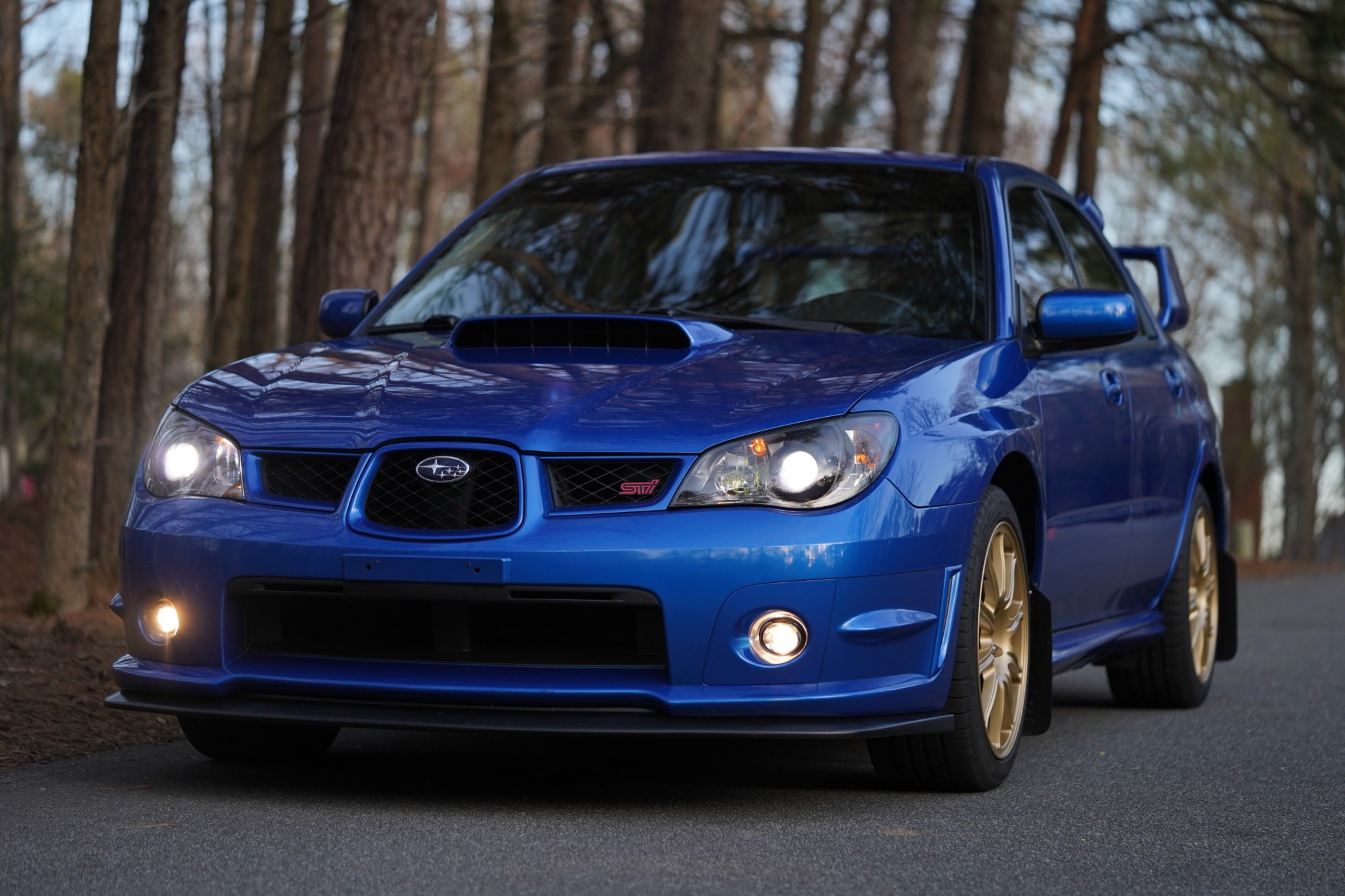
Some enthusiasts love early 2000s WRXs (like the “bugeye” 2002–2003). These models have their own charm and a strong following. However, age brings new risks—rust, worn turbos, and tired interiors. If you buy an older WRX, be ready for extra maintenance and possible restoration.
Credit: www.motorbiscuit.com
How To Spot A Well-maintained Wrx
Even in a risky year, a well-maintained WRX can be a good buy. Here’s how to spot one:
- Detailed Records: The owner has receipts for oil changes, timing belt (if applicable), clutch, and brakes.
- No Warning Lights: No check engine or other warning lights on the dash.
- Smooth Boost: The turbo spools smoothly, with no smoke from the exhaust.
- No Strange Smells: Burning oil or coolant smells are signs of trouble.
- Stock or Mildly Modified: Heavy modifications increase risk, especially if done without supporting upgrades.
Subaru Wrx Ownership: What To Expect
The WRX is a fun, engaging car to drive. But it’s not for everyone. Here’s what you should expect:
- Higher Maintenance: Turbocharged engines need frequent oil changes (every 3,000–5,000 miles) and premium gas.
- Parts and Repairs: Some parts are expensive, and not every mechanic is familiar with turbo Subarus.
- Community Support: There’s a large WRX owner community, with lots of DIY guides and advice online.
- Resale Value: Well-maintained WRXs hold value, but problematic years drop quickly in price.

Credit: www.copilotsearch.com
How Subaru Responded To Reliability Issues
Subaru has learned from past mistakes. The company issued several recalls, updated engine parts, and improved quality control in later years. For example, the valve spring recall covered over 400,000 vehicles in North America. After 2018, changes to the FA20DIT engine reduced oil consumption and improved durability.
Subaru also offers extended warranties for some known issues, but coverage varies by year and location. Always check with a Subaru dealer for recall and warranty information.
Real Owner Stories
Hearing from real WRX owners can help you see the bigger picture. Here are two examples:
- Mike’s 2015 WRX: Mike loved his WRX’s power, but after just 22,000 miles, the clutch failed. Subaru covered part of the repair, but he lost confidence in the car and sold it a year later.
- Sarah’s 2014 WRX: Sarah bought her WRX used with 60,000 miles. After two years, a head gasket leak appeared. She spent $2,000 fixing it, but otherwise enjoyed the car’s reliability.
Their stories show that problems are real, but not every owner will experience them. Maintenance, driving habits, and luck all play a role.
Wrx Years To Avoid: Quick Reference
If you want a fast answer, here are the main WRX years to avoid:
- 2015
- 2016
- 2017
- 2008
- 2009
- 2011
- 2012
- 2013
- 2014
These years are most likely to have engine, clutch, or transmission problems. If you’re considering one, extra caution is needed.
Alternatives To Problematic Wrx Years
If you love the WRX idea but want fewer headaches, consider:
- Subaru Impreza 2.5RS: Non-turbo, more reliable, but less powerful.
- Mazda 3 Turbo: Quick, fun, and more reliable.
- Volkswagen Golf GTI: Strong performance, but check for DSG transmission service.
Credit: www.carlogos.org
Should You Buy A Wrx From A Risky Year?
It depends on your risk tolerance. Some buyers enjoy fixing cars and don’t mind the extra maintenance. Others want a worry-free experience. If you’re not mechanically skilled, it’s best to avoid the riskiest years or buy only with a full inspection and warranty.
Wrx Maintenance Tips For Longevity
If you buy a WRX, follow these tips to keep it running strong:
- Oil Changes: Use synthetic oil, change every 3,000–5,000 miles.
- Use Premium Gas: Turbo engines need high-octane fuel for best performance and longevity.
- Warm Up the Engine: Don’t drive hard until the engine is fully warmed up.
- Follow Service Schedule: Stick to Subaru’s recommended service intervals.
- Watch for Mods: If you modify your WRX, do it right—upgrade supporting parts and tune the ECU properly.
Useful Resources
If you want more detailed technical data or owner reviews, check out the official Subaru WRX Wikipedia page for a full history and specifications.
Frequently Asked Questions
What Is The Worst Subaru Wrx Year To Avoid?
The 2015 Subaru WRX is widely considered the worst due to engine, clutch, and valve spring failures. The new FA20DIT engine had many teething problems, leading to expensive repairs and recalls.
Are Older Wrx Models More Reliable?
Some older WRXs (like 2006–2007) are more reliable, but age brings its own challenges—rust, worn turbos, and tired interiors. Maintenance is key for older cars.
Is The Wrx Sti More Reliable Than The Standard Wrx?
The WRX STI uses a stronger 6-speed transmission and a different engine (EJ257 in the US), which is generally more robust. However, it’s still prone to ringland and head gasket issues if not maintained.
What Is Ringland Failure And Why Is It A Big Deal?
Ringland failure means the piston ringlands crack or break, causing loss of compression and engine misfires. It’s a common problem in turbo Subarus and usually requires a full engine rebuild.
Can I Buy A Wrx From A Risky Year If It Has Been Rebuilt?
A rebuilt engine or transmission can be a good sign if done by a reputable shop with quality parts. Ask for receipts and details. However, avoid cars with unclear rebuild history or cheap parts.
Buying a used WRX is about knowing the risks and making smart choices. With the right information and careful inspection, you can enjoy the thrill of a turbo Subaru—without the frustration of frequent repairs.