

If you’re thinking about buying a Chevy Traverse, you’re not alone. The Traverse is a popular three-row SUV, known for its spacious interior and family-friendly features. But not every model year is created equal. Some years have strong reliability, while others are known for serious problems that can cost thousands to fix. If you want to avoid expensive surprises, it’s important to know which Chevy Traverse years to avoid—and why.
In this article, you’ll learn which years are best skipped, what common issues affect those models, and which years are considered safer bets. We’ll look at real owner complaints, recall data, repair costs, and give you insights that most buyers miss.
By the end, you’ll be able to shop for a used Traverse with real confidence.
Why Some Chevy Traverse Years Should Be Avoided
Not all car model years are the same. Even within the same generation, some years stand out for frequent mechanical issues or expensive repairs. For the Chevy Traverse, certain years have earned a reputation for engine failure, transmission problems, or electrical gremlins. These issues can mean high repair bills or even leave you stranded.
Automakers sometimes improve their cars in later model years after learning from early mistakes. This means that a Traverse from a “bad” year can cost more in the long run, even if it looks like a good deal at first.
Knowing the history behind each year helps you avoid these pitfalls.
Chevy Traverse Overview: A Quick Timeline
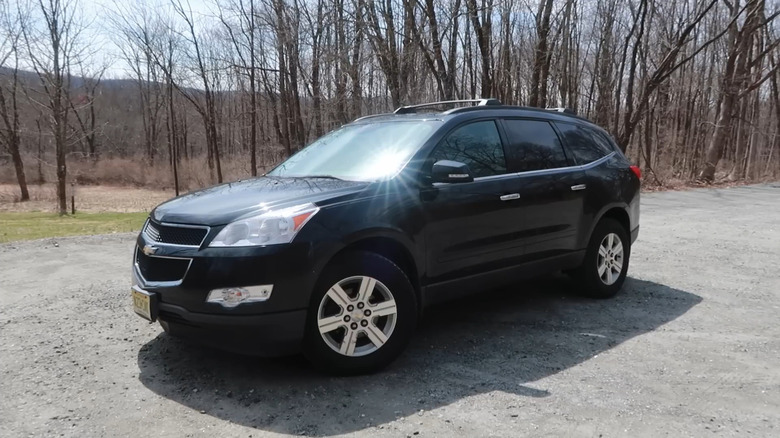
The Chevy Traverse first hit the roads in 2009 as a replacement for the Chevy TrailBlazer and Uplander. It has gone through two main generations:
- First Generation (2009–2017): Known for roominess and comfort, but early years had major reliability concerns.
- Second Generation (2018–present): Improved design and technology, but some newer models still have recurring issues.
Let’s look at the years you should approach with caution.
Credit: www.slashgear.com
Chevy Traverse Years To Avoid
Over the years, a few model years stand out as ones to avoid due to frequent problems and high ownership costs. Based on owner complaints, recall data, and expert reviews, the worst Chevy Traverse years are:
- 2009
- 2010
- 2011
- 2012
- 2013
- 2018
These years have higher rates of serious problems, especially with the engine, transmission, and electronics. Let’s dive deeper into what makes each of these years risky.
2009 Chevy Traverse
The first year of any new model can be risky, and the 2009 Traverse proves this rule. Many owners report engine failures before 100,000 miles. This often means replacing the entire engine—a repair that can cost $4,000 or more.
Other common complaints include:
- Power steering failure: Sudden loss of steering assist, dangerous at low speeds or while parking.
- Water pump leaks: Can lead to overheating if not fixed quickly.
- Electrical issues: Problems with the battery draining or sensors failing.
The 2009 Traverse also faced multiple recalls for airbag and seatbelt problems. As a result, it’s widely seen as a year to skip.
2010 Chevy Traverse
The 2010 model continued many of the problems from 2009. Engine issues remained common, especially timing chain failure. If the timing chain stretches or breaks, the engine can be destroyed. Owners often had to pay for repairs themselves, since issues happened just outside the warranty period.
Other problems in 2010 include:
- Transmission failure: Sudden loss of power, sometimes at highway speeds.
- A/C and heater problems: Blowers and controls failing, often during hot or cold weather.
- Power steering pump failure: Expensive to fix, often recurring.
With so many expensive potential repairs, the 2010 Traverse is one of the riskiest used options.
2011 Chevy Traverse
By 2011, some issues were fixed, but many remained. Engine and transmission complaints are still high, and there’s a pattern of excessive oil consumption. This can lead to low oil pressure and engine failure if not closely monitored.
Owners also report:
- Stalling and rough shifting: Especially when accelerating or at low speeds.
- Electrical issues: Dashboard lights flickering or not working.
- Liftgate problems: Power liftgate failing or closing unexpectedly.
The 2011 Traverse has multiple recalls and a high average repair cost, making it another year to avoid.
2012 Chevy Traverse
This year is known for stretched timing chains and engine misfires. Many owners report the “check engine” light coming on, followed by a need for expensive repairs. Timing chain repairs can cost $2,000–$3,000, and often require special tools.
Other common issues:
- Transmission slipping: Delayed or rough shifting, sometimes leading to total failure.
- Water leaks: Wet carpets and electrical shorts from poor sealing.
- Premature brake wear: Owners replacing brakes as early as 20,000 miles.
Despite some improvements, the 2012 Traverse is best avoided unless you have full maintenance records and a solid warranty.
2013 Chevy Traverse
While the 2013 model improved in some areas, it still carries engine and transmission risks. Many repairs are needed after the 100,000-mile mark, especially for the timing chain and water pump. Some owners also report electrical glitches—from radio failures to faulty sensors.
Additional concerns:
- Power steering noise or failure
- A/C blowing warm air
- Frequent airbag warning lights
The 2013 Traverse is not as notorious as the 2009–2012 models, but it’s still riskier than later years.
2018 Chevy Traverse
A new generation started in 2018, but it still had some teething issues. Early models suffer from transmission problems, especially rough shifting and delayed response. There are also multiple reports of air conditioning failures in hot climates.
Other 2018 Traverse issues:
- Infotainment system bugs
- Brake pedal feels spongy
- Unusual noises from the engine bay
Chevrolet fixed many of these problems in later years, but the 2018 model can be a gamble, especially at higher mileages.
Problems That Plague These Years
Understanding the specific issues behind these “bad” years can save you from headaches and unexpected costs. Here’s a closer look at the main problem areas:
Engine Problems
Engine failure is the biggest concern for early Traverse models. Most failures come from timing chain issues. When the chain stretches or jumps, it can destroy the engine in seconds. Frequent warning signs include:
- Check engine light
- Rattling noise on startup
- Rough idling or stalling
Repairing or replacing the engine often costs more than the car is worth, especially in older models.
Transmission Troubles
Transmission failure is another common and expensive problem. Many owners describe rough shifting, slipping, or delayed response when pressing the gas pedal. In some cases, the transmission stops working altogether.
A failed transmission can cost $3,000–$4,000 to replace. Even minor transmission repairs are rarely cheap.
Electrical And Electronics Issues
The Traverse is packed with modern features, but that also means more things can go wrong. Owners complain about:
- Infotainment system freezing or rebooting
- Backup camera glitches
- Dead batteries from electrical drains
These problems are not just annoying—they can make driving less safe.
Steering And Suspension
Power steering failures are widespread in earlier models. Suddenly losing steering assist is not just inconvenient, it’s dangerous. Suspension parts, like sway bars and bushings, also wear out early, leading to clunks and loose handling.
Air Conditioning And Heating
Many Traverse owners face A/C and heater failures. Sometimes, the system blows only warm air, even in summer. Repairs often mean removing the dashboard—labor-intensive and expensive.
Water Leaks
Water leaking into the interior is a problem in several years. Wet floors can lead to mold, bad odors, and electrical shorts. Fixing the root cause usually means resealing doors or the roof—a job best done by a professional.
Credit: www.fixdapp.com
Common Symptoms Of A Problematic Traverse
If you’re shopping for a used Traverse, look out for these warning signs during your test drive and inspection:
- Check engine light or other warning lights on the dashboard
- Rough shifting or hesitation when accelerating
- Strange noises (rattling, clunks, or whines) from the engine or transmission
- Unresponsive or heavy steering
- Wet carpets or musty smells inside
- A/C not blowing cold
- Electrical glitches (windows, locks, radio, etc.)
If you spot these symptoms, think twice before buying—even if the price is low.
Years With Fewer Problems: Safer Bets
Not every Chevy Traverse is a risk. Some years have much better reliability and owner satisfaction. Based on reports and expert opinions, these years are generally safer choices:
- 2014
- 2015
- 2016
- 2017
- 2019
- 2020
- 2021
- 2022
- 2023
These models benefit from design improvements and fewer widespread complaints. However, it’s still important to check each vehicle’s history and maintenance records.
Comparing Problematic Vs. Reliable Years
Here’s a quick comparison of major issues reported in “bad” vs. “good” years:
| Model Year | Major Engine Issues | Transmission Problems | Electrical Problems | Average Repair Cost (USD) |
|---|---|---|---|---|
| 2010 | Yes | Yes | High | $3,500+ |
| 2012 | Yes | Yes | Medium | $3,000+ |
| 2016 | No | Rare | Low | $1,200 |
| 2020 | No | No | Low | $1,100 |
This table shows how choosing the right year can reduce both headaches and costs.
How To Spot A Good Used Chevy Traverse
If you’re set on a Traverse, here are practical steps to find a reliable one:
- Check the VIN: Use a service like Carfax or AutoCheck to view the vehicle’s history. Look for major repairs, accidents, or recall work.
- Ask for Service Records: A well-documented service history is a strong sign of a cared-for SUV.
- Get a Pre-Purchase Inspection: Have a trusted mechanic check the engine, transmission, suspension, and electronics.
- Test All Features: Try every button—windows, locks, A/C, infotainment, and backup camera.
- Drive at Different Speeds: Listen for strange noises and check how the transmission shifts.
These steps help you avoid common mistakes, like buying a “good deal” that turns into a money pit.
Real-world Repair Costs
It’s easy to underestimate how much repairs can add up. Here’s a look at average costs for common Traverse problems:
| Repair Type | Average Cost (USD) | Years Most Affected |
|---|---|---|
| Engine Replacement | $4,000–$6,000 | 2009–2012 |
| Timing Chain Repair | $2,000–$3,000 | 2010–2012 |
| Transmission Replacement | $3,000–$4,500 | 2009–2013, 2018 |
| Power Steering Pump | $800–$1,200 | 2009–2011 |
| Infotainment Repair | $500–$1,000 | 2018–2019 |
Buying a newer or better-maintained Traverse can help you avoid these big expenses.
How Chevy Traverse Compares To Rivals
The Traverse is popular, but how does it compare to other midsize SUVs when it comes to reliability and repair costs? Here’s a brief comparison:
| Model | Best Years | Known Problem Years | Major Issues |
|---|---|---|---|
| Chevy Traverse | 2016–2023 | 2009–2012, 2018 | Engine, Transmission |
| Toyota Highlander | 2014–2020 | 2008–2013 | Oil Leaks, Dashboard Cracks |
| Honda Pilot | 2016–2021 | 2003–2005, 2016 | Transmission, Engine Mounts |
| Ford Explorer | 2013–2019 | 2011–2012 | Transmission, Cooling System |
The Traverse isn’t alone in having “bad” years. Doing your research pays off with any SUV.
Non-obvious Insights Most Buyers Miss
- Timing chain issues can be silent: Many buyers don’t realize the timing chain can stretch with no warning signs. Even if the engine sounds fine, get a mechanic’s opinion if you’re considering a 2009–2012 Traverse.
- Infotainment glitches affect safety: A freezing backup camera or navigation system can distract you or make parking risky. Test all electronics, not just the basics.
- Water leaks signal bigger trouble: If a Traverse smells musty or has wet floors, it could mean hidden electrical damage.
- Updated parts don’t always mean the problem is gone: Some owners replace failed parts, but if the root cause (like a design flaw) isn’t fixed, the issue can return.
- Recalls don’t fix everything: Even after recall work, some problems (like engine or transmission issues) may come back if the underlying design is weak.
Should You Avoid All Early Chevy Traverse Models?
Not necessarily. Some 2009–2013 Traverses run well for years, especially if they have low miles and full service records. But the risk is higher, and repairs are expensive if problems do occur. If you want peace of mind, newer models are safer.
What To Do If You Already Own A Problem Year
If you already have a Traverse from a problematic year, all is not lost. Here are some practical steps:
- Stay on top of maintenance: Change oil regularly, especially if your engine is prone to oil consumption.
- Listen for new noises: Early repair can prevent bigger problems.
- Check for open recalls: Some repairs may be free at your Chevy dealer.
- Set money aside: Having a repair fund makes surprise breakdowns less stressful.
- Consider an extended warranty: If you plan to keep the SUV, it might save money in the long run.
How Chevy Has Improved Traverse Reliability
Chevrolet learned from early mistakes. Later Traverse models benefit from:
- Redesigned engine components: Stronger timing chains and better oil management.
- Improved transmissions: Smoother shifting and fewer failures.
- Better electronics: Fewer glitches and more reliable infotainment.
These upgrades make the 2016 and newer Traverse models a better choice for most buyers.
When Buying Used, Condition Is Everything
A well-maintained 2013 Traverse can be more reliable than a neglected 2017. Always look for:
- One-owner vehicles
- Complete maintenance records
- No major accidents
- Recent repairs on known problem areas
Never rush your decision. Take time to compare several vehicles and get a trusted mechanic’s advice.
Credit: vehiclefixation.com
The Bottom Line
The Chevy Traverse offers a lot for families—space, comfort, and features—but only if you choose the right year. The 2009–2013 and 2018 models are risky due to engine, transmission, and electronics problems. Later years (2016 and newer) are far more reliable and cost less to maintain.
If you’re shopping for a used Traverse, use the tips above to inspect the vehicle carefully, check its history, and avoid common mistakes. This way, you’ll enjoy all the benefits of a midsize SUV without the stress of unexpected breakdowns.
For more details on Chevy Traverse recalls and owner complaints, visit the official NHTSA website.
Frequently Asked Questions
What Is The Most Reliable Chevy Traverse Year?
The most reliable years for the Chevy Traverse are 2016, 2017, 2019, 2020, and 2021. These models have fewer engine and transmission complaints and benefit from design improvements. Always check service records before buying.
How Long Does A Chevy Traverse Typically Last?
With proper care, a Traverse can last 150,000 to 200,000 miles. Regular maintenance, like oil changes and transmission service, is key. Avoiding problem years increases your chances of reaching high mileage.
Are Chevy Traverse Repairs Expensive?
Repairs on problematic years can be very expensive. Engine and transmission replacements can cost $3,000–$6,000. Later years tend to have lower repair costs, but parts and labor are still above average for midsize SUVs.
Is The Chevy Traverse A Good Family Suv?
Yes, the Traverse is spacious and comfortable, with seating for up to eight and plenty of cargo space. Just make sure to choose a reliable model year, as breakdowns can ruin road trips and daily routines.
What Alternatives Are More Reliable Than The Traverse?
Toyota Highlander and Honda Pilot are often seen as more reliable, with fewer major engine and transmission issues. The Ford Explorer is another option, but some years have their own problems. Always compare specific model years and check owner reviews before deciding.
If you use these tips and avoid the riskiest years, you can find a Chevy Traverse that will give you years of worry-free driving.