

If you’re searching for a used Chevrolet or GMC truck with a Duramax diesel engine, you’ve probably heard about the LML Duramax. Built between 2011 and 2016, this engine is popular for its power, towing capability, and reliability. But not every year was a winner. Some LML Duramax trucks have common issues that can lead to high repair bills or downtime. If you want to avoid buying trouble, it’s important to know which LML Duramax years to avoid, the problems they face, and how to spot a good one. This guide covers everything you need—from model year comparisons to detailed explanations of common faults—so you can make a smart, confident decision.
What Is The Lml Duramax Engine?
The LML Duramax is a 6.6-liter V8 turbodiesel engine produced by DMAX (a partnership between GM and Isuzu). It was used in Chevrolet Silverado HD and GMC Sierra HD trucks from 2011 to 2016. The LML brought more power and better fuel economy than its predecessors, thanks to new fuel injection technology and emission controls.
Key highlights:
- 397 horsepower and 765 lb-ft of torque (factory rated)
- High-pressure common-rail direct injection
- Selective catalytic reduction (SCR) for lower emissions
- Exhaust gas recirculation (EGR) system
The LML was designed to meet stricter EPA emission standards, but those changes also introduced new weak spots. Before you buy, it’s important to understand how these features affect reliability and cost of ownership.
Lml Duramax Years: Quick Overview
Not every LML Duramax year is equal. While the basic engine design stayed the same, small changes and updates happened throughout its production. Here’s a quick look at the LML years:
| Model Year | Main Features | Known Issues | Reliability |
|---|---|---|---|
| 2011 | First year of LML, new emissions systems | Injector failure, DEF system faults | Below average |
| 2012 | Small updates, similar emissions setup | DEF heater, EGR valve problems | Average |
| 2013 | Minor improvements, similar drivetrain | CP4 pump failure, DEF tank heater issues | Below average |
| 2014 | More reliable electronics, software fixes | Fewer major issues | Above average |
| 2015 | Stable design, fewer emission complaints | Occasional DEF/EGR faults | Good |
| 2016 | Last LML year, best technology in series | Least common problems | Best |
Lml Duramax Years To Avoid
Some LML Duramax years have more problems than others. Most experts and owners agree that 2011 and 2013 are the main years to avoid. Both suffered from engine and emission system issues that can be expensive to fix.
2011 Lml Duramax
The 2011 model was the first year of the LML. As with many new engines, this year faced “first-year bugs.” Owners report frequent issues with:
- Fuel injector failure: Early injectors sometimes failed before 100,000 miles.
- DEF (Diesel Exhaust Fluid) system: Sensors and heaters often malfunction, triggering warning lights or “limp mode.”
- EGR valve problems: The EGR could stick open or closed, causing rough running or poor emissions.
- CP4 injection pump: Early versions of this high-pressure pump are known for catastrophic failure, which can destroy the fuel system.
2013 Lml Duramax
The 2013 model suffered from a high number of CP4 pump failures and DEF system complaints. While some problems were similar to previous years, owners noticed:
- DEF tank heater failure: In cold climates, the heater often quits, causing emission system errors.
- Repeated check engine lights: Electronics sometimes misread DEF levels or EGR performance.
- Fuel system contamination: When the CP4 fails, metal shavings can ruin injectors, lines, and the fuel tank.
Why 2012 Isn’t As Bad—but Still Risky
2012 LML Duramax trucks are sometimes grouped with problem years, but the issues are less severe. The main complaints involve DEF and EGR system reliability, especially if the truck was used in cold weather or for lots of short trips.
If you must consider a 2012, get a thorough inspection and check service records for any major repairs.
Most Reliable Lml Duramax Years
If you want the best chance of a trouble-free experience, focus on 2014, 2015, or 2016 models. By these years, GM had improved most of the major systems:
- Updated electronics and sensors
- Improved DEF heaters and EGR valves
- Better reliability for the CP4 injection pump (though failures are still possible)
2016 is usually considered the most reliable LML Duramax year. It benefits from all previous fixes, plus the latest factory software updates.
Credit: www.northtexastruckstop.com
Common Lml Duramax Problems (all Years)
No diesel truck is perfect, and even the best LML years have some weak points. Here’s a closer look at the most common issues you might face:
Cp4 Injection Pump Failure
The CP4 high-pressure fuel pump is the biggest weak spot for LML engines. When it fails, it can send metal debris through the entire fuel system. This may require a full replacement of the pump, injectors, lines, and tank—often costing $8,000 or more. Why does it fail? Mainly, the pump was designed for European diesel fuel, which has more lubrication than US diesel. Low lubricity in US fuel increases wear and the risk of catastrophic damage.
Non-obvious insight: Some owners install a CP3 conversion kit to replace the CP4. The CP3 is more reliable and less prone to failure, but this upgrade can be expensive and isn’t legal for on-road use in some states.
Def And Emissions System Issues
The LML uses a Selective Catalytic Reduction (SCR) system, which requires DEF. Problems here include:
- DEF tank heater failure
- Faulty DEF sensors
- DEF pump failure
- Emission system going into “limp mode”
Repairs can range from a few hundred to several thousand dollars. Many problems happen in cold climates, where DEF can freeze and stress the heater.
Non-obvious insight: Short trips or extended idling can trigger emission system errors more often than highway driving. Trucks used for daily short commutes are at higher risk.
Egr Valve And Cooler Problems
The EGR system recirculates exhaust gases to lower emissions. Carbon buildup can cause the valve or cooler to stick, leading to rough running, poor fuel economy, or check engine lights. Cleaning or replacing these parts is common every 80,000–120,000 miles.
Fuel Injector Failure
While less common after the first year, injector failure still happens in some LML engines. Symptoms include hard starting, white smoke, or rough idle. Replacement can cost $3,000–$4,000, especially if more than one injector is bad.
Glow Plug And Turbocharger Issues
Glow plugs rarely fail, but if they do, starting can be difficult in cold weather. Turbocharger problems—like stuck vanes or worn bearings—are rare but expensive to fix ($2,000+).
Electrical And Sensor Faults
Multiple sensors control the LML’s emissions and fuel systems. Faulty wiring, corrosion, or failed sensors can cause “ghost” codes and warning lights. While some issues are easy to fix, others require deep diagnostics.
How To Spot A Good Lml Duramax Truck
If you’re set on buying a used LML Duramax, take these steps to avoid costly surprises:
- Check for Recalls and Service Bulletins: Make sure all factory updates have been completed. Dealers can check this by the VIN.
- Review Service Records: Look for proof of regular oil changes, fuel filter replacements, and emission system repairs.
- Inspect the DEF System: Ask if the DEF heater, pump, or sensors have ever been replaced. Trucks with new parts are less likely to have future issues.
- Look for Aftermarket Upgrades: Some owners upgrade the CP4 pump, install lift pumps, or add better filtration. These can boost reliability, but make sure they’re legal in your area.
- Test Drive: Start the truck cold and pay attention to rough idle, warning lights, or white smoke. Test all gears, and check for hesitation or loss of power.
- Professional Inspection: Hire a diesel mechanic who knows Duramax engines. They can check for hidden problems and scan for stored error codes.
Major Lml Duramax Problems By Year
To help you compare, here’s a summary of the most common issues for each LML year:
| Year | CP4 Pump | DEF System | EGR Valve | Injector Failure | Other Issues |
|---|---|---|---|---|---|
| 2011 | High risk | Frequent | Common | Frequent | Sensor faults |
| 2012 | Moderate risk | Occasional | Some reports | Rare | Glow plug issues |
| 2013 | High risk | Frequent | Occasional | Some reports | DEF heater |
| 2014 | Lower risk | Rare | Rare | Rare | Turbo vane issues |
| 2015 | Low risk | Rare | Rare | Rare | Sensor faults |
| 2016 | Lowest risk | Very rare | Very rare | Very rare | Electrical glitches |
Lml Duramax Vs. Other Duramax Generations
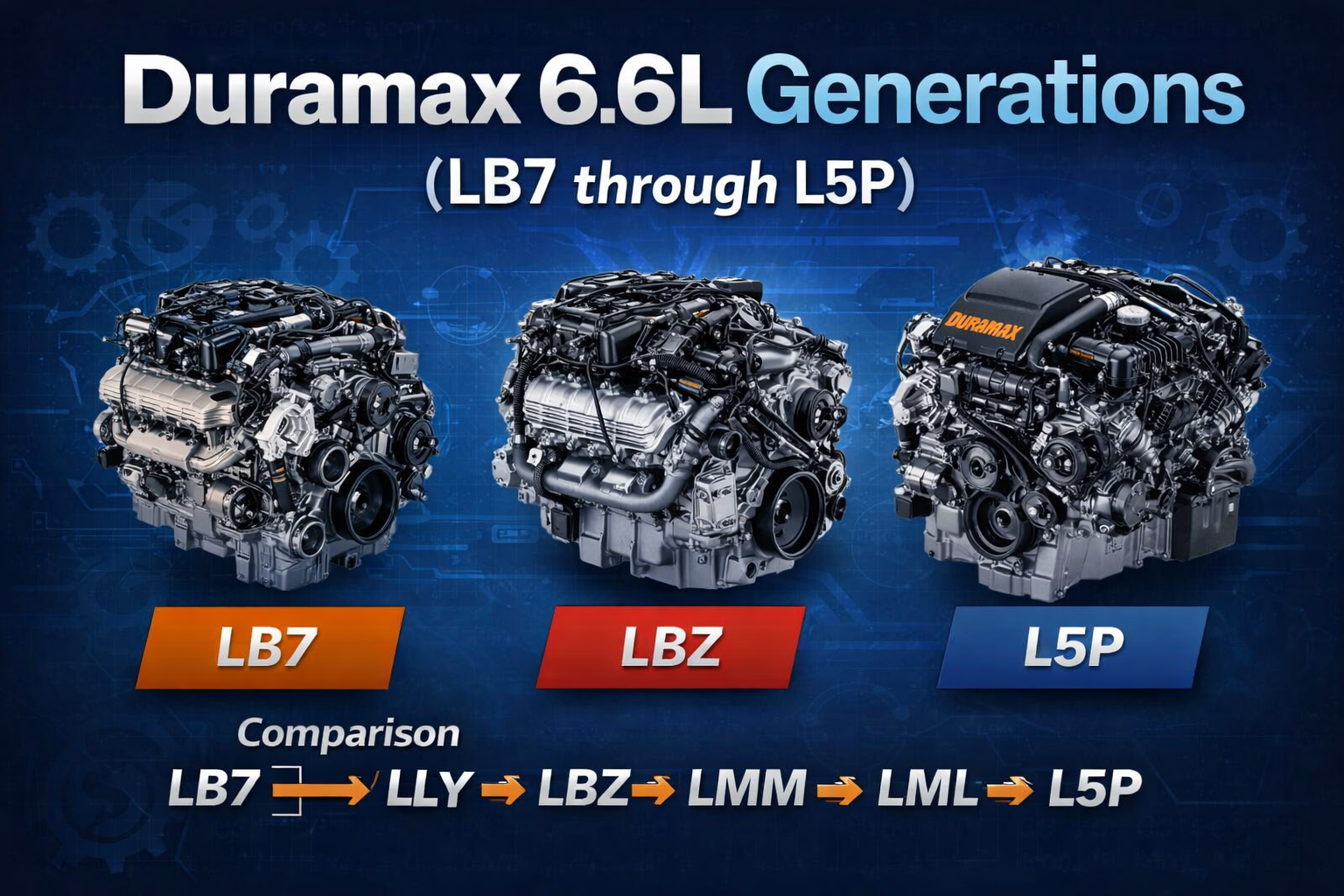
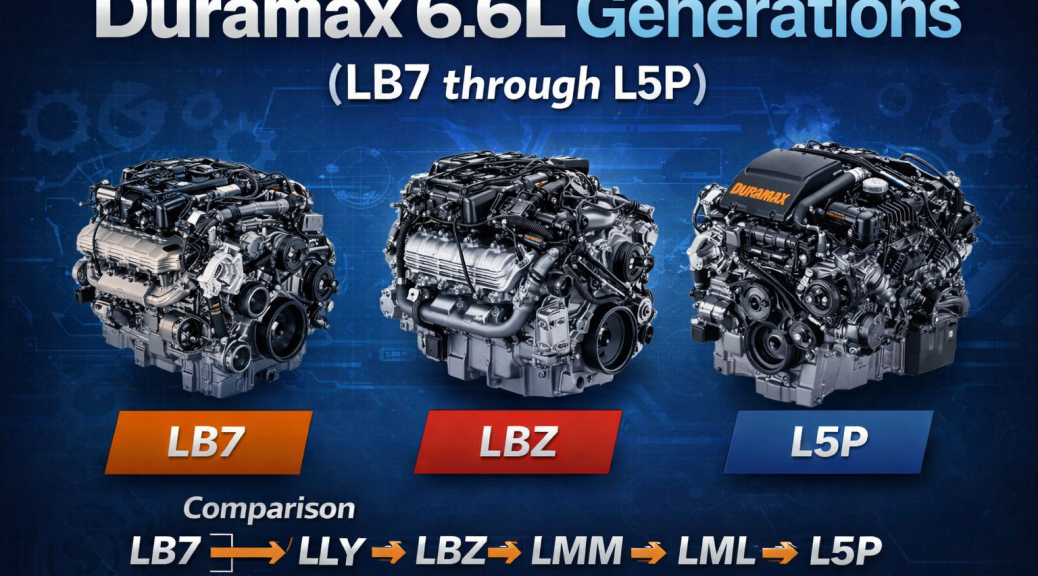
Understanding how the LML compares to other Duramax engines can help you decide if it’s right for you. Here’s a comparison of the LML, LMM (2007.5–2010), and L5P (2017+):
| Engine | Years | Horsepower | Torque | Emissions System | Common Issues |
|---|---|---|---|---|---|
| LMM | 2007.5–2010 | 365 hp | 660 lb-ft | DPF, EGR | DPF clogging, injector failure |
| LML | 2011–2016 | 397 hp | 765 lb-ft | DPF, SCR (DEF), EGR | CP4 pump, DEF system |
| L5P | 2017+ | 445 hp | 910 lb-ft | Advanced SCR, EGR | Few known issues |
LML offers more power than the LMM but suffers from more complex emission systems. The L5P (2017+) is the most reliable and powerful yet, with a better fuel pump and improved emissions design. However, L5P trucks cost more on the used market.
Credit: www.northtexastruckstop.com
Real-world Repair And Ownership Costs
One of the biggest concerns for any used diesel owner is repair cost. Here’s what you can expect if you buy an LML Duramax, especially from a risky year:
- CP4 pump failure: $6,000–$10,000 (complete fuel system replacement)
- DEF heater replacement: $500–$1,500
- EGR valve replacement: $600–$1,200
- Fuel injector replacement: $3,000–$4,000
- Turbocharger replacement: $2,000–$3,500
Some repairs may be covered by warranty or recalls. Always check with a dealer before paying out of pocket.
Tips For Buying A Used Lml Duramax
If you still want an LML, these tips will help you avoid a money pit:
- Choose a 2014–2016 model if possible. These have the fewest problems.
- Avoid trucks with a history of frequent emission repairs or “limp mode” warnings.
- Ask if the CP4 pump has been replaced or upgraded. Trucks with a CP3 conversion or lift pump are more reliable.
- Check for excessive idling hours. Trucks with lots of idle time (like work trucks or plow trucks) often have more emission problems.
- Consider a pre-purchase inspection from a diesel specialist. They can spot hidden problems that a regular mechanic might miss.
Credit: dieselpowerproducts.com
Should You Avoid All Lml Duramax Trucks?
Not every LML Duramax is a bad choice. Many owners drive these trucks for 200,000+ miles with few issues, especially if maintenance is kept up. The key is to avoid risky years (2011, 2013), verify service history, and budget for possible repairs.
If you need a heavy-duty truck and can find a well-cared-for 2014–2016 model, the LML can still be a great value.
However, if you want the highest reliability and lowest emissions hassle, consider a newer L5P Duramax or an older pre-emissions model.
Expert Opinions And Owner Reviews
Many diesel experts and mechanics recommend skipping the 2011 and 2013 LML years because of the high risk of expensive failures. Owner reviews on truck forums, YouTube, and sites like DuramaxForum back this up. Most complaints focus on fuel pump failure and emission system headaches.
At the same time, some owners have driven hundreds of thousands of miles with only minor repairs. Regular maintenance, clean diesel fuel, and proper driving habits make a huge difference.
For more in-depth owner experiences, check out DuramaxForum, where you can read real stories and advice.
Frequently Asked Questions
What Is The Main Problem With The Lml Duramax?
The biggest issue is CP4 high-pressure fuel pump failure. When this pump fails, it can destroy the entire fuel system, costing $8,000 or more to fix. DEF system and EGR valve problems are also common, especially in the 2011 and 2013 models.
Which Lml Duramax Years Are The Most Reliable?
2014, 2015, and 2016 are the most reliable LML years. GM improved the emission system components, electronics, and fuel system during these years. They have fewer complaints about DEF, EGR, and CP4 pump failures.
How Can I Prevent Cp4 Pump Failure?
Use high-quality diesel fuel, add a lubricity additive, and change the fuel filter regularly. Some owners install a CP3 conversion kit or a lift pump to reduce stress on the CP4. However, these upgrades can be expensive and may not be street-legal everywhere.
Is It Safe To Delete The Emissions System On An Lml Duramax?
Deleting emission systems (like the DPF, EGR, or DEF) is illegal for on-road vehicles in the US. It can also cause check engine lights and inspection failures. Only consider this for off-road or race use, and be aware of the risks and penalties.
How Many Miles Can An Lml Duramax Last?
With proper maintenance, many LML Duramax engines last 250,000 miles or more. The most important factors are regular oil changes, good fuel, and timely repairs. Avoiding problem years and checking service history are key to long life.
If you’re planning to buy an LML Duramax, understanding the years to avoid and the most common problems can save you thousands of dollars and many headaches. Choose carefully, get a professional inspection, and enjoy the power and reliability these trucks can offer when properly maintained.