

The Harley-Davidson Shovelhead engine is a legend among motorcycle fans. Built from 1966 to 1984, it powered many iconic bikes and inspired generations of riders. But if you’re thinking about buying a vintage Harley with a Shovelhead, you need to know: not all years are equal. Some models have serious problems that can cost time, money, and frustration. This guide shows you which Shovelhead years to avoid, why they’re risky, and how to make a smart choice for your next classic ride.
Many new buyers think any Shovelhead is a good investment. But hidden issues, design flaws, and reliability problems can turn a dream bike into a headache. I’ve spent years helping riders find and restore Harleys, and I’ve seen the same mistakes over and over.
This article gives clear, practical advice so you can avoid costly errors and find a Shovelhead that’s worth your money.
Understanding The Shovelhead Engine
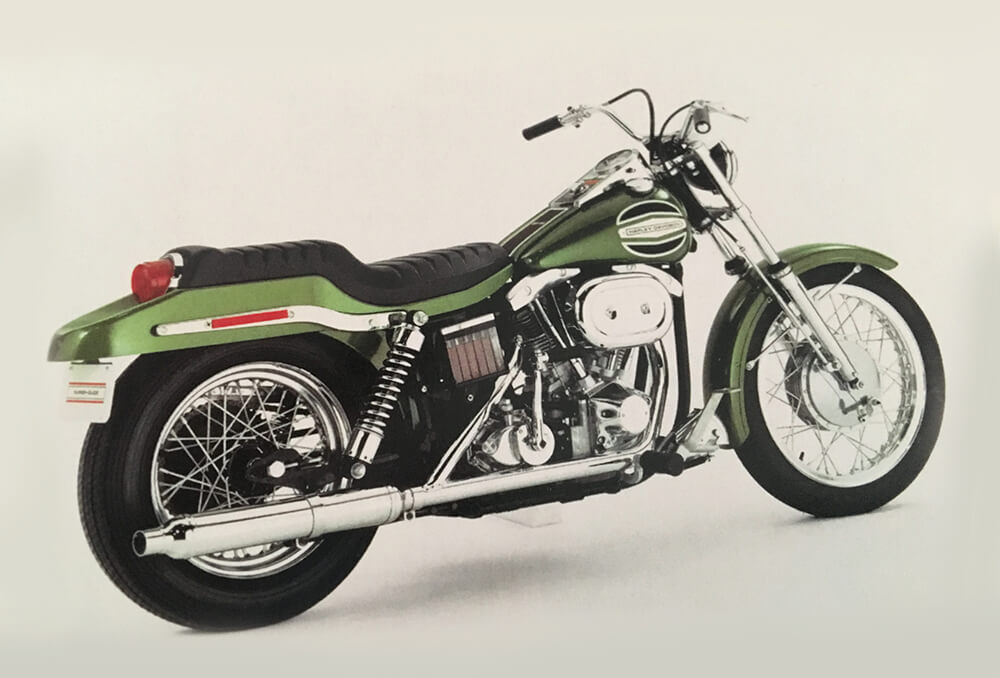
The Shovelhead engine replaced the Panhead in 1966. Its name comes from the shape of the rocker covers, which look like upside-down shovels. This engine was a big step forward for Harley-Davidson, with improved airflow and more horsepower.
Shovelheads came in two main sizes:
- 74 cubic inches (1200cc): Used from 1966 to 1977
- 80 cubic inches (1340cc): Used from 1978 to 1984
These engines powered the Electra Glide, Super Glide, Low Rider, and other famous models. While Shovelheads have a unique look and sound, they also have quirks that can be expensive to fix.
Key Features Of The Shovelhead
- Iron cylinder heads: Strong but heavy, can suffer from overheating
- Improved intake and exhaust flow: More power than the Panhead
- Higher compression ratio: Better performance, but more stress on parts
- Unique rocker covers: The “shovel” shape that gives the engine its name
Why Some Years Are Riskier
Harley-Davidson made many changes to the Shovelhead during its production. Some years had experimental designs or rushed updates. Others suffered from poor quality control during tough times for the company. Buying a risky year can mean engine problems, electrical failures, or hard-to-find parts.
Shovelhead Years To Avoid
If you want a reliable, enjoyable Shovelhead, it’s important to know which years have the most problems. Based on expert experience and real-world data, these are the years you should be careful with:
1970–1972: Early Electrical Issues
Harley-Davidson tried to modernize the Shovelhead in the early 1970s, but these efforts brought new headaches. The generator system was replaced with an alternator, but the design was not fully tested.
Common problems:
- Weak alternators: Fail often, causing electrical issues
- Poor battery charging: Leads to dead batteries, hard starting
- Wire insulation failures: Can cause shorts and electrical fires
If you find a 1970–1972 Shovelhead, check the wiring and charging system carefully. Many owners have replaced these parts, but original bikes are risky.
1978–1979: First 80-inch Models
In 1978, Harley introduced the bigger 80 cubic inch (1340cc) engine. This was a big change, but the new model had growing pains.
Risks include:
- Head gasket failures: The larger engine puts more stress on the gaskets, leading to leaks
- Crankshaft problems: Some bikes had crankshafts that wore out quickly
- Valve seat erosion: Poor materials led to faster wear
Many riders report oil leaks and engine noise on these early 80-inch models. Repairs can be expensive, and original parts are harder to find.
1981–1982: Amf Quality Control Problems
The late 1970s and early 1980s were tough for Harley-Davidson. The company was owned by AMF (American Machine and Foundry), which cut costs and lowered quality. Shovelheads from 1981–1982 have the worst reputation.
Trouble spots:
- Loose tolerances: Engines assembled with poor precision, leading to vibration and early failures
- Cheap materials: Parts break or wear out much faster than normal
- Frequent oil leaks: Many bikes need full engine rebuilds
If you see a Shovelhead from these years, inspect it closely. Many mechanics recommend avoiding these bikes unless you plan a full restoration.
1974–1977: Transition Years
While not as bad as the AMF era, the mid-1970s saw several changes to the Shovelhead design. Harley switched from a drum brake to a disc brake and made updates to the frame and electrical system.
Problems to watch for:
- Brake system confusion: Some models mix old and new parts, making repairs tricky
- Electrical gremlins: New wiring designs were prone to failure
- Frame cracks: The updated frames were not fully tested
Some bikes from these years can be reliable, but many have hidden issues. Always check the VIN and service history before buying.
1984: Final Year, Unique Problems
The last year of the Shovelhead, 1984, is tempting for collectors. But these bikes often have odd parts and designs that are hard to fix.
Issues include:
- Unique electrical system: Different from earlier models, parts can be rare
- Special frame mounts: Designed for the new Evolution engine, not the Shovelhead
- Engine stress: Some bikes saw heavy use before being replaced by newer models
If you want a Shovelhead for daily riding, avoid 1984 unless you have good access to parts and a trusted mechanic.
Why These Years Have Problems
Understanding why certain Shovelhead years are risky helps you avoid mistakes. Harley-Davidson faced tough challenges during these periods.
Amf Ownership
From 1969 to 1981, Harley-Davidson was owned by AMF. The company pushed for higher production and lower costs, but this led to sloppy assembly and cheap parts. Shovelheads built during this time often suffer from:
- Poor machining
- Loose bolts and fasteners
- Cheap gaskets and seals
Rushed Engineering Changes
Harley was under pressure to update their bikes for new safety and emissions rules. Many changes were rushed, leading to:
- Electrical system failures
- Brake system confusion
- Engine overheating
Lack Of Testing
Many new designs were not fully tested before going to market. This meant owners became the “testers,” and many bikes needed major fixes soon after purchase.
Reliable Shovelhead Years
Not all Shovelheads are trouble. Some years are known for their reliability and strong build quality. If you want a safer investment, look for these years:
- 1966–1969: Early models, simple design, fewer electrical problems
- 1973: Improved alternator and electrical system
- 1980: Last AMF year, some improvements before ownership change
- 1983: Good build quality, improved frame and electrical system
These bikes are not perfect, but they usually have fewer major issues than the years to avoid.
Key Differences: Good Vs. Bad Shovelhead Years
To help you compare, here’s a clear look at the main differences between reliable and risky Shovelhead years.
| Year Range | Known Issues | Reliability | Parts Availability |
|---|---|---|---|
| 1966–1969 | Minor electrical, solid engine | High | Good |
| 1970–1972 | Electrical, alternator failures | Low | Medium |
| 1974–1977 | Brake, frame issues | Medium | Medium |
| 1978–1979 | Head gasket, crankshaft | Low | Low |
| 1981–1982 | Quality control, leaks | Very low | Poor |
| 1983 | Minor electrical | High | Good |
| 1984 | Unique parts, engine stress | Medium | Poor |
Common Problems In Bad Shovelhead Years
If you own or are considering a Shovelhead from a risky year, expect some of these issues:
Electrical Failures
Bad wiring, weak alternators, and poor connectors cause:
- Hard starting
- Dead batteries
- Flickering lights
Oil Leaks
Cheap gaskets and loose engine tolerances lead to:
- Oil spots under the bike
- Frequent top-ups needed
- Messy engines and frames
Engine Wear
Poor materials and assembly cause:
- Excessive noise
- Early piston and crankshaft wear
- Expensive rebuilds
Brake Problems
Unreliable brake systems mean:
- Weak stopping power
- Brake fade during riding
- Difficult repairs due to mixed parts

Credit: www.reddit.com
Real-world Examples
Let’s look at some actual cases to see how these problems appear:
- 1979 Electra Glide: Owner reports constant oil leaks, weak brakes, and valve seat wear after only 20,000 miles. Needed a full engine rebuild.
- 1981 Super Glide: Buyer found loose engine bolts and bad wiring. Bike broke down twice in the first month.
- 1972 FLH: Alternator failed three times in two years, leaving the rider stranded.
These stories show how risky years can create major headaches for owners.
How To Identify A Risky Shovelhead
Many buyers don’t know how to spot a problematic bike. Here are some expert tips:
Check The Vin
Harley VINs can tell you the year and model. Look for:
- First two digits: Indicate the year
- Model code: Shows engine and frame type
Inspect The Wiring
Look for:
- Cracked insulation
- Aftermarket repairs
- Signs of melted wires
Examine The Engine
Check for:
- Oil leaks around gaskets
- Loud knocking noises
- Excessive vibration
Ask For Maintenance Records
Reliable bikes usually have:
- Complete service history
- Proof of engine rebuilds
- Upgraded electrical parts
If a seller can’t provide records, be cautious.
Buyer Mistakes To Avoid
Many Shovelhead buyers make the same errors. Learn from their experience:
- Ignoring the year: Don’t assume all Shovelheads are equal. Year matters.
- Overlooking electrical problems: Bad wiring is expensive to fix.
- Not checking for oil leaks: This is a sign of bigger engine issues.
- Buying without inspection: Always see the bike in person.
- Trusting seller promises: Get proof of repairs, not just words.
What To Look For In A Good Shovelhead
If you want a reliable classic Harley, focus on these points:
- Recent engine rebuild: Shows care and investment
- Upgraded electrical system: Reduces risk of breakdowns
- Complete maintenance history: Indicates the bike was loved
- Solid frame and brakes: Avoids safety issues
Shovelhead Value: Does Year Matter?
Yes, the year makes a big difference in value. Reliable years are more expensive, but they hold value better. Risky years are cheaper up front, but repairs can cost more than the bike.
Here’s a comparison of Shovelhead prices by year:
| Year | Average Price (USD) | Condition |
|---|---|---|
| 1967 | $12,000 | Restored |
| 1972 | $8,000 | Needs work |
| 1979 | $7,500 | Fair |
| 1981 | $6,000 | Needs work |
| 1983 | $11,000 | Restored |
| 1984 | $9,000 | Fair |
As you see, bikes from risky years are cheaper, but often need expensive repairs.
Restoration Tips For Risky Shovelhead Years
If you already own a Shovelhead from a risky year, all is not lost. You can make it reliable with smart upgrades:
- Replace wiring harness: Prevents electrical fires
- Upgrade alternator: Improves charging, easier starting
- Install modern gaskets: Stops oil leaks
- Rebuild engine with quality parts: Fixes vibration and wear
- Upgrade brakes: Improves safety
These upgrades cost money, but they turn a risky bike into a reliable one.
Credit: livetoride.com.au
How To Find Reliable Parts
Parts for some Shovelhead years can be hard to find. Here’s how to get what you need:
- Online forums: Connect with other owners for advice
- Specialty shops: Many focus on vintage Harley parts
- Aftermarket suppliers: Offer upgraded electrical and engine parts
- Swap meets: Good for rare or discontinued items
If you own a 1984 model, expect to pay more for unique parts.
Expert Guidance: What Beginners Miss
Many new buyers don’t realize:
- Some Shovelheads have hidden frame cracks: These can be dangerous and expensive to fix.
- Electrical upgrades are often needed: Old wiring causes problems, even if the bike runs well.
- VIN numbers are sometimes altered: Make sure the bike is legal and matches the paperwork.
These issues are easy to miss but can lead to big trouble.
Is It Worth Buying A Risky Year?
This depends on your skills and budget. If you love restoring bikes and have access to good mechanics, a risky year can be a fun project. But if you want a reliable daily rider, stick to proven years.
Ask yourself:
- Do I have time for repairs?
- Can I find parts easily?
- Am I ready for unexpected costs?
If you answer “no” to any of these, look for a safer year.
How To Research Before Buying
Always do your homework. Here’s a simple checklist:
- Search online for reviews and owner reports
- Check the VIN and model codes
- Ask for service history and upgrade details
- Inspect the bike in person, or hire a trusted mechanic
You can learn more about Shovelhead history and specs at Wikipedia.
Top Questions To Ask Sellers
When you find a potential bike, ask these questions:
- Has the engine been rebuilt? When?
- Are the electrical parts original or upgraded?
- Any history of oil leaks or engine noise?
- Are all parts original, or are some aftermarket?
- Can I see the maintenance records?
A good seller will have honest answers.
Frequently Asked Questions
What Makes The Shovelhead Engine Special?
The Shovelhead engine has a unique look and sound. Its rocker covers resemble shovels, giving it a classic Harley style. It’s more powerful than earlier engines and is loved by collectors for its history.
Are All Amf-era Shovelheads Bad?
No, not all AMF-era bikes are bad. Some years, like 1980 and 1983, have better quality. But most bikes from 1981–1982 have more problems due to poor materials and assembly.
Can I Fix A Risky Shovelhead Year Myself?
If you have mechanical skills, you can upgrade many parts. Replacing wiring, gaskets, and worn engine parts makes the bike more reliable. But some issues, like frame cracks, need expert help.
Is A Restored Shovelhead From A Risky Year Worth Buying?
Yes, if it’s fully restored with modern parts and has a clear maintenance history. Restoration can solve most problems. But always check the quality of the work and ask for proof.
Where Can I Find Parts For Older Shovelheads?
Parts are available from specialty shops, aftermarket suppliers, and online forums. Swap meets are good for rare items. Some years, like 1984, need unique parts that can be expensive.

Credit: www.reddit.com
Final Thoughts
Buying a vintage Harley with a Shovelhead engine is a big decision. Not all years are equal, and some have hidden risks that can turn your dream bike into a money pit. Knowing which Shovelhead years to avoid saves you time, cash, and stress. With careful research and smart questions, you can find a classic Harley that’s reliable, fun, and worth showing off. Whether you’re a first-time buyer or an experienced collector, use this guide to make your next Shovelhead purchase a smart one.