For many diesel truck owners, the 6. 2 AFM engine can be both an exciting and intimidating subject. Known for its power, but sometimes for its reliability issues, the 6. 2 AFM engine has a mixed reputation. If you’re considering buying a used truck or SUV with this engine, you probably want to know which years are best avoided.
Making the right choice is important — one wrong move could mean expensive repairs, frustrating downtime, or poor resale value. But with so much information (and sometimes misinformation) online, it’s easy to feel lost.
This article breaks down which 6. 2 AFM years to avoid, why certain years are problematic, and what you should consider before making a decision. We’ll look at the engine’s history, common issues, and how real-world data compares across different model years.
You’ll also find practical advice, expert comparisons, and answers to the most common questions buyers have. Whether you’re a seasoned enthusiast or just starting your research, this guide will help you feel confident about your next step.
Understanding The 6.2 Afm Engine
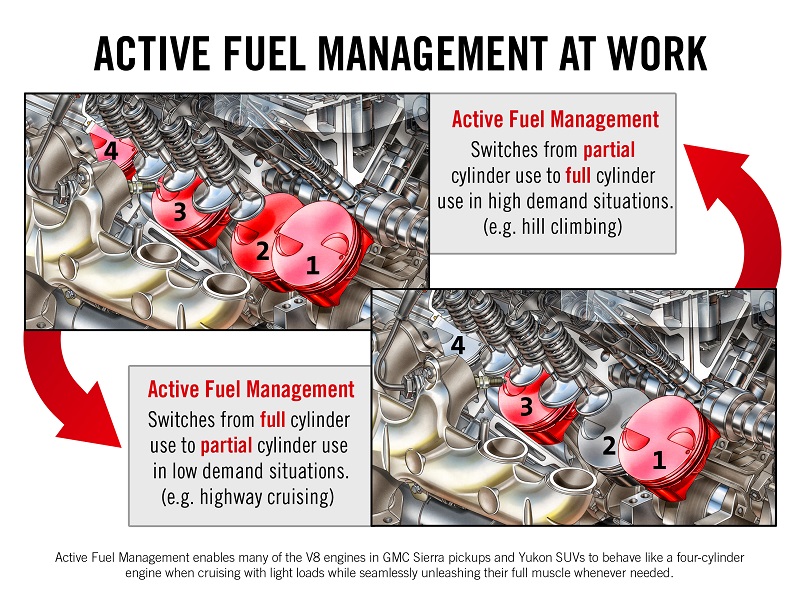
The 6.2 AFM engine refers to a 6.2-liter V8 with Active Fuel Management (AFM) technology, mainly found in GM trucks and SUVs. AFM is GM’s version of cylinder deactivation, which shuts off half the cylinders under light loads to improve fuel economy. While clever on paper, this system has faced criticism for reliability issues, especially in certain years.
The 6.2 AFM was first introduced in the late 2000s and continues in various forms today. Some of the most common vehicles using this engine include the Chevrolet Silverado, GMC Sierra, Cadillac Escalade, Chevrolet Tahoe, and GMC Yukon. The engine is praised for its power and smoothness, but AFM-related problems have made some years notorious among owners and mechanics.
Why Do Some 6.2 Afm Engines Have Problems?
The main issue comes down to the AFM system itself. AFM uses complex lifters, oil passages, and electronic controls to deactivate cylinders. If anything goes wrong—like oil pressure drops, faulty lifters, or dirty oil—the system can fail. This often leads to:
- Lifter failure (one of the most expensive and common problems)
- Excessive oil consumption
- Engine misfires
- Premature camshaft wear
- Low engine compression
Not all years are equally affected. Changes in engine design, manufacturing, and software updates have made some model years far more reliable than others. But for buyers, it’s not always obvious which years to trust.
6.2 Afm Years To Avoid
Now, let’s look at the specific years you should be cautious about if you’re considering a vehicle with the 6. 2 AFM engine.
1. 2007–2009: Early Generation Problems
The earliest 6.2 AFM engines (especially 2007, 2008, and 2009 models) are the most problematic. GM was still refining the AFM technology, and many common issues were not yet addressed. Reports from mechanics and owner forums show a high frequency of lifter failure, oil consumption, and camshaft wear in these years.
Why avoid these years?
- First-generation AFM technology: Less robust, more prone to failure
- Outdated engine control software
- Poor oil control: The engines often burned oil quickly, which increased wear and tear
- Low resale value: Many buyers are now aware of these issues, so prices and demand have dropped
Real-world example: A 2008 GMC Sierra owner reported their lifters failed at 82,000 miles, costing over $3,000 to repair. This story is common for these years.
2. 2010–2013: Persistent Afm Issues
While GM made some improvements, the 2010, 2011, 2012, and 2013 models still suffer from AFM-related problems. The most frequent issue is collapsed lifters, which can lead to engine misfires and damage if not fixed quickly.
Why avoid these years?
- Unresolved lifter problems: GM continued using the same lifter design, which was still prone to failure
- Oil consumption issues continued
- Expensive repairs: Average lifter/camshaft repair still runs over $2,500–$4,000
Example: Multiple 2012 Silverado owners have reported lifter failure under 100,000 miles. Even with better maintenance, the risk remains higher than later models.
3. 2014–2016: Transition Period
These years saw some improvements, but not enough to fully trust the engine. GM started redesigning AFM lifters and oil control systems in 2014, but many vehicles still experienced intermittent AFM failures. Some engines from these years are reliable, but the risk is higher than post-2017 models.
Why avoid these years?
- Inconsistent quality: Some trucks are fine, others have repeated AFM or lifter failures
- Partial improvements: Not all engines received the updated parts
- Uncertainty: It’s hard to tell which vehicles have the “good” parts without a full service history
Non-obvious insight: Many 2015–2016 trucks on the used market may have had partial repairs, but not full lifter or camshaft replacements, which can mask underlying issues.
4. 2017 Onward: Improved, But Not Perfect
Starting in 2017, GM introduced a new generation of the 6. 2 AFM engine with upgraded lifters and better oil control systems. These years are generally much more reliable, but some isolated AFM problems still appear, especially if the truck hasn’t been well maintained.
Why are these years better?
- Redesigned lifters: Less prone to collapse
- Improved oil flow: Helps prevent sludge and lifter failure
- Better engine control software
Caution: Even in the best years, skipping oil changes or using the wrong oil can quickly lead to trouble. Always check the service history for regular maintenance.
Common 6.2 Afm Problems By Year
To help you compare, here’s a breakdown of the most common problems by model year.
| Model Year | Lifter Failure | Oil Consumption | Camshaft Wear | Resale Value |
|---|---|---|---|---|
| 2007–2009 | High | High | High | Low |
| 2010–2013 | High | Moderate | Moderate | Low |
| 2014–2016 | Moderate | Moderate | Low | Moderate |
| 2017–Present | Low | Low | Low | High |
How Afm Problems Affect Your Truck
It’s easy to underestimate the cost and hassle caused by AFM failures. Here’s what you might face if you buy a problematic model year:
- Unexpected breakdowns: A failed lifter or camshaft can leave you stranded.
- High repair costs: AFM repairs often require removing the cylinder heads, which means high labor fees.
- Engine replacement: In severe cases, a failed AFM system can ruin the entire engine, requiring a full rebuild.
- Lower resale value: Trucks with known AFM problems sell for much less on the used market.
One non-obvious risk: Even after repairing a failed lifter, engine damage may have already started, leading to further problems down the road.
Comparison: 6.2 Afm Vs. Non-afm Engines
If you’re open to other options, it’s worth comparing the 6.2 AFM to non-AFM engines. Here’s a quick comparison to help you decide:
| Feature | 6.2 AFM Engine | Non-AFM V8 Engine |
|---|---|---|
| Fuel Economy | Better (AFM active) | Lower |
| Reliability | Can be problematic (certain years) | More reliable |
| Repair Costs | High (if AFM fails) | Lower |
| Performance | Strong | Strong |

Credit: chipyourcar.com
Which Vehicles Are Most Affected?
The 6.2 AFM engine appears in many GM trucks and SUVs. The specific years and models most affected by AFM issues include:
- Chevrolet Silverado 1500 (2007–2016)
- GMC Sierra 1500 (2007–2016)
- Cadillac Escalade (2007–2016)
- Chevrolet Tahoe/Suburban (2007–2016)
- GMC Yukon/Denali (2007–2016)
Not all vehicles from these years are affected, but the risk is higher compared to later models.
Signs Of Afm Problems
If you already own a truck with a 6.2 AFM engine, watch for these early warning signs:
- Tapping or ticking noise from the engine (especially on cold start)
- Check Engine Light (codes related to cylinder misfire or lifter collapse)
- Sudden drop in power
- Blue smoke from the exhaust (indicates oil burning)
- Irregular oil levels (needing to add oil between changes)
Addressing these symptoms early can reduce the risk of serious damage.
How To Avoid Buying A Problem Truck
If you want a used truck with a 6.2 AFM, you don’t have to avoid all of them. Here’s how to reduce your risk:
- Check the VIN and service history: Ask for records showing regular oil changes and major repairs. Trucks with consistent service are less likely to have AFM problems.
- Inspect for AFM delete kits: Some owners install AFM delete kits, which can solve the reliability problem but may affect emissions and resale value. Check for any modifications.
- Bring a mechanic: Have a trusted mechanic perform a compression test and listen for lifter noise.
- Look for post-2017 models: If your budget allows, choose 2017 or newer trucks, which have the upgraded AFM system.
- Read owner forums: Real-world experiences can reveal patterns that don’t show up in dealer records.
Expert tip: Trucks from the problematic years that have already had a full lifter and camshaft replacement (with proof) can be as reliable as newer models.
Maintenance Tips For 6.2 Afm Engines
If you already own a 6.2 AFM engine, regular maintenance is the key to long life. Here’s what experts recommend:
- Use high-quality oil: Always use the oil type and weight recommended by GM. AFM systems are sensitive to oil pressure and cleanliness.
- Shorter oil change intervals: Change oil every 5,000 miles or sooner, not the maximum interval suggested by the manufacturer.
- Check for software updates: Ask your dealer about engine control module updates, which can improve AFM performance.
- Listen for unusual noises: Early detection of lifter noise or ticking can prevent bigger problems.
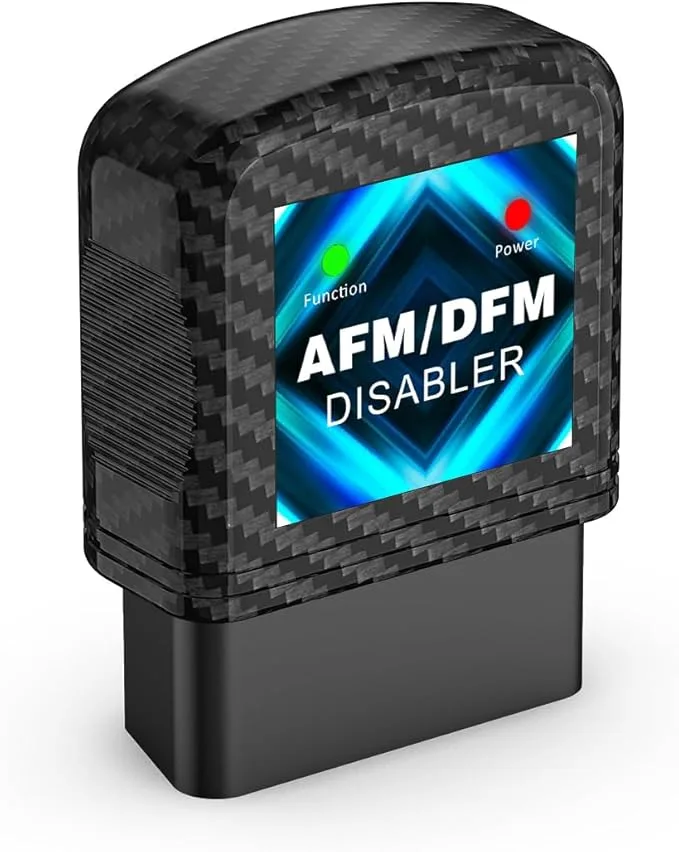
- Consider AFM delete: In some cases, deleting the AFM system entirely (using a kit) can solve persistent problems, though this may not be legal in all areas due to emissions rules.
Pro tip: Using a high-quality oil filter is just as important as the oil itself. Cheap filters may not provide enough protection for the AFM system.
What If You Already Own A “problem Year” Truck?
Don’t panic if you own a 2007–2016 6.2 AFM engine. Many trucks run for years without serious problems. Here are some steps to protect your investment:
- Stay ahead on maintenance: Never delay oil changes or ignore engine noises.
- Plan for repairs: Set aside savings for possible lifter or camshaft replacements.
- Monitor oil use: If you see a sudden rise in oil consumption, have the engine checked immediately.
- Consider resale timing: Trucks in known “problem” years may lose value quickly after 100,000 miles.
- Be honest with buyers: If you sell, provide full service records and disclose any AFM-related repairs.
How Gm Responded To Afm Problems
GM has acknowledged AFM reliability problems, especially in the first-generation engines. Over the years, they’ve issued technical service bulletins (TSBs), updated parts, and made software changes to address the issues. However, not every vehicle received these updates, especially older used trucks.
Important detail: Even though GM improved the AFM system after 2017, the company did not issue a universal recall for affected vehicles. This leaves many owners responsible for repair costs.
For official information on GM’s AFM system, you can visit the Wikipedia: Active Fuel Management page.
Credit: www.onallcylinders.com
Real-world Owner Experiences
Many truck owners share their experiences online, and some patterns are clear:
- Owners of 2007–2013 trucks often report lifter failure between 70,000–120,000 miles.
- Some 2014–2016 owners have never seen AFM problems, while others have faced repeated failures.
- Post-2017 owners rarely report AFM issues, especially with good maintenance.
Non-obvious insight: Trucks used for heavy towing or city driving often suffer more AFM problems, since these conditions stress the system more than steady highway driving.
Cost Breakdown: Common Repairs
Here’s a look at typical repair costs for 6.2 AFM issues:
| Repair | Estimated Cost (Parts & Labor) | Time in Shop |
|---|---|---|
| Lifter Replacement | $2,500–$4,000 | 2–4 days |
| Camshaft Replacement | $2,800–$5,000 | 3–5 days |
| AFM Delete Kit Installation | $1,200–$2,500 | 1–2 days |
| Engine Replacement | $7,000–$12,000 | 1–2 weeks |
These numbers highlight why it’s important to avoid problematic years if possible.
Should You Avoid All 6.2 Afm Engines?
Not necessarily. The 6. 2 AFM engine offers excellent performance and fuel efficiency, especially in newer models. If you choose the right year and keep up with maintenance, it can be a strong, reliable choice. However, for buyers on a tight budget or who cannot risk expensive repairs, a non-AFM engine or a post-2017 model is safer.
What To Do If You Must Buy An Older Model
Sometimes, budget or availability means you can’t avoid a 2007–2016 truck. In these cases:
- Get a pre-purchase inspection from a mechanic with experience on GM V8s.
- Ask for repair history: Trucks with documented lifter or camshaft replacements (with upgraded parts) are lower risk.
- Negotiate price: Use the risk of AFM failure as a bargaining chip.
- Consider an AFM delete kit: If legal in your area, this can prevent future failures.
Expert advice: Trucks used mostly for highway driving tend to have fewer AFM issues due to more consistent oil pressure and lower stress.
Credit: www.marinmazda.net
Frequently Asked Questions
What Is The Main Cause Of 6.2 Afm Engine Problems?
The biggest issue is lifter failure caused by the AFM system. Poor oil quality, missed oil changes, or a faulty lifter design can lead to this problem. Once lifters collapse, they can damage the camshaft and other engine components.
Which 6.2 Afm Years Are Safest To Buy?
Generally, 2017 and newer models are the safest to buy. These years have redesigned lifters, improved oil systems, and fewer reported AFM failures. Always check for a complete maintenance history, no matter the year.
Can Afm Problems Be Fixed Permanently?
In many cases, installing an AFM delete kit can solve the problem. This disables cylinder deactivation, making the engine run on all cylinders all the time. However, this may affect emissions compliance and warranty coverage.
How Can I Tell If A Used Truck Has Afm Problems?
Listen for ticking noises, check for engine warning lights, and look for blue smoke from the exhaust. Always have a mechanic do a compression test and check for fault codes before buying.
Does Gm Cover Afm Failures Under Warranty?
Most AFM issues appear after the factory warranty has expired. GM has not issued a recall, but some extended warranties or goodwill programs may help. Always ask your dealer about coverage before paying for repairs.
Choosing the right 6. 2 AFM engine year is about balancing performance, risk, and cost. By understanding which years to avoid, what problems to expect, and how to protect your investment, you can make a decision that keeps you on the road — and out of the repair shop.
With careful research and a little luck, your next truck can provide years of strong, reliable service.