Buying a used car is often a mix of excitement and worry. You want to find a great deal, but you also want to avoid costly mistakes. If you are thinking about a Saturn Vue, you’re not alone. The Vue was Saturn’s first SUV and became popular for its price, space, and unique style. But not every Saturn Vue is the same. Some years brought problems that can turn a bargain into a headache. Knowing which Saturn Vue years to avoid is key if you want a reliable ride without surprises.
This guide will walk you through the worst Saturn Vue years, explain what went wrong, and show you which models are safer picks. You’ll get clear data, real owner experiences, and practical advice to help you buy with confidence.
A Quick Look At The Saturn Vue
The Saturn Vue debuted in 2002 as a compact SUV, aiming to offer affordable family transport with a splash of personality. Over its two generations (2002–2007, 2008–2010), it sold more than half a million units in the US. Early Vues were known for their plastic body panels, while later models featured more standard steel construction and a new look.
Buyers liked the Vue’s roomy interior, available V6 engines (some from Honda), and easy driving feel. But reliability varied widely depending on the year and engine. Some models were praised for durability, while others became infamous for mechanical faults.
Why Certain Years Should Be Avoided
Not every Vue is built equal. Some years have a high number of complaints, recalls, and expensive problems. Common trouble spots include:
- Transmission failure (especially the CVT and VTi automatic)
- Engine issues such as timing chain failure
- Electrical problems that affect starting or lighting
- Suspension and steering problems
- Interior and trim issues (rattles, leaks, worn controls)
These faults can lead to expensive repairs or leave you stranded. By learning which years have these problems, you can avoid a lot of stress and costs.
Saturn Vue Generations And Key Changes
Understanding the Vue’s history makes it easier to spot risky years. Here’s a quick breakdown:
| Generation | Model Years | Key Features |
|---|---|---|
| First Generation | 2002–2007 | Plastic body panels, GM Ecotec I4, Honda V6 (2004–2007), CVT or 5-speed auto, manual option |
| Second Generation | 2008–2010 | Rebadged Opel Antara, improved safety, V6 and I4, traditional automatics, more upscale design |
The first generation Vue (2002–2007) is where most problems lie. The second generation (2008–2010) is generally more reliable, but not completely trouble-free.
The Saturn Vue Years To Avoid
Let’s focus on the years that bring the most risk. These are based on owner reports, recalls, expert reviews, and NHTSA complaint data.
1. 2002 Saturn Vue
The very first year of the Vue is one to avoid. As with many new models, it suffered from early design flaws.
Common Issues:
- VTi CVT transmission failure (especially in 4-cylinder models)
- Engine stalling and rough idle
- Electrical gremlins (dash lights, locks, radio)
What went wrong? The new VTi transmission was not fully tested in real-world conditions. Many failed as early as 50,000 miles, often with repair bills over $3,000. Some owners faced repeat replacements.
2. 2003 Saturn Vue
Problems continued in 2003, especially for the 4-cylinder automatic models.
Common Issues:
- Transmission breakdowns (same VTi CVT)
- Steering shaft and column failures
- Water leaks into the interior
What went wrong? Saturn did not resolve the VTi issues, so breakdowns persisted. Water leaks often led to mold and electrical shorts.
3. 2004 Saturn Vue
This year is a mixed bag. The V6 models improved thanks to a new Honda-sourced engine and automatic transmission, but the 4-cylinder VTi models remained risky.
Common Issues:
- VTi CVT failures (4-cylinder only)
- Timing chain problems (3.0L V6)
- Suspension noise
What went wrong? Saturn began phasing out the VTi, but many early 2004s still had them. The new V6 was solid, but some 3.0L engines saw timing chain failures.
4. 2005 Saturn Vue
By now, the VTi was gone, but new problems appeared.
Common Issues:
- Ignition switch failures (car won’t start)
- Power steering loss
- Interior rattles and trim failures
What went wrong? Saturn switched to a more reliable transmission, but electrical and interior quality issues became common.
5. 2006 Saturn Vue
Known for ignition system recalls and ongoing electrical bugs.
Common Issues:
- Ignition switch defects (linked to GM’s wider recall crisis)
- A/C failure
- Body control module faults
What went wrong? Faulty ignition switches could cause sudden engine shutoff. The A/C and body control modules were also failure-prone.
6. 2007 Saturn Vue
The last year of the first generation saw fewer major breakdowns but still suffered from quality lapses.
Common Issues:
- Steering shaft and rack noise
- Transmission solenoid issues
- Dashboard cracking
What went wrong? Many 2007 Vues developed annoying noises and minor failures, which, while not catastrophic, reduced satisfaction and resale value.
7. 2008 Saturn Vue
The second generation started with high hopes but had teething troubles.
Common Issues:
- Transmission shudder and failure (especially 6T70 automatics)
- Engine oil leaks
- Electronic stability control faults
What went wrong? The new 6-speed automatic sometimes developed harsh shifting or failed early. Some owners reported repeated trips to the dealer for sensor resets.
—
Not every Saturn Vue from these years will have problems, but your odds of trouble are much higher. If you see a low-priced Vue from these years, check service records and have a mechanic inspect it closely.
The Worst Problem: The Vti Cvt Transmission
If there’s one thing Saturn Vue owners warn about, it’s the VTi CVT transmission (used from 2002 to early 2005 in 4-cylinder automatics). This gearbox was an early attempt at a continuously variable transmission for small SUVs.
Why was it so bad?
- High failure rates: Many failed before 100,000 miles.
- Expensive to replace: Cost over $3,000–$4,000, often more than the car’s value.
- No easy fix: Rebuilt units were rare, and used replacements had the same flaws.
How to spot one: Look for 4-cylinder Vues from 2002–2005 with “CVT” or “VTi” listed in the specs. If you’re not sure, check the gear shifter: the VTi had a unique “Low” gear setting.
Pro tip: Even if a VTi transmission has already been replaced, there’s a risk the new one will fail again. Many mechanics recommend avoiding these models completely.
Saturn Vue Years That Are Safer Choices
If you like the Vue’s style and price, some years are much less risky. Here are the best years for used Saturn Vue shoppers:
2006–2007 V6
These late first-generation models with the Honda V6 and 5-speed automatic are praised for reliability. The V6 is powerful and smoother than the base engine.
- Fewer transmission issues
- Better resale value
- Easier to find parts
2008–2010 (second Generation)
The final Vues are built on a European platform, with improved safety and more refined interiors.
- No VTi transmission
- Modern features (stability control, curtain airbags)
- Lower complaint rates
Note: Even these models should be checked for recall completion (especially ignition switch and airbag recalls).
A Deeper Look: Common Saturn Vue Problems By Year
Let’s break down the most frequent and costly Vue problems by model year. This helps you compare what to expect if you consider a specific year.
| Year | Major Problem Areas | Estimated Repair Costs |
|---|---|---|
| 2002–2003 | VTi transmission, electrical, steering | $2,500–$4,500 (transmission), $300–$900 (steering) |
| 2004 | VTi transmission, timing chain, suspension | $3,000–$4,500 (transmission), $1,200 (timing chain) |
| 2005–2006 | Ignition switch, power steering, interior | $400–$1,000 (ignition/power steering) |
| 2007 | Steering, transmission solenoid, dashboard | $500–$900 (steering/solenoid) |
| 2008–2010 | Transmission, oil leaks, stability control | $1,200–$2,000 (transmission), $600–$1,000 (oil leaks) |
Non-obvious tip: Parts for the Honda V6 engine (2004–2007) are sometimes more expensive than for the base engine, but the reliability makes up for it.
How To Check A Used Saturn Vue For Problems
If you’re still interested in buying a Saturn Vue, being careful can save you thousands. Here’s what smart buyers do:
- Check the transmission type: Avoid any 2002–2005 Vue with a VTi CVT.
- Look for recall completion: Ask the seller for proof all recalls (especially ignition switch and airbag) are done.
- Inspect for leaks and electrical faults: Water in the cabin or flickering dash lights are warning signs.
- Test drive carefully: Listen for clunks, rattles, or delayed shifting. Make sure all electronics work.
- Get a pre-purchase inspection: A trusted mechanic can spot hidden issues.
- Check service records: Regular oil changes and transmission service are a good sign.
Non-obvious insight: Many used Saturn Vues have been through several owners, so paperwork is often missing. If records are incomplete, budget extra for repairs just in case.
Alternatives To The Saturn Vue
If you want a used compact SUV but are unsure about the Vue, there are several alternatives known for reliability.
- Honda CR-V (2002–2010): Known for bulletproof engines and smooth automatics.
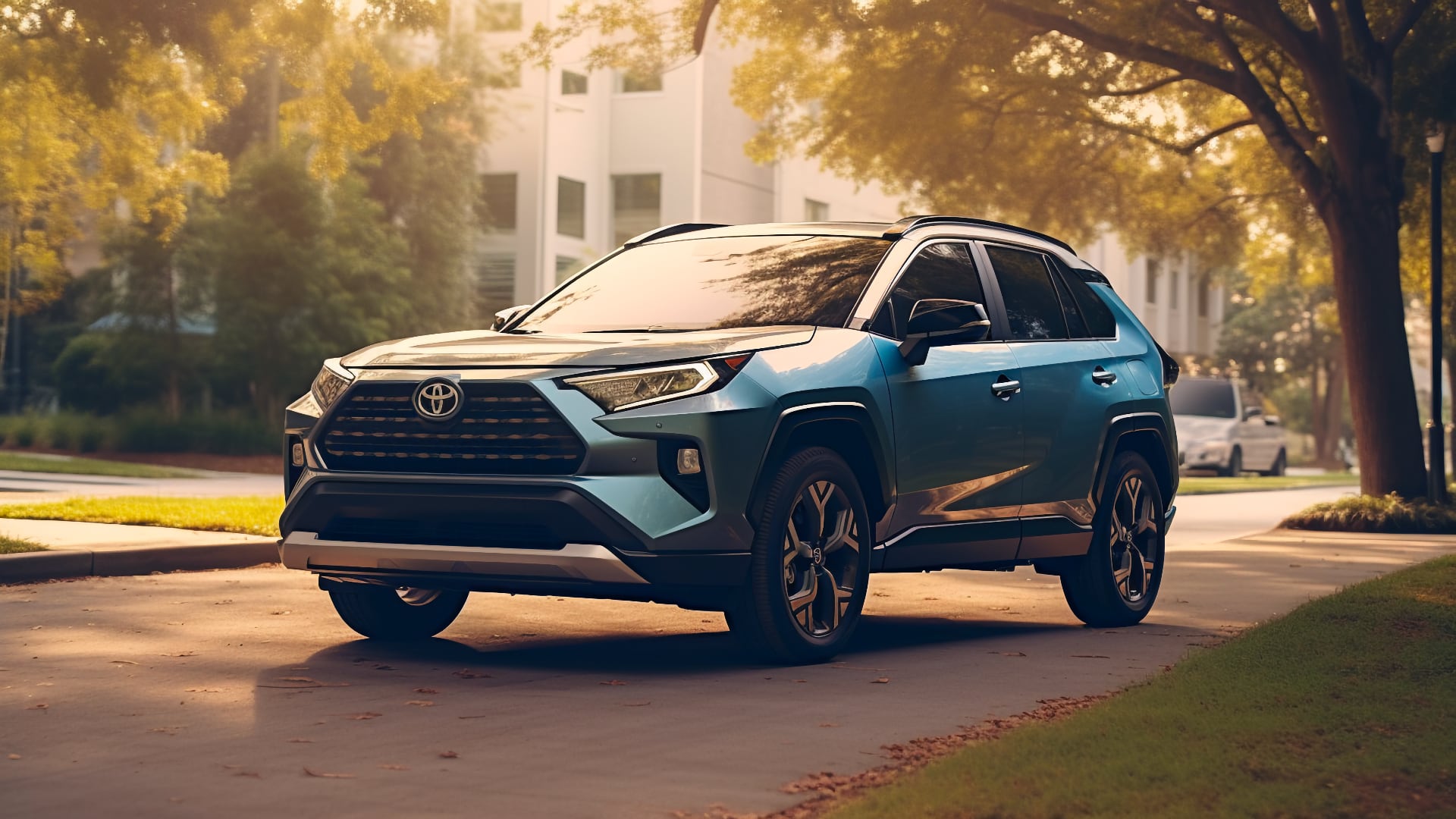
- Toyota RAV4 (2001–2010): Reliable, good resale value, easy to maintain.
- Ford Escape (2005–2012): Later models improved, especially the V6.
- Hyundai Tucson (2005–2010): Affordable, with improving quality each year.
These models may cost more than a Saturn Vue upfront, but often save money in repairs.
Real Owner Experiences
Hearing from actual Saturn Vue owners gives you a window into what to expect. Here are some examples:
- Transmission disaster: “I bought a 2003 Vue for $2,500. At 90,000 miles, the VTi failed. My mechanic said repairs would cost more than the car was worth. I sold it for parts and lost most of my money.” – Jason, OH
- Great with the right engine: “My 2007 Vue V6 has 180,000 miles. No major problems, just regular maintenance. I would buy another if I could find one.” – Maria, TX
- Electrical headaches: “The 2005 Vue had constant problems with door locks, windows, and the dash. I spent $800 fixing electrical issues in the first year.” – Steve, MI
- Second gen success: “My 2009 Vue XR is much better built than the older models. No major problems in 5 years, just oil changes and brakes.” – Priya, CA
Insight: Owners who avoided the VTi transmission and kept up with maintenance often had good experiences. Those who bought cheap, high-mileage Vues with spotty service history usually regretted it.
Credit: rerev.com
How The Saturn Vue Compares To Other Used Suvs
It’s useful to see how the Vue stacks up against its main rivals in terms of reliability, repair costs, and safety.
| Model | Reliability (1–5) | Average Repair Cost | Key Weaknesses |
|---|---|---|---|
| Saturn Vue | 2.5 | $500/year | Transmission, electrical, ignition |
| Honda CR-V | 4.5 | $400/year | AC compressor, door locks |
| Toyota RAV4 | 4.7 | $375/year | Exhaust, water pump |
| Ford Escape | 3.7 | $450/year | Transmission (early years), electrical |
Key takeaway: The Vue is cheaper to buy but often more expensive to repair. Honda and Toyota models cost more upfront but last longer and need fewer major fixes.
Red Flags When Shopping For A Used Saturn Vue
Used Vues can look like a bargain, but some warning signs should make you walk away.
- No service records
- Transmission shifts late or slips
- Warning lights on dash (especially “Check Engine” or “Service Transmission”)
- Wet carpets or musty smell
- Unusual noises from steering or suspension
- Multiple owners in a short time
If you see any of these, it’s better to keep looking. There are plenty of other SUVs in the market.
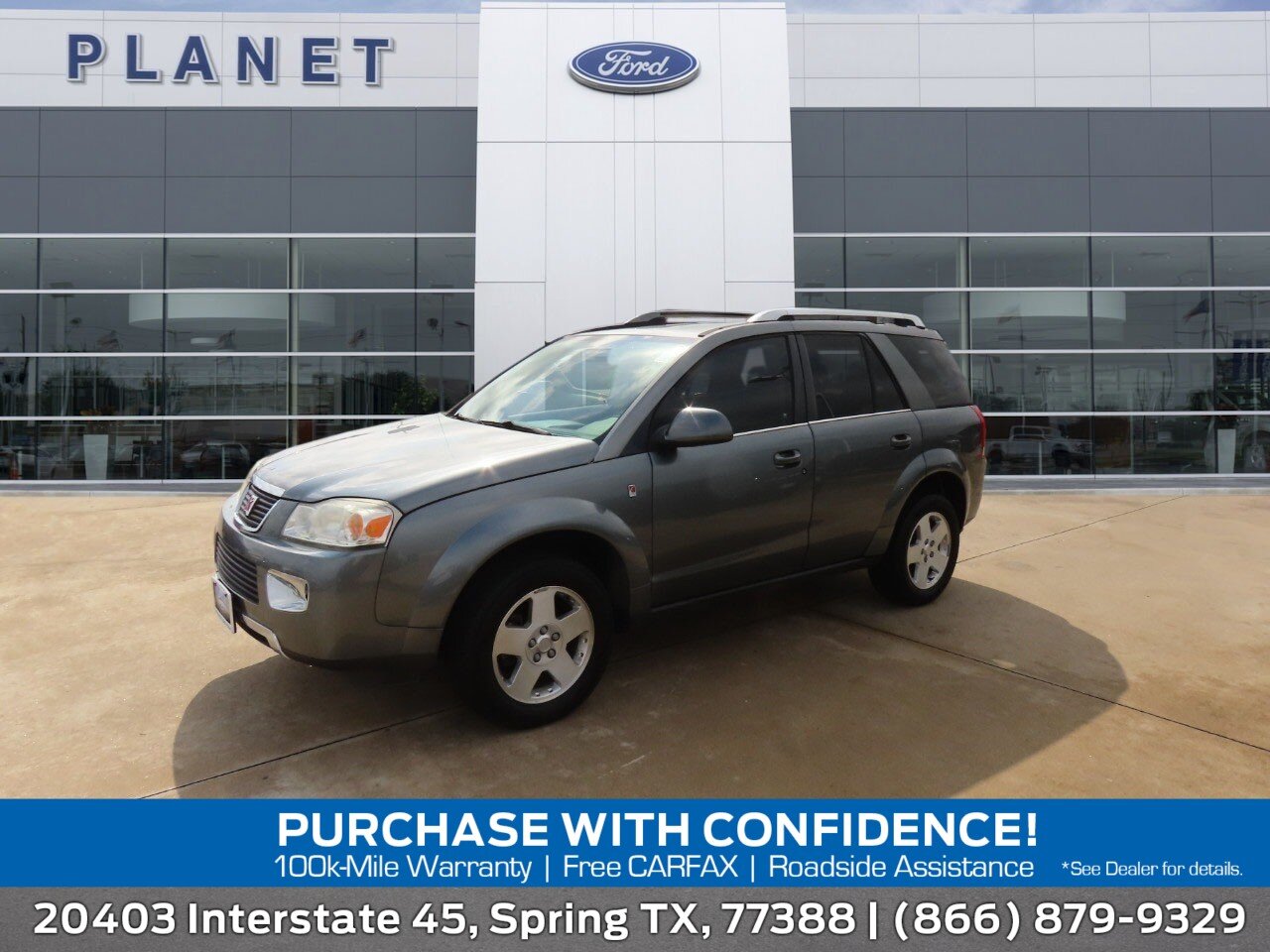
Credit: www.planetford45.com
How To Make A Smart Purchase
If you still want a Saturn Vue, here are steps to protect yourself:
- Choose the right year: Stick to 2006–2007 V6 or 2008–2010 models.
- Buy from a reputable seller: Prefer private owners with service records or established dealers.
- Get a thorough inspection: This is worth every dollar.
- Negotiate based on condition: If small issues are found, ask for a lower price.
- Consider an extended warranty: Some third-party plans cover Vues, but check the fine print for exclusions.
Tip: A Vue with a clean Carfax and regular maintenance is much safer than a random low-mileage “deal” with a sketchy history.
Is A Saturn Vue Ever A Good Buy?
The Saturn Vue can be a good value if you buy the right year and engine. If you find a 2007 V6 with proof of regular maintenance, it may give you years of reliable service for less money than a Honda or Toyota.
But the risks are higher with early models and anything with a VTi CVT.
Smart buyers do their homework, get inspections, and avoid deals that look too good to be true. The Vue’s low resale value is a double-edged sword: you can save upfront, but only if you avoid the problem years.
Credit: solowheelsjourney.com
Frequently Asked Questions
Which Saturn Vue Years Have The Worst Transmission Problems?
The 2002–2004 Saturn Vue with the 4-cylinder VTi CVT transmission are the worst for transmission problems. Many failed before 100,000 miles, and repairs are expensive. Even 2005 models can be risky if they have the VTi.
Is The Saturn Vue A Reliable Used Suv?
Some Vue models are reliable, especially the 2006–2007 V6 and 2008–2010 second generation. However, early models with the VTi transmission and some with electrical issues are not recommended. Always check the car’s history and get an inspection.
What Is The Best Engine Option For The Saturn Vue?
The Honda 3.5L V6 used from 2004–2007 is considered the best engine for the Vue. It’s powerful and has a good track record for reliability. The base 4-cylinder is less powerful and, in early years, paired with the unreliable VTi transmission.
Are Saturn Vue Parts Hard To Find?
While Saturn as a brand is gone, most common parts for the Vue are still available. Engines, brakes, and suspension parts can be found online or at major auto stores. Some interior and trim pieces are harder to find, especially for the first generation.
Where Can I Find More Information On Saturn Vue Recalls And Safety Data?
You can check official recall and safety information at the National Highway Traffic Safety Administration (NHTSA) website. It has up-to-date lists of recalls, complaints, and crash test results for every Saturn Vue year.
Buying a used car is a big decision. By understanding which Saturn Vue years to avoid and why, you can make a smart purchase and enjoy a vehicle that fits your needs and budget. Take your time, ask questions, and always get a professional opinion before handing over your money.
The right research now can save you thousands later.