The Chevrolet Cruze was once a top choice for drivers wanting a compact, practical sedan. With its modern design and promise of good value, it quickly found a place in city streets and highways around the world. However, not every Cruze model year lived up to the reputation. Some years brought headaches instead of reliability, leaving owners with costly repairs and regrets. If you’re thinking about buying a used Chevrolet Cruze, knowing which years to avoid can save you time, money, and stress.
This guide cuts through confusing information. You’ll learn which Cruze years are best avoided, why certain years have problems, and how to spot hidden trouble. Along the way, you’ll get real examples, data, and practical advice. Whether you’re a first-time car buyer or looking for a trustworthy upgrade, this article helps you make a smart, confident decision.
Understanding The Chevrolet Cruze Legacy
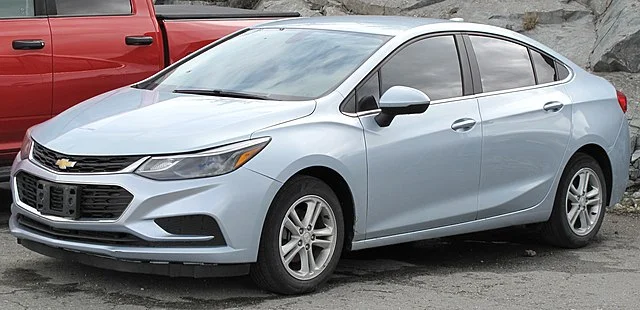
The Cruze first arrived in the U. S. in 2011, replacing the aging Chevrolet Cobalt. It promised better safety, fuel efficiency, and a more refined drive. Over the years, the Cruze came in both sedan and hatchback forms, and with gasoline and diesel engines.
Production continued until 2019, when changing market trends led Chevrolet to stop making the model in North America.
While many Cruze owners enjoyed years of reliable use, others found themselves dealing with engine failures, electrical glitches, and recalls. The Cruze’s reputation is mixed: some years are praised for durability, while others are infamous for expensive problems. Understanding the Cruze’s history helps you see why certain years stand out—for good or bad.
Chevrolet Cruze: Quick Generational Overview
Before diving into problem years, it helps to know how the Cruze changed over time. Here’s a quick look at the main generations:
| Generation | Model Years | Main Features |
|---|---|---|
| First (J300) | 2011–2015 | Boxier design, 1.8L & 1.4L turbo gas engines, early infotainment |
| Second (J400) | 2016–2019 | Sleeker look, improved interiors, turbo & diesel options, advanced tech |
Each generation brought changes, but also new challenges. Most “years to avoid” are in the first generation, though later models had their own issues.
Chevrolet Cruze Years To Avoid
Some Cruze years are riskier than others. Based on owner reports, recall data, and repair statistics, these are the Chevrolet Cruze years you should avoid:
- 2011
- 2012
- 2013
- 2014
Let’s look at what makes these years problematic.
2011 Chevrolet Cruze: A Rocky Start
The 2011 Cruze was Chevrolet’s big step forward, but early models often had big problems. Buyers expected modern engineering but got frequent breakdowns instead.
Common Issues:
- Engine problems: Overheating, stalling, and even total engine failure. Many owners reported the “Check Engine” light coming on soon after purchase.
- Coolant leaks: The 1.4L turbo engine is especially known for leaking coolant, causing overheating.
- Transmission trouble: Automatic transmission failures sometimes happened before 100,000 miles.
- Water pump failures: Early water pump leaks could lead to expensive engine damage if ignored.
- Electrical glitches: Faulty power steering and window motors frustrated many drivers.
Example: One owner reported needing a new engine just outside of warranty due to coolant loss—a repair costing over $4,000.
Why Avoid?
The 2011 Cruze combined new-car bugs with widespread mechanical failures. Even if you find a well-maintained one, hidden issues may appear later.
2012 Chevrolet Cruze: Persistent Problems
The 2012 model fixed some early mistakes but kept many of the same design flaws.
Common Issues:
- Coolant system leaks: Radiator, hoses, and thermostat housing were frequent trouble spots.
- Turbocharger issues: The small turbo engine often failed prematurely, leading to poor power and oil leaks.
- Electric system faults: Touchscreens, sensors, and even door locks sometimes stopped working.
- Transmission hesitation: Delayed shifting or “slipping” was common, hurting both performance and confidence.
Non-obvious insight: Many owners didn’t realize the Cruze’s coolant leak could destroy the engine if not fixed quickly. Some leaks were slow and hard to spot, making regular checks essential—but few used car buyers do this.
Why Avoid?
Too many repeated, expensive failures and a lack of long-term reliability make the 2012 Cruze a risky buy.
2013 Chevrolet Cruze: Recalls And Repairs
Chevrolet worked to improve the Cruze, but the 2013 model is still known for major headaches.
Common Issues:
- Engine fires: Over 290,000 Cruzes were recalled for engine shield problems that could trap oil and cause fires.
- Turbo and cooling system: Continued leaks and turbo failures, often leading to engine overheating.
- Transmission woes: Jerky shifting and sudden loss of drive, sometimes in the middle of traffic.
- Recall overload: The 2013 Cruze had multiple recalls—owners sometimes had to visit the dealer several times a year.
Example: A recall for the engine shield required a dealer visit to remove the shield, but some owners had fire risks even after the fix.
Why Avoid?
The 2013 Cruze is often in the shop for recalls and repairs. It’s not worth the risk, even if the price looks good.
2014 Chevrolet Cruze: Problems Continue
You might expect a fourth-year model to be reliable. Sadly, the 2014 Cruze kept many of the same costly issues.
Common Issues:
- Diesel engine problems: The new diesel option had injector failures and emissions system faults.
- Gas engine leaks: Coolant and oil leaks were still common in both 1.4L turbo and 1.8L engines.
- Infotainment glitches: Bluetooth, touchscreen, and backup camera failures became more common as these cars aged.
- Stalling and hesitation: Some drivers had sudden power loss, especially when merging or passing.
Non-obvious insight: The 2014 Cruze’s problems often appeared after 60,000 miles—just when many used buyers expect trouble-free driving. This means you might not see issues on a test drive but could face expensive repairs soon after purchase.
Why Avoid?
Too many risks for a car of this age and price. Other compact cars from 2014 are usually more reliable.
Years With Fewer Problems
Not every Cruze year is a disaster. Some later years are much better:
- 2015: Most early problems addressed, but still check for coolant leaks.
- 2016–2019: Second generation Cruze is more reliable, with better engines and fewer recalls. The 1.4L turbo is improved, and the diesel is generally trouble-free.
Here’s a quick comparison of Cruze years based on owner complaints and recall frequency:
| Year | Owner Complaints (approx.) | Major Recalls | Overall Reliability |
|---|---|---|---|
| 2011 | 900+ | 6 | Poor |
| 2012 | 800+ | 5 | Poor |
| 2013 | 750+ | 5 | Poor |
| 2014 | 650+ | 4 | Below Average |
| 2015 | 400+ | 3 | Average |
| 2016 | 200+ | 2 | Good |
| 2017 | 180+ | 1 | Good |
| 2018 | 120+ | 1 | Very Good |
| 2019 | 90+ | 1 | Very Good |
Years with the fewest complaints (2016–2019) are your safest bet.
Most Common Chevrolet Cruze Problems
Understanding what goes wrong helps you avoid trouble. Here are the top issues across all problematic Cruze years:
1. Coolant System Leaks
Leaking coolant is the Cruze’s most infamous problem. The 1.4L turbo engine is especially at risk. Common sources include the water pump, thermostat housing, and radiator. Left unchecked, leaks can cause overheating, warped heads, or total engine failure.
Tip: Always check for coolant smell, puddles under the engine, or warning lights before buying.
2. Turbocharger Failure
Turbo engines boost power and efficiency, but the Cruze’s early turbochargers often fail before 100,000 miles. Symptoms include loss of power, whistling noises, and oil leaks. Replacement can cost $1,000 or more.
Non-obvious insight: Many turbo failures start as small oil leaks. If you see oil around the turbo or on the exhaust, walk away.
3. Transmission Issues
Automatic Cruze models (especially 2011–2014) are known for jerky shifting, slipping, or total failure. Repairs can cost $2,000–$3,500. Manual transmissions are more reliable but still not trouble-free.
4. Electrical Glitches
From faulty sensors to unresponsive touchscreens, Cruze electronics can be frustrating. Problems affect everything from power steering to backup cameras. Diagnosing the cause is often difficult and expensive.
5. Engine Overheating
Linked to coolant leaks, engine overheating can destroy the engine. Some owners reported repeated overheating even after repairs.
6. Diesel Engine Faults (2014+)
If you’re considering a diesel Cruze, watch for injector failures and emissions system warnings. These are less common but often very expensive.
How To Spot Trouble When Shopping Used
Even if you avoid the worst years, buying any used Cruze requires careful inspection. Here’s how to reduce your risk:
1. Research The Vin
Always check a car’s history with its Vehicle Identification Number (VIN). Services like Carfax or AutoCheck show accidents, major repairs, and recall completion.
2. Inspect For Leaks And Smells
Open the hood and look for stains, drips, or a sweet coolant smell. Ask the seller if the water pump, turbo, or thermostat housing has ever been replaced.
3. Listen For Noises
On a test drive, listen for turbo whine, transmission clunks, or rough engine sounds. These often signal expensive repairs ahead.
4. Test All Electronics
Check the touchscreen, Bluetooth, air conditioning, and windows. Cruze electronics are a weak spot, and repairs add up quickly.
5. Ask For Service Records
A well-maintained Cruze is much safer. Ask for proof of regular oil changes and cooling system service.
Non-obvious insight: Some sellers “top off” coolant before a sale to hide leaks. Check the coolant level at the start and end of your test drive.
Credit: www.copilotsearch.com
Alternative Compact Cars To Consider
If you’re worried about Cruze risks, you have other good options. Here are reliable compact cars from similar years:
| Model | Best Years | Key Strengths |
|---|---|---|
| Toyota Corolla | 2013–2019 | Excellent reliability, low cost of ownership |
| Honda Civic | 2012–2019 | Strong engines, high resale value |
| Hyundai Elantra | 2014–2019 | Good value, long warranty |
| Ford Focus | 2015–2018 | Fun to drive, available as hatchback |
These models consistently rank above the Cruze in reliability surveys.
How Chevrolet Addressed Cruze Problems
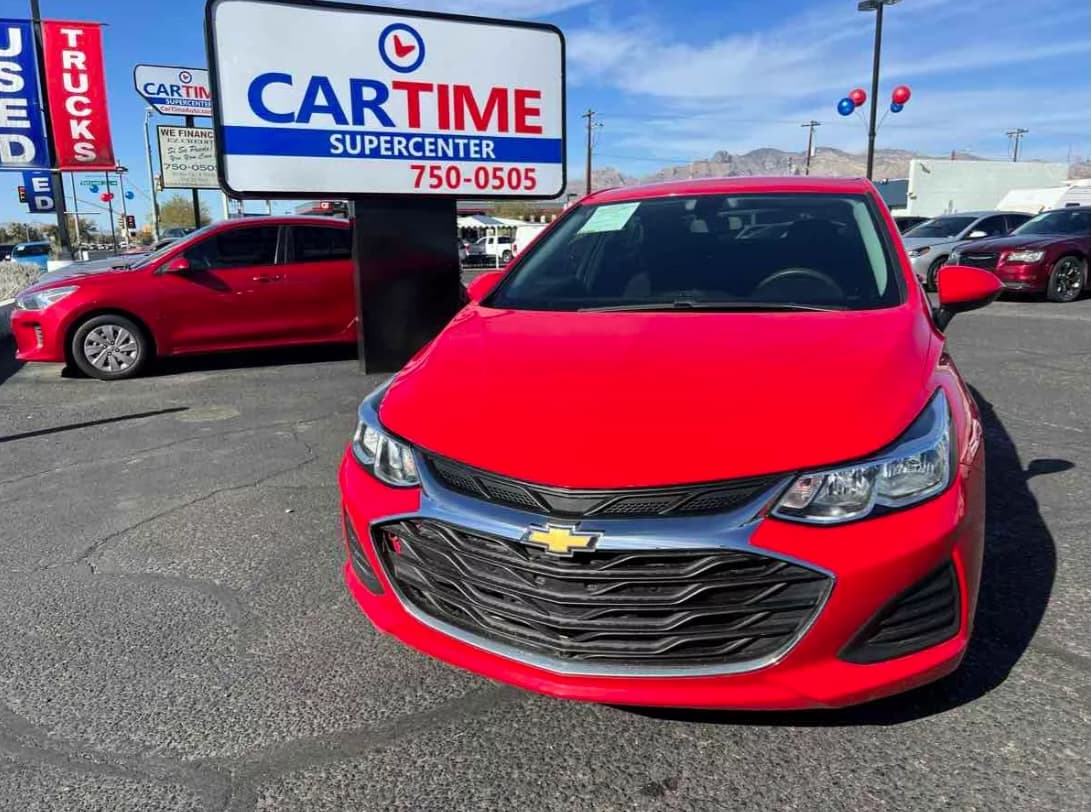
Chevrolet responded to many Cruze issues through recalls and service bulletins. For example, they redesigned the water pump and thermostat housing in later years and improved the turbocharger’s durability. The second-generation Cruze (2016+) has fewer engine and transmission complaints, showing that some lessons were learned.
However, not all repairs were done for free. Many owners faced high bills if problems appeared after warranty expired. This is why older Cruzes (2011–2014) are still risky even if they’ve had recall work done.
Credit: blog.cartimeauto.com
The Cost Of Repairs: What To Expect
If you’re set on buying a Cruze, budget for common repairs. Here are typical costs for major fixes:
- Water pump replacement: $500–$900
- Thermostat housing: $250–$400
- Turbocharger replacement: $1,000–$1,800
- Transmission rebuild/replacement: $2,500–$3,500
- Coolant leak diagnosis and repair: $300–$700
- Engine replacement: $3,500–$5,000
These numbers are averages—actual costs depend on location, mileage, and parts availability. It’s wise to set aside extra funds if you buy a Cruze from a higher-risk year.
Who Should (and Shouldn’t) Buy A Used Cruze
A used Cruze can still be a good deal—if you pick the right year and know its history.
Good Fit:
- Drivers who find a 2016–2019 Cruze with full service records and no major repairs.
- Buyers who want a modern compact car at a lower price than a Honda or Toyota.
- Those willing to pay for a pre-purchase inspection by a trusted mechanic.
Not Recommended For:
- Anyone on a tight repair budget—unexpected problems can be costly.
- Buyers who need a car for long daily commutes or long road trips.
- People who want to “buy and forget” with no maintenance worries.
Non-obvious insight: Even well-maintained Cruzes from risky years can develop new problems as they age. If you want maximum peace of mind, look at newer models or other brands.
Tips For A Safe Purchase
If you decide a Cruze is right for you, follow these tips for the best chance at a trouble-free experience:
- Buy the newest year you can afford—later models have fewer problems.
- Get a mechanic’s inspection before purchase, even if the seller says “no issues.”
- Check for open recalls and confirm they’ve been fixed.
- Avoid high-mileage models from 2011–2014 unless all major repairs are documented.
- Negotiate price based on the risk of future repairs.
Frequently Asked Questions
What Is The Worst Year For The Chevrolet Cruze?
The 2011 Cruze is widely considered the worst year due to engine, transmission, and coolant system failures. It has the most owner complaints and recalls, making it a year to avoid for most buyers.
Are Later Model Chevrolet Cruzes (2016–2019) Reliable?
Yes, the 2016–2019 Cruze is much more reliable. Chevrolet fixed many earlier issues, and these models have fewer complaints and recalls. Still, a pre-purchase inspection is wise, especially for high-mileage cars.
What Is The Most Common Problem With The Cruze?
Coolant leaks are the most common issue, especially in 2011–2014 models with the 1.4L turbo engine. Leaks can cause overheating and major engine damage if not fixed quickly.
Is The Chevrolet Cruze Expensive To Repair?
Some repairs are costly. Turbocharger, transmission, and engine failures can cost thousands of dollars. Smaller repairs, like thermostat or water pump replacement, are less expensive but still frequent in problem years.
Where Can I Find More Information About Cruze Recalls And Common Issues?
For official recall and complaint data, visit the NHTSA website. It provides up-to-date information about safety recalls and investigations.
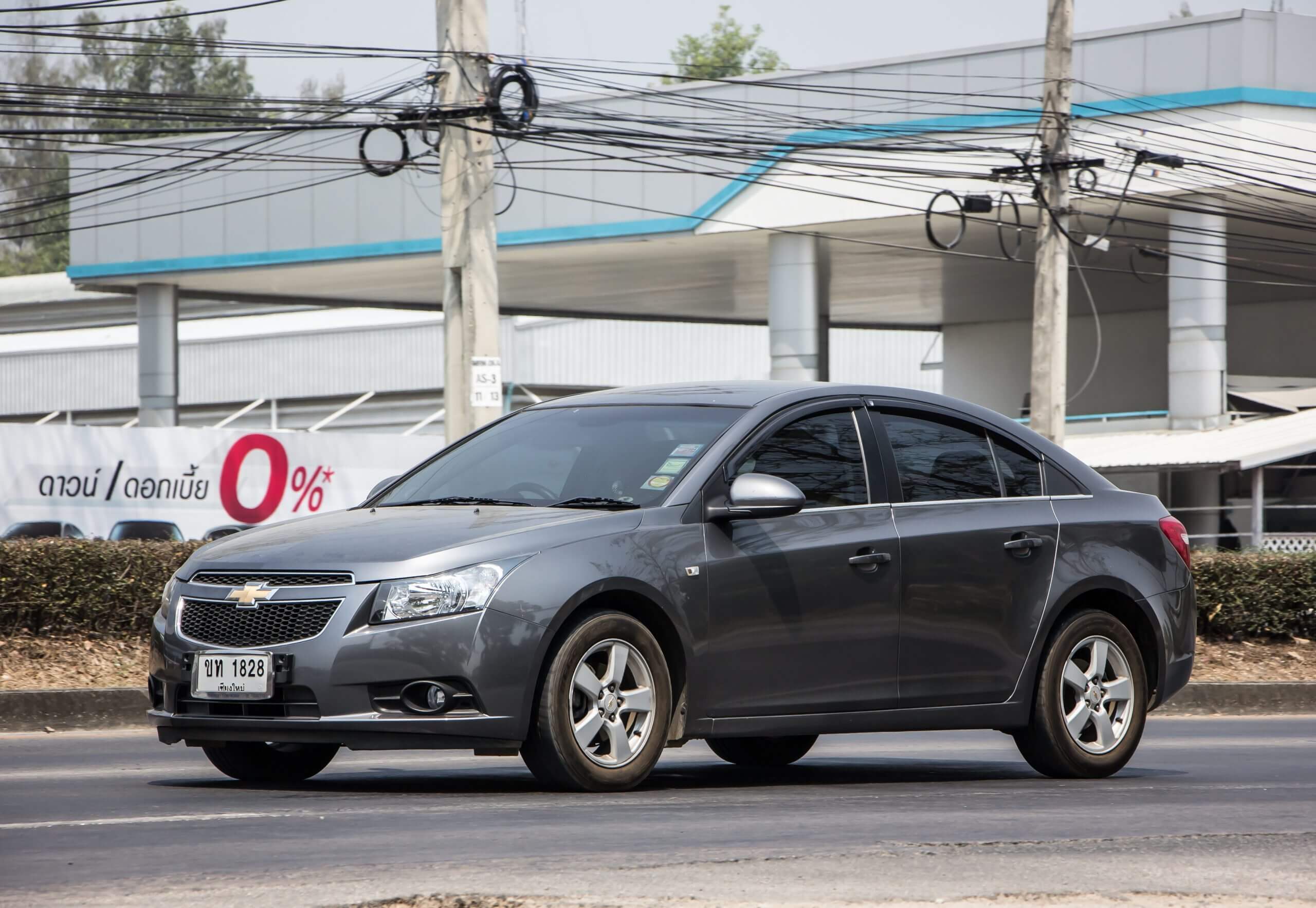
Credit: www.fixdapp.com
Final Thoughts
Buying a used Chevrolet Cruze can be a smart choice—but only if you know which years to avoid. Models from 2011 to 2014 come with high risks, expensive repairs, and reliability issues that can ruin the value of a good deal. Later Cruzes, especially from 2016–2019, are much improved and often trouble-free. Always check the car’s history, inspect for leaks, and get a trusted mechanic’s opinion before buying. If you’re not sure, consider other compact cars with stronger reliability records. The right research and careful shopping can help you enjoy years of safe, affordable driving.