Owning a Porsche 997 is a dream for many car enthusiasts. The 997 generation, built from 2005 to 2012, is often celebrated for bringing the classic 911 shape back, offering a thrilling drive, and holding its value well. But not every 997 is perfect. Some model years have issues that can turn your dream into a headache. If you’re considering buying a used Porsche 997, it’s important to know which years are more likely to give you trouble, what problems you might face, and how to spot a good car from a bad one. This guide gives you clear, easy-to-understand advice so you can buy with confidence and avoid costly mistakes.
Understanding The Porsche 997
The Porsche 997 is the internal code for the 911 model made between 2005 and 2012. It replaced the 996 and is split into two main parts: the 997.1 (2005-2008) and the 997.2 (2009-2012). The 997.1 uses older engine technology, while the 997.2 introduced direct fuel injection and other updates. Each has its strengths, but both have years you should be careful with.
The 997. 1 models mark a return to the classic 911 styling, which many fans love. They feature round headlights, a more refined interior, and improved suspension compared to the 996. However, they kept some of the mechanical weaknesses of the previous generation.
The 997. 2 brought more than just engine changes—it also improved the electronics, sound insulation, and overall build quality. If you’re shopping, knowing which generation you’re looking at is crucial. Many buyers confuse the two because the exterior changes are subtle, but underneath, there’s a big difference.
It’s also important to understand that the 997 family includes several variations, such as the Carrera, Carrera S, Turbo, GT3, and Targa. Each has its own set of strengths and weaknesses, and some special models (like the Turbo and GT3) use different engines that avoid many of the common problems found in the base Carrera models.
Key Problems With The Porsche 997
Before looking at specific years, it helps to know the main issues that can affect the 997. Some are expensive to fix or can ruin the car if ignored.
- IMS Bearing Failure – The intermediate shaft (IMS) bearing in 997.1 engines can fail without warning. If this happens, the engine may be destroyed. Not all 997.1 cars have this problem, but it’s a real risk.
- Bore Scoring – This is when the cylinder walls wear down, causing knocking, smoke, and engine failure. It’s seen in some 997.1 engines.
- Rear Main Seal (RMS) Leaks – Oil leaks from the rear main seal are common in early 997s. They’re not always serious but can mean expensive repairs.
- Coolant Pipe Issues – Some 997s, especially Turbos, can have coolant pipes that separate, leading to leaks.
- Electrical Gremlins – Window regulators, PCM (Porsche Communication Management), and other electronics can fail, especially in early models.
- Clutch and Transmission Wear – Manual 997s can burn through clutches quickly if driven hard. Tiptronic automatics are generally reliable but not as sporty.
Some of these issues are unique to certain models or engine types. For example, the IMS bearing problem doesn’t affect the Turbo, GT2, or GT3 models, because they use a different engine design. Electrical problems can range from small annoyances (like window switches not working) to bigger headaches, such as complete PCM failure.
Transmission wear is more common on cars that have been tracked or driven aggressively, so always ask about previous use.
A non-obvious insight: Even if a 997 has had its IMS bearing replaced, other parts like the clutch, flywheel, or even the RMS seal may need attention at the same time. If you’re considering a car with an IMS retrofit, ask if these parts were replaced too. Doing them together is more cost-effective and helps avoid future labor costs.
Porsche 997 Model Years Overview
Let’s break down the 997 by year, pointing out what to watch for and which years to be more careful with.
2005 Porsche 997
The first year of the 997.1, the 2005 997 brought back round headlights and a more classic look. However, it’s also the year with the most reported IMS bearing failures. Many early 997s from this year have not had their bearings replaced, making them a risky buy unless the work was done by a trusted shop. Electrical problems and RMS leaks are also more common.
Another detail to note is that the 2005 models sometimes suffer from early PCM failures, which can lead to expensive replacements. Climate control units and window regulators may stop working, especially if the car has been left unused for long periods.
Some owners report battery drain issues caused by faulty electrical modules. If you’re considering a 2005, check all electronics during your test drive and ask if any modules have been replaced.
2006 Porsche 997
The 2006 997 is similar to 2005. It still uses the older IMS bearing design and is at risk for the same failures. Some improvements in quality control happened, but the engine issues remain. If the car has not had an IMS retrofit, it’s a gamble.
This year saw minor updates in interior trim and some improvements in build quality, but mechanically, it’s nearly identical to 2005. Some owners mention that the 2006 models feel tighter, with fewer rattles. However, the IMS bearing and RMS seal remain weak points.
Also, bore scoring starts to appear in some higher-mileage cars. If you see a 2006 with more than 60,000 miles, insist on a detailed engine inspection.
2007 Porsche 997
The 2007 997 is the last year for the IMS bearing in most base Carrera models. While the risk is a bit lower, it’s still present. More cars from this year will have had the IMS fixed under warranty, but you should always check. Bore scoring is also seen in some 2007s, especially with higher mileage.
A practical tip: The 2007 model often attracts buyers who want a “safe” 997.1, but unless you see proof of IMS work and a borescope inspection, don’t assume it’s trouble-free. It’s also worth noting that some 2007 models were delivered with improved electronics and software updates, which reduce PCM failures. Still, check the service history for any electrical work.
2008 Porsche 997
The 2008 997 is the final year before the big 997.2 update. For the base Carrera, the IMS bearing was phased out during this model year, so some cars are safe, and some are not. Turbo and GT models do not have this issue. This is a transition year, so check VINs and service history carefully.
A hidden risk: Some 2008 Carreras still use the older engine, while others have the updated DFI engine. You can tell by the VIN and build date, but even dealers sometimes make mistakes. Always verify the engine type and ask for proof. The 2008 also benefits from improved interior materials and fewer reported electrical gremlins, but don’t skip the inspection.
2009 Porsche 997
The 2009 997 marks the start of the 997.2. Porsche switched to direct fuel injection (DFI) engines, eliminating the IMS bearing problem. These cars are generally more reliable, with fewer engine problems. Some early 997.2s had software and sensor glitches, but nothing major.
One extra tip: The DFI engines in the 997.2 are smoother and more efficient, but they require high-quality fuel and regular maintenance. If the previous owner used poor fuel or skipped services, carbon buildup can occur. Ask about fuel quality and maintenance intervals. The 997.2 also introduced LED tail lights and a new PCM system, which is more reliable but can still fail if the car’s battery is weak.
2010 Porsche 997
The 2010 997 continues with the new engine. Problems are rare, but some owners report minor electronics issues, mostly with the PCM system. These are usually fixed under warranty or with updates.
This year also saw improvements in paint quality and rust protection. If you’re looking at a 2010, check the body for any signs of corrosion, especially in places like wheel arches and door sills. Even though it’s rare, some cars in wet climates show early signs of rust.
The PCM navigation system is better, but always test it during your inspection.
2011 Porsche 997
The 2011 997 is considered one of the best years for reliability. By now, most bugs had been worked out. Turbo, Carrera, and GT models are all solid choices if they have a good service record.
Some buyers overlook the importance of tire age and suspension components. By 2011, most cars should have had suspension work or new tires. If the car still wears original suspension parts, budget for replacement soon. The 2011 model also comes with more standard features, making it a good value.
2012 Porsche 997
The last year of the 997, the 2012 997 is highly desirable. Build quality is excellent, and it’s the rarest of the group. Very few common issues are reported, and values remain high.
A small detail: Because 2012 is the final year, some cars have special “end of production” features or limited edition trims. These can add value, but always check that the car wasn’t tracked or heavily modified. Low-mileage 2012s are prized, but even high-mileage examples can be reliable if well cared for.
Years To Avoid And Why
While every used car can have problems, some 997 years are more likely to give you trouble, especially if not maintained well. Here’s a quick summary:
- 2005-2008 (997.1 Carrera and Carrera S) – IMS bearing risk, bore scoring, RMS leaks, and some electrical problems.
- 2009-2012 (997.2) – Much improved, but still check for full service records and electronics updates.
Out of all these, the 2005 and 2006 997 Carreras are the riskiest unless you can confirm the IMS has been updated.
If you’re considering a Turbo, GT3, or Targa model, the years to avoid are less clear-cut. These models use engines that don’t suffer from IMS bearing issues, but early Turbos can have coolant pipe problems and GT3s may need extra care if they were used on track.
How To Identify A Risky 997
- Ask for Service Records – A reliable seller will have records showing IMS updates, oil changes, and major work.
- Check the VIN – Some late 2008s are 997.2 cars, which are safer.
- Listen for Engine Noise – Knocking or ticking can mean bore scoring or other serious problems.
- Look for Oil Leaks – Check under the car and around the engine.
- Have a Pre-Purchase Inspection – Always have a Porsche specialist check the car before you buy.
When reviewing records, look for evidence of regular oil changes (every 5,000–7,500 miles), clutch replacements, and coolant flushes. If records are missing or gaps are present, be cautious. Some sellers try to hide issues by masking engine noise or cleaning oil leaks just before selling—an expert inspection is your best defense.
What Makes Certain Years Worse
Not every 997.1 has issues, but the risk is higher due to older engine designs and known weak parts. As the years went on, Porsche improved the design, but the first few years (especially 2005 and 2006) had more failures. The change to direct fuel injection in 2009 fixed most engine problems.
Another factor: Early 997s often had lower-quality interior components, such as soft-touch plastics that wear quickly and switches that break. Later models improved these materials, reducing long-term wear and tear. It’s common to find early cars with peeling buttons or worn seats, so check the interior carefully.
Porsche 997 Reliability By Year
Here’s a simple comparison of the most common issues by model year.
| Year | IMS Bearing Risk | Bore Scoring Risk | Common Electrical Issues |
|---|---|---|---|
| 2005 | High | Medium | High |
| 2006 | High | Medium | Medium |
| 2007 | Medium | Medium | Medium |
| 2008 | Low (some) | Medium | Low |
| 2009-2012 | None | Low | Low |
This comparison shows why most buyers prefer the later years. However, even with lower risks, regular maintenance and careful checks are needed.
Detailed Look At Major Problems
Ims Bearing Failures
The IMS bearing supports the intermediate shaft in the engine. If it fails, the engine can seize, often with no warning. The problem mostly affects 997.1 Carreras (2005-2008) with the M96 or M97 engine. Turbos, GT3s, and 997.2 cars are not affected.
- Cost to fix: $2,000–$3,500 for a retrofit; $15,000+ for a new engine if it fails.
- Signs: Metal flakes in oil, engine noise, oil leaks.
A non-obvious detail: Some IMS failures show no symptoms until it’s too late. A used oil analysis can detect metal particles and warn you before disaster strikes. If you’re shopping for a 997.1, ask for recent oil analysis results.
Bore Scoring
Bore scoring is deep scratches in the engine’s cylinders. It causes ticking sounds, smoke from the exhaust, and poor running. It’s most common in 2005-2008 Carreras, especially those with the 3.8L engine.
- Repair cost: $8,000–$12,000 for a rebuild.
- How to check: Listen for noise on cold start, check for blue smoke, and inspect oil.
Many buyers miss bore scoring because symptoms can be subtle. Even if the car runs well, a borescope inspection is the only way to know for sure. Short trips and frequent cold starts increase risk, so ask how the car was used.
Rear Main Seal (rms) Leaks
RMS leaks are oil leaks from the rear of the engine. While not always serious, they can lead to clutch contamination or bigger problems if ignored.
- Repair cost: $1,500–$2,500, often done with a clutch replacement.
If you see oil spots under the car or smell burning oil after driving, it may be an RMS leak. Some sellers try to hide leaks by cleaning the engine before selling, so check after a test drive.
Coolant Pipe Issues
Some 997 Turbos have coolant pipes that can separate. This is less common on Carreras but can be expensive to fix.
- Repair cost: $2,000–$4,000 for a full fix.
This problem is rare but serious. If you’re considering a Turbo, ask if the coolant pipes have been pinned or replaced. A sudden pipe failure can cause overheating and engine damage.
Electrical Problems
Early 997s (especially 2005) can have issues with window regulators, PCM failures, and battery drains. Later years improved, but always check that all electronics work as they should.
Check every switch, window, and the PCM screen. Some buyers skip testing everything, but even a small electrical fault can cost hundreds to fix.
How To Shop For A Used Porsche 997
Buying a used 997 can be rewarding if you do your homework. Here are steps to reduce your risk:
- Decide on a Budget – Prices range widely depending on year, model, and condition.
- Research the VIN – Make sure you’re looking at a 997.2 if you want to avoid IMS problems.
- Get a Pre-Purchase Inspection (PPI) – Always use a Porsche specialist.
- Ask About IMS Updates – If you’re set on a 997.1, demand proof of IMS replacement.
- Test Drive – Listen for engine noise, check for smooth shifting, and look for warning lights.
- Review Service History – Full records mean a better car.
One more tip: Don’t rush the buying process. Many buyers regret not waiting for the right car. Take your time, compare several cars, and don’t be afraid to walk away if you see red flags. Sellers who pressure you to buy quickly often have something to hide.
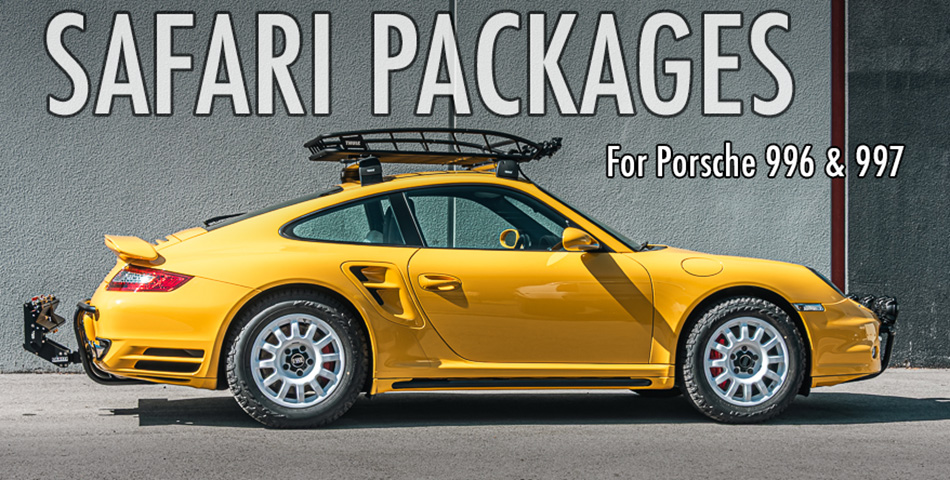
Credit: www.elephantracing.com
Porsche 997 Model Comparison
Here’s how the major 997 variants compare on reliability and cost.
| Model | Engine | Known Issues | Estimated Price Range (2024) |
|---|---|---|---|
| Carrera (997.1) | 3.6L / 3.8L | IMS, Bore Scoring, RMS | $35,000–$60,000 |
| Carrera (997.2) | DFI 3.6L / 3.8L | Minor Electronics | $50,000–$80,000 |
| Turbo | 3.6L/3.8L Turbo | Coolant Pipes (early) | $70,000–$130,000 |
| GT3/GT2 | 3.6L/3.8L NA/Turbo | Few (track use) | $120,000–$300,000+ |
Don’t forget, GT3 and GT2 models are often tracked or driven hard. Always check for signs of racing (roll bars, harnesses, track tires) and ask for detailed maintenance records.
Not-so-obvious Insights For Buyers
Many first-time Porsche buyers focus only on the IMS bearing and think a 997.2 is problem-free. But here’s what most overlook:
- Bore scoring can still happen on well-maintained cars, especially if short trips and cold starts are common. Having a professional do a borescope inspection can save you thousands.
- Mileage isn’t everything. A higher-mileage 997 with full service records can be a safer bet than a low-mileage garage queen that’s been rarely driven. Lack of use can cause more problems than regular use, especially with seals and electronics.
Also, don’t ignore the condition of the suspension, brakes, and tires. Many buyers focus only on engine health, but worn suspension parts or old tires can affect driving safety and comfort. Check tire dates and ask if the suspension bushings or shocks have been replaced.
Another insight: Some sellers try to boost resale value with cosmetic upgrades (aftermarket wheels, exhausts, or paint corrections). While these look nice, they don’t fix mechanical problems. Always focus on service records and mechanical health first.

Credit: rerev.com
What About The Porsche Warranty Or Cpo?
Porsche’s Certified Pre-Owned (CPO) program covers many of the 997.2 models, but almost no 997.1s are still eligible due to age. Extended warranties from third parties exist, but they often exclude IMS or bore scoring. Always read the fine print and ask what is (and is not) covered.
Don’t assume a CPO car is perfect. Even with a warranty, check for signs of abuse or missing maintenance. If buying outside the CPO program, look for specialty warranty providers with experience covering older Porsches.
Maintenance Costs: What To Expect
Porsche ownership isn’t cheap. Here’s what you might spend on common 997 maintenance:
- Oil change: $250–$400 every 5,000 miles
- Clutch replacement: $2,000–$3,500
- Brake pads/rotors: $1,200–$2,500
- Major service (spark plugs, fluids): $1,500+
- Tires: $1,200–$2,000 per set
Plan for about $2,000–$3,000 per year in regular maintenance if you drive 8,000–10,000 miles.
Some buyers forget to budget for unexpected repairs, like PCM failures or window regulator replacements. Keep an extra $1,000–$2,000 set aside for surprise fixes. Using a trusted independent Porsche shop can save money versus dealerships, but don’t skimp on parts quality.
Is A Porsche 997 Still Worth Buying?
If you do your research and buy wisely, a Porsche 997 can be a rewarding sports car. The driving experience is fantastic, and values for good examples are strong. The key is to buy the right year, get a full inspection, and budget for ongoing maintenance.
Most problems can be avoided with a good pre-purchase inspection and by buying from a seller who has cared for the car. Avoiding the early 997. 1 years (unless the IMS is done) can save you a lot of money and stress.
For deeper technical reading, the Wikipedia Porsche 997 page has detailed specs and historical information.
Frequently Asked Questions
What Is The Worst Porsche 997 Year For Reliability?
The 2005 997 Carrera is the riskiest, due to the highest rate of IMS bearing failures and early build quality issues.
Can You Fix Ims Bearing Problems Permanently?
Yes, an IMS retrofit can greatly reduce the risk, but it’s not a 100% guarantee. Only trust work done by a reputable Porsche specialist.
Is The 997.2 Completely Problem-free?
No car is perfect. The 997.2 is much more reliable, but it can still have minor electrical issues or wear-related problems like any used car.
How Can I Tell If A 997 Has Bore Scoring?
Look for ticking noises when cold, blue smoke from the exhaust, or uneven idle. A borescope inspection by a specialist is the best way to check.
Are Maintenance Costs Really That High?
Yes, owning a 997 is expensive compared to regular cars. Budget $2,000–$3,000 per year for routine maintenance, not including major repairs.
Buying a used Porsche 997 is all about knowledge, patience, and getting expert help. With the right research and inspection, you can find a great car that brings years of driving pleasure. If you avoid the problem years, you’ll enjoy one of the best sports cars ever made.
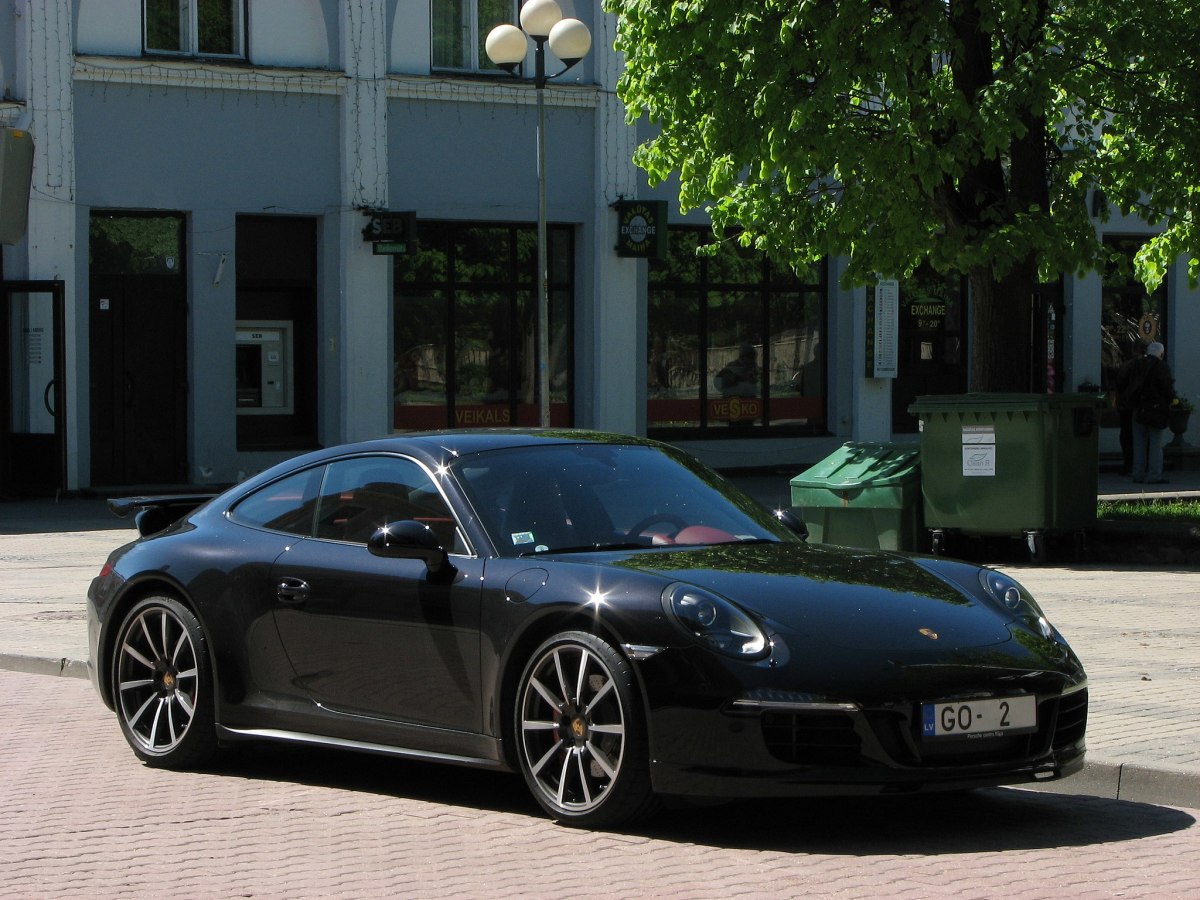
Credit: discover.hubpages.com