

The Ford Explorer has been a fixture on American roads since the early 1990s. Known for its spacious interior and family-friendly features, it’s often seen as a reliable choice for those wanting a midsize SUV. However, not every year of the Ford Explorer has lived up to its reputation.
Some years come with expensive repairs, safety concerns, or major headaches that even loyal Ford fans warn others to avoid.
If you’re considering a used Ford Explorer, understanding which years to avoid can save you money, stress, and time in the repair shop. This article will highlight the years with the most serious issues, explain why these problems matter, and offer practical advice for buying a dependable Explorer.
Whether you’re a first-time buyer or an experienced car owner, these insights will help you make a smarter, more confident choice.
How We Identify Ford Explorer Years To Avoid
Evaluating which Explorer years are best skipped isn’t just about counting complaints. It’s about the type, frequency, and cost of the issues. We analyzed owner-reported data, official recalls, repair histories, and trusted automotive reviews. When many drivers experience the same expensive or dangerous problem, it’s a clear warning sign.
We also look at patterns across model generations, since Ford made big changes to the Explorer’s design and engineering over the decades.
Here’s what really matters when evaluating which Ford Explorer years to avoid:
- Common mechanical failures: Are there repeated engine, transmission, or cooling system issues?
- Repair costs: Do problems require frequent or expensive fixes?
- Safety recalls: Were there critical defects that led to official recalls?
- Longevity and reliability: Does the vehicle last as long as comparable SUVs?
- Owner satisfaction: Are drivers happy with their vehicles after years of use?
Many buyers miss that a year with lots of recalls isn’t always the worst—sometimes it means problems were fixed for free. But years with chronic, unfixable problems or expensive out-of-warranty repairs are usually the most costly in the long run.
Ford Explorer Generations And Their Reputation
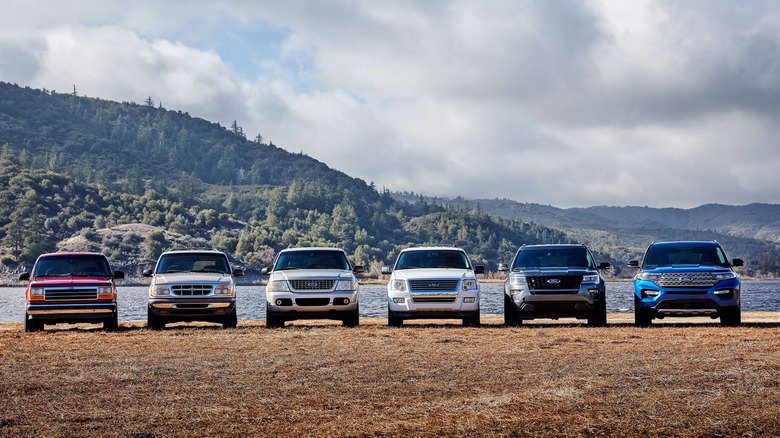
To understand which years to avoid, it helps to know how the Explorer has changed over time. Here’s a summary of each generation’s main features and reputation.
| Generation | Years | Main Changes | General Reliability |
|---|---|---|---|
| First | 1991–1994 | RWD, V6 engines, truck-based design | Average |
| Second | 1995–2001 | Refined suspension, new styling | Mixed (some years problematic) |
| Third | 2002–2005 | Redesigned platform, V8 option | Poor (many issues) |
| Fourth | 2006–2010 | Improved frame, modern features | Below average |
| Fifth | 2011–2019 | Unibody, FWD/AWD, updated tech | Mixed (early years worse) |
| Sixth | 2020–Present | Rear-drive platform, advanced safety | Improving (some early glitches) |
This overview shows that the Explorer’s reliability has changed a lot from one generation to the next. The worst years often come at the start of a new generation, when fresh designs can have unexpected problems.
The Most Problematic Ford Explorer Years (with Details)
Let’s look closer at specific Ford Explorer years that are best avoided, and why they stand out for the wrong reasons.
1. 2002 Ford Explorer
The 2002 Explorer is often called the worst year to buy. It saw a complete redesign, but many new systems turned out to be trouble.
Major issues:
- Transmission failures: Reports of the transmission slipping or failing completely, often before 100,000 miles. Repairs can cost $2,000–$4,000.
- Timing chain problems: Engine noise and eventual failure, especially in the V6 models.
- Rear panel cracking: Cosmetic but common, with the liftgate panel splitting even on well-cared-for vehicles.
- Electrical glitches: Malfunctions in windows, locks, and dashboard lights.
Why it matters: Transmission problems can leave you stranded and require a full rebuild. Even after repairs, some owners report repeat failures.
2. 2003–2006 Ford Explorer
While the 2003, 2004, 2005, and 2006 models improved a bit over 2002, they continued to suffer from similar issues.
Key problems:
- Transmission failures: Still frequent and expensive.
- Wheel bearing wear: Leads to noise and unsafe handling, sometimes before 70,000 miles.
- Cooling system leaks: Radiator and thermostat failures.
- Rear panel cracks: Not fixed from the prior year.
Notable recall: The 2003–2005 models had multiple recalls for seat and airbag defects, though not all cars were affected.
Owner experience: Many buyers found repairs did not fully solve the problems, leading to frustration and high ownership costs.
3. 2011–2013 Ford Explorer
The 2011 Explorer marked a big shift to a car-like unibody platform, but early years had their own set of troubles.
Major complaints:
- Power steering failures: Sudden loss of steering assist, sometimes at highway speeds. Ford issued a recall, but some repairs didn’t last.
- Exhaust fume leaks: Some drivers complained of carbon monoxide entering the cabin, especially during acceleration.
- Touchscreen glitches: The MyFord Touch system often froze or malfunctioned, causing frustration.
- Suspension noise: Worn bushings and mounts created annoying rattles.
Safety concern: The exhaust leak issue raised real health risks, leading to class-action lawsuits and increased scrutiny.
4. 2016–2017 Ford Explorer
These more recent models also generated concern, despite Ford’s efforts to improve.
Common issues:
- Exhaust smell: The same fume problem persisted in some 2016–2017 models.
- Paint bubbling and peeling: Especially on hoods and doors, leading to expensive cosmetic repairs.
- Suspension and drivetrain noise: Some reports of clunks and vibrations, with repairs not always covered by warranty.
Tech problems: The infotainment system sometimes failed, and backup cameras occasionally stopped working.
Other Years With Above-average Complaints
While the years above stand out, the 2004, 2005, and 2013 Explorers also have more complaints than most SUVs in their class. If you’re considering one, extra caution is needed.
Why These Problems Matter For Buyers
The most common Ford Explorer issues aren’t just annoying—they can be expensive and even dangerous. Here’s why the main problems found in the worst years are a big deal.
Transmission Failures
A failed transmission means your Explorer can’t move. Repairs often cost several thousand dollars, and some years saw repeat failures even after rebuilding. Many shops report the 2002–2005 Explorers as some of the most frequent (and costly) transmission jobs they see.
Exhaust Fume Leaks
The exhaust fume issue is more than just an unpleasant smell. Exposure to carbon monoxide in the cabin can cause headaches, nausea, and even loss of consciousness. Ford did issue technical service bulletins, but not all vehicles were fixed completely. This is a rare but serious risk.
Suspension And Wheel Bearing Problems
Bad wheel bearings or worn suspension parts can cause handling issues, noises, and, in severe cases, wheel separation. These problems often appear well before 100,000 miles in the worst years.
Electrical And Technology Glitches
While a stuck window or broken touchscreen won’t stop you from driving, repeated electrical issues can be frustrating and expensive to fix. They often require dealer repairs and new parts.
Body And Paint Issues
Paint peeling and rear panel cracks may seem cosmetic, but they lower the vehicle’s value and lead to rust if not addressed. Many owners were disappointed to see these problems on relatively new vehicles.
Credit: www.slashgear.com
Ford Explorer Years With Better Reliability
Not every Ford Explorer is risky. If you avoid the trouble years, there are models with solid reliability and owner satisfaction.
| Model Year | Why It’s Better | Average Price (Used, 2024) |
|---|---|---|
| 2018–2019 | Fewer complaints, improved features, better tech | $20,000–$32,000 |
| 2014–2015 | Most early bugs fixed, good value | $13,000–$21,000 |
| 2009–2010 | Last of the body-on-frame design, fewer major issues | $7,000–$13,000 |
| 2020–2022 | Latest redesign, strong safety features | $28,000–$42,000 |
Tip: Later years in each generation are usually more reliable because Ford had time to fix earlier design flaws.
Real Owner Experiences
Reading statistics is useful, but hearing from real owners can be eye-opening. Here are some examples from Explorer drivers who bought years with known issues.
- “My 2002 Explorer needed a new transmission at 72,000 miles. Ford wouldn’t cover it, and the repair was almost $3,000. I traded it in after the second failure.”
- “We bought a 2011 Explorer for our family, but after two power steering failures and a recall visit, we lost confidence. The dealer was helpful, but it was scary.”
- “Our 2017 Explorer had paint peeling on the hood after three years. Ford offered only partial coverage. Otherwise, it’s been a good SUV, but the paint is disappointing.”
- “My 2019 Explorer has been great so far, no major issues. I did a lot of research to avoid the bad years.”
These stories show why it pays to check the history of the specific year and model you’re considering.
Credit: www.slashgear.com
Common Mistakes When Buying A Used Ford Explorer
Many buyers focus on price or features but miss important checks that can save them from expensive problems.
- Ignoring the model year: Some buyers assume all Explorers are the same. Always check reviews and recall history for the specific year.
- Skipping a professional inspection: Even if a vehicle looks clean, hidden issues like transmission wear or exhaust leaks can be missed without a mechanic’s check.
- Overlooking recall repairs: Not every recalled vehicle was fixed. Ask the seller for proof of completed recall work.
- Buying at the lowest price: A “deal” on a problematic year can cost more in repairs. Sometimes paying more upfront for a better year is smarter.
- Assuming recent means reliable: Even newer Explorers (like 2016–2017) had some serious issues. Don’t assume a low-mileage SUV is trouble-free.
What To Check Before Buying A Used Explorer
If you’re set on a Ford Explorer, here’s a checklist to help avoid the worst surprises:
- Transmission test drive: Check for delayed shifting, slipping, or harsh engagement.
- Steering and suspension: Listen for clunks or rattles over bumps, and make sure the vehicle tracks straight.
- Exhaust smell: Run the air conditioning and heater on recirculate and fresh air; notice any strange odors inside.
- Electrical systems: Test all windows, locks, lights, and the infotainment system.
- Body and paint: Look closely at the rear liftgate panel and hood for cracks or bubbling paint.
- Service records: Ask for maintenance history and proof of recall repairs.
- Professional inspection: Have a trusted mechanic check for hidden issues.
How Ford Responded To Complaints
Ford has made efforts to address the Explorer’s worst issues. Over the years, they’ve issued technical service bulletins, recalls, and even redesigned parts. For example, the power steering failures in 2011–2013 models led to a recall and free repairs for many owners.
However, some fixes were only temporary.
In many cases, Ford improved the Explorer in later model years. They also offered extended warranties or “goodwill” repairs for certain problems, but not every owner benefited. This is why buying a later model from a reliable year is often worth the extra cost.
Explorer Vs. Competitors: How Does It Compare?
How does the Explorer stack up against other midsize SUVs from the same years? Here’s a quick comparison of reliability and owner satisfaction.
| Model | Best Years | Years to Avoid | Owner Satisfaction (1–5) |
|---|---|---|---|
| Ford Explorer | 2014–2015, 2018–2019 | 2002–2006, 2011–2013, 2016–2017 | 3.2 |
| Toyota Highlander | 2011–2019 | 2003, 2008 | 4.5 |
| Honda Pilot | 2012–2015, 2017–2020 | 2003–2005 | 4.3 |
| Chevrolet Traverse | 2016–2020 | 2009–2012 | 3.6 |
The Explorer offers good features and value, but its worst years have more serious problems than rivals like the Highlander or Pilot. That’s why research and careful shopping are so important.
Non-obvious Insights For Smart Buyers
Many people focus only on the “worst” year lists, but there are a few extra details that can make a big difference:
- Model changes during a year: Ford sometimes updated parts or fixed issues in the middle of a model year. Checking the vehicle’s build date and VIN can reveal if it has the older (problematic) or newer (improved) parts.
- Certified pre-owned (CPO) Explorers: Buying a CPO Explorer from a Ford dealer can add extra warranty coverage, even for years with some problems. This can reduce risk if you really want a certain model.
Should You Ever Buy A Ford Explorer From A “bad” Year?
It’s tempting if the price is right, but you need to be prepared for possible repairs. If you’re a skilled DIY mechanic or can get repair work done cheaply, a 2002–2005 Explorer might make sense as a project vehicle—not as a daily family car.
For most buyers, it’s safer to stick with years with fewer major complaints.
Remember, resale value is also lower for problematic years. Even if you fix all the issues, you may not get your money back when it’s time to sell.
Ford Explorer Years To Avoid: The Short List
If you want a quick reference, these are the Ford Explorer years with the most serious and costly problems:
- 2002
- 2003
- 2004
- 2005
- 2006
- 2011
- 2012
- 2013
- 2016
- 2017
Avoiding these years will help you sidestep the most common headaches.
For deeper research and the latest recall data, the National Highway Traffic Safety Administration (NHTSA) is a reliable source: NHTSA Ford Explorer Recalls.
Frequently Asked Questions
What Is The Worst Year For The Ford Explorer?
The 2002 Ford Explorer is widely considered the worst year due to frequent and expensive transmission failures, timing chain issues, and rear panel cracks. Many owners faced major repairs before 100,000 miles.
Are Newer Ford Explorers More Reliable?
Recent models (2018–2022) show improved reliability, especially compared to earlier troubled years. Ford addressed many past issues, but it’s always wise to check for recalls and get a professional inspection before buying.
Is The Ford Explorer A Good Family Suv?
The Explorer offers space, comfort, and safety features, making it a popular family SUV. However, reliability varies by year. Choosing a reliable model year is key for a worry-free family vehicle.
How Long Do Ford Explorers Typically Last?
A well-maintained Ford Explorer can last 150,000 to 200,000 miles or more. Avoiding years with serious mechanical problems increases your chances of a long-lasting vehicle.
What Should I Check Before Buying A Used Explorer?
Focus on a thorough test drive (pay attention to transmission and steering), check for exhaust smells, inspect the paint and body, review the service history, and get a trusted mechanic’s pre-purchase inspection. This helps avoid hidden issues common in problematic years.
The Ford Explorer’s history is a mix of success and setbacks. By learning from the past and using the advice above, you can choose a model year that delivers the comfort, space, and capability the Explorer is known for—without the costly surprises.
Credit: www.copilotsearch.com