For many people searching for a reliable small SUV, the Chevy Tracker is a name that comes up often. With its compact design, affordable price, and decent off-road abilities, the Tracker found fans across the US and beyond. But not every Tracker is built the same. Some years offer solid value, while others bring headaches and costly repairs. If you’re thinking about buying a used Chevy Tracker, it’s smart to know which years are best avoided—and why.
This guide will help you understand which Tracker model years have the most problems, what issues you might face, and how to choose a more dependable vehicle. You’ll get clear, honest advice based on real-world data, so you can make an informed decision and avoid expensive mistakes.
Understanding The Chevy Tracker
The Chevy Tracker started as a small SUV built by General Motors in partnership with Suzuki. It began life as the Geo Tracker in 1989, and later switched to the Chevrolet brand in 1998. The Tracker was produced for the US market until 2004, but continued in other countries after that.
Trackers are known for their simple mechanics, four-wheel drive options, and smaller engines. They appeal to people who want a budget-friendly SUV that can handle rough roads and daily driving. But, as with many older vehicles, not all years are trouble-free.
Common Issues With The Chevy Tracker
Before diving into specific years to avoid, it’s helpful to know the main problems that tend to affect Trackers. Understanding these issues will give context to why certain model years are considered less reliable.
Engine Problems
Some Trackers, especially older ones, are known for engine failure or excessive oil consumption. Owners report timing chain failures, overheating, and even complete engine breakdowns in some cases.
Transmission Troubles
Both automatic and manual transmissions can develop issues. Common complaints include rough shifting, slipping, and failure to engage gears. Repairs can be costly, sometimes reaching over $1,500.
Rust And Body Integrity
Trackers are infamous for rust, particularly in the underbody and wheel wells. In some regions, rust can weaken the frame, making the vehicle unsafe.
Electrical Issues
Faulty wiring, dashboard lights, and problems with the electrical system appear in several years. These are often minor but can be frustrating and time-consuming to fix.
Suspension And Steering
Problems with the suspension (especially struts and shocks) and steering system sometimes lead to poor handling or uneven tire wear.
Chevy Tracker Years To Avoid
Not all years are equal when it comes to reliability. Based on owner reports, mechanic feedback, and reliability data, these are the Chevy Tracker years you should avoid:
- 1999 Chevy Tracker
- 2000 Chevy Tracker
- 2001 Chevy Tracker
- 2003 Chevy Tracker
Let’s look closer at each of these years, and why they’re often considered the riskiest choices for buyers.
1. 1999 Chevy Tracker
The 1999 Tracker was the first model year after the name change from Geo to Chevy. It introduced a fresh design and more modern features, but also brought a wave of new problems.
- Engine Issues: Many owners faced engine stalling, overheating, or even total engine failure. The 2.0L engine was especially problematic.
- Transmission Problems: Early automatic transmissions were prone to failure, often before 100,000 miles.
- Rust: Reports of severe rust, especially in areas with snow or road salt, are common.
- Electrical Faults: Malfunctioning dashboard lights, power windows, and stereo systems caused headaches.
Non-obvious insight: The first year of a major redesign (like 1999) often has more problems, as new parts and systems haven’t been fully tested in real-world use.
2. 2000 Chevy Tracker
The 2000 model continued many of the same issues from 1999, with only minor improvements.
- Oil Leaks: The 2.0L and 2.5L engines developed leaks, especially around the valve cover and oil pan.
- Transmission Failures: Both manual and automatic versions showed early wear and sometimes needed complete replacement.
- Suspension Wear: Shocks and struts wore out quickly, leading to a bumpy ride and poor stability.
- HVAC Problems: Air conditioning failures became common, often due to compressor issues.
3. 2001 Chevy Tracker
While some problems were fixed, new ones appeared in 2001.
- Timing Chain Issues: The 2.0L engine started showing timing chain failures, which can destroy the engine if not fixed.
- Coolant Leaks: Poor seals and weak radiators led to frequent coolant loss and overheating.
- Rust: The undercarriage continued to rust, sometimes leading to frame damage.
Non-obvious insight: Timing chain problems rarely show up in test drives—they often appear after 70,000–90,000 miles, so used buyers are at higher risk.
4. 2003 Chevy Tracker
The 2003 Tracker is often mentioned in owner complaints and mechanic warnings.
- Transmission and Differential Issues: More reports of transmission slipping, and differential failures in 4WD models.
- Electrical System Faults: Power window motors and dashboard electronics failed more frequently than other years.
- Rust and Body Problems: Rust remained a big concern, especially in the wheel wells and rear fenders.
Years With Fewer Problems
If you’re still interested in a Chevy Tracker, some years are generally more reliable and easier to maintain.
- 2002 Chevy Tracker: This year had fewer engine and transmission complaints, though rust was still a problem.
- 2004 Chevy Tracker: The final US model year saw minor improvements, with fewer serious issues reported.
Credit: vehiclefixation.com
Comparison Of Problem Frequency By Year
To help you compare, here’s a summary table showing the relative frequency of common issues across different Tracker years:
| Model Year | Engine Problems | Transmission Issues | Rust/Body Issues | Electrical Faults |
|---|---|---|---|---|
| 1999 | High | High | High | Medium |
| 2000 | High | Medium-High | Medium | Medium |
| 2001 | Medium-High | Medium | Medium | Medium |
| 2002 | Medium | Medium | Medium | Low |
| 2003 | Medium | High | Medium-High | Medium-High |
| 2004 | Low | Medium | Medium | Low |
Why Do These Years Have More Problems?
The trouble years are often linked to changes in design, parts suppliers, or manufacturing methods. For example, the switch from Suzuki to more GM-supplied parts in the late 1990s led to new, untested components. The rush to update engines and features sometimes resulted in less durable vehicles.
Also, the age of the vehicle plays a role. Early 1999–2001 models are now over 20 years old. Even with good care, seals, gaskets, and metal parts wear out. But the higher number of complaints and costly repairs in these years suggest deeper quality issues beyond normal aging.

Credit: www.youtube.com
What Makes A Year Reliable Or Unreliable?
When evaluating any used SUV, three main factors matter most:
- Mechanical reliability: How often do expensive engine or transmission repairs happen?
- Body and rust resistance: Does the frame or body last, or does rust cause early failure?
- Availability of parts and service: Is it easy to find replacement parts and mechanics who can work on the vehicle?
For the Chevy Tracker, the worst years scored poorly on all three. Frequent engine or transmission failures and widespread rust make them expensive to own.
Common Symptoms Of A Problem Tracker
If you’re looking at a used Tracker, watch for these warning signs:
- Check Engine Light: If it’s on, ask for a diagnostic scan before you buy.
- Transmission Delays: Slow or rough shifting can signal big problems.
- Visible Rust: Check under the car, in wheel wells, and on door edges.
- Strange Noises: Listen for rattles, grinding, or squealing from the engine or suspension.
- Leaks: Look for oil or coolant spots under the car after it’s parked.
How To Inspect A Used Chevy Tracker
A careful inspection can save you from buying a lemon. Here’s how to check a Tracker before making a deal:
- Check Underneath: Look for rust on the frame, suspension, and exhaust. Tap with a screwdriver—if metal flakes off, walk away.
- Test Drive: Pay attention to how the transmission shifts, especially in automatics. Listen for clunks or whines.
- Check Fluids: Oil should be clean, not thick or gritty. Coolant should be bright, not rusty or oily.
- Test Electronics: Make sure all lights, windows, and the radio work.
- Ask for Records: Service records show if the timing chain, transmission, or other major parts were replaced.
Practical tip: Always get a trusted mechanic to inspect the car before buying. They might spot problems you’ll miss.
Cost Comparison: Problem Years Vs. Better Years
Buying a Tracker from a problem year can cost much more in repairs than a better year. Here’s a sample comparison of average repair costs for major issues:
| Repair Type | 1999-2001 Tracker | 2002-2004 Tracker |
|---|---|---|
| Engine Replacement | $2,000 – $3,500 | $1,500 – $2,800 |
| Transmission Repair | $1,200 – $2,200 | $900 – $1,800 |
| Rust/Body Repair | $800 – $2,000 | $500 – $1,200 |
| Electrical System | $300 – $1,000 | $200 – $700 |
As you can see, buying a model from a known trouble year can cost you $1,000 or more in extra repairs over a few years.
How To Find A Good Chevy Tracker
If you’re set on getting a Tracker, here’s how to boost your chances of finding a reliable one:
- Choose 2002 or 2004 Models: These years had fewer major complaints.
- Buy from Dry Climates: Cars from the Southwest or other dry regions have less rust.
- Look for Low Mileage: Under 120,000 miles is ideal.
- Ask for Service Records: A well-maintained Tracker is much less likely to have problems.
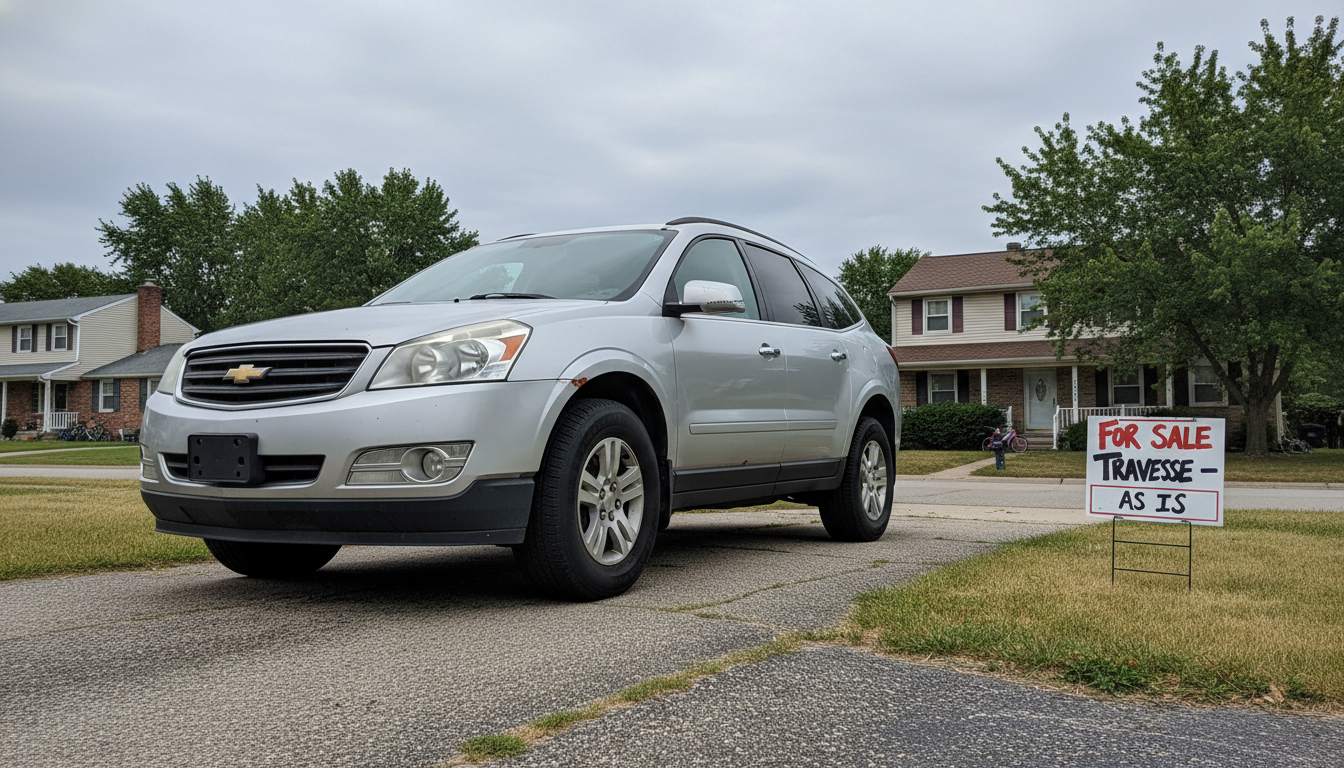
- Avoid Cheap “As-Is” Deals: A low price often means hidden problems.
Expert tip: Even in “good” years, Trackers are older SUVs. Budget for repairs and maintenance, and don’t expect modern SUV comfort or features.
Alternatives To The Chevy Tracker
If you’re worried about Tracker reliability, consider these similar vehicles that often have better records:
- Toyota RAV4 (late 1990s–early 2000s): Known for durability and easy maintenance.
- Honda CR-V (1997–2001): Reliable engines and strong resale value.
- Suzuki Grand Vitara: Shares parts with the Tracker, but some years are more reliable.
- Ford Escape (early 2000s): Offers more modern safety features.
Each has its own strengths and weaknesses, but all are worth a look if you want a small, affordable SUV.
Credit: www.reddit.com
Real-world Owner Stories
Hearing from actual owners can give you a better idea of what to expect. Here are a few real examples:
- “My 1999 Tracker started having electrical issues at 80,000 miles. Windows stopped working, and the check engine light was always on. The mechanic said it was common for this year.”
- “Bought a 2001 Tracker from the Midwest. Looked clean on top, but the frame was full of rust. I had to scrap it after one winter.”
- “I found a 2004 Tracker with low miles from Arizona. It’s been reliable so far, just needed new brakes and tires.”
Non-obvious insight: Even a “good” year Tracker can be trouble if it lived in a salty, snowy area. Always check the car’s history and location.
How The Chevy Tracker Compares To Modern Suvs
It’s important to set the right expectations. The Tracker was built as a basic, affordable SUV. Compared to today’s models, it lacks many features:
- No advanced safety tech (like airbags or traction control in most years)
- Basic interiors and fewer comfort options
- Lower fuel economy compared to newer SUVs
But for people who want a simple, cheap vehicle for off-road or utility use, a carefully chosen Tracker can still do the job.
Here’s a quick comparison of the 2004 Chevy Tracker vs. a 2004 Toyota RAV4:
| Feature | 2004 Chevy Tracker | 2004 Toyota RAV4 |
|---|---|---|
| Engine | 2.0L I4 or 2.5L V6 | 2.4L I4 |
| Horsepower | 127-165 hp | 161 hp |
| Fuel Economy | 20-24 mpg | 22-27 mpg |
| Reliability | Average | High |
| Rust Issues | Common | Rare |
Should You Buy A Chevy Tracker Today?
For most buyers, the answer depends on your budget, needs, and willingness to do repairs. If you need a cheap, easy-to-fix SUV for light use, and you avoid the problem years, a Tracker might work. But if you need a daily driver, or you want a car with modern safety and comfort features, you’ll be happier with a newer model or a different brand.
Remember, parts are becoming harder to find for Trackers, especially for body and interior trim. And as these vehicles age, even reliable years will need more repairs.
If you still want a Tracker, focus on:
- 2002 and 2004 models
- Cars from dry climates
- Well-documented service history
Frequently Asked Questions
What Are The Worst Years For The Chevy Tracker?
The worst years for the Chevy Tracker are 1999, 2000, 2001, and 2003. These years had high rates of engine, transmission, and rust problems. Avoid these if you want to save money and time on repairs.
Is The Chevy Tracker A Reliable Suv?
The Tracker can be reliable if you choose the right year, like 2002 or 2004, and if the car has been well cared for. However, many Trackers from bad years are unreliable due to engine and rust issues.
How Long Does A Chevy Tracker Usually Last?
A well-maintained Tracker can last between 150,000 and 200,000 miles. But many fail before that because of engine or frame problems, especially in the trouble years.
Are Parts Still Available For The Chevy Tracker?
Basic parts like brakes and filters are still available. But some body and interior parts are harder to find, and may require ordering from specialty suppliers or salvage yards. For more information, check official sources like GM Parts Direct.
How Does The Chevy Tracker Compare To The Geo Tracker?
The Geo Tracker (1989–1997) was built on the same basic platform as the Chevy Tracker (1998–2004). Many owners find the older Geo models simpler and less prone to rust, but both share similar engines and mechanical parts.
Choosing a used vehicle is always a balance between budget and risk. With the Chevy Tracker, knowing which years to avoid makes all the difference. Do your homework, inspect carefully, and don’t hesitate to walk away if something doesn’t feel right.
That way, you’ll avoid the most common pitfalls and enjoy a reliable ride for years to come.