

Buying a used car can be exciting, but it’s also a big decision—especially with a model like the Pontiac Grand Prix. Known for its mix of performance and comfort, the Grand Prix has a loyal following. However, not every year delivers the same reliability. Some model years are best avoided due to costly repairs, mechanical failures, or safety concerns. If you’re considering this car, knowing which Pontiac Grand Prix years to avoid can save you time, money, and frustration.
Understanding The Pontiac Grand Prix Legacy
The Pontiac Grand Prix first appeared in the early 1960s as a sporty, upscale coupe. Over the decades, it evolved through several generations. By the 2000s, the Grand Prix was positioned as a mid-size sedan, often praised for its strong V6 engines and comfortable ride. Production ended in 2008, but the car remains a common choice in the used market.
Over the years, the Grand Prix faced both highs and lows. While some years brought reliable performance, others suffered from major problems. Spotting these weak links can help you avoid expensive surprises after you buy.
Why Some Years Are Worse Than Others
Not all Pontiac Grand Prix models are created equal. Manufacturing changes, new technology, and cost-cutting can lead to different problems depending on the year. Issues might include:
- Engine failures
- Transmission breakdowns
- Electrical faults
- Rust and body issues
- Safety recalls
Some years are more prone to these headaches. Understanding the reasons behind these issues is key to making a smart purchase.
Pontiac Grand Prix Years To Avoid
While any used car can have trouble, certain Grand Prix years stand out for frequent, expensive, or dangerous problems. Let’s look at the model years experts and owners most often warn against.
1. 1997 Pontiac Grand Prix
The 1997 Grand Prix marked the debut of a new generation, but it came with growing pains. Owners reported:
- Intake manifold gasket leaks: This caused coolant to mix with engine oil, risking severe engine damage.
- Transmission issues: Many experienced slipping or failing transmissions under 100,000 miles.
- Electrical problems: Power windows and gauges often failed.
These problems led to high repair costs. The intake manifold issue was especially common, and it often required a full engine rebuild if not fixed early.
2. 2001 Pontiac Grand Prix
The 2001 model seemed similar to previous years but suffered from repeat problems:
- Engine gasket leaks: The V6 engines continued to have intake manifold gasket failures.
- ABS and traction control failures: Owners complained about warning lights and loss of braking assistance.
- Fuel system problems: Fuel pump failures left some drivers stranded.
The result: high repair bills and reliability concerns, making this year one to avoid if possible.
3. 2005 Pontiac Grand Prix
By 2005, the Grand Prix had a fresh look, but not all changes were for the better:
- Transmission failures: The 4-speed automatic, especially in the GT and GTP trims, was a weak point.
- Electrical gremlins: Headlights, dash lights, and power accessories often malfunctioned.
- Steering issues: Clunking noises and loose steering columns were common.
These problems sometimes appeared well before 100,000 miles. The cost to fix electrical and transmission issues could outweigh the car’s value.
4. 2006 Pontiac Grand Prix
The 2006 Grand Prix carried over many of the previous year’s issues:
- Transmission problems: Slipping, harsh shifts, or complete failure were reported.
- Security system malfunctions: Passlock issues could prevent the car from starting.
- Engine sensor failures: Mass airflow and oxygen sensors needed frequent replacement.
These issues led to reliability ratings dropping, and owners often faced repeated trips to the mechanic.
5. 2008 Pontiac Grand Prix
The final model year was not the strongest:
- Power steering failures: Sudden loss of steering assist was dangerous and costly to repair.
- Transmission breakdowns: The automatic transmission was still a weak point.
- Electrical issues: Problems with power windows, locks, and instrument clusters continued.
While it might be tempting to buy a newer Grand Prix, the 2008 model often disappoints in terms of longevity.
Common Problems Across Bad Years
Some issues appeared in multiple “bad” years. Understanding these can help you spot warning signs during a test drive or inspection.
Intake Manifold Gasket Leaks
This was one of the most notorious problems. The 3.1L and 3.8L V6 engines used plastic gaskets that broke down over time, allowing coolant to leak internally. This could lead to:
- Engine overheating
- White smoke from the exhaust
- Milky oil on the dipstick
Ignoring this problem could destroy the engine. Replacement costs ranged from $800 to $1,200.
Transmission Failures
Many Grand Prix models used the 4T65E automatic transmission, which had a mixed reputation. Common symptoms included:
- Harsh or delayed shifting
- Complete loss of drive
- Check engine light
Repair or replacement could cost $2,000 or more. Even a car with regular maintenance could suffer from sudden transmission failure.
Electrical System Problems
From 1997 to 2008, electrical issues were frequent:
- Power window and lock failures
- Instrument cluster glitches
- Headlight and taillight wiring faults
These problems often seemed random and could be difficult to trace, leading to repeated shop visits.
Steering And Suspension Issues
Owners reported:
- Loose steering columns
- Clunking noises
- Premature wear on suspension parts
While not always dangerous, these issues could make the car feel unstable and add repair costs.
How To Spot A Problematic Grand Prix
If you’re considering a used Grand Prix, you can reduce your risk by knowing what to look for.
- Check for coolant leaks: Look under the car and check the oil for a milky color.
- Test the transmission: During a test drive, pay attention to how the car shifts. Any slipping, jerking, or delay is a red flag.
- Inspect electronics: Try every window, lock, and light. Watch for warning lights on the dash.
- Listen for noises: Clunks or rattles from the steering or suspension can signal trouble.
- Review service records: Confirm if major repairs (like intake gaskets or transmission) have been done.
Data Comparison: Problem Years Vs. Reliable Years
To help you see the difference, here’s a summary of reliability ratings and complaints for key Grand Prix years:
| Model Year | Common Problems | Owner Complaints (CarComplaints.com) | Average Repair Cost |
|---|---|---|---|
| 1997 | Intake gasket, transmission, electrical | 175+ | $1,250 |
| 2001 | Engine, ABS, fuel system | 120+ | $1,100 |
| 2005 | Transmission, electrical, steering | 135+ | $1,400 |
| 2006 | Transmission, security system, sensors | 110+ | $1,350 |
| 2008 | Power steering, transmission, electrical | 90+ | $1,200 |
| 2003 | Minor electrical | 40+ | $700 |
| 2004 | Minor transmission | 45+ | $800 |
As you can see, the “avoid” years have higher complaints and repair costs compared to more reliable years like 2003 or 2004.

Credit: www.theautopian.com
Years That Are Generally Safe
Not every Grand Prix is a risk. Some years have much better reputations. Based on owner reports and expert reviews, the 2003 and 2004 models are often considered safer bets. They have fewer serious problems, and any known issues are usually less expensive to fix.
Why Do Some Owners Still Like These Years?
It might seem surprising, but some people still recommend the “bad” Grand Prix years. Why? Two main reasons:
- Low purchase price: These cars often cost much less than other sedans of the same age.
- Strong engines: When maintained, the 3.8L V6 can last a long time.
If a previous owner has already repaired the main weak points—like the intake gaskets or transmission—the risk goes down. However, without documented repairs, you’re likely gambling with your wallet.
Key Factors To Consider When Buying
If you’re set on a Pontiac Grand Prix, here are the most important things to check:
Maintenance History
A well-documented service history is critical. Look for receipts or records showing:
- Intake manifold gasket replacement (especially for 1997–2003 models)
- Transmission service or rebuild
- Recent work on the suspension and steering
A car with these items handled is much less risky.
Mileage
Higher mileage isn’t always bad, but certain repairs become more likely after 100,000 miles. Avoid cars with high miles that haven’t had major known issues fixed.
Accident And Rust Check
Inspect for signs of previous accidents or rust, especially around the wheel wells and underbody. The Grand Prix, especially in northern states, can suffer from rust that’s hard to repair.
Price Vs. Repair Potential
Factor the risk of repairs into your budget. A cheap purchase can quickly become expensive if you need a new transmission or engine work.
What The Experts Say
Several leading car sites have warned about problematic Grand Prix years:
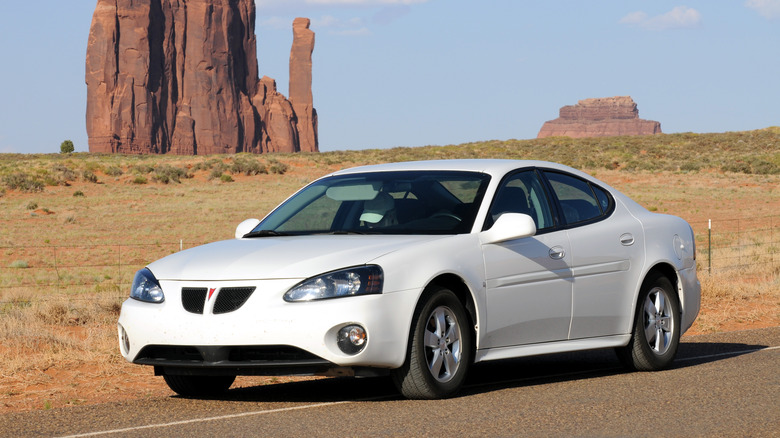
- CarComplaints.com labels 1997, 2001, and 2005 as “Avoid Like the Plague.”
- Edmunds notes high repair costs for the mid-2000s models.
- Consumer Reports gives lower reliability scores for 1997, 2001, and 2005.
These expert warnings are based on thousands of owner reports and repair statistics.
Credit: www.slashgear.com
Cost Breakdown: Common Repairs
Here’s a look at what you might pay to fix major Grand Prix problems:
| Repair Type | Estimated Cost | Typical Year(s) Affected |
|---|---|---|
| Intake Manifold Gasket | $800–$1,200 | 1997–2003 |
| Transmission Overhaul | $1,800–$2,500 | 1997–2006, 2008 |
| ABS/Traction Control | $600–$1,000 | 2001–2006 |
| Power Steering Repair | $500–$900 | 2008 |
| Electrical Repairs | $200–$1,000 | 1997–2008 |
Notice how repair costs can quickly add up, sometimes costing more than the car itself.
Real Owner Experiences
Hearing from real owners can provide valuable insight. Many report buying a cheap Grand Prix, only to face these challenges:
- “I bought a 2005 Grand Prix for $2,500. Six months later, I spent another $2,000 on transmission repairs.”
- “My 1997 model kept overheating. Turned out to be the intake gasket. After fixing it, I had electrical issues a few weeks later.”
- “My 2008 lost power steering suddenly on the highway. It was scary and expensive to fix.”
However, owners who bought well-maintained cars or fixed known issues early sometimes report years of trouble-free driving. This shows the importance of proper maintenance and research.
Alternatives To The Pontiac Grand Prix
If you want a mid-size sedan but want to avoid risk, consider these alternatives:
- Toyota Camry: Famous for reliability and low ownership costs.
- Honda Accord: Another long-lasting, easy-to-fix option.
- Ford Fusion: Mid-2000s models offer good value with fewer major issues.
- Chevrolet Impala: Shares some parts with the Grand Prix but has fewer engine problems in many years.
While these cars aren’t perfect, they often have better reliability records and lower repair costs.
Should You Ever Buy A “bad” Grand Prix Year?
Buying a Pontiac Grand Prix from a “bad” year isn’t always a mistake—but it’s risky unless you:
- Can verify major repairs have already been done
- Are comfortable with possible repairs and their costs
- Get a great deal on the purchase price
If you’re not a skilled DIY mechanic or don’t have a trusted shop, it’s usually better to pick a more reliable year or a different car entirely.
Credit: www.fixdapp.com
How To Find A Reliable Used Grand Prix
If you still want a Grand Prix, here’s how to boost your odds of a good buy:
- Have a mechanic inspect the car before you buy. This can uncover hidden problems.
- Ask for repair records. A car with a new intake gasket or rebuilt transmission is less risky.
- Check for recalls on your chosen year using the NHTSA website.
- Use online owner forums to learn about common issues and solutions. The Grand Prix community is active and helpful.
By taking these steps, you’ll reduce your chances of buying a money pit.
Data Table: Key Specs And Features By Year
For a quick look at how the Grand Prix changed over time, here’s a summary:
| Year | Engine Options | Transmission | Notable Features |
|---|---|---|---|
| 1997–2003 | 3.1L V6, 3.8L V6 | 4-speed auto | Supercharged GTP, traction control |
| 2004–2008 | 3.8L V6, 5.3L V8 (2005+) | 4-speed auto | Heads-up display, OnStar, sport suspension |
This can help you compare trims and features if you’re shopping for a specific year.
Practical Advice For Used Car Buyers
Before making your decision, remember these non-obvious tips:
- Resale value drops fast: The Grand Prix loses value quickly, especially in “bad” years. You may have trouble selling later.
- Insurance can be higher: Sporty trims, like the GTP or GXP, often cost more to insure, especially for younger drivers.
- Parts are still available: Despite Pontiac being discontinued, most parts are easy to find, often at reasonable prices.
Also, beware of sellers who claim “no issues” without proof. Always ask for maintenance records and test everything yourself.
Where To Get More Information
For detailed recall lists, owner complaints, and repair guides, visit the National Highway Traffic Safety Administration (NHTSA), CarComplaints. com, or the active Grand Prix forums. These resources can help you dig deeper before you decide.
You can find more history and technical details on the Pontiac Grand Prix Wikipedia page.
Frequently Asked Questions
Which Pontiac Grand Prix Years Are The Worst For Reliability?
The 1997, 2001, 2005, 2006, and 2008 Grand Prix years are the most commonly reported for major engine, transmission, and electrical problems. These years often have higher repair costs and more owner complaints.
Are There Any Grand Prix Years That Are Safe To Buy?
Yes, the 2003 and 2004 Pontiac Grand Prix models are generally considered more reliable. They have fewer major issues, and known problems are usually less expensive to fix.
What Is The Most Common Failure In Problematic Grand Prix Years?
The most frequent and costly failure is the intake manifold gasket leak in the 3.1L and 3.8L V6 engines. This issue can lead to engine damage if not repaired quickly.
How Can I Tell If A Used Grand Prix Has Been Properly Maintained?
Ask for service records showing major repairs, like intake gasket replacement or transmission work. Have a trusted mechanic inspect the car for leaks, electrical faults, and suspension wear before buying.
Is It Expensive To Repair A Problematic Grand Prix?
Repair costs can be high, especially for engine or transmission failures. Fixing the intake manifold gasket can cost $800–$1,200, while a transmission overhaul may run $2,000 or more. Routine electrical repairs also add up.
Buying a used car is never without risk, but with careful research and inspection, you can avoid the worst pitfalls. The Pontiac Grand Prix offers value and performance for the right buyer, but it’s crucial to steer clear of years known for serious problems. Choose wisely, and you’ll enjoy the drive for miles to come.