

When shopping for a used luxury sedan, the Hyundai Genesis often stands out. It promises a premium feel at a reasonable price, impressive features, and a reputation for comfort. But not every Genesis year is equally reliable. Some model years have more problems, costly repairs, or issues that can make owning one frustrating. If you’re considering buying a used Genesis, it’s important to know which years to avoid—and why.
This guide walks you through the Hyundai Genesis years to avoid, explains the most common problems, and helps you make a smart choice. Whether you’re new to car shopping or a seasoned buyer, you’ll learn how to spot trouble years, discover which models are better bets, and understand what really matters when picking a Genesis.
A Quick Overview Of The Hyundai Genesis
The Hyundai Genesis entered the market in 2009 as Hyundai’s first real step into the luxury car world. It was designed to compete with well-known brands like BMW and Lexus but at a more affordable price.
There are two main generations:
- First Generation (2009–2014): Rear-wheel-drive sedan, V6 and V8 engine options, focus on comfort and value.
- Second Generation (2015–2016): Updated styling, better technology, known as the Genesis G80 after 2016.
Both generations aimed to offer a smooth ride, a quiet cabin, and strong value. However, some years have more issues than others, especially as cars age.
Why Some Genesis Years Are Best Avoided
Not all used Genesis models offer the same experience. Certain years are known for:
- Expensive repairs due to engine or transmission trouble
- Electrical problems that are hard to fix
- Poor reliability ratings from owners and experts
A few bad years can cost you thousands of dollars or leave you stranded. That’s why it pays to know which years are risky and how to avoid them.
The Main Hyundai Genesis Years To Avoid
Based on owner reports, expert reviews, and data from sources like CarComplaints, RepairPal, and NHTSA, the most problematic Hyundai Genesis years are:
- 2009
- 2012
- 2015
Let’s look at each year, the problems that make them risky, and what you should watch out for.
2009 Hyundai Genesis
The first model year of any car often comes with teething problems. The 2009 Genesis is no exception.
Common Problems
- Transmission failure: Owners report rough shifting or total breakdown, sometimes before 100,000 miles.
- Electrical issues: Problems with push-button start, keyless entry, and navigation systems.
- Engine stalling: Some cars experience sudden loss of power, creating dangerous situations on the road.
Example
A 2009 Genesis owner shared that their transmission needed to be replaced at just 70,000 miles—a repair costing over $3,000.
Why Avoid?
As the first year, the 2009 model has more recalls and complaints than later years. Many issues were fixed in following years, but early buyers had to deal with frequent repairs and reliability headaches.
2012 Hyundai Genesis
The 2012 Genesis looks attractive on paper, with improved features and a powerful 5.0L V8 option. Unfortunately, it’s one of the least reliable years.
Common Problems
- Engine knocking and ticking: Especially in the 5.0L V8, leading to engine failure if ignored.
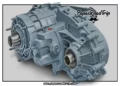
- Transmission issues: Rough shifting, hesitation, or slipping gears.
- Suspension failure: Premature wear on components like control arms and bushings.
Data Table: 2012 Genesis Problem Breakdown
| Problem | Estimated Repair Cost | Frequency (per 100 owners) |
|---|---|---|
| Engine Knock/Failure | $4,000–$6,000 | 18 |
| Transmission Issues | $2,500–$3,500 | 11 |
| Suspension Problems | $1,000–$2,000 | 8 |
Why Avoid?
The 2012 Genesis is plagued by engine and drivetrain issues that can be expensive to fix. Many owners report frustration with Hyundai’s unwillingness to cover repairs under warranty.
2015 Hyundai Genesis
This was the first year of the Genesis’ second generation, with a new platform and updated tech. Sadly, it suffers from first-model-year bugs.
Common Problems
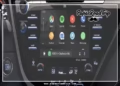
- Infotainment system glitches: Freezing screens, Bluetooth issues, and navigation failures.
- Electronic parking brake failure: Can leave the car stuck in park or roll unexpectedly.
- Steering system problems: Sudden loss of power assist, making steering difficult.
Data Table: 2015 Genesis Major Issues
| Component | Common Issue | Repair Cost |
|---|---|---|
| Infotainment | Screen freezes, no sound | $800–$2,000 |
| Parking Brake | Fails to release | $500–$1,200 |
| Steering | Loss of power assist | $1,500–$2,500 |
Why Avoid?
The 2015 Genesis introduced advanced electronics, but many were not fully tested. Owners faced annoying and costly electrical failures, with some repairs requiring dealership-only tools and knowledge.
Other Problematic Genesis Years (with Caveats)
While 2009, 2012, and 2015 are the worst years to avoid, a few other years also have higher-than-average complaints. However, these issues are less severe or more likely to have been fixed by now.
- 2010: Some transmission and electrical complaints, but not as widespread as 2009.
- 2013: Minor infotainment and suspension problems.
- 2016: Second-year for the new generation, with some lingering electrical bugs.
If you find a well-maintained Genesis from these years with a full service history and no recalls outstanding, they can still be a good buy. But inspect and test-drive carefully.

Credit: www.carparts.com
What Makes A Genesis Year Risky?
Not all problems are the same. Some years have issues that are annoying but cheap to fix, while others have engine or transmission failures that cost thousands. Here’s what to watch for:
- Engine and Transmission: Most expensive and essential parts. Failures here are deal-breakers.
- Electrical Systems: Problems with the infotainment, climate control, or sensors can be hard to diagnose.
- Suspension and Steering: Affect safety, comfort, and long-term repair costs.
- Recalls: High numbers of recalls often signal design flaws.
Hidden Issues Beginners Miss
Many buyers focus only on mileage or price. But service history is often more important. A 90,000-mile Genesis with dealer service records is often less risky than a 50,000-mile car with missing maintenance.
Another common mistake: ignoring the cost of electronic repairs. Luxury cars often have complex systems that are expensive to fix—even small things like window switches or parking sensors.
Which Hyundai Genesis Years Are Safe To Buy?
Some Genesis years are known for strong reliability, fewer complaints, and better owner satisfaction. If you want the best chance of trouble-free driving, consider these years:
- 2011: Improved transmission and fewer engine issues.
- 2014: Last year of the first generation, most bugs worked out.
- 2016 (late production): Many early electrical problems fixed.
Comparison Table: Good Vs. Bad Genesis Years
| Model Year | Reliability (1–5) | Common Issues | Average Repair Cost |
|---|---|---|---|
| 2009 | 2 | Transmission, electrical | $2,500 |
| 2011 | 4 | Minor electronics | $900 |
| 2012 | 2 | Engine, suspension | $3,000 |
| 2014 | 4.5 | Very few | $750 |
| 2015 | 2.5 | Electrical, steering | $1,800 |
Reliability based on owner surveys and expert data (1 = poor, 5 = excellent).
How To Spot A Bad Genesis Before You Buy
Avoiding a risky Genesis year is only part of the process. Even in “good” years, a neglected or abused car can be trouble. Use these steps to reduce your risk:
- Check for Recalls: Use the car’s VIN on the NHTSA website to see if all recalls are fixed.
- Review Service Records: Look for regular oil changes, transmission service, and any major repairs.
- Inspect Electronics: Test every button, screen, and sensor—these often fail on older Genesis models.
- Test Drive: Listen for engine knocks, rough shifting, or suspension clunks.
- Get a Pre-Purchase Inspection: A trusted mechanic can spot hidden problems, especially with the engine or transmission.
Example
A buyer found a 2015 Genesis with low miles and a great price. After a mechanic’s check, they discovered the electronic parking brake had failed—a $900 repair that explained the discount.
Should You Avoid Early Genesis Models Altogether?
It’s easy to think that the first generation is risky, but that’s not always the case. The 2011 and 2014 Genesis are often praised for reliability and value. Hyundai improved the car each year, so the later in the generation, the better.
However, buyers should be extra cautious with:
- Early production years (2009, 2012)
- High-mileage cars without full maintenance
- V8 engines (more power, but more problems and higher running costs)

Credit: www.ebay.com
What To Know About Genesis Engines
Most Genesis models offer a choice of V6 or V8 engines. Here’s what matters for reliability:
- V6 (3.8L Lambda): Generally reliable, especially after 2011 updates. Watch for timing chain noise after 100,000 miles.
- V8 (4.6L Tau or 5.0L): More performance, but more likely to have engine knocking, oil leaks, or expensive repairs.
Pro Tip: The V8 is tempting for its power, but the V6 is usually cheaper to own and less likely to have major issues.
How Genesis Compares To Other Luxury Sedans
The Genesis is often compared to the Lexus GS, BMW 5 Series, and Mercedes E-Class. Here’s how reliability stacks up:
- Genesis: Cheaper repairs, less prestige, but solid reliability in later years.
- Lexus GS: Best reliability, but higher prices.
- BMW/Mercedes: Great handling and luxury, but much higher repair costs and more electronic failures.
Many buyers find the Genesis offers an excellent value—as long as you avoid the problem years.

Credit: rerev.com
Practical Tips For Genesis Buyers
If you have your eye on a Hyundai Genesis, follow these tips:
- Prioritize maintenance: A car with full dealer records is always safer.
- Pick the right year: Go for 2011, 2014, or a late 2016 if possible.
- Budget for repairs: Even reliable Genesis models can need $1,000+ in annual maintenance as they age.
- Avoid V8s unless you need the power: The V6 is more than enough for most drivers.
- Double-check electronics: Infotainment, sensors, and climate controls are the most common failure points.
- Look for one-owner cars: These are often better maintained and have fewer hidden issues.
Real-world Owner Experiences
Many owners love their Genesis for the smooth ride and quiet cabin. But those who bought from problem years report frustration and high costs.
- One 2012 owner had to replace the engine at 90,000 miles due to knocking—an $8,000 repair.
- A 2015 owner dealt with three failed infotainment modules in two years, costing over $2,500.
- In contrast, a 2014 Genesis V6 owner drove 120,000 miles with only minor repairs.
Hyundai’s Response To Genesis Problems
Hyundai has issued several recalls and service bulletins for the Genesis, especially for airbag sensors, electrical issues, and engine problems. However, many owners report that dealers are slow to help once the car is out of warranty.
This means it’s essential to check that all recalls are addressed before buying and to consider the cost of out-of-warranty repairs.
The Cost Of Ownership: Genesis Vs. The Competition
While the Genesis is cheaper to buy than German rivals, repair costs can still add up. Here’s how it compares (average annual maintenance for 8-year-old models):
- Hyundai Genesis: $650–$900
- Lexus GS: $700–$1,000
- BMW 5 Series: $1,200–$2,000
- Mercedes E-Class: $1,400–$2,200
Genesis parts are less expensive, but dealer-only repairs (especially electronics) can be pricey.
When A “bad” Genesis Year Might Still Be Ok
Sometimes, a well-cared-for 2012 or 2015 Genesis can still be a good value. If all recalls are fixed, service is up to date, and a mechanic gives the thumbs up, you might get a great car at a discount. Just be sure to negotiate price to account for higher risk.
How To Find A Good Used Genesis
- Look for certified pre-owned (CPO) models: These usually come with an extended warranty.
- Buy from private owners with records: You can ask detailed questions about maintenance.
- Avoid auction or “as-is” cars: These are often the ones with hidden problems.
Where To Research Genesis Reliability
For deep dives into reliability data, check sites like CarComplaints, NHTSA, and Consumer Reports. One helpful resource is the official Genesis Motors USA site, which lists recalls and service bulletins. For more, visit NHTSA’s Genesis recall search.
Frequently Asked Questions
What Is The Worst Hyundai Genesis Year To Avoid?
The 2009 Genesis is widely considered the worst year to avoid. It suffers from major transmission failures, electrical system faults, and engine stalling. Many of these problems were fixed in later years, but the 2009 model remains the riskiest choice.
Are Hyundai Genesis Cars Reliable?
Some Genesis years are reliable, especially 2011, 2014, and late 2016 models. However, certain years—like 2009, 2012, and 2015—have higher rates of engine, transmission, and electrical problems. Always check maintenance records before buying.
Is The Genesis V8 Engine More Problematic Than The V6?
Yes, the V8 engines (especially the 5.0L) are more likely to have problems like engine knocking, oil leaks, and higher repair costs. The V6 is generally more reliable and cheaper to own for most drivers.
What Are The Most Expensive Genesis Repairs?
The costliest repairs are engine replacements ($4,000–$8,000), transmission rebuilds ($2,500–$4,000), and infotainment system failures ($800–$2,000). Always budget for these risks with older or high-mileage Genesis models.
How Can I Make Sure A Used Genesis Is A Good Buy?
Check for full service records, verify that all recalls are fixed, and get a pre-purchase inspection from a trusted mechanic. Test all electronics and look for one-owner vehicles for the best chance at a trouble-free experience.
Making a smart Genesis purchase is all about knowing which years to avoid, what to check, and being ready for the unique challenges of luxury car ownership. When you do your homework, the right Genesis can deliver a comfortable, stylish ride for years to come.