

Many people look at the Nissan Altima when searching for a used midsize sedan. It is popular because of its comfortable ride, good fuel economy, and affordable price. However, not every Altima model year offers the same reliability. Some years come with repeated complaints, expensive repairs, and frustrating problems. If you want to buy a used Altima, it’s smart to know which years to avoid, and why. This guide will help you make a confident decision, save money, and avoid common headaches.
Why Some Nissan Altima Years Are Risky
No car is perfect, but certain years of the Nissan Altima have more serious issues than others. These problems often show up in owner complaints, recall records, and repair data. Common trouble spots include the transmission, engine performance, and safety systems.
Car manufacturers often fix problems in later model years. But if you buy a used Altima from a troublesome year, you may end up with repair bills that cost more than the car itself. Understanding these risks can protect you from making a costly mistake.
Quick Overview: Best And Worst Nissan Altima Years
Before we explore the details, here’s a high-level look at which Altima years are known for problems, and which are safer bets.
| Model Years to Avoid | Common Issues |
|---|---|
| 2002–2006 | Engine failure, rust, suspension problems |
| 2009–2013 | CVT transmission failure, steering issues |
| 2014–2016 | Transmission, interior quality, electrical |
Most experts agree that the 2013 Altima is the year you should be most careful with, but several others have their own risks. Let’s look closer at each generation and the specific years to avoid.
First Generation (1993–1997): Early Altima Reliability
The first Altima models set the foundation for the car’s reputation. While these cars are now very old, some buyers still find them on the used market. The early years had average reliability, but rust and age-related problems are major concerns.
In general, it’s best to avoid these due to their age and the difficulty of finding replacement parts.
Second Generation (1998–2001): Decent But Dated
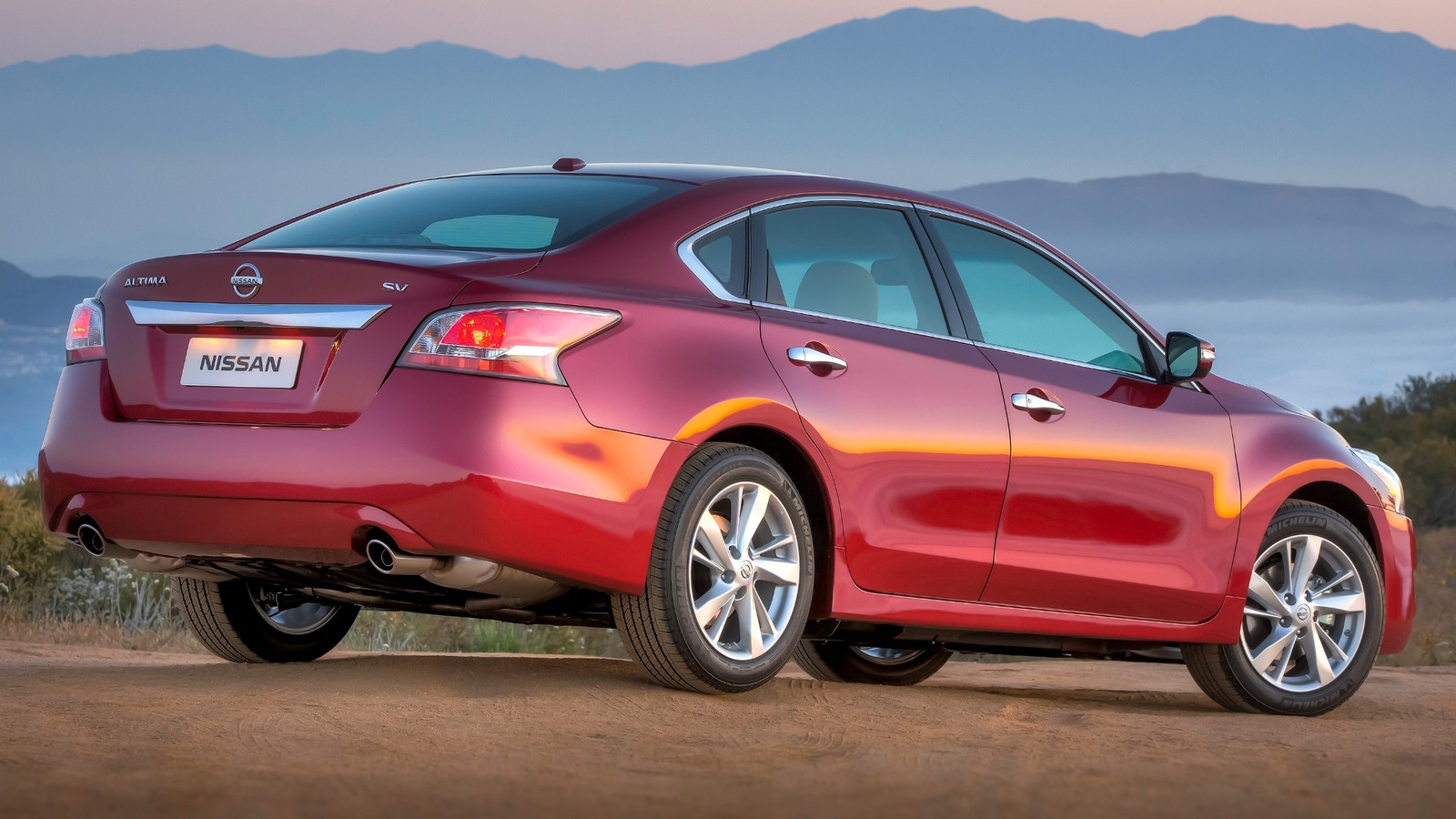
The second generation improved on comfort and interior space. Most models from these years are relatively reliable, but with the youngest ones now over 20 years old, they often face rust, electrical, and wear issues. These cars are rarely recommended unless you are on an extremely tight budget and can handle repairs.
Credit: www.slashgear.com
Third Generation (2002–2006): Beware Of Engine And Rust Issues
This generation saw a big design change and more advanced features. Unfortunately, it also brought new problems. The 2002, 2003, and 2005 Altima models, in particular, are years to avoid.
Common Problems In 2002–2006
- Engine Failure: Many owners reported excessive oil consumption and even complete engine failure, sometimes before 100,000 miles.
- Rust Issues: Models from these years are notorious for rusted floorboards. In some cases, the rust is so severe it creates holes in the car’s floor.
- Suspension Problems: Premature wear in the suspension system can cause a rough ride and extra repair costs.
Non-obvious Insight: Even if these cars seem cheap, the risk of sudden engine failure or unsafe rust damage often leads to more expensive repairs than the car’s value.
Fourth Generation (2007–2012): Transmission Troubles
Nissan started using the CVT (continuously variable transmission) widely in the Altima during these years. CVTs promised better fuel economy and smoother driving, but early designs had serious flaws.
2009–2010 Altima: High-risk Years
These model years stand out for repeated CVT transmission failures. Owners often report transmission whining, slipping, or total breakdown—sometimes just after the warranty ends. Replacing a CVT can cost $3,000 or more.
Other Issues In This Generation
- Steering Lock Failure: 2009 and 2010 Altimas can suffer from a failed electronic steering column lock, which may leave the car unable to start.
- Electrical Problems: Problems with power windows, locks, and sensors are more frequent in these years.
- Air Bag Recalls: Some models are included in major airbag recalls, increasing safety concerns.
Practical Tip: If you buy an Altima from this generation, check if the transmission was already replaced and make sure all recall work was done.
Fifth Generation (2013–2018): The Worst Year And New Issues
Nissan redesigned the Altima for 2013. While the car looked modern and promised better fuel economy, the first years of this generation had severe reliability problems. The 2013 Altima is widely regarded as the worst model year, and 2014–2016 are also risky.
2013 Altima: Problems You Can’t Ignore
- Transmission Failure: CVT issues continued and often appeared before 60,000 miles.
- Shuddering and Jerking: Many owners report the car shudders or jerks during acceleration.
- Interior Quality: Cheap materials and peeling dashboards led to many complaints.
- Electrical Issues: Problems with keyless ignition, battery drains, and infotainment systems were common.
2014–2016: Some Improvements, But Not Enough
Nissan improved some parts but did not fully solve the transmission problems until later years. 2015 and 2016 Altimas still have higher-than-average complaints about transmission shuddering and interior trim.
Non-obvious Insight: Even with low miles, these Altimas can develop expensive issues. It’s not just about how much the car was driven—flawed parts fail regardless of gentle use.
Sixth Generation (2019–present): Improved But Not Perfect
The latest Altima generation introduced new engines, all-wheel drive (for some models), and more tech. Reliability is better overall, but some early sixth-gen cars had issues:
- Infotainment Glitches: Problems with touchscreens and smartphone connectivity.
- Brake Noise: Some owners report squeaks or grinding sounds.
- Recalls: A few recalls for fuel system and rearview camera problems.
Generally, 2019–2020 models have minor problems compared to earlier years, and 2021 onward shows further improvement.
Detailed Breakdown: Nissan Altima Years To Avoid
Let’s look at each risky year, the main problems, and what makes them a poor choice for most buyers.
2002 Altima
- Engine burning oil and failing prematurely
- Rusted floorboards and weak underbody protection
- Catalytic converter failure leads to engine damage
2005 Altima
- Continued engine problems
- Sensor failures (oxygen sensor, crankshaft position sensor)
- Suspension wear
2009 Altima
- CVT transmission breakdowns
- Steering lock unit failure (car won’t start)
- Airbag recall involvement
2010 Altima
- CVT issues persist
- Electrical glitches (starter, locks)
- Interior rattles and trim problems
2013 Altima
- Most complaints of any Altima year
- Transmission failure before 60,000 miles
- Dashboard warping
- Stalling and shuddering
2014–2016 Altima
- Transmission shudder still common
- Interior materials degrade quickly
- Poor infotainment reliability
What Makes These Years So Problematic?
A combination of design flaws, low-quality parts, and slow recalls made these Altimas a headache for many owners.
- Transmission Design: Nissan’s early CVT units often overheated, wore out prematurely, or failed with little warning.
- Costly Repairs: Replacing a CVT is much more expensive than fixing a traditional transmission.
- Rust Protection: Some years lacked enough rustproofing, especially in regions with road salt.
- Slow Recalls: In some cases, Nissan took years to address known problems, leaving owners to pay out of pocket.
Example: A 2013 Altima owner may face a $3,500 transmission replacement and a $1,000 dashboard fix within the first few years—costs that often exceed the value of the car.
Common Nissan Altima Problems Explained
If you’re shopping for a used Altima, it helps to understand the most frequent issues in detail.
Cvt Transmission Failure
The most serious and expensive problem. Symptoms include:
- Whining or grinding noise
- Delayed acceleration
- Shuddering during driving
- Warning lights or limp mode
Once the CVT fails, the only solution is often a full replacement.
Engine Problems
Mainly seen in 2002–2006 models. Warning signs:
- Excessive oil consumption
- Check engine light
- Rough idle or stalling
Ignoring these can lead to total engine failure.
Rust Issues
Especially bad in 2002–2006 Altimas. Look for:
- Soft spots under carpet
- Visible holes or flaking metal
- Rust around wheel wells and underbody
Electrical And Interior Glitches
Frequently reported in 2013–2016 models. Includes:
- Failing keyless ignition
- Unresponsive infotainment
- Peeling dashboard
Comparison: Problematic Vs. Reliable Altima Years
Here’s a side-by-side look at complaint rates and estimated repair costs for the most and least reliable Altima years.
| Model Year | Owner Complaints (approx.) | Common Major Repair Cost | Overall Reliability |
|---|---|---|---|
| 2013 | 3,000+ | $3,500 (CVT), $1,000 (dashboard) | Poor |
| 2010 | 1,900+ | $3,000 (CVT), $700 (steering lock) | Poor |
| 2017 | 400+ | $1,200 (brakes), $500 (electronics) | Good |
| 2021 | 100+ | $300 (infotainment update) | Excellent |
Non-obvious Insight: Sometimes, a slightly newer Altima costs just a bit more but avoids the worst years’ problems—and saves thousands in repairs.
Are All Used Altimas Bad?
Not at all. Many Altima years are reliable and offer good value. 2017–2021 models, for example, have far fewer complaints and benefit from Nissan fixing past issues. The key is to avoid the years with known design flaws and to check maintenance records on any used car you consider.
How To Spot A Problem Altima Before You Buy
Even if you avoid the worst years, it’s smart to check any used Altima carefully. Here’s what to do:
- Test Drive Thoroughly: Listen for transmission noises, shuddering, or rough shifts.
- Check for Recalls: Make sure all recall work is completed.
- Inspect for Rust: Look under the car and under the carpets for rust or holes.
- Review Service Records: A well-documented maintenance history is a good sign.
- Scan for Warning Lights: Make sure the dashboard is clear of check engine or other alerts.
Pro Tip: Ask a trusted mechanic to inspect the car before you buy. This small expense can save you thousands.
Better Alternatives To Risky Altima Years
If you want a used midsize sedan but want to avoid risky Altima years, consider these alternatives:
- Toyota Camry (2012–2017): Known for reliability, even with high mileage.
- Honda Accord (2013–2017): Strong resale value and fewer expensive issues.
- Mazda6 (2015–2019): Sportier feel, good reliability.
These cars are often available for similar prices as used Altimas but have fewer major issues.
Nissan Altima Recall History
Recalls are important to consider because they show how a manufacturer responds to problems. The Altima has had several major recalls, including:
- Airbag recalls: Affected many 2009–2014 models.
- Steering lock recalls: Especially in 2009–2010.
- Rear suspension recalls: In some 2013–2018 models.
Always check the VIN of any used Altima at the official NHTSA recall site to make sure all recall repairs were completed.

Credit: www.copilotsearch.com
The Cost Of Risk: Real-world Examples
Buying an Altima from a risky year can be much more expensive than you might think. For example:
- 2013 Altima: A buyer paid $8,500 for a used Altima with 55,000 miles. The transmission failed at 62,000 miles, costing $3,600 to replace. Six months later, the dashboard started to melt and required a $900 repair.
- 2010 Altima: Another owner spent $7,200 on a 2010 model. A failed steering lock left them stranded; the repair was $950.
These real stories show why avoiding certain years is crucial, even if the initial price seems attractive.
Why Do People Still Buy Risky Altima Years?
Many buyers are drawn by the low price of used Altimas from these years. Sellers may not mention known problems, and some issues don’t show up on short test drives. Also, some buyers believe newer cars are always better, but with Altima, the year often matters more than the mileage.
Non-obvious Insight: Some used car dealers “refresh” Altimas by fixing cheap cosmetic issues while ignoring expensive mechanical problems. Always do your own research and bring a mechanic.
Nissan’s Response To Past Problems
Nissan has made efforts to fix its reputation, especially with the Altima’s CVT transmission. Starting with the late fifth generation and continuing in the sixth, Nissan improved parts and extended some warranties. However, these changes don’t help owners of earlier models who already faced costly repairs.
Should You Ever Buy A High-mileage Altima?
If the Altima you’re considering has over 100,000 miles and is from a risky year, proceed with caution. High mileage on a model already known for transmission or engine issues increases the chance of expensive breakdowns.
If you find a well-maintained Altima from a more reliable year, high mileage is less of a concern. Regular service records, especially for the transmission, are a good sign.
Nissan Altima Resale Value
Resale value drops sharply for Altimas from the worst years. For example, a 2013 Altima loses value much faster than a similar Honda Accord or Toyota Camry. This is partly due to the high number of complaints and the risk of expensive repairs.
If you plan to resell your car in the future, choosing a reliable year will protect your investment.
How Nissan Altima Compares To Rivals
Here’s a quick look at how Altima stacks up against two top competitors in terms of reliability and repair costs.
| Model | Years to Avoid | Typical Repair Cost (Major Issue) | Overall Reliability |
|---|---|---|---|
| Nissan Altima | 2002–2006, 2009–2013, 2014–2016 | $3,500 (CVT) | Mixed |
| Toyota Camry | 2007–2009 (oil burning) | $2,000 (engine) | High |
| Honda Accord | 2008–2010 (brakes, oil) | $1,200 (brakes) | High |
Pro Insight: Camry and Accord tend to have fewer model years with serious problems, and their major repairs are often less expensive.
What To Do If You Already Own A “bad” Altima Year
If you already have an Altima from a risky year, all is not lost. Here are steps you can take:
- Stay on top of maintenance: Follow the schedule closely, especially for the transmission.
- Address small issues early: Fixing minor problems can prevent bigger failures.
- Check for recalls: Make sure all recall work is completed.
- Consider selling: If repair costs pile up, it may be cheaper to sell and move to a more reliable model.
Where To Find Reliable Used Car Information
Rely on more than just seller promises. Use sites like CarComplaints.com, NHTSA, and trusted automotive publications. For deep research on recalls and owner reports, the Consumer Reports site is a valuable resource.
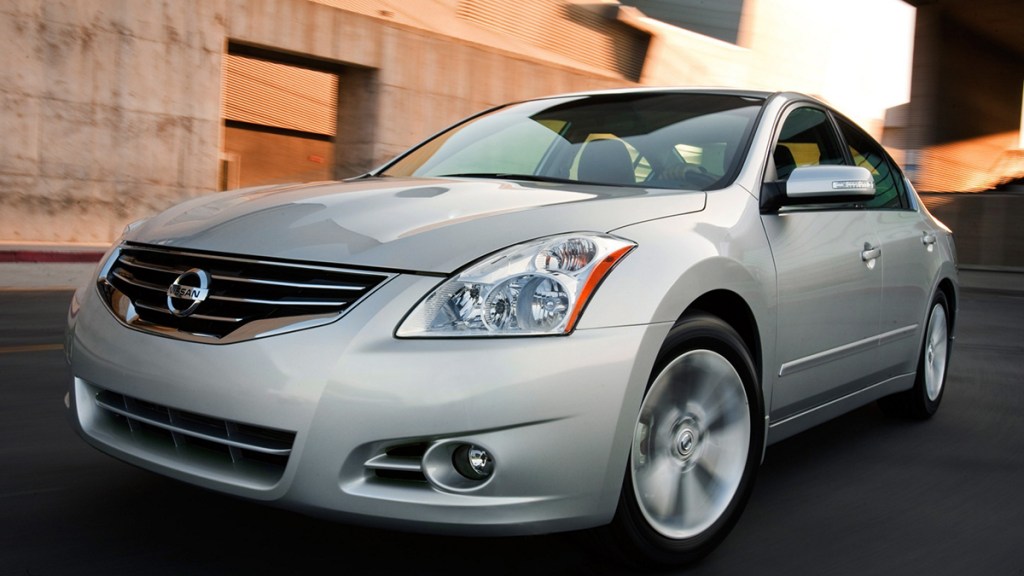
Credit: www.autotrader.com
Making The Smart Choice
The Nissan Altima can be a great car if you pick the right year. Avoiding certain model years will save you money and stress. Focus your search on Altimas from 2017 and newer, or consider rivals if you find a risky year at a tempting price.
Remember, a low price on a used car is not always a good deal. Paying a little more for a reliable year is almost always the smarter choice in the long run.
Frequently Asked Questions
What Is The Worst Nissan Altima Year To Avoid?
The 2013 Nissan Altima is considered the worst year due to high rates of transmission failure, interior problems, and overall complaints. Most experts and owner surveys recommend avoiding this year.
Are Newer Altimas (2019 And Up) Reliable?
Yes, 2019 and newer Altimas are more reliable than earlier models. Nissan improved the CVT transmission and addressed many past problems. Some minor issues like infotainment glitches exist, but they are less serious.
How Can I Check If A Used Altima Had Its Recalls Fixed?
Use the car’s VIN on the official NHTSA recall website. This will show any open recalls and whether repairs were completed by a dealer.
Is It Safe To Buy A High-mileage Altima From A Good Year?
If the car has a solid maintenance history and is from a reliable year (like 2017 or newer), high mileage is less risky. Still, a pre-purchase inspection by a mechanic is wise.
What Are Better Alternatives To Risky Altima Years?
Consider the Toyota Camry (2012–2017) or Honda Accord (2013–2017). Both offer strong reliability, lower repair costs, and high owner satisfaction compared to the most problematic Altima years.
Choosing the right Altima means more than just finding a good price—it’s about knowing which years to avoid and understanding why. When you do your homework, you can drive with confidence and peace of mind.