

The Toyota 4Runner is a legend among SUVs. It’s known for reliability, off-road skills, and a long life. But even great vehicles have their weak spots. If you’re looking at the 5th generation 4Runner (2010–present), you might wonder: are there certain years you should avoid? This is a smart question—because choosing the right year can save you money, stress, and time in the shop.
This guide will help you understand which 5th gen 4Runner years to avoid, why they can be risky, and what alternatives make the most sense. You’ll get real examples, data from owners, and practical tips to make a confident choice.
Understanding The 5th Gen 4runner
The 5th generation Toyota 4Runner launched in 2010 and still runs today with some updates. It’s famous for its body-on-frame design, powerful V6 engine, and reputation for durability. These SUVs are popular with families, outdoor lovers, and anyone who needs a vehicle that can handle tough roads.
But not every model year is built the same. Toyota made improvements over time, fixed certain issues, and added features. Some years had more complaints, recalls, or expensive problems than others.
Key Problems In The 5th Gen 4runner
Before looking at which years to avoid, it’s important to know the main issues that owners report. This helps you understand why some years are riskier than others.
- Transmission and shifting problems: Some years had rough shifting, hesitation, or transmission failures.
- Electrical and infotainment issues: Touchscreens, radios, and backup cameras sometimes failed or glitched.
- Paint and body complaints: Peeling paint and rust appeared earlier than normal for some owners.
- Brake system faults: Soft brakes, premature wear, and master cylinder issues raised safety concerns.
- Premature interior wear: Seats and dashboards cracked or faded quickly, especially in sun-exposed areas.
Not every 4Runner has these problems, but the risk is higher in certain years, especially if the vehicle wasn’t well maintained.
5th Gen 4runner Years To Avoid
Now let’s look at the main years most experts and owners say to avoid. The reasons are based on owner complaints, recall data, and repair costs.
2010 Toyota 4runner
The first year of a new generation often has the most problems. The 2010 4Runner is no exception. Owners reported:
- Transmission hesitation or hard shifting
- Peeling paint, especially on the roof and hood
- Early failure of the infotainment system
- Soft brakes and master cylinder leaks
A common story: after just a few years, some 2010 models needed expensive transmission repairs or repaints. Toyota made updates in later years to fix these flaws.
2011 Toyota 4runner
The 2011 model fixed some issues but kept others. Owners saw:
- Brake system problems, including soft pedals and ABS warning lights
- Persistent paint quality complaints
- More electrical issues in higher trims
There were fewer major engine problems, but the brake repairs could still cost over $1,000, and electrical fixes were sometimes needed even under warranty.
2014 Toyota 4runner
The 2014 4Runner brought a mid-generation refresh with new looks and tech, but it also introduced new problems:
- Infotainment system failures: Touchscreens freezing, Bluetooth disconnecting, navigation errors
- Peeling paint, especially in white and silver colors
- Early rust on underbody parts
The 2014-2015 infotainment system was a big step, but Toyota’s first version had bugs. Some owners faced $2,000+ bills for radio or navigation replacements.
2015 Toyota 4runner
Many 2014 issues rolled over into 2015. Owners noted:
- More infotainment complaints (touchscreen lag, sound system failures)
- Ongoing paint and rust issues
- Some reported water leaks around the sunroof and doors
While the engine and transmission were generally solid, the electronics and paint quality made these years less attractive for buyers who want low-maintenance ownership.
2020 Toyota 4runner
You might be surprised to see a recent year on this list. The 2020 4Runner introduced new safety tech, but this also brought new glitches:
- Lane departure and adaptive cruise failures
- Backup camera and screen blackouts
- Sensor problems causing warning lights
Many owners loved the new features, but reliability dropped compared to older, simpler 4Runners. Some repairs were covered by warranty, but the hassle and downtime were real.
Common Patterns: Why These Years Struggle
Looking at the data, a few patterns stand out:
- First and refresh years: Big changes often mean more bugs. The 2010 and 2014 refresh years had the most “teething” issues.
- Tech upgrades: New infotainment or safety systems brought more electrical complaints. Toyota’s early Entune system (2014–2015) and 2020’s safety suite were not as reliable as older designs.
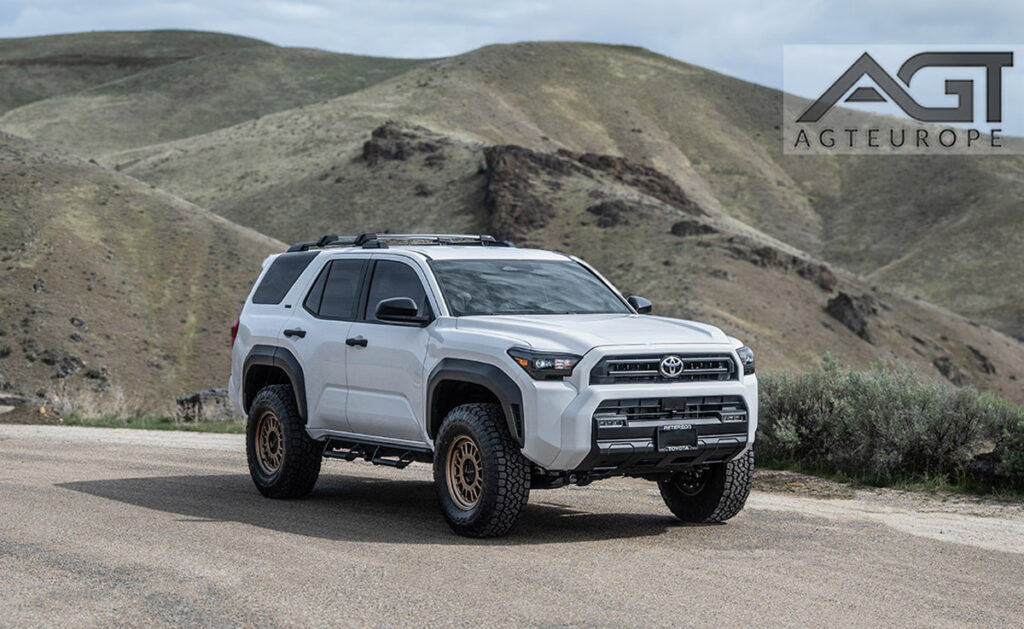
- Paint and rust: These issues hit certain colors harder (especially white and silver), and Toyota’s paint formulas changed over time. Early 5th gens and some 2014–2015 models were most affected.
- Brakes: The master cylinder and booster problems were mostly limited to 2010–2011, with fewer reports after 2012.
Credit: agtauto.com
How Common Are These Problems? Owner Data And Statistics
To see the scale of these issues, it helps to look at complaint numbers and recall data. Here’s a comparison of key years:
| Model Year | Total NHTSA Complaints | Most Common Problem Area | Major Recalls |
|---|---|---|---|
| 2010 | 220+ | Transmission, Paint | 3 |
| 2011 | 180+ | Brakes, Paint | 2 |
| 2014 | 160+ | Infotainment, Rust | 2 |
| 2015 | 140+ | Infotainment, Paint | 2 |
| 2020 | 120+ | Safety Sensors, Infotainment | 1 |
The numbers above come from the National Highway Traffic Safety Administration (NHTSA) and owner forums. While the 4Runner is not as problematic as some SUVs, these years clearly have more complaints and recalls.
Problems And Costs: Real-world Examples
Repairs for these issues can add up fast. Here’s a look at what some owners faced:
- Transmission repair (2010): $2,500 to $4,500 for rebuild or replacement
- Brake master cylinder (2010–2011): $1,000 to $1,800
- Infotainment unit (2014–2015): $1,200 to $2,500
- Paint respray (any affected year): $1,000 to $3,500 depending on panels
One example: a 2014 owner in Texas had the touchscreen fail three times in two years. The dealer replaced it under warranty once, but the next two times the owner paid $1,500 each—almost as much as a used replacement unit.
Years With The Fewest Problems
Not all 5th gen 4Runners have these headaches. Some years stand out for their reliability and low cost of ownership. If you want a safe bet, consider these:
- 2012–2013: Fewer reports of major problems, especially after Toyota fixed early brake and paint issues.
- 2016–2019: Electronics improved, paint and rust complaints dropped, and the engine/transmission remained strong.
- 2021–present: New safety features are more reliable, and Toyota kept making small fixes.
Here’s a quick comparison of owner satisfaction by year:
| Model Year | Owner Rating (out of 5) | Common Praise | Typical Complaint |
|---|---|---|---|
| 2012 | 4.7 | Reliability, Comfort | Fuel Economy |
| 2013 | 4.8 | Durability, Off-Road | Basic Tech |
| 2016 | 4.7 | Smooth Ride, Toughness | Outdated Infotainment |
| 2017 | 4.8 | Low Maintenance | MPG |
| 2019 | 4.8 | Value, Features | Still basic tech |
What Makes A “bad” Year? Mistakes And Oversights
It’s easy to miss some details when shopping for a used 4Runner. Here are two insights most buyers overlook:
- Not all problems are reported. Many owners never report issues to Toyota or the NHTSA, so actual problem rates might be higher than the data shows. Checking owner forums can reveal hidden patterns.
- Regional differences matter. Rust and paint issues are far worse in cold, snowy states where road salt is used. A 2014 4Runner from Arizona might have no rust, while one from Michigan could be full of it.
Another mistake: focusing only on mileage. A well-maintained 2010 with 150,000 miles can be better than a 2014 with 80,000 miles that never had regular service.
How To Check For Problems Before You Buy
Avoiding a risky 4Runner is possible if you follow a careful process:
- Get a pre-purchase inspection from a trusted mechanic. They can spot transmission, brake, and electrical problems before you buy.
- Check the VIN for recalls at the official Toyota or NHTSA website.
- Ask for service records. Good maintenance reduces the risk, even in a “bad” year.
- Inspect for paint and rust around the roof, hood, and underbody—especially on 2010–2015 models.
- Test all electronics during your test drive. Make sure the touchscreen, Bluetooth, cameras, and sensors work on the 2014–2020 models.
Comparison With Other Toyota Suvs
How does the 5th gen 4Runner compare to other Toyota SUVs from the same era? Here’s a side-by-side look:
| Model | Engine Reliability | Electronics Issues | Rust/Paint Problems |
|---|---|---|---|
| 4Runner (2010–2020) | Excellent | Moderate (2014–2020) | High (2010–2015) |
| Highlander (2010–2020) | Very Good | Low | Low |
| Sequoia (2010–2020) | Excellent | Low | Moderate |
| RAV4 (2010–2020) | Good | Low | Low |
The 4Runner shines for engine durability and off-road toughness, but it’s not immune to tech and paint issues, especially compared to the Highlander or RAV4.

Credit: runnin4tacos.com
Should You Avoid These Years Completely?
Not every 2010, 2011, 2014, 2015, or 2020 4Runner is a lemon. Many owners drive these years trouble-free for hundreds of thousands of miles. However, the risk of expensive or annoying problems is higher.
If you find a great deal on one of these years, consider:
- Has the main problem already been fixed? (e.g., has the infotainment system been replaced?)
- Is the price low enough to cover possible repairs?
- Does the vehicle have a full maintenance history?
Some buyers use these points to negotiate a better price. For example, if a 2010 4Runner needs a new paint job, you can ask for a discount to cover the cost. If you love the color or features, this might still be a good option.
What About The Trd Pro And Limited Trims?
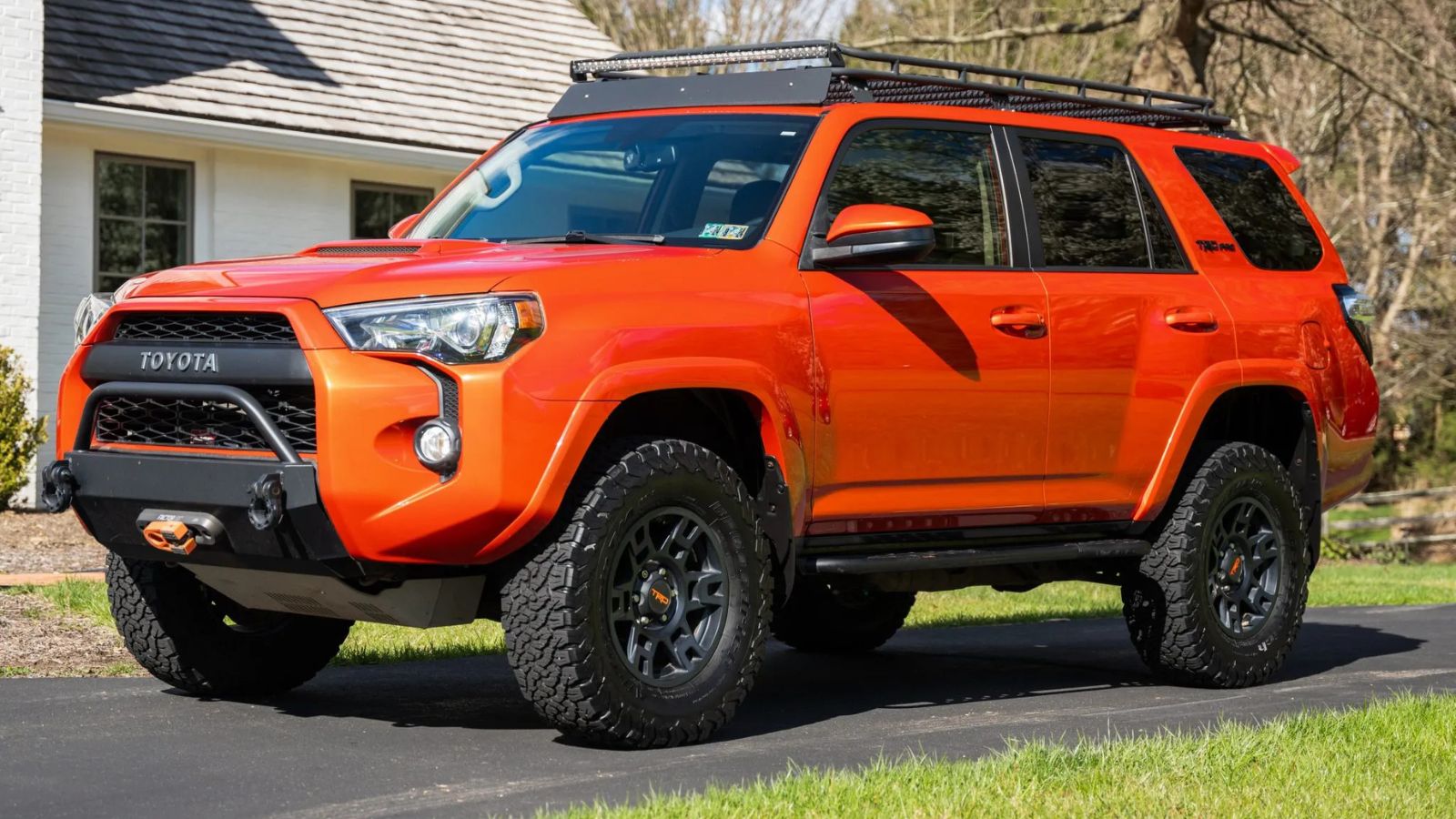
Special trims like the TRD Pro and Limited have the same underlying issues as regular trims for their year. However, these trims sometimes have more complex electronics (sunroofs, premium audio, advanced safety features), making repairs more expensive.
If you want a high-end trim, pay extra attention to:
- Sunroof leaks or failures (2014–2015 especially)
- Premium audio and navigation system health
- Adaptive safety system recalls (2020)
A full inspection becomes even more important when considering these trims.
Long-term Reliability: What To Expect
Even with their flaws, most 5th gen 4Runners last a long time. Many owners see 200,000 to 300,000 miles with proper care. The engine and transmission are proven, and parts are widely available.
The biggest risks in the years to avoid are unexpected, high-cost repairs—especially for paint, electronics, or brakes. If you buy one of these, set aside extra money for repairs or buy an extended warranty if available.
Tips For Buying A Used 5th Gen 4runner
If you’re set on a used 5th gen 4Runner, here are practical tips:
- Choose 2012–2013 or 2016–2019 for best reliability and lowest repair risk.
- Budget $1,500–$3,000 for possible repairs if buying a 2010, 2011, 2014, 2015, or 2020.
- Inspect the paint and frame carefully, especially on earlier models from cold or coastal states.
- Test all electronics—even small glitches can lead to big bills.
- Review the Carfax or AutoCheck report for accident history, as collision repairs can hide rust or electrical damage.
Credit: www.motorbiscuit.com
Real Owner Stories
Hearing from real owners gives extra insight. Here are a few examples:
- “My 2010 4Runner needed a new transmission at 100,000 miles. Toyota covered part of it, but I still paid over $2,000. The paint also started peeling on the roof.” — Mark, Ohio
- “We bought a 2014 Limited because we loved the tech. The navigation froze often, and the dealer couldn’t fix it. Eventually, we replaced the head unit with an aftermarket one.” — Tanya, California
- “Our 2017 4Runner has never let us down. Just oil changes and tires. We camp and off-road all the time.” — James, Utah
Most owners who avoid the risky years, or buy from dry climates and keep up with maintenance, report very few problems.
The Bottom Line
The 5th gen 4Runner is one of the toughest, most reliable SUVs on the market—but it’s not perfect. By avoiding the problem years (especially 2010, 2011, 2014, 2015, and 2020), you reduce the risk of costly repairs and frustrations.
If you find a good deal on a risky year, do your homework. Inspect it well, budget for repairs, and check the service history. For most buyers, the 2012–2013 and 2016–2019 models offer the best blend of value and reliability.
For more details on Toyota’s recall history and owner reports, check the official NHTSA database.
Frequently Asked Questions
Which 5th Gen 4runner Year Is The Most Reliable?
Most experts and owners agree that 2012, 2013, and 2016–2019 4Runners are the most reliable. These years have fewer complaints about brakes, electronics, and paint. They also benefit from Toyota’s small updates and fixes over time.
Is It Safe To Buy A 2010 Or 2011 4runner With High Miles?
It can be safe, but only if the vehicle has a great maintenance history and all major issues (especially brakes and transmission) have been fixed. Be ready for possible paint or electrical repairs. Always get an inspection before buying.
Did Toyota Fix The Infotainment Problems In Later Years?
Yes, Toyota improved the infotainment system after 2015. The 2016–2019 models have fewer complaints about freezing, lag, or total failure. However, even newer systems can glitch, so always test electronics carefully.
How Do I Check If A 4runner Has A Recall?
Enter the vehicle’s VIN at Toyota’s official website or on the NHTSA site. This will show all open recalls and whether the work was done. It’s a free and easy step before buying.
Are Paint Problems Covered By Toyota?
Some paint issues were covered by service bulletins or limited warranties, but many owners had to pay out of pocket. If you see peeling or rust, ask the seller if they have repair records or proof of coverage.
The 5th gen 4Runner can be a smart, long-lasting buy—if you choose your year wisely and check for hidden problems. With the right research and a careful inspection, you’ll find an SUV that lives up to Toyota’s reputation for reliability.