

The Tesla Model X has attracted drivers worldwide with its futuristic design, advanced tech, and electric performance. However, not every Model X year delivers the same reliability and value. If you’re thinking about buying a used Model X, knowing which years to avoid can save you money, stress, and time in the long run. In this guide, you’ll learn which Model X years are best skipped, why they’re problematic, and how to find a Tesla that fits your needs.
Tesla is famous for pushing innovation, but its early production models sometimes reveal growing pains. The Model X, launched in 2015, introduced unique features like falcon-wing doors and a panoramic windshield. These innovations wowed the market—but also led to unforeseen quality issues. Many buyers don’t realize that Tesla made big improvements in later years, so picking the wrong year can mean dealing with more repairs and less enjoyment.
This article is your experience-based guide. You’ll get practical advice, backed by real-world data, owner reports, and expert analysis. We’ll explain the main Tesla Model X years to avoid, explore common issues, compare year-over-year changes, and share tips for buying smart. If you want a Model X that’s reliable, safe, and fun, read on.
Understanding The Tesla Model X Timeline
The Model X rolled out in 2015 as Tesla’s first SUV, quickly becoming a symbol of luxury EVs. Over time, Tesla made big changes to its design, tech, and build quality. Here’s a quick overview of how the Model X evolved:
- 2015–2016: Early production years. Tesla faced manufacturing challenges and rushed to meet demand. Many features were new, with limited testing.
- 2017–2019: Improvements in electronics, build quality, and reliability. Tesla fixed many early issues but some problems lingered.
- 2020–2021: Refined models with better battery tech, software, and fewer complaints.
- 2022–2024: Major refreshes, new interior design, and advanced features. Reliability improved further.
Understanding these shifts helps you see why some years are riskier than others.
Tesla Model X Years To Avoid
Not every used Model X is a headache, but certain years stand out for high repair costs, recalls, or frustrating defects. Based on owner feedback, expert reviews, and recall data, these are the years you should avoid:
2016 Model X
2016 was the first full production year for the Model X. Tesla rushed to fill orders, and this led to several issues:
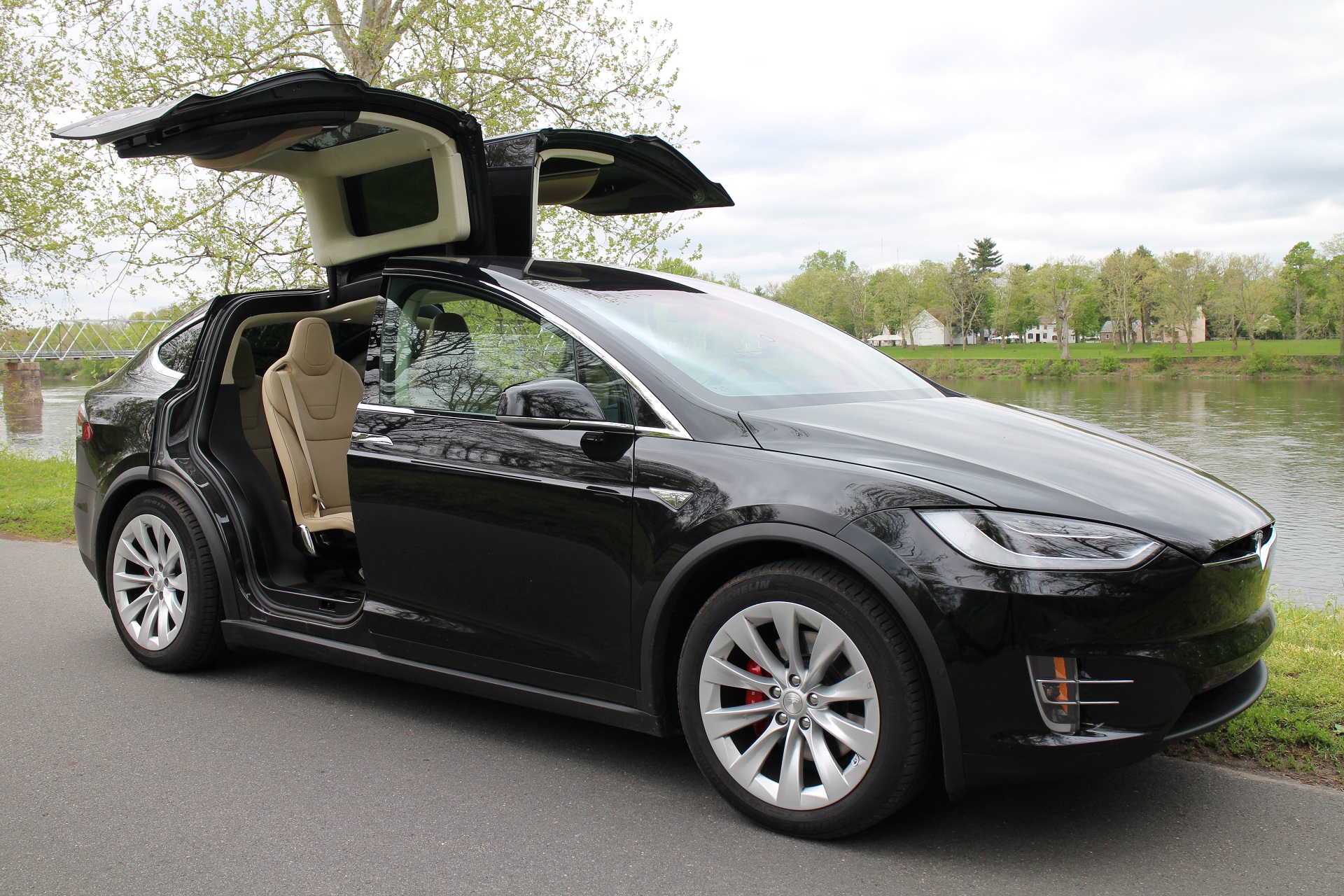
- Falcon-wing door malfunctions: Many owners reported doors that wouldn’t open, close, or seal properly. The unique door design needed more refinement.
- Electrical glitches: Complaints included screen freezes, faulty sensors, and random system reboots.
- Build quality problems: Misaligned panels, paint defects, and rattling noises were common.
- Frequent recalls: Tesla issued multiple recalls for seat locking, parking brakes, and airbags.
According to the National Highway Traffic Safety Administration (NHTSA), the 2016 Model X had over 10 recalls and hundreds of complaints. Repair costs for falcon-wing doors alone could reach $2,500–$4,000 if not covered by warranty. Owners often faced long service wait times.
2017 Model X
The 2017 Model X improved slightly, but many issues persisted:
- Door and latch failures: Falcon-wing doors still had reliability problems.
- Autopilot bugs: Tesla’s advanced driver assist systems struggled with software glitches, leading to unpredictable behavior.
- Battery and charging issues: Some owners reported rapid battery degradation and charging errors.
Consumer Reports gave the 2017 Model X a low reliability rating, citing more than average repairs for electronics and body components. Warranty repairs were frequent, but out-of-pocket costs could mount after expiration.
2018 Model X
By 2018, Tesla solved some early flaws, but new issues surfaced:
- Suspension failures: Owners complained about premature wear and expensive suspension repairs.
- Interior trim problems: Loose panels, fading upholstery, and broken cupholders were noted.
- Software instability: Updates caused features to stop working or led to slow response times.
While the 2018 Model X was more reliable than earlier years, it still ranked below average compared to competitors. Repair costs for suspension could hit $1,500–$3,000.
Why Are Early Model X Years Risky?
Tesla’s early production years saw many quality control problems. The company was growing fast, and some features—like the falcon-wing doors—were new to the industry. These doors used complex sensors and mechanisms, making them prone to failures. Owners often found themselves visiting Tesla service centers for fixes.
Another common issue was software bugs. Tesla updates its vehicles often, but early Model X versions sometimes experienced screen freezes, navigation glitches, or Autopilot errors. These problems were not just annoying—they could affect safety and usability.
Tesla responded by improving manufacturing, but buyers of the 2016–2018 Model X often faced repeated service visits. Even small problems like rattling noises or misaligned panels could mean days in the shop.
Credit: www.greencarreports.com
Comparing Tesla Model X Years
To help you visualize how Model X reliability changed, here’s a comparison of key years:
| Year | Recalls | Common Issues | Owner Satisfaction | Estimated Repair Costs |
|---|---|---|---|---|
| 2016 | 10+ | Doors, electronics, build quality | Low | $3,000–$6,000 |
| 2017 | 8 | Doors, Autopilot, battery | Low | $2,500–$5,000 |
| 2018 | 6 | Suspension, interior, software | Medium | $2,000–$4,000 |
| 2019 | 3 | Minor electronics | High | $1,500–$3,000 |
| 2020 | 2 | Rare glitches | Very High | $1,000–$2,500 |
This table shows that 2016–2018 Model X years have more recalls and higher repair costs. Satisfaction rises in later years as Tesla fixed many issues.
Owner Experiences: Real Stories
Understanding statistics is helpful, but hearing real owner stories adds context. Here are examples from Model X drivers:
- Mark (2016 Model X): “My falcon-wing doors stopped working twice in the first year. Tesla fixed them, but the wait was long. I had to deal with screen freezes and water leaks, too.”
- Linda (2017 Model X): “The Autopilot would disengage randomly. Also, my battery lost range faster than expected. Repairs were expensive after the warranty ended.”
- Jacob (2018 Model X): “Suspension started making noise after 30,000 miles. Tesla quoted $2,000 for repairs. The interior trim was also loose.”
These stories show that early Model X years often mean more hassle and expense. Later years deliver smoother ownership.
Tesla Model X Years Worth Considering
If you want a used Model X, focus on these years:
- 2019–2020: Fewer recalls, improved electronics, better build quality. Owners report high satisfaction and lower repair bills.
- 2021–2024: Major refreshes with redesigned interiors, advanced battery tech, improved software, and enhanced safety. Reliability is much higher, and most issues are minor.
Later Model X years also feature improved Autopilot and infotainment systems, making them more enjoyable and safer to drive.
Common Model X Problems And Costs
Let’s look at the most frequent Model X issues and what they cost to fix:
- Falcon-wing door repairs: $2,500–$4,000 per door (early years)
- Battery replacement: $12,000–$16,000 (rare, but costly if needed)
- Suspension repairs: $1,500–$3,000 (mostly 2018–2019)
- Screen replacement: $1,200–$2,500 (if touchscreen fails)
- Paint and panel fixes: $500–$2,000 (misalignments, scratches)
Many of these costs can be reduced if you buy a Model X with active warranty or extended coverage. However, after the warranty expires, repairs can quickly add up.
Data Table: Tesla Model X Repair Costs By Year
Here’s another table to compare average repair costs across different Model X years:
| Year | Average Annual Repair Cost | Warranty Coverage |
|---|---|---|
| 2016 | $1,800 | Often expired |
| 2017 | $1,600 | Usually expired |
| 2018 | $1,400 | Partial coverage |
| 2019 | $1,200 | Active |
| 2020 | $950 | Active |
| 2021–2024 | $750 | Active |
Older Model X cars cost more to maintain, especially after warranties expire.
What Makes A Good Used Model X?
When shopping for a used Model X, focus on these factors:
- Model year: Choose 2019 or newer for best reliability.
- Mileage: Lower mileage means less wear and tear. Aim for under 60,000 miles if possible.
- Service history: Ask for detailed records. Cars with regular maintenance are less risky.
- Warranty: Look for remaining factory or extended coverage.
- Condition: Inspect doors, screens, suspension, and interior. Test all features before buying.
A well-maintained Model X from a reliable year can offer luxury and performance without frequent repairs.
Non-obvious Insights Most Buyers Miss
Even experienced buyers sometimes overlook these points:
- Software updates can fix (or create) issues: Tesla often updates features over-the-air. Sometimes, a software update solves a problem—like door sensors or screen lag. But updates can also cause new bugs, especially in older models. Always check the update history.
- Parts availability affects repair speed: Early Model X years use unique parts—like falcon-wing door actuators or sensors—that may be harder to find. This can lead to longer repair times. Newer models use improved, standardized components.
- Battery age matters more than mileage: Unlike gas cars, EVs like the Model X depend on battery health. Older batteries can lose range even if mileage is low. Ask for a battery inspection before buying.
How Tesla Model X Years Impact Resale Value
The year of your Model X affects its resale value significantly. Early years depreciate faster because buyers fear repairs. Newer years hold value better due to improved reliability.
According to Kelley Blue Book, a 2016 Model X loses about 60% of its original value after 5 years. A 2020 Model X loses only 40%. This gap can mean thousands of dollars.
Owners of late-model Tesla SUVs can expect easier selling and higher prices.

Credit: recharged.com
Comparison Table: Model X Depreciation By Year
| Year | Original Price | 5-Year Value | Depreciation Rate |
|---|---|---|---|
| 2016 | $89,000 | $35,600 | 60% |
| 2017 | $90,000 | $38,700 | 57% |
| 2018 | $92,000 | $45,500 | 51% |
| 2019 | $94,000 | $56,400 | 40% |
| 2020 | $99,000 | $59,400 | 40% |
This table shows how newer Model X years protect your investment better.
Smart Buying Tips For Used Model X
If you want to avoid costly mistakes, follow these tips:
- Research recalls: Check the VIN for open recalls. Avoid cars with unresolved issues.
- Get a pre-purchase inspection: Have a trusted mechanic (preferably Tesla-certified) check the car.
- Test all features: Try the falcon-wing doors, touchscreen, Autopilot, AC, and speakers. Early Model X cars often have hidden faults.
- Ask about software updates: Confirm the car has the latest firmware. This can prevent glitches.
- Negotiate price based on issues: If you find minor problems, use them to lower the price. But avoid cars with major faults.

Credit: www.autotrader.com
Why Tesla Model X Service Matters
Tesla’s service network is improving, but early Model X owners reported slow repairs. Some service centers faced backlogs, especially for door or battery fixes. Newer models benefit from faster parts delivery and improved diagnostic tools.
If you buy a used Model X, check the nearest service center and ask about wait times. This helps avoid frustration if repairs are needed.
Alternatives To Problematic Model X Years
If you’re open to other options, consider these alternatives:
- Tesla Model Y: Offers similar space, updated tech, and fewer reliability issues.
- Audi e-tron: A luxury EV SUV with high build quality and reliable features.
- Jaguar I-PACE: Good performance, unique styling, and strong customer support.
Choosing a newer Model X or a competitor can mean fewer repairs and better satisfaction.
How Tesla Responded To Early Model X Issues
Tesla listened to owner feedback and made changes:
- Improved door sensors and actuators in 2019+
- Upgraded battery management for longer life
- Enhanced software stability and faster updates
- Redesigned interior for durability and comfort
These fixes show Tesla’s commitment to better quality. Owners of recent Model X years enjoy smoother rides and fewer headaches.
The Role Of Warranty And Extended Coverage
If you buy a used Model X, consider Tesla’s extended warranty. It covers major repairs for up to 8 years or 150,000 miles. This can be a lifesaver if you face expensive door or battery problems.
Read the fine print: not all repairs are covered, especially cosmetic or minor electronic issues. Compare the cost of the warranty to likely repair bills.
How To Check A Model X For Common Faults
Before buying, inspect:
- Doors: Open and close falcon-wing doors multiple times. Listen for noises or hesitation.
- Touchscreen: Test navigation, audio, climate, and backup camera.
- Suspension: Drive over bumps and listen for clunks or rattles.
- Interior: Check for loose panels, faded seats, and broken trim.
- Charging: Confirm the car charges smoothly and shows expected range.
Bring a checklist and take your time. Don’t rush the inspection.
Resources For Tesla Model X Buyers
For more details, check:
- The official Tesla site for recall data and service info.
- Owner forums like Tesla Motors Club for real-world experiences.
- Vehicle history services like Carfax for maintenance records.
- NHTSA for safety and recall information.
One helpful resource is NHTSA, which lists all recalls and complaints for each Model X year.
Frequently Asked Questions
Which Tesla Model X Years Have The Most Problems?
The 2016–2018 Model X years have the most reported problems, including door failures, software bugs, and build quality issues. Owners faced frequent repairs and recalls.
Is It Safe To Buy A 2016 Model X?
Buying a 2016 Model X is risky. Many owners report falcon-wing door malfunctions, electrical glitches, and expensive repairs. Unless the car has full service records and warranty, it’s better to avoid this year.
Are Newer Model X Years More Reliable?
Yes, 2019–2024 Model X cars are much more reliable. Tesla fixed many early issues, improved software, and enhanced build quality. Owners report fewer repairs and higher satisfaction.
How Can I Check For Model X Recalls?
You can check for open recalls using the VIN on the NHTSA website or Tesla’s official recall tool. Always verify the recall status before buying.
What’s The Most Expensive Model X Repair?
The most expensive repairs involve battery replacement ($12,000–$16,000) and falcon-wing door fixes ($2,500–$4,000 per door). Screen and suspension repairs can also cost thousands.
Buying a used Tesla Model X is a big decision. Avoiding problematic years, inspecting carefully, and choosing the right warranty can make your ownership experience smooth and enjoyable. Research well, ask questions, and you’ll find a Model X that delivers luxury, performance, and peace of mind.