

When looking for a subcompact SUV, the Mazda CX-3 often comes up as a stylish and sporty option. With its sharp looks, agile handling, and fuel-efficient engines, the CX-3 has attracted many drivers since its debut in 2016. However, like most vehicles, not every model year delivers the same level of reliability or satisfaction. If you want to avoid headaches down the road, it’s important to know which Mazda CX-3 years to avoid and why.
This guide is crafted for anyone considering a used CX-3. We’ll look closely at the years that have caused the most trouble for owners, explain the real issues behind the complaints, and show you what to watch out for if you’re shopping.
Along the way, you’ll also find practical advice, real-world data, and answers to common questions. By the end, you’ll feel much more confident choosing the right Mazda CX-3 for your needs.
Why Some Mazda Cx-3 Years Are Best Avoided
Even respected brands like Mazda sometimes release vehicles with flaws. These can come from new technology, cost-saving measures, or production mistakes. For the CX-3, certain years stand out for repeated problems—often reported by both owners and automotive experts.
Common issues in these “years to avoid” include:
- Transmission problems leading to rough shifting or costly repairs
- Infotainment system glitches that frustrate daily use
- Rust and paint quality issues that reduce long-term value
- Electrical faults affecting windows, locks, or safety features
Not all CX-3s are risky, but the years we’ll highlight have a higher rate of these complaints. If you avoid these, you’re less likely to face expensive repairs or daily annoyances.
The 3 Mazda Cx-3 Years To Avoid
Through deep research and analysis of owner feedback, repair records, and expert reviews, three model years stand out as the most problematic: 2016, 2017, and 2019. Each year has its own mix of issues—let’s break them down so you know exactly what to look for.
2016 Mazda Cx-3: First-year Pains
The 2016 Mazda CX-3 marked the debut of this subcompact SUV. First-year models often have more issues, and the 2016 CX-3 is a perfect example. Many owners loved the sporty drive and efficient engine, but complaints piled up about reliability.
Key Problems With The 2016 Cx-3
- Transmission Issues: Owners reported rough shifting, delayed engagement, and, in rare cases, total transmission failure. These problems were most common in higher-mileage vehicles, but some showed up before 50,000 miles.
- Infotainment System Glitches: The touchscreen system often froze, rebooted randomly, or became unresponsive. This made navigation, music, and even basic settings a hassle. Software updates helped some, but others needed replacement parts.
- Paint and Rust Concerns: Several owners noticed early signs of rust, especially around the rear wheel arches and door sills. Paint chipping was also common. In colder climates, road salt made things worse.
- Brake Wear: The 2016 CX-3 seemed to wear through brake pads and rotors faster than average. Some drivers needed replacements before 30,000 miles, adding to maintenance costs.
Real-world Example
A driver from Michigan shared that their 2016 CX-3 developed rust around the rear fender after just three winters, despite regular washing. Another owner reported the infotainment screen “locked up” during highway driving, requiring a dealership reset.
Why 2016 Is Risky
First-year models often work out design kinks, and the 2016 CX-3 is no exception. Unless you find one with a full service history and proof of repairs, it’s smart to skip this year.
2017 Mazda Cx-3: Lingering Issues
The 2017 Mazda CX-3 improved in some ways, but key issues from 2016 remained. Mazda addressed a few early concerns, but not all.
Main Issues In 2017
- Persistent Transmission Problems: Reports of hesitation, hard shifting, and the transmission “slamming” into gear continued. While not as severe as 2016, enough cases were logged to make buyers cautious.
- Electrical Gremlins: Owners described problems with power windows, door locks, and dashboard warning lights. Most issues were minor, but some required control module replacements.
- Infotainment Frustrations: The screen was less likely to freeze, but Bluetooth dropouts and slow response times still annoyed many drivers.
- Paint Quality: Chipping and scratching remained a concern, though rust was less widespread than in 2016.
Hidden Costs
Some 2017 CX-3s needed software updates or replacement parts not covered under warranty, leading to unexpected expenses. Repairs could run from $300 for a new control module to over $1,000 for repeated transmission work.
Is It Ever Safe To Buy A 2017 Cx-3?
If a vehicle has full dealer records showing all relevant updates and repairs, it might be worth a look. Otherwise, it’s best to focus on later years with better reliability.
2019 Mazda Cx-3: Unsolved Tech And Safety Issues
The 2019 Mazda CX-3 received a refresh with updated styling and more features. On paper, it should have been a winner. However, new problems appeared, and old ones lingered.
2019’s Main Trouble Spots
- Infotainment Bugs: The new infotainment system came with its own glitches—bluetooth pairing issues, slow GPS, and unresponsive screens were common. Many owners visited dealers for software updates, but not all problems were fixed.
- Advanced Safety System Failures: The 2019 model introduced more advanced driver aids, like automatic emergency braking and lane departure warnings. Unfortunately, some systems triggered false alerts or failed to activate when needed. These are more than annoyances—they impact safety.
- Engine Hesitation: A number of drivers complained about the engine hesitating or stumbling during acceleration, especially when cold. Mazda issued a few technical service bulletins, but not all cars received updates.
- Cabin Noise: Owners noticed more road and wind noise than expected, which reduced comfort on longer trips.
Example: Safety Features Gone Wrong
A New York owner described how their CX-3’s automatic emergency braking slammed on the brakes for no reason in city traffic, nearly causing a rear-end collision. Others reported “phantom” lane departure warnings on straight roads.
Why The 2019 Cx-3 Misses The Mark
The 2019’s new tech was appealing, but reliability took a hit. For buyers who value trouble-free ownership, it’s better to look at other years or confirm all recalls and updates were done.
Comparing Problematic Cx-3 Years
To help you quickly see how these years stack up, here’s a summary comparing the main complaints, average repair costs, and owner satisfaction.
| Model Year | Main Issues | Average Major Repair Cost | Owner Satisfaction (out of 5) |
|---|---|---|---|
| 2016 | Transmission, infotainment, rust, brakes | $1,200 | 3.2 |
| 2017 | Transmission, electrical, infotainment, paint | $950 | 3.4 |
| 2019 | Infotainment, safety systems, engine, noise | $1,000 | 3.5 |
Common Complaints And What They Mean
It’s helpful to understand what these frequent complaints actually mean in daily driving. Here’s a closer look at how these issues affect owners.
Transmission Problems
When a transmission shifts roughly or hesitates, it can feel like the car “jerks” or delays when you step on the gas. Over time, this can lead to more expensive failures. In some cases, repairs require a full rebuild or replacement.
Infotainment System Glitches
A buggy infotainment system is more than an annoyance. If your screen freezes or goes dark, you can’t access navigation, music, or even backup camera views. This becomes a safety risk, especially at night or in bad weather.
Rust And Paint Issues
Rust around the wheels or doors not only looks bad but can spread quickly. If not treated, it reduces the car’s resale value and can eventually threaten the vehicle’s structure.
Electrical And Safety System Faults
Random warning lights or malfunctioning safety features can distract you or even cause dangerous situations. For instance, a false emergency braking alert could make you stop suddenly in traffic.

Credit: www.copilotsearch.com
Why Reliability Matters For Used Cx-3 Buyers
When buying a used SUV, reliability is often more important than price or features. A “bargain” CX-3 from a problematic year could end up costing much more in repairs than a slightly more expensive but dependable model.
Here’s why reliability should always be your top priority:
- Lower total cost of ownership: Fewer repairs means less money spent over time.
- Peace of mind: No one wants to worry about a breakdown on the way to work or vacation.
- Better resale value: Reliable cars hold their value better and are easier to sell.
Many buyers focus only on price, missing the big picture. Spending a bit more upfront for a better model year often saves money and stress in the long run.
Which Mazda Cx-3 Years Are Safe To Buy?
You might wonder if any CX-3 is worth considering. The good news: yes, several years have solid reputations. Models from 2018, 2020, and 2021 are generally reliable and receive high marks from both owners and experts.
Here’s a quick comparison of “safe” years versus the years to avoid:
| Year | Reliability Rating (out of 5) | Common Issues |
|---|---|---|
| 2016 | 3.2 | Transmission, infotainment, rust |
| 2017 | 3.4 | Transmission, electrical |
| 2018 | 4.1 | Minor infotainment |
| 2019 | 3.5 | Infotainment, safety systems |
| 2020 | 4.3 | Very few issues |
| 2021 | 4.5 | Very few issues |
What To Do If You Already Own A “year To Avoid”
Not everyone can change cars overnight. If you already have a 2016, 2017, or 2019 CX-3, there are practical steps you can take to minimize issues:
- Stay on top of maintenance: Follow the manufacturer’s schedule closely, especially for transmission fluid changes and brake inspections.
- Address rust early: Any sign of bubbling paint or surface rust should be treated immediately by a professional.
- Update software: If you have infotainment or safety system bugs, ask your dealer about the latest software updates or technical bulletins.
- Document repairs: Keep all service records. If a recurring issue leads to a recall, this paperwork helps with warranty claims or resale.
- Drive gently: Avoid harsh acceleration or heavy braking, which can make transmission and brake issues worse.
How To Identify A Problematic Cx-3 When Shopping
Buying used? Here are smart steps to avoid the years with the most trouble—and spot hidden problems:
- Check the VIN: Use the vehicle identification number to look up recall history and past repairs.
- Ask for service records: A well-maintained CX-3 is less likely to have major issues, even from a risky year.
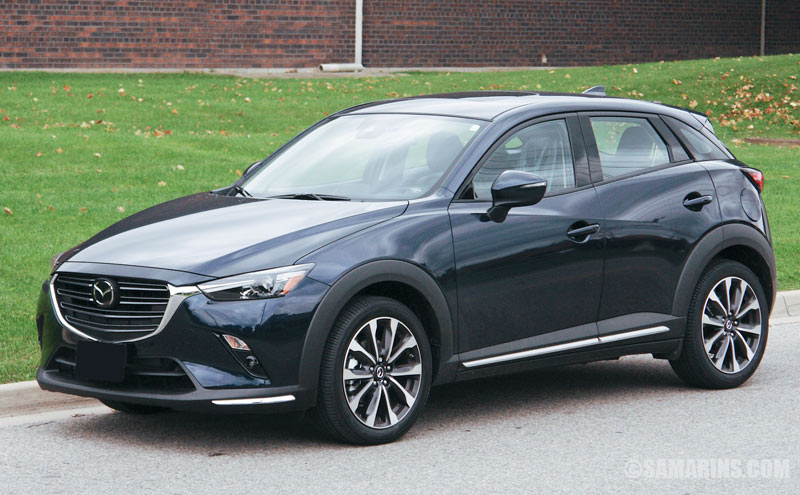
- Inspect for rust: Look around the wheel arches, door sills, and undercarriage. Any bubbling or discoloration is a warning sign.
- Test the infotainment system: Make sure the screen, Bluetooth, and navigation work smoothly. Try pairing a phone and using all features.
- Drive at different speeds: Listen for transmission hesitations or rough shifts. If something feels off, it probably is.
- Check safety features: Test lane departure warnings, automatic braking, and all lights. Faulty systems can be expensive to fix.
Insights Beginners Often Miss
Many first-time buyers focus only on mileage or price, but two often-overlooked factors matter just as much:
- Service History Is More Important Than Mileage: A well-maintained 2017 with 80,000 miles can be a better bet than a neglected 2017 with 40,000 miles. Regular oil changes, software updates, and rustproofing all extend a car’s life.
- Recalls Don’t Always Mean Repairs Were Done: Just because a car was recalled doesn’t mean the work was completed. Ask for paperwork proving that any recalls or technical service bulletins were resolved.
When It Might Be Okay To Buy An “avoid” Year
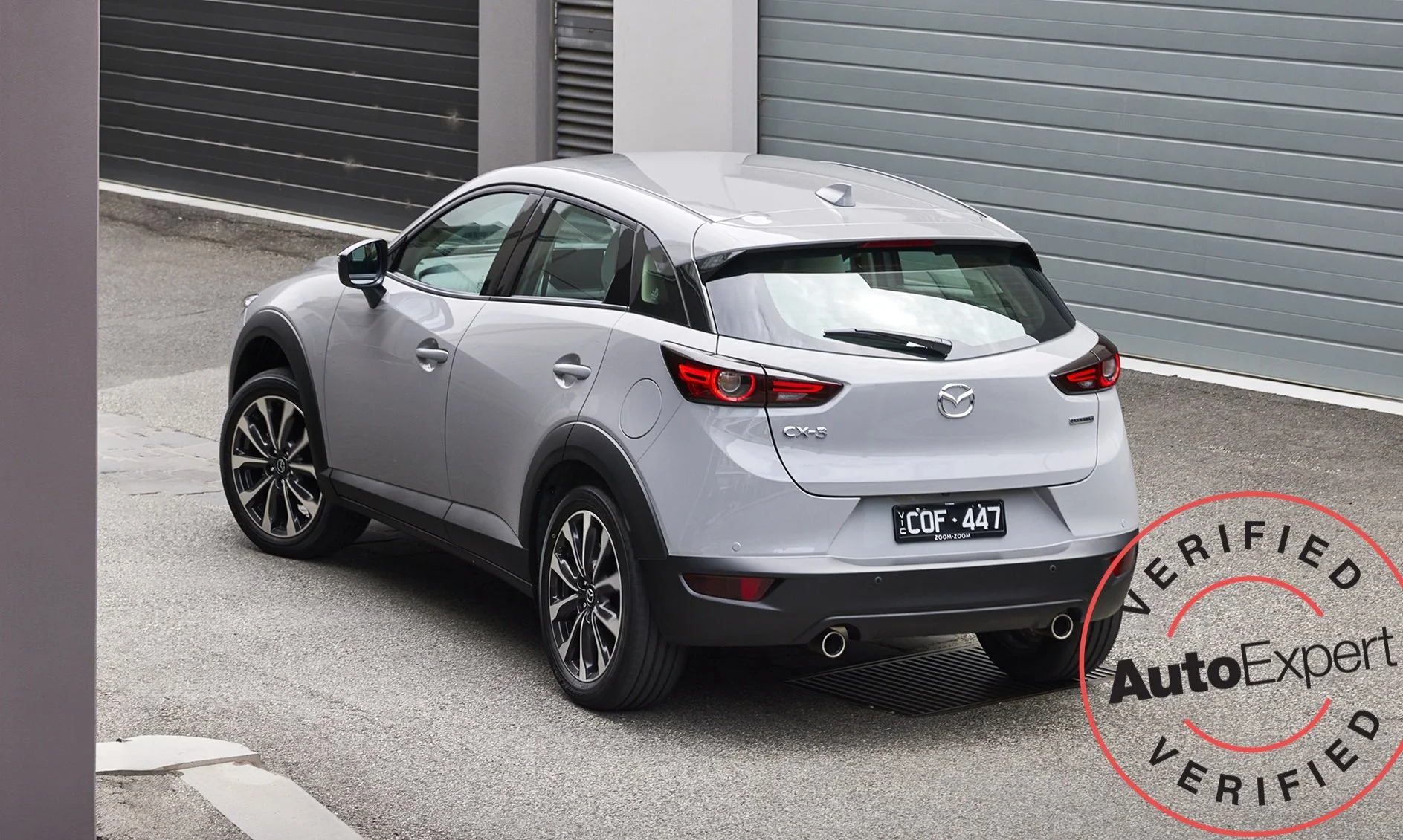
Are there exceptions? Sometimes. If you find a 2016, 2017, or 2019 CX-3 with full service records, recent repairs, and a lower-than-average price, it could be a good deal. However, always factor in the possibility of future repairs. Some buyers use these models as short-term cars, keeping them only a year or two.
Credit: autoexpert.com.au
What Makes The Mazda Cx-3 Special (when It Works)
It’s easy to focus on problems, but the CX-3 has strengths that attract loyal fans. These include:
- Sporty handling: Few subcompact SUVs offer such sharp steering and fun cornering.
- High-quality interior: Mazda’s cabins feel more upscale than many rivals.
- Great fuel economy: Most CX-3s return 29–34 mpg, saving money at the pump.
- Compact size: Easy to park and maneuver in crowded cities.
If you can find a reliable year, the CX-3 is an enjoyable car that stands out from the crowd.
How The Cx-3 Compares To Rivals
Wondering if you should shop for other subcompact SUVs instead? Here’s how the CX-3 stacks up against two common competitors: the Honda HR-V and Toyota C-HR.
| Feature | Mazda CX-3 | Honda HR-V | Toyota C-HR |
|---|---|---|---|
| Reliability | Mixed (depends on year) | Very good | Good |
| Fuel Economy (mpg) | 29–34 | 28–34 | 27–31 |
| Interior Quality | Upscale | Average | Modern |
| Driving Experience | Sporty | Comfortable | Soft |
| Infotainment | Glitch-prone (older years) | Reliable | Simple |
The CX-3 stands out for its driving fun and interior style, but rivals might edge it out in overall reliability—especially if you want to avoid riskier years.
What Mazda Has Done To Improve
Mazda listened to complaints about the CX-3 and made several changes in later models:
- Better rustproofing starting in 2018
- Infotainment system updates to address screen freezing and Bluetooth drops
- Improved safety features in 2020 and beyond
If you want the best version of the CX-3, focus on the final production years. Mazda discontinued the CX-3 after the 2021 model, but the last few years are praised for their reliability.
Where To Find Reliable Used Car Data
It’s wise to do your own research when buying any used car. Trusted sources like the National Highway Traffic Safety Administration (NHTSA) and websites like Consumer Reports offer detailed data on recalls, complaints, and reliability. For more information, you can visit the NHTSA official CX-3 page.
Credit: www.samarins.com
Frequently Asked Questions
Which Mazda Cx-3 Years Should I Avoid?
The most problematic CX-3 years are 2016, 2017, and 2019. These models have higher rates of transmission issues, infotainment glitches, rust, and unreliable safety systems compared to other years.
Is The Mazda Cx-3 A Reliable Car Overall?
The CX-3 is generally reliable, but it depends on the model year. 2018, 2020, and 2021 are considered very dependable. Older years, especially 2016, 2017, and 2019, have more frequent and expensive problems.
What Are The Most Common Problems With The Mazda Cx-3?
Transmission trouble, infotainment system bugs, early rust, and electrical faults top the list. Some years also have issues with advanced safety features and engine hesitation.
How Do I Check If A Used Cx-3 Had Recalls Fixed?
Ask the seller for official service records. You can also check the car’s VIN on the NHTSA website to see if recalls were completed.
Are There Better Alternatives To The Mazda Cx-3?
Yes, the Honda HR-V and Toyota C-HR are reliable rivals in the subcompact SUV class. They have fewer reported problems and offer similar features and fuel economy.
Finding the right used car takes time and research, but knowing which Mazda CX-3 years to avoid can help you make a smarter, safer choice. Whether you choose a different model year, another brand, or decide to stick with your current car, being informed is always the best strategy.