

If you’re thinking about buying a used truck with the 6.7 Cummins diesel engine, you probably want reliability, power, and good value. The 6.7 Cummins is famous for its strength and popularity in Ram trucks. But not every year is perfect. Some models have big problems that can cost you money and headaches. Knowing which 6.7 Cummins years to avoid is important before making your decision.
This article goes deep into the seven specific years most experts and owners recommend avoiding. We’ll explain why these years have trouble, what the issues are, and how they compare to other years. You’ll find practical advice, real-world examples, and clear data to help you make a smart choice.
If you’re new to diesel trucks or want to understand more, this guide will help you avoid expensive mistakes and pick a reliable 6. 7 Cummins model.
Why Some 6.7 Cummins Years Are Problematic
The 6.7 Cummins engine was introduced in 2007, replacing the 5.9 version. It brought better power and improved emissions, but also new technology that sometimes caused problems. Truck engines are complex, and even small changes can lead to big issues. Some years had new parts that failed, software bugs, or design mistakes. Owners reported troubles like fuel system failures, emissions problems, and transmission issues.
It’s important to know that not every truck from a “bad” year will have problems, but the risks are higher. Repair costs can be thousands of dollars, and downtime hurts business and daily life. By understanding which years to avoid, you can save money and stress.
The 7 6.7 Cummins Years To Avoid
1. 2007–2008: Early Model Troubles
The 2007 and 2008 Ram trucks were the first with the new 6.7 Cummins engine. This was a big change from the 5.9 model. The main issues were:
- EGR valve failures: The new emissions system had an EGR (Exhaust Gas Recirculation) valve that often failed. This caused rough idling, reduced power, and expensive repairs.
- DPF (Diesel Particulate Filter) problems: The DPF was introduced to meet emissions laws. Many owners found it clogged quickly, leading to forced regeneration cycles, lower fuel economy, and sometimes engine damage.
- Turbocharger failures: The turbo was redesigned but proved unreliable. Early failure rates were high, especially for trucks used for towing.
- Software glitches: The engine computer sometimes misread sensors, causing limp modes and poor performance.
For example, a 2007 Ram 2500 owner reported needing a new EGR valve and DPF within 60,000 miles. Each repair cost over $1,000. Many mechanics agree these first years had “teething problems” as Cummins worked to meet strict emissions rules.
2. 2011: High Fuel System Failure Rates
The 2011 6.7 Cummins models saw several fuel system issues that worried owners:
- CP4.2 fuel pump failure: Cummins switched to the CP4.2 pump, which was not as durable as earlier models. If it failed, it could send metal shavings through the system, destroying injectors and lines.
- Costly repairs: Repairing the entire fuel system could cost $8,000–$12,000, especially at dealerships.
- Warranty trouble: Many failures happened just outside warranty, leaving owners frustrated.
A diesel technician in Texas said most CP4. 2 failures happened before 100,000 miles, often with no warning. This made the 2011 model one of the riskiest years for buyers who want long-term reliability.
3. 2013: Emissions And Sensor Problems
2013 was a year with many emissions-related complaints:
- NOx sensor failures: These sensors monitor emissions and often stopped working early. Replacement cost was $400–$600 each.
- SCR (Selective Catalytic Reduction) issues: The SCR system sometimes malfunctioned, causing “check engine” lights and poor performance.
- DEF (Diesel Exhaust Fluid) problems: Trucks would enter limp mode if DEF levels weren’t correct or sensors failed, even if DEF was full.
Many owners said their trucks spent more time in the shop than on the road. One fleet manager reported replacing NOx sensors three times in a single year for a 2013 Ram 3500. This led to lost work and high repair bills.
4. 2014: Transmission And Turbo Concerns
The 2014 6.7 Cummins models showed trouble with the transmission and turbo:
- Torque converter failures: The automatic transmission often had torque converter issues, leading to shuddering, slipping, and eventual breakdown.
- Turbo actuator problems: The actuator controlling the turbo sometimes quit, causing reduced power and expensive repairs ($1,000+ for parts and labor).
- Radiator leaks: Some trucks had radiator leaks due to poor materials or design.
A common story from owners was needing a new turbo actuator before 80,000 miles. Many said the transmission felt rough or “hungry” for repairs, especially when towing heavy loads.
5. 2015: Def And Electrical Faults
2015 models had a mix of DEF system and electrical problems:
- DEF heater failures: The DEF heater, important for cold climates, often broke. Trucks would go into limp mode, making them hard to drive.
- Electrical glitches: Owners reported radio, navigation, and dashboard errors. Sometimes sensors read wrong or warning lights stayed on.
- Emission system recalls: There were several recalls for emissions parts, but not all trucks were fixed properly.
A driver in Michigan said his 2015 Ram 2500 needed three DEF heaters in two winters, costing over $1,500. Electrical issues sometimes made the truck unreliable for work or travel.
6. 2016: Persistent Sensor And Egr Valve Issues
The 2016 6.7 Cummins had continuing problems with sensors and the EGR system:
- EGR cooler leaks: The EGR cooler sometimes leaked coolant into the engine, causing white smoke and possible engine damage.
- MAP sensor failures: The Manifold Absolute Pressure sensor could fail, leading to rough running and “check engine” lights.
- Recurring emissions faults: Owners reported having to replace sensors and EGR parts multiple times.
A mechanic in Colorado said the 2016 model was “a sensor nightmare,” with trucks often needing new MAP sensors and EGR coolers before 100,000 miles. These issues made maintenance expensive and frustrating.
7. 2019: New Technology, New Problems
2019 was a year of big updates, but also fresh troubles:
- Fuel pump failures: Some 2019 trucks still had CP4.2 fuel pump issues, despite improvements.
- Complex emissions system: The new emissions setup had more sensors and parts, increasing chances for failure.
- Transmission complaints: Many owners said the new transmission shifted harshly or hesitated.
Owners reported more “check engine” lights and trips to the dealer. A fleet operator said his 2019 Rams had more downtime than older trucks due to sensor and emissions faults.
Comparison Of Problem Years Vs Reliable Years
To understand how bad these years are, let’s compare them to more reliable 6. 7 Cummins years.
| Year | Main Issues | Average Repair Cost | Owner Satisfaction |
|---|---|---|---|
| 2007–2008 | EGR, DPF, Turbo | $2,000–$4,000 | Low |
| 2011 | Fuel System | $8,000–$12,000 | Very Low |
| 2013 | NOx Sensors, SCR | $1,500–$3,500 | Low |
| 2014 | Transmission, Turbo | $1,500–$3,000 | Medium |
| 2015 | DEF Heater, Electrical | $1,000–$2,500 | Medium |
| 2016 | EGR Cooler, MAP Sensor | $1,500–$3,000 | Medium |
| 2019 | Fuel Pump, Emissions, Transmission | $2,000–$5,000 | Medium |
| 2010, 2012, 2017–2018 | Minor Issues | $500–$1,200 | High |
As you can see, bad years often have higher repair costs and lower owner satisfaction.
Common Symptoms And Warning Signs
If you’re looking at a used 6.7 Cummins truck from one of these years, watch for these signs:
- Check engine lights: Frequent warning lights usually mean sensor or emissions trouble.
- Poor performance: If the truck feels slow or struggles to tow, it may have turbo or transmission issues.
- Strange noises: Listen for hissing, whistling, or clunks—these may signal turbo or fuel system faults.
- White smoke: This can mean EGR cooler leaks or coolant in the engine.
- Electrical glitches: Dash lights, radio errors, or non-working sensors are common in bad years.
Always test drive the truck and check maintenance records. Ask if major repairs or recalls were done.
Real-world Owner Experiences
Many 6.7 Cummins owners share stories online and at truck forums. Here are a few real examples:
- 2008 Ram 3500: Owner had to replace the DPF and EGR valve twice in three years. Total cost was over $4,500. Truck spent weeks in the shop.
- 2011 Ram 2500: Fuel pump failed at 90,000 miles, sending metal into the injectors. Repair bill was $10,500. Owner sold the truck soon after.
- 2013 Ram 3500: NOx sensor failed repeatedly. Dealer could not fix the issue for months. Owner lost work days due to downtime.
- 2014 Ram 2500: Turbo actuator failed at 75,000 miles. Transmission felt rough when towing. Repairs cost $2,800.
- 2015 Ram 2500: DEF heater failed twice. Electrical problems made the dash lights flicker randomly.
- 2016 Ram 3500: MAP sensor failed three times in one year. EGR cooler leaked, causing white smoke.
- 2019 Ram 2500: Emissions sensors failed early. Transmission shifted hard in cold weather.
These stories show that the trouble years are not just theory—they cause real pain for owners.
How 6.7 Cummins Years Compare To Other Diesel Engines
It’s useful to compare 6.7 Cummins trouble years with other diesel truck engines, like the Ford Power Stroke or Chevy Duramax.
| Engine | Bad Years | Main Problems | Typical Repair Costs |
|---|---|---|---|
| 6.7 Cummins | 2007–2008, 2011, 2013, 2014, 2015, 2016, 2019 | EGR, DPF, Fuel Pump, Sensors | $2,000–$12,000 |
| 6.7 Power Stroke | 2011–2014 | Turbo, Fuel System, EGR | $3,000–$8,000 |
| 6.6 Duramax | 2004–2007 | Injectors, Head Gasket | $2,500–$5,000 |
All diesel engines have bad years, but the 6. 7 Cummins is mostly reliable except for these seven troubled years.
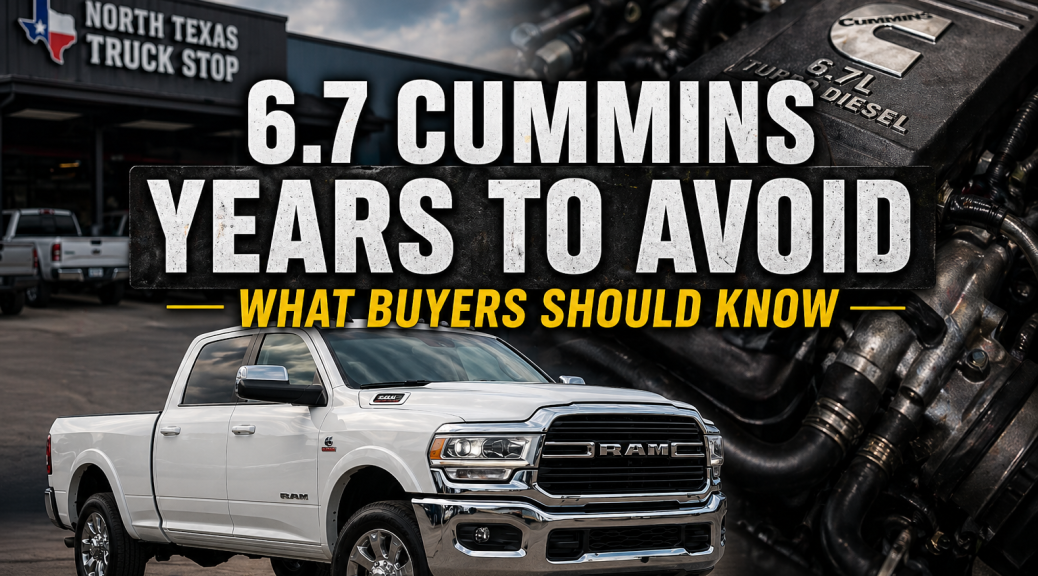
Credit: www.northtexastruckstop.com
What To Look For When Buying A Used 6.7 Cummins
If you find a truck from one of the “bad years,” you can still buy it safely if you follow some smart steps:
- Ask for service records: Look for proof of repairs—especially for fuel system, EGR, DPF, and sensors.
- Inspect for warning signs: Test drive, check for check engine lights, listen for strange noises.
- Get a pre-purchase inspection: Have a trusted diesel mechanic check the truck. They can spot hidden issues.
- Check for recalls: Some years had recalls—ask if they were fixed.
- Avoid trucks with heavy modifications: Trucks with aftermarket tuners or deleted emissions parts can be riskier and illegal in some states.
If you’re not sure, consider walking away. There are many good 6. 7 Cummins trucks from other years.
Why These Years Still Sell Cheap
Trucks from these trouble years often sell for much less than others. This is because:
- Higher risk of repairs: Dealers and private sellers know buyers will face more problems.
- Lower resale value: These models depreciate faster.
- Harder to insure: Insurance companies may charge more for risky years.
Sometimes, you can get a good deal if major repairs have already been done. But always check carefully.

Credit: mammothparts.com
Non-obvious Insights Most Buyers Miss
When looking at used 6.7 Cummins trucks, beginners often miss these points:
- Emissions parts are expensive and hard to diagnose: Even skilled mechanics struggle to pinpoint sensor failures. This means repairs can drag on, costing time and money.
- Early trucks may lack support for newer emissions software: 2007–2008 models sometimes can’t get updated software, making them harder to fix and maintain.
- Fuel pump failures can destroy the whole system: Unlike small part failures, a bad CP4.2 pump sends metal throughout the fuel system—leading to a “cascade” of repairs.
These insights help you see beyond basic advice and make better decisions.
Long-term Reliability: How Bad Years Affect Truck Life
Buying from a trouble year often means:
- More downtime: Repairs take longer, especially for emissions or fuel system faults.
- Higher costs: Many repairs are not covered by warranty, especially for older trucks.
- Lower resale value: Future buyers know about these issues, lowering your truck’s value.
It’s not just about money. Work, family trips, and daily life depend on your truck. Reliability matters.
Are There Fixes For Bad Years?
Some owners try to fix the main problems:
- Deleting emissions systems: Removing DPF or EGR parts can solve issues, but it’s illegal in most states and voids warranties.
- Upgrading fuel pumps: Aftermarket pumps are stronger but cost $3,000–$5,000, plus labor.
- Replacing sensors: New sensors can help, but the root cause may be poor design.
Fixes help, but usually cost more than buying a reliable model from a good year.
How To Spot A “good” 6.7 Cummins Year
If you want reliability, look for these signs:
- 2010, 2012, 2017–2018 models: These years have few major complaints.
- Complete service history: Shows regular maintenance and repairs.
- Low number of recalls: Fewer recalls means fewer design issues.
- Satisfied previous owners: Positive online reviews and forum comments.
Avoiding the seven bad years gives you a better chance at a strong, reliable truck.
Summary Table Of 6.7 Cummins Years To Avoid
Here’s a quick overview of the seven years with main issues and risk level:
| Year | Main Problem | Risk Level |
|---|---|---|
| 2007–2008 | EGR, DPF, Turbo | High |
| 2011 | Fuel Pump | Very High |
| 2013 | Emissions Sensors | High |
| 2014 | Transmission, Turbo | Medium–High |
| 2015 | DEF Heater, Electrical | Medium |
| 2016 | EGR Cooler, MAP Sensor | Medium |
| 2019 | Fuel Pump, Emissions | Medium–High |
Frequently Asked Questions
What Is The Most Reliable 6.7 Cummins Year?
The 2010, 2012, and 2017–2018 models are often considered the most reliable. They have fewer major complaints, lower repair costs, and better owner satisfaction.
How Can I Check If A Used 6.7 Cummins Had Its Recalls Fixed?
Ask the seller for repair records and check the VIN at the official Ram recall website or at NHTSA.gov. This shows any outstanding recalls and repairs.
Are Emissions Deletes A Good Solution For Bad Years?
Deleting emissions systems (like DPF or EGR) can solve some problems but is illegal in most US states, voids warranties, and can cause other issues. It’s better to buy a reliable model.
What Are The Signs Of Fuel Pump Failure In 6.7 Cummins Trucks?
Common signs are hard starts, loss of power, strange engine noises, and metal flakes in the fuel. If the CP4. 2 pump fails, repair costs can be very high.
Is Buying A 6.7 Cummins From A Bad Year Ever Worth It?
It can be worth it if the truck has proof of major repairs, low mileage, and is priced much lower than other models. Always get a pre-purchase inspection and check service history.
Choosing the right 6.7 Cummins year means understanding the risks and history of each model. By avoiding the seven trouble years listed above, you can enjoy better reliability, lower costs, and more peace of mind. For more details and official recall info, visit NHTSA.gov.
Buying a used diesel truck is a big decision. With this guide, you’ll be ready to pick a strong, dependable model and avoid common mistakes. Remember: the right research saves money and stress. Good luck in your search for the perfect 6.7 Cummins truck!
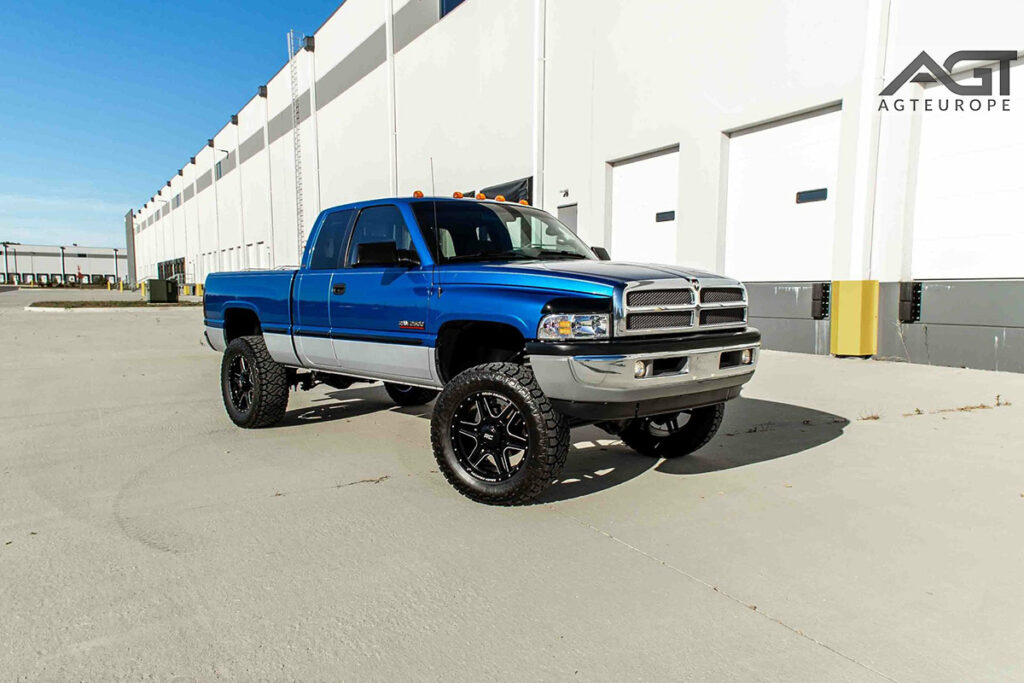
Credit: agtauto.com