

The Kia Sedona has built a reputation as a reliable and affordable family minivan. Many drivers like its spacious interior, comfortable ride, and practical features. But, like many vehicles, not every year is created equal. Some Sedona model years have more problems and higher repair costs. If you’re thinking about buying a used Kia Sedona, it’s smart to know which years are best to avoid.
This guide will help you understand the Kia Sedona years to avoid, why some years have issues, and what you should look for when shopping. You’ll get clear examples, real-world data, and practical advice. Whether you want a dependable family hauler or just want to avoid costly repairs, this article will make your decision easier.
Why Some Kia Sedona Years Are Problematic
Not all Kia Sedona models are built the same. Some years have more mechanical problems or safety recalls. Many issues happen because of changes in design, cost-saving measures, or poor-quality parts. For example, a new engine or transmission might have bugs in its first years. Or, a rushed redesign can lead to electrical problems.
Another factor is owner feedback. Over time, drivers report problems to the NHTSA (National Highway Traffic Safety Administration) or on car forums. As data grows, patterns emerge. Some years stand out for frequent engine failures, sliding door malfunctions, or airbag warning lights.
It’s also important to look at repair costs. Some Sedona years are more expensive to fix, because parts are rare or certain repairs are complex. This is a hidden cost that many buyers miss.
A non-obvious insight: When Kia introduces a new feature, like power sliding doors or a new infotainment system, the first year often brings more problems. It takes a few years for the company to improve the design and fix bugs reported by early owners. So, even if a Sedona has a high-tech feature, check reviews from real drivers to see if it works well.
Another detail often overlooked is the climate where the Sedona was used. For example, models driven in colder regions may have more electrical issues because moisture and salt can affect wiring. This can make problems worse, especially for older Sedonas.
Kia Sedona Model Years To Avoid
Based on expert analysis, owner complaints, and recall data, these are the Kia Sedona years to avoid if you want a trouble-free experience:
- 2002–2005
- 2012
- 2015
- 2016
Let’s look at each group and see why they are risky choices.
2002–2005: Early Generation Troubles
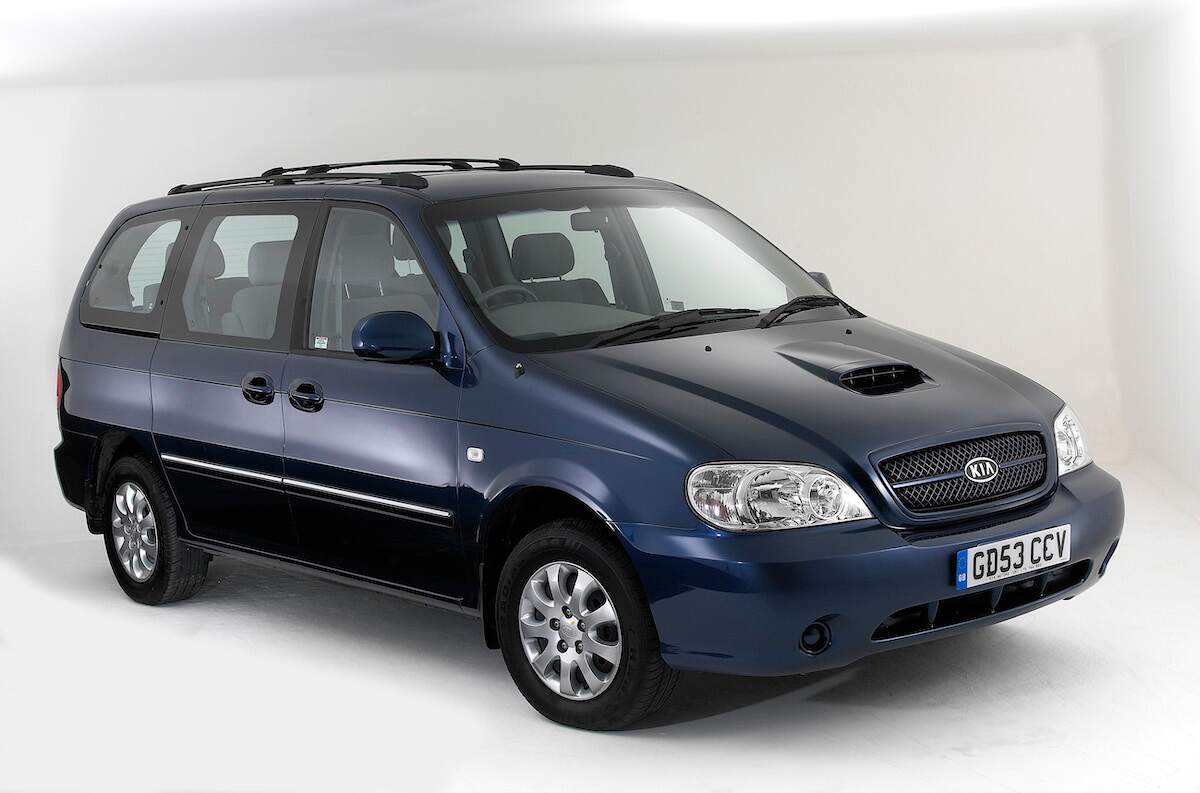
The first-generation Sedona (2002–2005) is widely considered the most problematic. This era was Kia’s first attempt at a modern minivan in the US market. Many first-generation models suffered from major issues:
- Engine failures: Many owners report engine stalling, loss of power, and even complete failures, often before 100,000 miles.
- Electrical gremlins: Problems with power sliding doors, windows, and dashboard warning lights are common.
- Transmission issues: Hard shifting, slipping, and early transmission failures are reported.
These Sedonas also had poor crash test ratings in their early years, which is a big concern for families. Safety features were limited, and some models lacked side airbags.
A hidden issue is the quality of interior materials. Early Sedonas often suffered from worn seat fabric, broken cup holders, and sagging headliners after a few years. While these may seem minor, they affect comfort and resale value.
Example Problem
A common report from the 2003 Sedona is engine overheating due to faulty cooling fans. Repairing this can cost over $1,000, and in some cases, repeated failures lead to permanent engine damage.
Another typical issue is faulty power door locks. Some owners find that the locks stop working, making it difficult to secure the vehicle. Fixing this can cost several hundred dollars and sometimes requires replacing the entire actuator.
Reliability Data
According to CarComplaints. com, the 2005 Kia Sedona received more than 200 complaints, mostly related to engine and electrical problems. RepairPal gives this generation a reliability rating below 3 out of 5. Owners often report frequent breakdowns and higher-than-average maintenance.
Many mechanics note that early Sedonas have cooling system leaks, which can be hard to spot during a quick inspection. These leaks lead to overheating and, eventually, engine failure if ignored.
2012: The Comeback That Missed
After a short break, Kia relaunched the Sedona for 2012. But this year brought several headaches:
- Timing chain problems: Some 2012 models have timing chain tensioner failures, leading to rough running or catastrophic engine damage.
- Electrical issues: The sliding doors and power windows often malfunction.
- Airbag warning lights: Many owners complain about the airbag warning staying on, sometimes linked to a sensor problem.
A detail many buyers miss is that timing chain repairs often require special tools and experienced technicians. This can make repairs more expensive or difficult if you live in a rural area.
Real-world Impact
For families, sliding door failures are more than an inconvenience—they can trap passengers or refuse to close. Airbag system faults can also mean the airbags won’t work in a crash, creating a big safety risk.
Some 2012 Sedonas also have problems with the alternator, leading to battery drain and sudden loss of electrical power. If the alternator fails while driving, the vehicle may lose headlights, power steering, or even stall.
2015: Growing Pains With New Tech
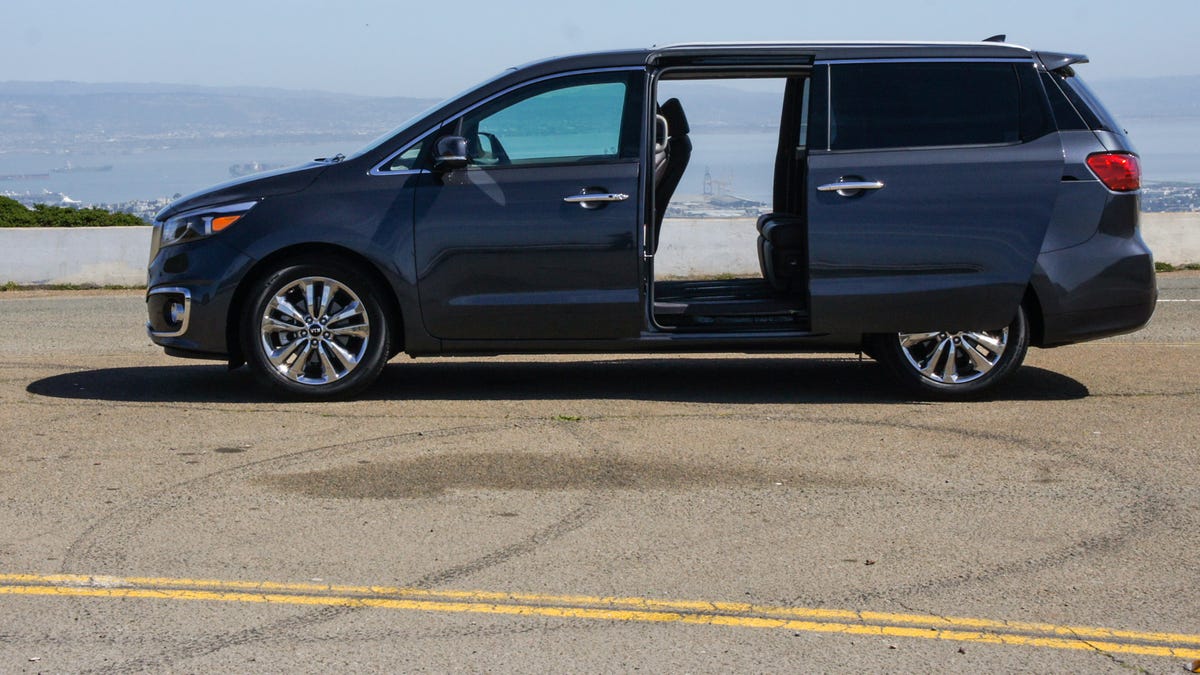
The 2015 Sedona was the start of a new generation with modern tech and a stylish design. While it looked promising, early production problems were common:
- Transmission shudder: Many drivers notice shaking or jerking, especially at low speeds.
- Power door malfunctions: The new power sliding doors sometimes stop working or get stuck.
- Infotainment glitches: Touchscreens may freeze or reset randomly.
A less obvious issue is water leaks. Several owners report that rainwater enters through the sliding door seals, causing carpets to get wet and leading to mold or electrical problems.
Cost Example
A faulty transmission can cost over $3,000 to repair. For a used minivan, that’s a big, unexpected bill.
If the infotainment system fails, replacement parts can be rare and expensive. In some cases, owners had to wait weeks for a new unit, especially for models with upgraded sound systems.
2016: Carry-over Issues
Most of the 2015’s problems continued into 2016, with only minor improvements. The sliding door and transmission problems are still reported, along with some new issues with the air conditioning system.
A new concern in 2016 was premature brake wear. Some owners found that brake pads and rotors needed replacement after less than 30,000 miles. This increases maintenance costs and can affect safety.
Notable Recalls
Kia issued recalls for the 2016 Sedona’s hood latch and parking brake. These are safety-critical parts, and recall repairs are important. But many owners had problems even after the fixes.
Some dealerships struggled to get parts for these recalls, leaving owners waiting for months. This delay can be frustrating if you rely on your minivan daily.
Common Problems In The Worst Years
Let’s break down the most frequent issues seen in the Sedona years to avoid:
- Engine failures: Sudden loss of power, often due to cooling system or timing chain problems.
- Transmission issues: Shuddering, slipping, or total failure, sometimes at low mileage.
- Electrical faults: Power doors, windows, and dashboard electronics can stop working.
- Sliding door malfunctions: Doors may jam, refuse to open, or close unexpectedly.
- Airbag warning lights: Often due to sensor failures—an expensive fix.
- Expensive repairs: These problems often cost more than average to fix, especially for a budget minivan.
Another insight: Some sliding door problems can lead to unexpected injuries. If a power door closes too quickly or fails to stop, it can pinch fingers or trap children. This makes regular inspection and repair important for family safety.
Data Comparison: Problem Frequency By Year
To help you visualize which years are most problematic, here’s a comparison of complaints and recall numbers for Sedona models from 2002–2016.
| Model Year | Total NHTSA Complaints | Major Recalls | Common Problems |
|---|---|---|---|
| 2002 | 180+ | 5 | Engine, Transmission, Electrical |
| 2003 | 200+ | 6 | Engine, Cooling, Doors |
| 2004 | 170+ | 4 | Transmission, Electrical |
| 2005 | 220+ | 5 | Engine, Electrical, Airbags |
| 2012 | 90+ | 3 | Engine, Doors, Airbags |
| 2015 | 85+ | 2 | Transmission, Doors, Infotainment |
| 2016 | 78+ | 3 | Doors, Air Conditioning, Transmission |
Note: These numbers are estimates based on NHTSA data and owner reports.
Credit: www.motorbiscuit.com
What Makes A “good” Sedona Year?
Not all Sedonas are bad. Some years stand out for reliability and low cost of ownership. The best years often have:
- Fewer NHTSA complaints
- Lower number of recalls
- Improved safety features
- Fewer engine or transmission changes (which means fewer “first-year” bugs)
Many experts recommend 2007–2011 and 2017–2020 models. These years have fewer owner complaints and better reliability ratings.
Another reason these years are better is Kia’s improved build quality. The company started using higher-grade materials, better insulation, and more advanced engineering. For example, the 2018 Sedona has a quieter cabin and better corrosion resistance, which helps it hold up in tough weather.
Model Year Comparison: Best Vs Worst
Here’s a direct comparison between one of the worst and one of the best Sedona years to help you see the difference.
| Feature | 2005 Sedona | 2018 Sedona |
|---|---|---|
| Engine Reliability | Poor (common failures) | Good (few issues) |
| Transmission | Slipping, early failure | Reliable |
| Safety Ratings | Below average | Excellent |
| Power Doors | Frequent failures | Improved, rare issues |
| Avg. Repair Cost | $1,000–$3,000 | $500–$1,200 |
A practical example: If you buy a 2005 Sedona, you may spend a lot on repairs in the first year. But an owner of a 2018 model could drive several years with only routine maintenance.
How To Identify A Problematic Used Sedona
If you’re shopping for a used Sedona, here’s how to spot a bad one before you buy:
- Check the VIN for recalls. Visit the NHTSA website and enter the VIN to see open recalls.
- Ask for service records. A well-maintained Sedona is less likely to have big problems.
- Test all electrical features. Slide the doors, test windows, and check the dashboard lights.
- Listen for odd noises. Engine knocking or transmission shuddering are red flags.
- Get a pre-purchase inspection. Have a trusted mechanic look for hidden problems.
A common mistake is skipping the electrical check. Many buyers test the engine but forget to try the power doors or infotainment system.
Another tip: Ask the seller if the sliding doors work in both hot and cold weather. Some issues only appear in extreme temperatures, making them easy to miss during a short test drive.
Repair Costs: What To Expect
Some Sedona problems are simple, but others are expensive. Here’s an overview of common repairs and their costs:
| Problem | Typical Repair Cost |
|---|---|
| Engine replacement | $3,000–$5,000 |
| Transmission repair | $2,500–$4,000 |
| Sliding door motor | $700–$1,100 |
| Timing chain repair | $1,200–$1,800 |
| Airbag sensor replacement | $500–$900 |
Pro tip: The cost of fixing a failed engine or transmission often exceeds the value of an old Sedona. In these cases, it’s usually better to walk away from the deal.
Some repairs, like power door fixes, may seem easy but require specialized tools. If you don’t have access to a Kia dealership, finding the right parts can be difficult. This can lead to longer downtime and higher costs.

Credit: www.kbb.com
Insights: Mistakes Beginners Make
Many first-time buyers focus only on price and mileage. Here are two common beginner mistakes:
- Ignoring recall history: Some buyers don’t check if recalls were completed. This can leave you with unresolved safety issues.
- Assuming low mileage means reliability: A low-mile Sedona from a bad year can still have major design flaws. Always check for known model-specific issues.
Another insight: Some Sedona problems, like airbag warning lights or power door failures, may not show up during a short test drive. These issues can be intermittent, so ask for repair records and look for any dashboard lights.
A less obvious mistake is buying from a private seller who doesn’t know the vehicle’s history. Dealerships often provide better records and may have fixed recalls, but private sellers sometimes skip this step.
How Kia Improved Sedona Reliability
Kia learned from early mistakes. In later years, the company:
- Redesigned engines and transmissions for better durability
- Improved crash test safety with stronger frames and more airbags
- Updated electrical systems to reduce glitches
- Added more extensive warranties (many late-model Sedonas have 5–10 year powertrain coverage)
These changes made the Sedona a much safer bet after 2017.
Another improvement was better rust protection. Early Sedonas sometimes had corrosion issues, especially in states with road salt. Later models use more rust-resistant materials, making them last longer.
Credit: www.cnet.com
When It’s Worth Considering A Risky Year
Sometimes, a well-cared-for Sedona from a “bad” year can be a good deal—if it comes with full service history and recent major repairs (like a new transmission). But you should:
- Negotiate a lower price
- Budget for future repairs
- Get a mechanic’s opinion before buying
But in most cases, it’s safer to pick a better-rated year even if the price is a bit higher.
A practical example: If a 2012 Sedona has a new timing chain and updated electrical system, it might be more reliable than average. Still, you must check that all recalls were completed and that the sliding doors work smoothly.
Alternatives To The Kia Sedona
If you want a reliable minivan but worry about Sedona’s problematic years, consider these alternatives:
- Toyota Sienna: Known for bulletproof reliability and strong resale value.
- Honda Odyssey: Great ride and interior, but avoid 2011–2013 for transmission issues.
- Chrysler Pacifica: Modern features, but check for recalls on 2017 models.
Each minivan has its own strengths and weaknesses, so research carefully.
A useful tip: The Toyota Sienna is often recommended for buyers who want minimal repair worries. It handles high mileage well and has parts readily available in most regions.
How To Research Used Minivans
Use these tips to research any used minivan—not just the Sedona:
- Read owner reviews on Edmunds, Kelley Blue Book, and NHTSA
- Check for recalls at the official NHTSA site
- Compare repair costs on RepairPal or YourMechanic
- Join minivan forums for real-world advice
For more details on recall data, the official NHTSA website is a trusted source.
Many buyers skip forums, but these sites offer honest feedback and solutions from other owners who faced the same problems.
Should You Avoid All First-generation Sedonas?
The first-generation Sedona (2002–2005) is widely seen as risky because of engine and electrical issues. Some owners have good experiences, but the odds are against you. Unless you find a rare, fully-serviced example at a very low price, it’s best to avoid these years.
A mechanic’s inspection is essential if you still consider a first-generation Sedona. They can check for hidden leaks, electrical faults, and signs of past repairs.
Is The Sedona A Good Buy Overall?
The Sedona can be an excellent value in the right year. It costs less than rivals and offers a long warranty on newer models. But picking the wrong year can lead to headaches and expensive repairs. That’s why research and a careful inspection matter.
Summary Table: Kia Sedona Years To Avoid And Safer Choices
This summary helps you remember which years to avoid and which are safer bets.
| Years to Avoid | Safer Years | Best Years |
|---|---|---|
| 2002–2005, 2012, 2015, 2016 | 2007–2011, 2013–2014 | 2017–2020 |
Tips For Buying A Used Sedona
- Always get a pre-purchase inspection from a mechanic who knows minivans.
- Review service history for major repairs (timing chain, transmission, sliding doors).
- Check all power features during your test drive.
- Avoid “as-is” deals on risky years—these can hide expensive problems.
- Don’t rush. If you’re not sure, walk away.
A bonus tip: If you buy from a dealership, ask about certified pre-owned options. These vehicles often come with extra warranty coverage and have passed strict inspections.
Frequently Asked Questions
What Is The Worst Year For The Kia Sedona?
Most experts agree that 2005 is the worst year for the Kia Sedona. It has high rates of engine and electrical failures, expensive repairs, and below-average safety ratings.
Are Newer Kia Sedonas More Reliable?
Yes, 2017 and newer Sedonas are much more reliable. Kia improved the engine, transmission, and safety features, and these years have fewer complaints.
Is It Safe To Buy A 2012 Kia Sedona?
The 2012 Sedona is best avoided. It has known timing chain and electrical problems, plus airbag warning light issues. If you find one in great shape with full service records, get a mechanic’s opinion before buying.
How Many Miles Will A Kia Sedona Last?
A well-maintained Sedona from a good year can last 150,000–200,000 miles or more. But models from bad years may have major problems before 100,000 miles.
Should I Buy A Used Kia Sedona Or Another Minivan?
If you avoid the problematic years, the Sedona is a good value. But if you want maximum reliability, consider a Toyota Sienna or Honda Odyssey. Always compare repair costs and owner reviews before buying.
Choosing the right year makes all the difference. With careful research, you can enjoy the Sedona’s value and comfort—without the headaches.