

The Lincoln Continental has long stood as a symbol of American luxury, often linked with presidents, celebrities, and grand occasions. Its name instantly brings images of smooth rides, plush interiors, and a sense of classic style. But while the Continental can be an attractive choice for those looking for comfort and presence, not every year or generation offers the same quality or reliability. Some years, in fact, are best avoided—unless you want headaches, expensive repairs, or constant trips to the mechanic.
If you’re considering a used Lincoln Continental, knowing which model years to avoid is critical. Some years come with serious mechanical problems, poor build quality, or issues that can make ownership frustrating and costly. Others are much more dependable, delivering on the Continental’s promise of comfort and prestige. This guide will walk you through the Continental’s long history, highlight the years to avoid, and help you make a confident, informed choice.
Understanding The Lincoln Continental Legacy
The Lincoln Continental has a rich history, spanning from its early days in the 1940s to its final production year in 2020. Over this time, the car has seen major changes—different body styles, engines, and technology. Each generation reflects the trends and engineering priorities of its era.
Knowing a bit about the Continental’s timeline helps you understand why certain years stand out, for better or worse.
| Generation | Years Produced | Key Features |
|---|---|---|
| First | 1940–1948 | Classic pre-war styling, V12 engine |
| Fourth | 1961–1969 | Suicide doors, clean lines, V8 power |
| Sixth | 1980 | Downsized, fuel efficiency focus |
| Eighth | 1995–2002 | Front-wheel drive, advanced electronics |
| Tenth | 2017–2020 | Modern luxury, twin-turbo V6, AWD option |
These shifts mean that a 1960s Continental is a completely different beast from a 1990s or 2010s model. Some generations have become collector’s items; others are remembered for reliability issues or awkward designs.
Why Certain Lincoln Continental Years Are Best Avoided
Not all model years are created equal. Problems can come from rushed redesigns, poor engineering, cost-cutting, or unreliable new technology. In the Lincoln Continental’s case, several years are well-known for:
- Transmission failures
- Electrical gremlins
- Faulty air suspensions
- Premature rust
- Expensive repairs
These issues can turn a luxury car experience into a constant hassle. Owners of problematic years often report repeated visits to mechanics, high costs, and poor resale values. In some cases, entire generations have a reputation that affects their desirability in the used car market.

Credit: www.ebay.com
Lincoln Continental Years To Avoid: The Most Problematic Models
If you’re shopping used, pay special attention to these years to avoid. These models have a track record of reliability problems, high repair costs, or both.
1. 1980–1985 Lincoln Continental
The early 1980s were a challenging time for the Continental. Lincoln downsized the car to improve fuel economy and meet stricter emissions standards. Unfortunately, this period is remembered for questionable build quality and a lackluster driving experience.
Common Issues:
- Weak engines: Many owners found the V8 underpowered and prone to failure.
- Transmission problems: Slipping and premature failures were frequent.
- Electrical system glitches: Power accessories often stopped working.
Non-obvious insight: These years also suffered from rust, especially in the frame and underbody. The cost to repair or restore these models often exceeds their value.
2. 1995–2002 Lincoln Continental
The eighth generation marked a big change: front-wheel drive, new V8 engines, and lots of electronics. While some buyers liked the modern features, these models are now known for being unreliable and expensive to maintain.
Key Problems:
- Air suspension failure: The ride can become harsh, and repairs are costly.
- Transmission failures: Many owners report needing a rebuild before 100,000 miles.
- Electrical issues: Digital displays, power seats, and climate controls are frequent trouble spots.
Example: A 1998 Continental with 90,000 miles can suddenly lose air in its suspension, causing the car to sit low and ride poorly. Replacing the air bags often costs over $1,000 per axle.
3. 1988–1994 Lincoln Continental
This generation introduced more electronics and a front-wheel-drive layout. While innovative at the time, these changes led to complexity and frequent breakdowns.
Frequent Complaints:
- Transmission and engine failures: Early failures were common, especially on higher-mileage cars.
- Climate control malfunctions: The automatic systems often quit, leaving drivers with unreliable heat or AC.
- Rust and body integrity: These models tend to rust around the wheel wells and door bottoms.
Non-obvious insight: Many mechanics are unfamiliar with these older systems, which can make even simple repairs slow and expensive.
4. 2017–2018 Lincoln Continental
The return of the Continental name brought excitement but also teething problems. The tenth generation (2017–2020) is generally better, but the first two years saw more recalls and quality issues.
Notable Issues:
- Door latch failures: Some cars had doors that would not close properly.
- Infotainment glitches: The SYNC system sometimes froze or rebooted.
- Premature brake wear: Owners have reported replacing pads and rotors earlier than expected.
While later years (2019–2020) improved, the initial models are best avoided unless you find one with a full service history and all recall work done.
5. 1982–1987 Lincoln Continental Mark Vi
The Mark VI, technically a separate model but often grouped with the Continental, suffered from many of the same problems as the early 1980s Continental.
Problems Included:
- Underpowered engines
- Fragile electronics
- Fuel system troubles
Most buyers today avoid these years unless they are looking for a project or collector car.
Years With The Most Recalls And Complaints
Looking at National Highway Traffic Safety Administration (NHTSA) data and owner forums gives a clearer view of which years had the most headaches. Here’s a comparison of reported issues for some of the most problematic years:
| Model Year | Number of Recalls | Common Complaints | Estimated Repair Costs (per year) |
|---|---|---|---|
| 1998 | 8 | Air suspension, transmission | $1,500–$2,500 |
| 2000 | 7 | Electrical, air suspension | $1,200–$2,000 |
| 2017 | 5 | Door latches, electronics | $800–$1,500 |
| 1984 | 6 | Engine, rust | $1,000–$1,800 |
The late 1990s and early 2000s stand out for the sheer number of complaints and high ownership costs. The 2017 model also shows up, mainly because of quality control problems in its first year.
Lincoln Continental Years Worth Considering
While some years are best avoided, others offer a better ownership experience. If you’re set on a Continental, these model years are known for being more reliable and enjoyable:
- 1961–1969: Famous for their clean design and robust V8 engines, these Continentals are now classics. They’re reliable if well-maintained, but parts can be expensive.
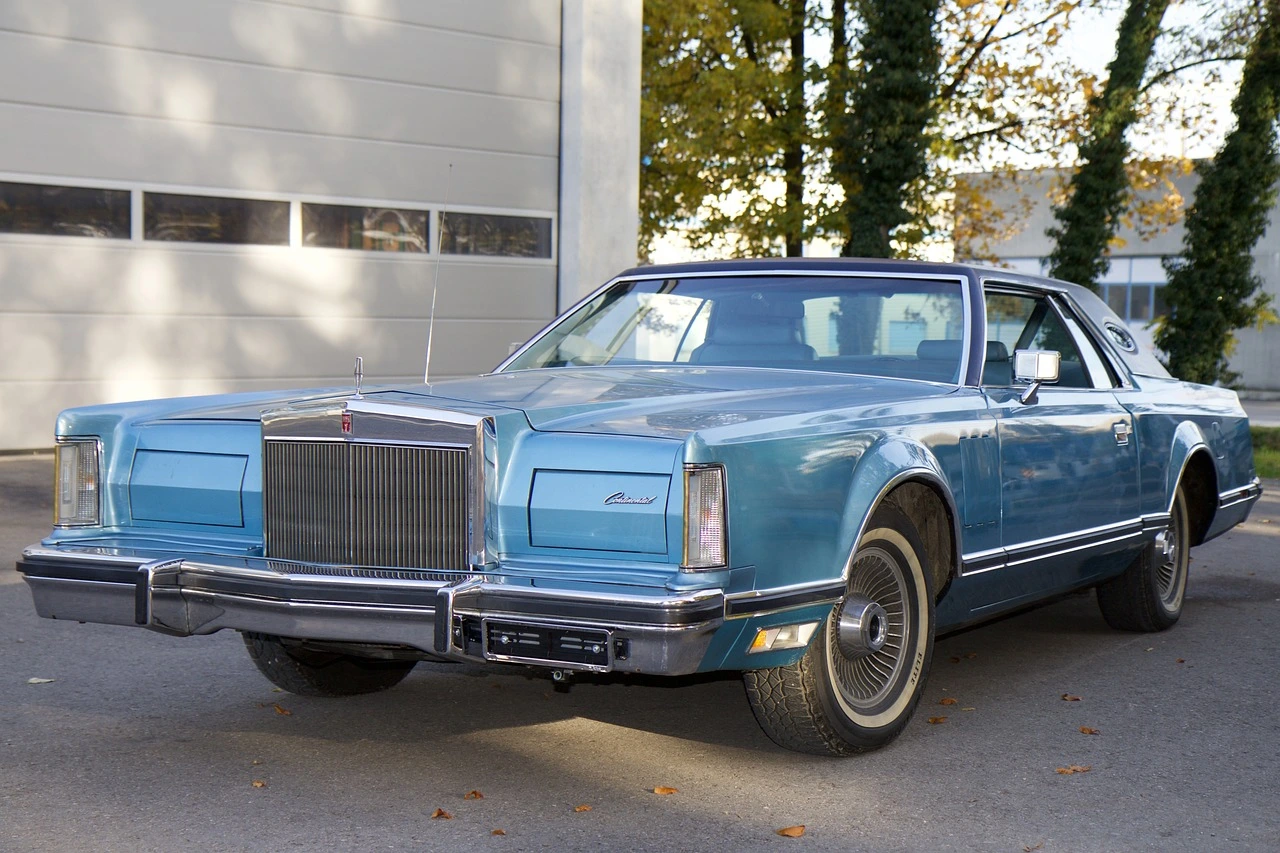
- 1976–1979: These late-seventies models are large, comfortable, and less complex than later generations.
- 2019–2020: The final years of production got most of the bugs worked out, especially with the twin-turbo V6 and available all-wheel drive.
However, even the “good” years have their quirks. Older models require more frequent maintenance and can be expensive to restore. Newer ones have more electronics, which can lead to small but annoying problems.
Key Problems That Plague Bad Continental Years
It’s not just one or two issues. The worst Continental years tend to have clusters of problems that make daily driving difficult or expensive.
Transmission Failure
This is the single most expensive and frustrating problem for many owners. In models from the late 1990s and early 2000s, it’s not uncommon for the automatic transmission to fail at 60,000–90,000 miles. Replacement can cost $2,000–$4,000, sometimes more than the car’s value.
Air Suspension Issues
Lincoln used air suspension to give the Continental a smooth ride. But these systems are complicated and prone to leaks or compressor failures. When they fail, the car can sag or ride harshly. Fixing them is expensive—up to $1,500 per axle.
A common mistake is trying to “just replace a leaking air bag” without checking the compressor or sensors. Often, multiple parts are failing at once, so piecemeal repairs don’t last.
Electrical Gremlins
The Continental, especially in the 1990s and early 2000s, was packed with electronics. That means more things to break. Problems include:
- Digital dash failures
- Power seat and window malfunctions
- Climate control problems
- Alarm and security system glitches
Many owners are surprised by how much labor is involved in tracking down a single faulty wire or sensor.
Rust And Body Deterioration
Earlier models, especially from the 1980s and early 1990s, are prone to rust. This is especially true in areas with harsh winters or lots of road salt. Once rust starts, it spreads quickly and can affect the frame.
Non-obvious insight: Even if a car looks good on the outside, check the underbody, wheel wells, and trunk for hidden rust. Surface repairs often hide deeper problems.
Infotainment And Interior Issues
The most recent generation (2017–2020) introduced new infotainment systems like SYNC 3. While these offer modern features, early models had software bugs and touch screen failures. Some drivers also complain of premature wear on leather seats and trim.
Cost Of Ownership: How Bad Years Affect Your Wallet
Buying a used Lincoln Continental from a problematic year can mean more than just inconvenience. The costs add up quickly—sometimes faster than you expect.
| Problem Area | Estimated Repair Cost | Frequency |
|---|---|---|
| Transmission | $2,000–$4,000 | Once (often before 100k miles) |
| Air Suspension | $800–$1,500 per axle | Every 70k–100k miles |
| Electrical Repairs | $200–$1,000 each | Frequently |
| Rust Repair | $500–$2,000 | As needed |
A car that seems like a bargain can quickly become expensive if you hit two or three of these problems in the first year.
What To Check If You’re Set On A “risky” Year
If you still want a Continental from a year with a bad reputation, be extra careful. Some owners find well-kept examples that run fine for years—but you need to know what to look for.
1. Ask For Service Records
A well-documented history shows the previous owner cared for the car. Look for proof of transmission work, air suspension replacement, and regular maintenance.
2. Inspect The Air Suspension
If the car sits low or uneven, walk away. Even if it seems fine, listen for the compressor running constantly (a sign of leaks).
3. Test All Electronics
Check every switch, button, and feature. Make sure the digital dash, climate control, and power seats all work. Replacement parts can be hard to find.
4. Look For Rust
Check the underbody, rocker panels, and wheel wells. Rust is often a sign of deeper problems.
5. Get A Pre-purchase Inspection
This is always a smart move, but especially for problem-prone years. A mechanic who knows Lincolns can spot hidden issues before you buy.
Non-obvious insight: Many used Continentals are sold after a major failure—especially air suspension or transmission. If you see a low price, ask why.
Credit: www.copilotsearch.com
Common Mistakes When Buying A Used Continental
Enthusiasts and first-time buyers sometimes get caught by the same traps. Avoid these errors:
- Ignoring recalls: Some repairs are free if they’re still open. Check with a Lincoln dealer.
- Assuming low miles means good condition: Lack of use can be as bad as high miles—seals dry out, electronics fail from sitting.
- Skipping a test drive: Drive for at least 20 minutes, paying attention to shifting, ride quality, and interior features.
- Not budgeting for repairs: Even a “good” Continental can cost more to own than a Toyota or Honda.
How The Lincoln Continental Compares To Other Luxury Sedans
If you’re considering a used Continental, it’s smart to look at how it stacks up against other full-size luxury sedans. Here’s a quick comparison with two common rivals from the same era:
| Model | Years Compared | Reliability | Ownership Costs | Notable Issues |
|---|---|---|---|---|
| Lincoln Continental | 1995–2002 | Below Average | High | Transmission, air suspension, electronics |
| Lexus LS400 | 1995–2000 | Excellent | Low-Medium | Minor electrical, power steering leaks |
| Cadillac DeVille | 1995–2002 | Average | Medium-High | Head gasket, air suspension |
The Continental offers more features for the money but tends to cost more to keep running. Lexus, by contrast, is famous for reliability, though it’s less plush inside. Cadillac sits in the middle, with some models nearly as problematic as the Lincoln.

Credit: www.youtube.com
Ownership Experience: What Real Owners Say
Owner reviews offer an honest look at what it’s like to live with a Continental from the years to avoid. Here are a few real-world perspectives:
- 1998 Owner: “Bought it for $2,500. First year, spent another $2,300 on transmission and air suspension. Still love the comfort, but never again.”
- 2001 Owner: “Smooth ride, but the electronics are a nightmare. Power seats stopped working, then the AC went. I keep fixing it because I can’t sell it for much.”
- 2017 Owner: “Beautiful car, but the infotainment system freezes and the doors sometimes won’t latch. Dealer fixed it under warranty, but it’s annoying.”
Non-obvious insight: Many owners keep their Continentals because they love the style and ride—even with the headaches. But most say they wouldn’t buy the same year again.
The Bottom Line: Should You Buy A Lincoln Continental?
The Lincoln Continental can offer a unique blend of comfort, presence, and history. But not every year is a smart buy. The worst years—especially 1980–1985, 1988–1994, 1995–2002, 1982–1987, and 2017–2018—are best avoided unless you’re prepared for extra costs and repairs.
If you find a Continental from a better year, with good records and a thorough inspection, you can enjoy classic American luxury. But always budget extra for repairs, and don’t ignore the warning signs of a problematic model.
If you want more details on recalls and technical bulletins, check the Lincoln Continental Wikipedia page for deeper research.
Frequently Asked Questions
What Is The Worst Year For The Lincoln Continental?
The 1998–2002 Lincoln Continentals are often considered the worst due to air suspension failures, transmission problems, and expensive electrical repairs. These years have the highest number of owner complaints and costly issues.
Are Newer Lincoln Continentals More Reliable?
The 2019–2020 models are more reliable than the earlier tenth-generation (2017–2018) versions. Most early bugs were fixed, and owners report fewer problems. Still, electronics and infotainment can sometimes be troublesome.
How Expensive Is It To Maintain A Problematic Continental?
Annual maintenance costs can range from $1,500 to $3,500 or more if you need to fix the transmission or air suspension. These repairs are much costlier than average sedans.
Can Rust Be A Deal Breaker On Older Lincolns?
Yes. Rust on the frame or underbody is difficult and expensive to repair. It can also make the car unsafe. Always check thoroughly before buying any older Continental.
Is The Lincoln Continental A Good Investment Car?
In most cases, no. Only classic models from the 1960s or rare editions may appreciate in value. Most Continentals, especially from the years to avoid, lose value and cost more to repair than they’re worth.