

The Ford Fusion became one of the most popular midsize sedans in the United States after its debut in 2006. It offered a comfortable ride, good fuel economy, and a choice between gasoline, hybrid, and plug-in hybrid models. Many drivers appreciate its affordable price, useful features, and sharp looks. However, not every Ford Fusion model year is a smart buy. Some years had major issues, from transmission problems to engine failures, that can lead to expensive repairs and headaches. If you are thinking about buying a used Ford Fusion, knowing which years to avoid is key to protecting your wallet and peace of mind.
Let’s take a closer look at the Ford Fusion’s history, which years are most problematic, and how to find a reliable model. With the right information, you can make a smart choice and enjoy the benefits of this popular sedan—without the common problems that have hurt some owners.
Understanding The Ford Fusion’s Evolution
The Ford Fusion was first introduced for the 2006 model year. It replaced the Ford Taurus as Ford’s main midsize sedan in North America. Over the years, the Fusion went through two generations and several updates. Knowing how the Fusion changed over time will help you understand which years to avoid and why.
The first generation (2006–2012) brought a fresh design, with a focus on value, comfort, and improved handling compared to older Ford sedans. In 2010, the Fusion got a major facelift, a new hybrid model, and improved engines.
The second generation (2013–2020) offered a more modern look, new technology, better safety features, and more engine choices—including turbocharged EcoBoost engines and a plug-in hybrid.
While many Fusion years are known for reliability, a few stand out for the wrong reasons. Let’s break down the worst years and what went wrong.
Ford Fusion Years To Avoid: The Most Problematic Models
Some Ford Fusion years have earned a reputation for costly and common problems. These models are often flagged by auto experts, owner reports, and industry studies. The worst years to avoid are generally:
- 2008–2010
- 2013–2014
- 2017
Why are these years considered risky? Let’s look at the details for each.
1. 2008–2010 Ford Fusion
The late 2000s Fusions are often on “do not buy” lists. While early Fusions (2006–2007) had some minor complaints, the 2008–2010 models saw a rise in serious issues.
Transmission Problems: One of the most common and costly failures is the transmission. Owners report rough shifting, slipping gears, and total transmission failure—sometimes before 100,000 miles. Replacing or rebuilding the transmission can cost $2,000–$4,000, which is a huge hit for an older car.
Power Steering Failure: Another big issue is the power steering system. Some 2008–2010 models lose power steering assist, making the car difficult to steer. In some cases, this happens suddenly and can be dangerous at high speeds or while parking.
Engine Issues: The 2010 Fusion, especially, faced engine stalling and misfires. Some owners reported the engine shutting off while driving, which poses obvious safety risks.
Airbag Recalls: These years were included in the Takata airbag recall, which affected millions of vehicles worldwide. Some Fusions received recalls for airbags that could deploy incorrectly or spray shrapnel in a crash.
Brake Problems: The 2010 model saw complaints about brake pedal travel—the pedal sinks too far or feels soft, leading to reduced stopping power.
What’s the real impact? Even if you find a low-mileage Fusion from these years, you could face major repair bills. Many used car buyers don’t realize the risk until after purchase. For these reasons, the 2008–2010 Fusions are best avoided unless you have detailed service records and a trusted mechanic’s inspection.
2. 2013–2014 Ford Fusion
The Fusion’s 2013 redesign brought new style and advanced features. But it also introduced new problems.
Engine and Coolant Leaks: The 1.6-liter EcoBoost engine, offered in these years, is notorious for coolant leaks. When coolant leaks into the engine, it can cause overheating, misfires, or even complete engine failure. In some cases, the engine needs to be replaced—a repair that can cost over $5,000.
Transmission Shudder: The 2013–2014 models also had transmission shudder, rough shifting, and hesitation. These are more common with the automatic transmission and often appear around 60,000–80,000 miles.
Electrical Problems: Owners report issues with the MyFord Touch infotainment system, including freezing screens and unresponsive controls. Some also experienced problems with door latches and window regulators.
Steering Failures: There were recalls for steering gear motor issues, which could cause a loss of power steering assist.
Fuel System Recalls: The 2013 model year had several recalls for fuel delivery modules and leaks that could increase fire risk.
Why does this matter? These issues can lead to expensive repairs and, in rare cases, safety concerns. If you’re considering a 2013 or 2014 Fusion, pay close attention to engine type (the 1.6L is more risky), recall completion, and service history.
3. 2017 Ford Fusion
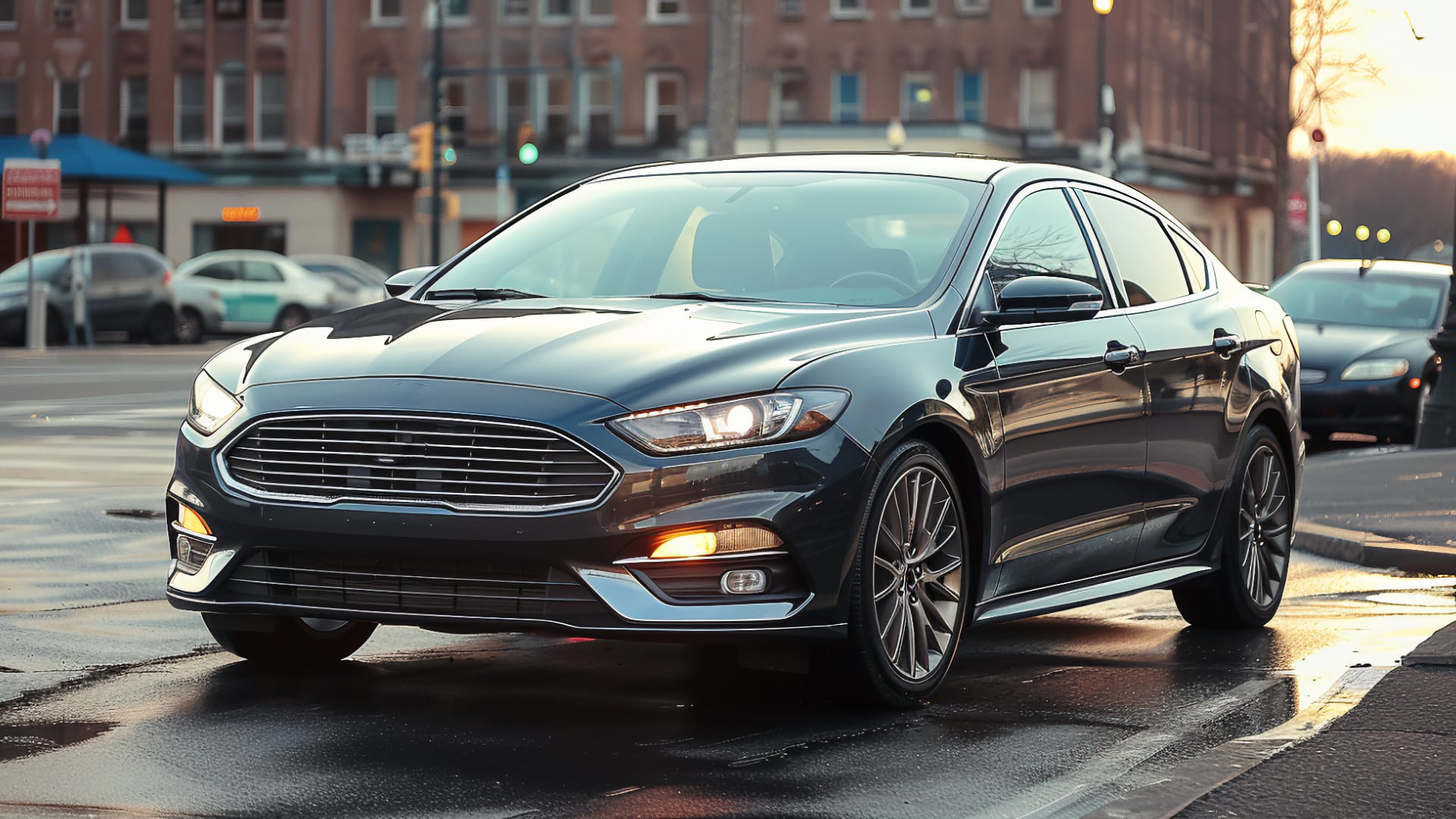
The 2017 Fusion didn’t have as many complaints as the earlier years, but it stands out for one main reason: transmission and shifting issues in the automatic models.
Shifting Delays and Failure: Some owners report the transmission hesitates or fails to shift properly, especially at low speeds or when accelerating. This can cause jerky driving and, in some cases, full transmission failure.
Electrical Problems: There are complaints about electrical system glitches, including battery drain, faulty sensors, and issues with the push-button start.
Turbocharged Engine Concerns: The 1.5L and 2.0L turbocharged EcoBoost engines can develop coolant leaks similar to the 2013–2014 models, leading to possible engine damage.
Why is 2017 a problem year? The risk of expensive transmission or engine repairs is higher than average. Unless you find a car with a long warranty or proof of recent repairs, it’s safer to avoid this year.
Credit: rerev.com
Summary Table: Years To Avoid And Main Problems
Here’s a quick overview of the Ford Fusion years to avoid and their main issues.
| Model Year | Main Problems | Estimated Repair Cost |
|---|---|---|
| 2008-2010 | Transmission failure, power steering, airbag recall, brakes | $2,000–$4,000 |
| 2013-2014 | Engine coolant leaks, transmission shudder, electrical issues | $1,500–$5,000+ |
| 2017 | Transmission shifting, electrical glitches, engine leaks | $1,500–$4,500 |
If you’re shopping for a used Fusion, it’s wise to avoid these years unless you have solid proof that repairs have already been done.
Why Certain Ford Fusion Years Have Problems
Not all Ford Fusions are created equal. Some years had specific design flaws, while others suffered from new technology that wasn’t fully tested. Here’s why these issues happened:
- Cost-cutting and rushed updates: Automakers sometimes introduce new features or engines quickly to stay competitive. This can lead to problems if the technology isn’t fully tested.
- Supplier issues: The Takata airbag recall, for example, affected many brands—not just Ford. Sometimes, outside suppliers deliver faulty parts.
- Complex new engines: The EcoBoost turbo engines offered better power and fuel economy, but they also added complexity and new risks, like coolant leaks and overheating.
- Electronic systems: As infotainment and electronic safety features became more common, so did complaints about glitches and failures.
If you’re buying any used car, but especially a Fusion from a risky year, always get a full inspection. Some issues may not show up on a test drive.
Ford Fusion Years Known For Reliability
While this article focuses on years to avoid, it’s useful to know which Fusions have a solid reputation. According to owner surveys, expert reviews, and reliability data, the following years are considered safer bets:
- 2011–2012: The last years of the first generation are praised for reliability, especially with the 2.5L four-cylinder engine.
- 2015–2016: These models had fewer complaints and benefited from fixes to earlier problems.
- 2018–2020: The final Fusions had most bugs worked out, especially for non-hybrid models.
A quick comparison of reliable versus risky years:
| Year | Reliability Rating (1–5) | Common Issues |
|---|---|---|
| 2011–2012 | 4.5 | Minor electrical, normal wear |
| 2013–2014 | 2.5 | Engine coolant leaks, transmission |
| 2015–2016 | 4.0 | Occasional sensor issues |
| 2017 | 2.8 | Transmission, electrical |
| 2018–2020 | 4.3 | Few complaints |
Focusing your search on these more reliable years can save you money and stress.
Key Problems Explained: What To Look Out For
If you’re considering a Ford Fusion, it helps to know the most common trouble spots. Here’s a closer look at the main issues that hurt some Fusion years.
Transmission Failures
A failing transmission can show up as rough shifting, slipping gears, loud noises, or a warning light. In some Fusions, the problem starts as a small jerk or delay when shifting. Over time, it can get worse until the car won’t move at all.
Non-obvious insight: Some transmission problems can be hidden by recent fluid changes or repairs that only mask deeper issues. Always have a mechanic check the transmission’s health—even if it feels normal on a short test drive.
Engine Coolant Leaks
The EcoBoost engines (especially the 1.6L and 2.0L) are known for coolant leaks. This happens when a gasket or part fails, allowing coolant to mix with oil or enter the cylinders. The engine can overheat quickly, leading to warped parts or a total failure.
Tip for buyers: Check the coolant reservoir and oil dipstick for signs of mixing (milky color). Also, look for white smoke from the exhaust, which can signal coolant entering the engine.
Electrical System Glitches
The Fusion’s advanced features can sometimes be a double-edged sword. Infotainment system freezes, dead batteries, and faulty sensors are common complaints in some years.
What to do: Test all electronics—windows, locks, navigation, and backup camera—before buying. A history of battery replacement or electrical repairs can be a red flag.
Steering And Brake Problems
While less common than engine or transmission issues, some Fusions had power steering failures or brake problems. Losing power assist in the steering can make it hard to control the car, especially at low speeds.
Brake issues, like a soft pedal or slow response, can be dangerous if not fixed right away.
Practical advice: Listen for odd noises when turning the wheel and test the brakes at different speeds. Always check for recalls related to these systems.
Credit: www.copilotsearch.com
How To Find A Reliable Used Ford Fusion
If you’re set on a Ford Fusion, you can still find a good one—if you know how to shop smart. Here are steps that can help you avoid buying a problem car:
- Check the vehicle history report: Services like Carfax or AutoCheck can reveal accidents, recalls, and maintenance records.
- Get a pre-purchase inspection: Even if a car looks and drives well, a mechanic can spot hidden problems.
- Ask about recalls: Make sure all recall work has been completed. You can check this with a Ford dealer using the car’s VIN.
- Choose a reliable year and engine: Avoid the risky years and choose the 2.5L four-cylinder engine, which is often more reliable than turbo models.
- Look for proof of regular maintenance: Oil changes, transmission fluid changes, and coolant flushes show the car has been cared for.
- Test all features: Make sure the infotainment system, sensors, and safety features work as they should.
Non-obvious insight: Some sellers may clear warning lights by disconnecting the battery. Drive the car for at least 20 minutes and check the dashboard for any new alerts.
Common Buyer Mistakes With Used Ford Fusions
Many Fusion buyers make mistakes that could be avoided with a little extra research:
- Ignoring recalls: Some buyers assume recalls are always fixed, but many cars still have open recalls.
- Choosing the cheapest car: A low price may mean hidden problems or missed maintenance.
- Overlooking model differences: Not all engines and trims have the same reliability. For example, hybrids and plug-ins tend to have fewer engine issues but may have expensive battery replacements after 100,000 miles.
- Skipping the inspection: Even if a car is from a “good year,” it could still have problems from poor care or accidents.

Credit: www.youtube.com
Cost Comparison: Repairing Vs. Buying A Reliable Year
Let’s compare the average cost of buying a trouble-prone Fusion versus a more reliable one.
| Fusion Year | Purchase Price | Common Repairs (per year) | 5-Year Total Cost |
|---|---|---|---|
| 2010 (problem year) | $6,500 | $1,200 | $12,500 |
| 2015 (reliable year) | $9,000 | $450 | $11,250 |
| 2018 (best choice) | $13,500 | $350 | $15,250 |
As you can see, a cheaper Fusion from a risky year can end up costing more after repairs. Spending a bit more upfront for a reliable year often saves money in the long run.
How Ford Fusion Compares To Other Midsize Sedans
If you’re not set on a Fusion, it’s smart to see how it stacks up against other popular sedans.
- Toyota Camry: Known for best-in-class reliability, but often pricier.
- Honda Accord: Also very reliable, with a strong resale value.
- Chevrolet Malibu: Similar price to Fusion, but older models have their own issues.
- Hyundai Sonata: Improved reliability in recent years, but some models have engine recalls.
The Ford Fusion is often a better value than the Camry or Accord, but only if you choose the right year. For more details on midsize sedan reliability, see the official Consumer Reports site.
What To Do If You Already Own A Problematic Fusion
If you have a Fusion from a risky year, don’t panic. Many owners have kept these cars going with preventive care. Here’s what you can do:
- Stay on top of maintenance: Regular fluid changes and inspections can prevent small issues from becoming big ones.
- Watch for warning signs: Catch problems early—like rough shifting, engine noise, or warning lights.
- Complete recall repairs: Check with your local Ford dealer for any open recalls; many repairs are free.
- Consider selling or trading in: If repair costs are piling up, it may make sense to move to a more reliable car.
Frequently Asked Questions
What Are The Worst Years For The Ford Fusion?
The worst years to avoid are 2008–2010, 2013–2014, and 2017. These models have more reports of transmission, engine, and electrical problems compared to other years.
Is The Ford Fusion A Reliable Car Overall?
Many Ford Fusions are reliable, especially the 2011–2012, 2015–2016, and 2018–2020 models. However, the problem years can be expensive to own if they develop known issues.
Are Ford Fusion Hybrids And Plug-in Models More Reliable?
Fusion hybrids and plug-in hybrids usually have fewer engine problems than turbocharged gasoline models. However, battery replacement after 100,000 miles can be costly.
How Can I Check If A Used Fusion Has Open Recalls?
You can check for recalls by entering the car’s VIN on the National Highway Traffic Safety Administration (NHTSA) website or by asking a Ford dealer. Always make sure recall work is done before buying.
What Engine Is The Best Choice For A Used Ford Fusion?
The 2.5L four-cylinder engine is usually the most reliable and cheapest to maintain. Avoid the 1.6L EcoBoost in the 2013–2014 models due to coolant leak risks.
Buying a used Ford Fusion can be a smart move—if you avoid the problematic years and engines. By understanding the risks and doing your homework, you can enjoy a comfortable, practical sedan without expensive surprises down the road.