

For many car enthusiasts, the BMW 540i stands out as a blend of luxury, power, and driving joy. Over the decades, this model has earned a loyal following among those who value German engineering paired with a thrilling driving experience. But even a brand as respected as BMW has its missteps. If you’re shopping for a used 540i, knowing which years to avoid can save you thousands of dollars and countless headaches. This guide will help you make a confident choice—backed by real-world data, owner stories, and expert insights.
Why Some Bmw 540i Years Are Risky
The BMW 540i has seen several generations since its debut in the 1990s, each bringing its own strengths and weaknesses. While some model years are praised for reliability and innovation, others are known for costly repairs and frustrating problems. Common issues range from engine failures and transmission faults to electrical gremlins and expensive maintenance.
The truth is, buying the wrong year can turn a luxury dream into a financial nightmare. Understanding these pitfalls ahead of time is crucial. This article breaks down the worst years for the 540i, explains why they’re problematic, and offers tips for making a smart purchase.
Bmw 540i Generations: A Quick Overview
Before diving into specific years to avoid, it helps to understand the main generations of the BMW 540i. Each generation brought changes in design, technology, and mechanical complexity.
| Generation | Years Produced | Engine | Notable Features |
|---|---|---|---|
| E34 | 1992–1995 | 4.0L V8 | Classic styling, robust build |
| E39 | 1996–2003 | 4.4L V8 | Improved handling, luxury upgrades |
| G30 | 2017–Present | 3.0L Turbo I6 | Modern tech, efficiency |
Each generation has its fans and its sore spots. The E39 (1996–2003) is especially loved for its balanced driving feel, but it’s also the source of some of the most notorious reliability issues.
Bmw 540i Years To Avoid (with Reasons)
A used BMW 540i can be a smart buy—or a costly mistake. Here are the years most experts and owners recommend staying away from, along with the main reasons why.
1. 1997 Bmw 540i
The 1997 model year—part of the E39 generation—was an early adopter of the M62 V8 engine. This engine brought power, but it also introduced several reliability headaches.
Common Issues:
- Timing chain guide failure: Plastic guides inside the engine can break around 80,000–120,000 miles, leading to catastrophic engine damage.
- Cooling system leaks: Radiator and water pump failures are common, risking engine overheating.
- Electrical problems: Window regulators, instrument clusters, and door locks often malfunction.
Example: A 1997 540i owner on a popular BMW forum reported spending over $4,000 on a timing chain guide repair alone. Add in cooling system fixes, and the costs add up quickly.
2. 1998 Bmw 540i
This year continued many of the same problems as 1997, with only minor tweaks. The timing chain guide issue was not yet fully addressed by BMW, leaving many owners vulnerable to engine failure.
Problem Highlights:
- Valve cover gasket leaks: Oil leaks onto hot engine parts, causing smoke and burning smells.
- Alternator and battery failures: Electrical drain issues lead to frequent battery replacements.
- Suspension wear: Front control arms and bushings wear out early, causing rough rides.
Hidden Insight: Many buyers overlook the cost of “deferred maintenance.” If the previous owner didn’t replace the timing guides, you’ll probably have to—at a premium price.

Credit: www.westherr.com
3. 1999–2001 Bmw 540i
BMW made some updates during these years, but not enough to fully resolve existing issues. If you’re considering a 540i from this period, be aware of certain persistent and expensive problems.
Engine And Transmission Woes
The M62 V8 continued with its known timing chain and cooling system weaknesses. But these years also saw:
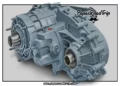
- Automatic transmission failures: The ZF 5HP24 transmission in these models can fail without warning, especially if fluid changes were neglected.
- VANOS (variable valve timing) problems: Failure leads to rough idle, poor performance, and high repair bills.
Statistics: According to data from carcomplaints.com, transmission failures and timing chain issues are among the top complaints for 540i models from 1999 to 2001.
High Ownership Costs
It’s not just the breakdowns—it’s the frequency and price of repairs. Many mechanics require special tools and BMW-specific parts, raising labor costs.
| Common Repair | Estimated Cost (USD) |
|---|---|
| Timing Chain Guide Replacement | $2,500–$4,500 |
| Transmission Rebuild | $3,000–$5,500 |
| Cooling System Overhaul | $900–$1,800 |
Non-Obvious Insight: Many buyers think a used BMW with lower mileage is a safer bet. But with these years, age alone can cause plastic parts to fail—even if the car was barely driven.
4. 2017 Bmw 540i (early G30 Models)
When BMW reintroduced the 540i name for the G30 generation in 2017, it came packed with technology. While the new turbocharged inline-six engine (B58) is generally reliable, the first year of a new generation always carries extra risk.
Reported Problems:
- Software glitches: Early infotainment systems suffered from freezing screens, Bluetooth drops, and navigation errors.
- Sensor failures: Parking, lane-keeping, and collision sensors sometimes malfunctioned, triggering warning lights and limp modes.
- Oil leaks: Some engines developed leaks at the oil pan or valve cover, especially in warmer climates.
Real-World Example: Owners reported repeated trips to the dealer for “phantom” warning lights. While these rarely left drivers stranded, they caused stress and inconvenience.

Credit: www.youtube.com
5. 2018–2019 Bmw 540i (early Production)
The G30’s early years continued to see more than their share of growing pains. BMW issued several recalls and service bulletins for problems such as fuel system faults, electrical gremlins, and drivetrain hiccups.
Key Issues:
- Fuel injector failures: Some cars experienced misfires or rough running, requiring expensive repairs.
- Transmission programming: Rough or delayed shifting was common, often fixed by a software update but sometimes requiring hardware replacement.
- HVAC and climate control glitches: Sudden loss of heating or cooling, especially in cold climates.
Expert Guidance: If you want a G30 540i, look for a 2020 or newer model. By then, most major teething issues were sorted out.
What Makes These Years Problematic?
Understanding why these years are risky can help you spot trouble before you buy. Here are the main factors that make certain 540i years less reliable:
1. New Technology, Unproven Reliability
BMW often uses the 5 Series to launch new engines, transmissions, or electronics. These early-adopter models can have bugs that aren’t discovered until real-world use.
2. Use Of Cheap Plastics
From the late 1990s into the 2000s, BMW used more plastic parts in the engine bay—especially for the cooling system. Over time, these become brittle, leading to leaks and overheating.
3. High Maintenance Costs
Even minor repairs can be expensive due to labor and parts prices. For example, a simple oil leak may require hours of disassembly.
4. Deferred Maintenance
Many owners underestimate the cost of proper maintenance. A neglected 540i will quickly become a money pit, especially in the “years to avoid. ”
5. First-year Model Problems
Whenever BMW launches a new generation, the first year often brings unexpected issues. Software updates can fix some, but hardware faults are more expensive.
Bmw 540i Years With The Fewest Issues
While this article focuses on years to avoid, it’s helpful to highlight the most reliable 540i model years. These have fewer complaints and generally lower ownership costs.
- 2002–2003 (E39): By these years, many major bugs were fixed. Build quality peaked, and the 540i became a future classic.
- 2020–Present (G30): Most early issues resolved, with modern safety and tech.
- 1995 (E34): The last year of the E34 is known for solid reliability, though finding a clean example can be tough.
A smart buyer looks for well-maintained models from these years, with detailed service history.
Key Areas To Inspect If You’re Considering A Risky Year
You may find a tempting deal on a 540i from a “bad” year. If so, be extra careful. Here’s what to inspect before buying:
- Service Records: Look for proof of recent timing chain, cooling system, and transmission service.
- Pre-Purchase Inspection: Hire a BMW specialist to check for hidden problems.
- Electronics and Sensors: Test every button, screen, and sensor—especially on G30 models.
- Oil Leaks: Check under the engine and look for oil stains on the ground.
- Transmission Behavior: Drive the car and note any harsh, delayed, or slipping shifts.
If the car passes all these checks and the price reflects its history, you may have found a hidden gem.
How Bmw 540i Maintenance Costs Compare
The 540i is not a budget car to own. Even in reliable years, maintenance is higher than average. Here’s how it stacks up against similar luxury sedans:
| Model | Estimated Annual Maintenance (USD) | Major Repair Frequency |
|---|---|---|
| BMW 540i (E39) | $1,200–$2,500 | Moderate to High |
| Mercedes E430 (W210) | $900–$1,800 | Moderate |
| Lexus GS 430 | $700–$1,500 | Low |
Non-Obvious Insight: Many luxury car owners forget to budget for “wear items” like suspension bushings, window regulators, and electronic modules—which fail more often on older BMWs.
Common Owner Mistakes When Buying A Used Bmw 540i
Avoid these pitfalls when shopping for a used 540i:
- Skipping a specialist inspection: General mechanics may miss BMW-specific problems.
- Ignoring service history: Cars without records are risky, especially from “avoid” years.
- Underestimating costs: Repairs and parts are pricier than mainstream brands.
- Buying for mileage alone: Condition and maintenance matter more than odometer reading.
- Trusting a clean Carfax blindly: Not all accidents or issues show up on reports.
If you avoid these mistakes, your ownership experience will be much smoother.
What to Do If You Already Own a “Bad Year” BMW 540i
If you already have one of the problematic years, don’t panic. Many owners get years of enjoyment with good maintenance and smart planning.
- Stay ahead on maintenance: Fix small problems before they become big ones.
- Join owner forums: Sites like Bimmerfest and BMW CCA offer tips and parts sources.
- Consider preventative upgrades: For example, replacing plastic cooling parts with aluminum.
- Have a repair fund: Set aside $1,000–$2,000 for emergencies.
With care, even a “bad” year 540i can be reliable for daily driving.
Is A High-mileage Bmw 540i Ever A Good Buy?
Many buyers ask if an older, high-mileage 540i is worth considering. The answer depends on maintenance history and current condition, not just miles.
- Good buy: If the car has full service records, recent major repairs (timing chain, transmission), and passes inspection.
- Bad buy: If history is unknown, major repairs are due, or the price seems too low.
BMW engines can last 200,000+ miles with proper care, but neglect is costly.
Should You Avoid All Early G30 Bmw 540is?
The G30 540i is a modern, high-tech car. While 2017–2019 models had more issues, not every car is a lemon. If you find one with all recalls completed, updated software, and a solid service record, it can be a good value.
Tip: Ask for dealer service records and check for the latest software version before buying.
Are Cpo (certified Pre-owned) Bmw 540is Safer?
Certified Pre-Owned (CPO) cars go through inspections and come with extended warranties. While not foolproof, a CPO 540i from a BMW dealer offers extra peace of mind, especially for “risky” years. But read the fine print—some problems may not be covered.
How To Spot A Well-maintained Bmw 540i
Here are some signs you’ve found a great example, even from an “iffy” year:
- Detailed maintenance logs
- Recent major repairs
- Smooth, quiet engine
- No warning lights
- All electronics function
If a seller can show proof of proactive repairs, you’re less likely to face surprises.
How To Research A Used Bmw 540i Before Buying
Don’t rely only on ads or seller claims. Use these steps for smart research:
- VIN check: Use the BMW VIN decoder to confirm options and production details.
- Recall search: Enter the VIN on the NHTSA website for open recalls.
- Forum reviews: Search for owner experiences for your target year.
- Professional inspection: Always spend the extra money—it’s cheaper than surprise repairs.
You can also check vehicle history and market values on sites like Edmunds or Kelley Blue Book.
What To Do If You Already Bought A Risky 540i
If you already own one of the “years to avoid,” focus on preventative maintenance. Replace weak parts before they fail, join BMW enthusiast groups, and keep a repair fund handy. Many owners enjoy these cars for years with the right approach.
Is A Bmw 540i Worth The Risk?
For drivers who love performance, comfort, and style, the 540i remains a tempting choice. But it’s not for everyone. If you want low-cost, worry-free driving, a Lexus or Acura may be a better pick. If you’re willing to do your homework, budget for maintenance, and buy carefully, a well-kept 540i can be a rewarding, long-lasting car.
Final Thoughts
The BMW 540i is a car that rewards the careful owner and punishes the careless. If you avoid the problematic years, inspect any used car thoroughly, and stay ahead of maintenance, you’ll enjoy one of the best luxury sport sedans ever made.
But skip these steps, and you risk expensive lessons. Choose wisely, and the 540i can make every drive special.
For deeper technical information and owner reviews, you can check the BMW 5 Series Wikipedia page.
Frequently Asked Questions
Is The Bmw 540i Expensive To Maintain?
Yes, BMW 540i maintenance is higher than average. Expect to spend $1,200–$2,500 per year, depending on age and mileage. Major repairs, like timing chain guides or transmission rebuilds, can cost several thousand dollars.
Which Bmw 540i Year Is The Most Reliable?
The 2002–2003 BMW 540i (E39) and 2020–present G30 models are considered the most reliable. They benefit from improved parts and fewer unresolved issues.
What Is The Most Common Problem With The Bmw 540i?
The biggest issues are timing chain guide failure (especially on 1997–2001 E39 models) and transmission problems. Early G30 models (2017–2019) often have software glitches and electronic faults.
Can I Buy A High-mileage Bmw 540i Safely?
Yes, but only if the car has a documented maintenance history and recent major repairs. Avoid cars with unknown history or deferred maintenance.
Is It Better To Buy A Cpo Bmw 540i?
A Certified Pre-Owned (CPO) 540i provides more peace of mind, thanks to inspection and warranty coverage. It’s a good option, especially if you want a newer model or are worried about reliability.
With the right preparation and attention to detail, you can enjoy the BMW 540i ownership experience—without costly surprises.

Credit: www.crevierbmw.com